
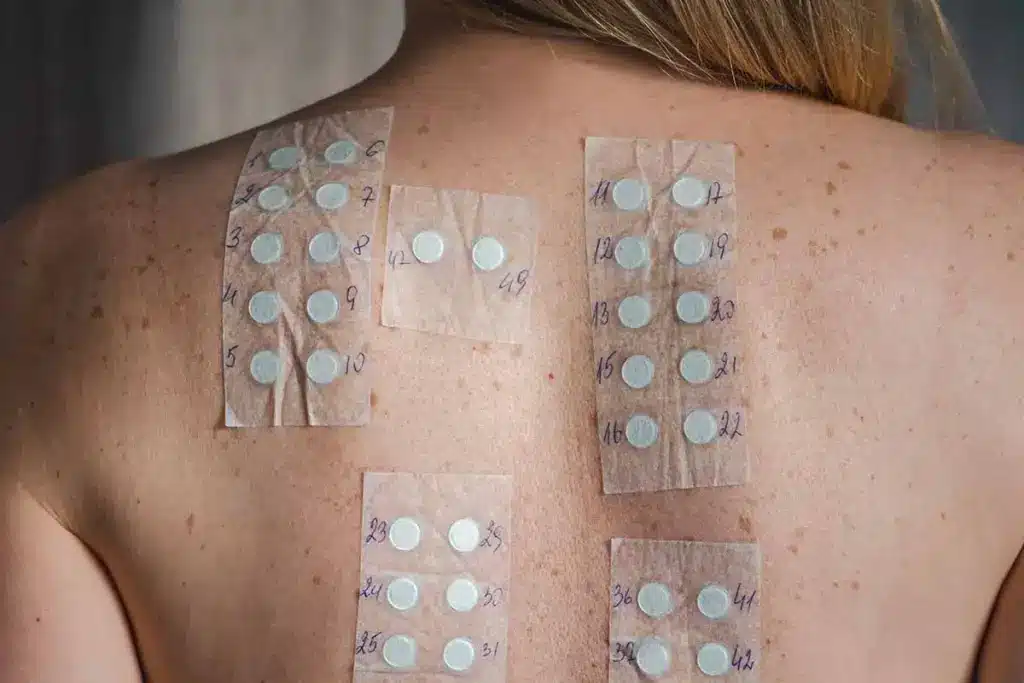
Allergic diseases are becoming more common worldwide. Finding the right treatment starts with accurate diagnosis. The 80 Patch Test for Allergies is a key tool in this process. It helps find the specific allergens causing reactions.Defining what is the 80 patch test for allergies and explaining the purpose of the allergy patch test list of allergens 80.
This test works by putting possible allergens on the skin to see how it reacts. Doctors use this to find out what’s causing the allergy. As allergies grow, knowing about the 80 Patch Test is essential for making treatment plans that work for each person.
Key Takeaways
- Understanding the 80 Patch Test is key for diagnosing allergies.
- The test involves applying a series of possible allergens to the skin.
- It helps identify specific allergic reactions.
- Personalized treatment plans can be made based on the test results.
- The test is a detailed diagnostic tool.
Understanding the 80 Patch Test for Allergies
The 80 Patch Test for Allergies is a detailed test to find out what causes skin reactions. It uses patch testing to see if a substance makes the skin inflamed. This method helps figure out if a certain thing is causing the problem.
Definition and Purpose of Patch Testing
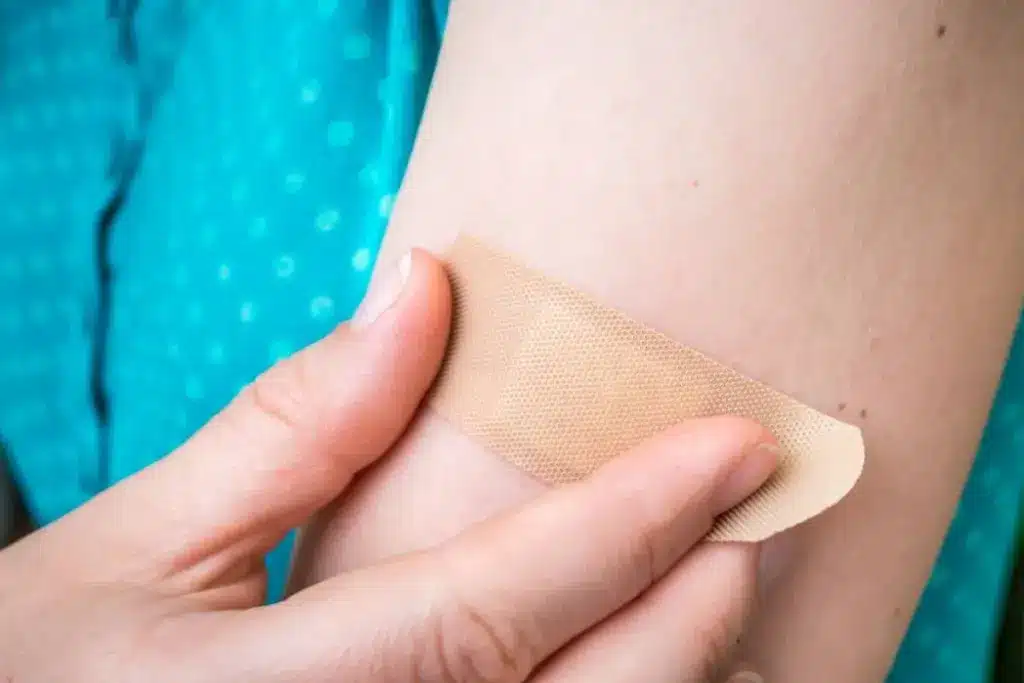
Patch testing means putting small amounts of possible allergens on the skin. Then, people watch how the skin reacts over a few days. It’s mainly to find out what’s causing allergic skin reactions.
This test is key for those with ongoing skin issues. It helps doctors and allergists create good treatment plans.
History and Development of the 80 Allergen Panel
The 80 allergen panel has grown thanks to the North American Contact Dermatitis Group (NACDG). It includes many common allergens to cover all bases. This panel shows the effort to make allergy testing more accurate and useful.
|
Allergen Category |
Examples |
Common Sources |
|---|---|---|
|
Metals |
Nickel, Chromium |
Jewelry, Buckles |
|
Preservatives |
Formaldehyde, Parabens |
Cosmetics, Pharmaceuticals |
|
Fragrances |
Fragrance Mix I & II |
Perfumes, Cosmetics |
How the Allergy Patch Test Differs from Other Allergy Tests
Allergy patch testing is unique because it looks at delayed hypersensitivity reactions. This makes it great for finding skin allergies that aren’t obvious right away.
Comparison with Blood Tests and Skin Prick Tests
Blood tests and skin prick tests are used to find allergies, but they work differently than patch testing. Blood tests check for allergy antibodies in the blood. Skin prick tests look for quick reactions to allergens. But patch testing looks at how the skin reacts over days, which is key for finding delayed reactions.
Key differences include:
- Duration of the test: Patch testing requires multiple visits over several days.
- Type of reaction detected: Patch testing identifies delayed hypersensitivity reactions.
- Application: Patch testing is useful for diagnosing contact dermatitis.
When Patch Testing is Recommended Over Other Methods
Patch testing is best when you think you might have contact dermatitis or when other tests don’t work. It’s also good for people with long-term skin problems that might be caused by allergens. Doctors might suggest it for those with work-related skin issues or who are often exposed to possible allergens.
Knowing how patch testing differs from other tests helps doctors pick the best test for each patient.
Common Conditions Diagnosed with the 80 Patch Test
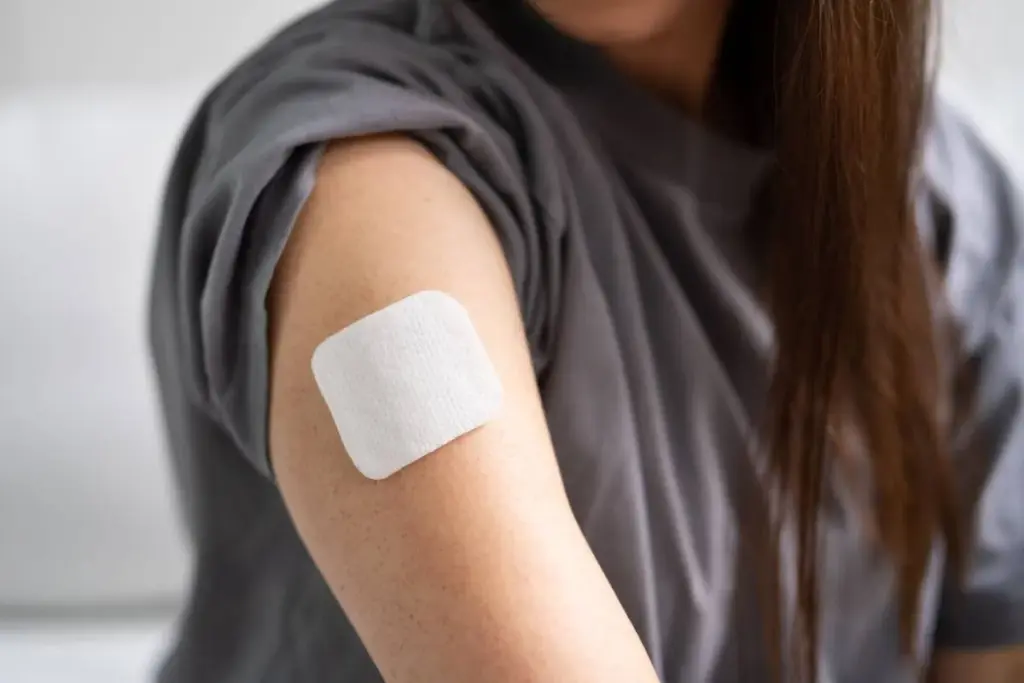
The 80 Patch Test is key in finding out what causes allergic contact dermatitis and other skin issues. It’s great for spotting the allergens that make skin react badly.
Contact Dermatitis and Eczema
Contact dermatitis is when skin gets inflamed from things it touches. The 80 Patch Test helps find out what’s causing this. Eczema, or atopic dermatitis, often has allergic parts that patch testing can reveal. Knowing the exact allergens helps doctors give better advice on what to avoid and how to treat it.
Occupational Skin Diseases
Jobs can expose people to certain allergens, leading to occupational skin diseases. People like hairdressers, healthcare workers, and construction workers are at risk. The 80 Patch Test finds these workplace allergens. Knowing this helps make plans to reduce exposure and manage the condition better.
Using the 80 Patch Test to find the cause of skin problems helps doctors a lot. It’s vital for treating contact dermatitis, eczema, and work-related skin diseases.
The North American 80 Patch Test Standard Series
The North American 80 patch test standard series is key in diagnosing allergies. It checks for common allergens that cause skin reactions in North America.
Evolution of the North American Contact Dermatitis Group (NACDG) Panel
The North American Contact Dermatitis Group (NACDG) keeps the 80 patch test up to date. They add or remove allergens based on new research. This makes sure the test works well for diagnosing skin allergies.
Changes in products, work practices, and laws affect the panel. New allergens are added when studies show they are common. This keeps the test relevant for today’s skin issues.
Differences Between North American and European Standards
The North American 80 patch test and European standards differ. These differences come from different common allergens. This is due to how people use products, their jobs, and the environment.
For example, some allergens are more common in Europe than in North America. This shows why we need patch tests for each region. The NACDG works with others worldwide to keep the North American panel up to date and effective.
Knowing these differences helps doctors diagnose and treat skin allergies better. It also shows the need for ongoing research into local allergens. This helps make diagnostic tools better for each area’s needs.
Complete Allergy Patch Test List of Allergens80: Categories and Substances
The80 patch test list helps find reactions to many allergens. It’s divided into groups. This detailed test is key for diagnosing skin issues like allergic contact dermatitis.
Metals and Metal Compounds
Metals and metal compounds are a big part of the80 allergen panel. Items like jewelry, clothes, and building materials often contain them. These metals can cause skin irritation or dermatitis.
Common metal allergens include:
- Nickel sulfate
- Cobalt chloride
- Potassium dichromate
Preservatives and Antimicrobials
Preservatives and antimicrobials are also key. They’re found in many products like cosmetics and medicines. Known allergens like formaldehyde and parabens can cause skin problems.
|
Preservative |
Common Uses |
|---|---|
|
Formaldehyde |
Cosmetics, personal care products |
|
Quaternium-15 |
Cosmetics, personal care products |
|
Parabens |
Pharmaceuticals, cosmetics |
Fragrances and Flavorings
Fragrances and flavorings are tested in the80 patch test. They can cause allergic reactions. Fragrance mix I and II, and some flavorings, are included. These are found in perfumes, cosmetics, and food.
Examples of fragrance allergens:
- Fragrance mix I
- Fragrance mix II
- Cinnamal
Rubber Compounds and Adhesives
Rubber compounds and adhesives are also tested. They’re common in certain jobs. Chemicals like mercaptobenzothiazole and epoxy resin are checked. These are used in rubber products and adhesives.
Knowing the categories and substances in the80 patch test is vital. It helps diagnose and manage allergic contact dermatitis. Healthcare providers can then give specific advice on avoiding and treating these allergens.
Common Allergens in the 80 Patch Test and Their Sources
Edit
Full screen
Delete
common allergens in patch test
Knowing where common allergens come from is key to managing allergies. The 80 Patch Test helps find many substances that can trigger allergic reactions. Some allergens are more common in our daily lives.
Nickel Sulfate and Everyday Exposures
Nickel sulfate is a common allergen found in the 80 Patch Test. It’s in jewelry, coins, and other metal items that touch our skin. Avoiding nickel-containing products helps manage nickel allergy.
Fragrance Mix and Personal Care Products
Fragrance mix is another common allergen, found in personal care items like perfumes and shampoos. Fragrance allergy can cause skin problems. Reading labels helps avoid fragrances that might cause allergic reactions.
Formaldehyde and Formaldehyde Releasers
Formaldehyde and its releasers are in many products, including cosmetics and cleaners. They can irritate the skin and cause allergic reactions. Identifying formaldehyde-releasing agents in products is important for those allergic to formaldehyde.
Parabens and Consumer Products
Parabens are used in cosmetics, pharmaceuticals, and food to preserve them. Though safe for most, some may develop an allergy to parabens. Paraben-free products are available for those who need to avoid them.
Understanding where these allergens come from helps us reduce exposure and manage our allergies better.
Preparing for Your Allergy Patch Test
Edit
Full screen
Delete
allergy patch test preparation
To get accurate results from your allergy patch test, you need to prepare well. This means following a few steps to make sure the test is reliable and safe for you.
Medication Restrictions Before Testing
Some medicines can affect the test’s results. You should stop using oral corticosteroids and immunosuppressive drugs before the test, as your doctor advises. Also, don’t apply topical corticosteroids on the skin where the patches will go.
Tell your doctor about all the medicines you’re taking. This includes over-the-counter drugs and supplements. They’ll tell you what to stop or keep taking before your test.
Skin Preparation Guidelines
The skin where the patches will go should be clean and dry. Don’t use lotions, creams, or oils on the back or where the patches will be for 3 days before. Also, skip baths or showers that might irritate your skin or make it sweat too much the day before.
On test day, wear loose, comfortable clothing. This helps avoid skin irritation and keeps the patches in place. By following these tips, you’ll make sure your skin is ready for the test.
The Patch Testing Procedure: What to Expect
The patch testing process has several steps, starting with the application day. It’s a way to find out what causes skin reactions. Knowing what to expect can make the process less stressful and easier to go through.
Application Day: The First Visit
A healthcare professional will put patches with different allergens on your skin, usually on your back. These patches stay on for 48 hours. During this time, try to avoid activities that might make the patches fall off, like sweating a lot or bending.
It’s important to avoid certain activities during these 48 hours:
- Strenuous exercise
- Bending or heavy lifting
- Swimming or bathing
Reading Days: Follow-up Visits
After 48 hours, you’ll need to come back for follow-up visits. These are called reading days. The first check-up is usually 48-72 hours after the patches are applied. Sometimes, a second check might be needed 72-96 hours later, or even longer.
At these visits, the doctor will look at your skin for signs of an allergic reaction. This could be redness, itching, or blisters.
The results from these visits are key to figuring out if you have an allergy. They help find out what specific allergens are causing the problem.
Allergy Patch Test List of Allergens80: Detailed Breakdown
The Allergy Patch Test List of Allergens80 is a detailed tool for diagnosing allergic contact dermatitis. It is updated regularly to include the latest allergens of concern.
Top 20 Most Common Reactive Allergens
The top 20 most common reactive allergens are key to understanding common allergic reactions. These include:
|
Allergen |
Common Sources |
|---|---|
|
Nickel Sulfate |
Jewelry, buckles, and coins |
|
Fragrance Mix |
Perfumes, cosmetics, and soaps |
|
Formaldehyde |
Preservatives in cosmetics and household products |
|
Cobalt Chloride |
Medical equipment, jewelry, and dyes |
These common allergens are often found in our daily lives. They can be hard to avoid without knowing what to look for.
Newly Added Allergens in the Current Panel
The Allergy Patch Test List of Allergens80 keeps growing. New allergens are added based on research and clinical data. Recent additions include emerging allergens like certain preservatives or components in personal care products.
- New Preservatives: These preservatives are found in many products and can cause skin reactions in some people.
- Components in Personal Care Products: Some ingredients in cosmetics and skincare are now recognized as allergens.
Adding these new allergens to the patch test panel helps doctors better identify the causes of allergic reactions.
True Test vs. Dormer Patch Testing Systems
Choosing the right patch testing system is key for accurate allergy diagnosis. Patch testing helps find out what causes allergic contact dermatitis. The True Test and Dormer Patch Testing Systems are two well-known options.
TRU Test Patch Testing System Overview
The TRU Test Patch Testing System is a standard method for diagnosing allergic contact dermatitis. It uses a pre-prepared panel of allergens applied to the skin. This system is easy to use and gives consistent results, making it a top choice for dermatologists.
Dormer Laboratories Custom Patch Test Preparations
Dormer Laboratories provides custom patch test preparations. These can be made to fit a patient’s specific needs. This flexibility is great for testing specific allergens not found in standard panels.
|
Feature |
True Test |
Dormer Laboratories |
|---|---|---|
|
Standardization |
Pre-prepared panels |
Custom preparations |
|
Flexibility |
Limited to standard allergens |
Tailored to individual needs |
|
Ease of Use |
High |
Variable, depends on customization |
Interpreting Allergy Patch Test Results
Understanding patch test results is key. The scoring system helps diagnose skin allergies. It’s vital for a good treatment plan.
Understanding the ICDRG Scoring System
The ICDRG scoring system is used worldwide. It grades reactions from no reaction to strong positive. This helps doctors know if you have an allergy and how severe it is.
The ICDRG scoring system grades reactions like this:
- Negative (-): No reaction
- Irritant reaction: A reaction that is not allergic but irritant in nature
- + (Weak positive): A weak positive reaction indicating an allergy
- ++ (Strong positive): A strong positive reaction indicating a significant allergy
- +++ (Extreme positive): An extreme positive reaction indicating a very strong allergy
Reading Your Allergy Patch Test Results Chart
The results chart shows reactions to each allergen. Doctors use it to find out what’s causing your allergy. It lists the allergen, its concentration, and the reaction.
When you see your results, look for positive reactions. Your doctor will use this info to help you avoid allergens. They’ll also guide you on managing your allergy.
Potential Complications and Side Effects of Patch Testing
Patch testing is generally safe but can have complications and side effects. It’s important to know these risks to give informed consent and manage any bad reactions.
Common Reactions During Testing
Most people don’t have serious side effects from patch testing. But, some might get redness, itching, or swelling where the patch was. These usually go away in a few days.
In some cases, a strong reaction can happen. This might cause blisters or crusts.
Rare but Serious Adverse Events
Even though it’s rare, serious problems can happen during patch testing. These include active sensitization and flare-up reactions. A study found that while patch testing is mostly safe, these rare issues can occur.
“Patch testing is generally safe, but rare adverse reactions can occur, stressing the importance of careful patient selection and monitoring.”
In summary, patch testing is a useful tool but comes with risks. Knowing these can help healthcare providers take better care of patients and reduce bad reactions.
After Your Patch Test: Managing Identified Allergies
Managing allergies found through patch testing needs a detailed plan. This plan helps reduce exposure and ease symptoms. It’s key for better living for those with contact allergies.
Allergen Avoidance Strategies
Knowing what you’re allergic to and where it’s found is important. For example, if nickel is your allergen, avoid nickel jewelry and tools. Always read product labels and choose hypoallergenic products. This helps lower your exposure.
Some allergens, like fragrances or preservatives, are in personal care items. So, picking fragrance-free or hypoallergenic products is wise.
Treatment Options for Contact Allergies
While avoiding allergens is best, treatments can help when you can’t avoid them. Topical corticosteroids are often used to lessen inflammation and itching. For severe cases, oral corticosteroids or other medications might be needed.
Moisturizers and emollients also help fix the skin and prevent irritation. It’s vital to work with your doctor to create a treatment plan that fits your allergies and needs.
Finding Qualified Providers for the 80 Patch Test
The success of your 80 patch test depends on the skill of the healthcare provider. It’s key to find someone who can give you reliable results.
When looking for a provider, think about who should do the test.
Dermatologists vs. Allergists: Who Should Perform Your Test
Dermatologists and allergists can both do patch testing. Dermatologists are great for skin issues, like contact dermatitis. Allergists handle all kinds of allergies, including skin ones. A study by the American Academy of Allergy, Asthma, and Immunology shows both can give accurate results with the 80 patch test (1).
|
Specialist |
Area of Expertise |
|---|---|
|
Dermatologists |
Skin conditions, contact dermatitis |
|
Allergists |
General allergies, including skin manifestations |
Questions to Ask Before Scheduling Your Test
Before your 80 patch test, ask some questions. This ensures you’re getting the best care. You might ask:
- What experience do you have with patch testing?
- How will the test results be interpreted?
- What follow-up care is provided after the test?
Extended Patch Test Panels Beyond the Standard 80 Allergens
For people with complex allergies, extended patch test panels are a better choice. They are great when the standard 80 allergen test doesn’t work or when certain job exposures are suspected.
Allergic diseases can be complex, and people may face many allergens. Experts say, “To diagnose allergic contact dermatitis, you need a detailed medical history and patch tests with many allergens. These should match the patient’s environment and job.”
“The diagnosis of allergic contact dermatitis requires a thorough approach, including a detailed medical history and patch testing with a variety of allergens relevant to the patient’s environment and occupation.” – Expert in Dermatology
Specialized Occupational Series
There’s a special type of extended patch test panel for workers. These panels are made for people in jobs that expose them to unique allergens. For instance, construction workers might be exposed to metals or chemicals not in the standard 80 allergen panel.
|
Occupation |
Common Allergens |
|---|---|
|
Construction Workers |
Chromium, Cobalt |
|
Healthcare Workers |
Latex, Glutaraldehyde |
|
Metal Workers |
Nickel, Chromium |
The Expanded 90 Allergen Panel
The Expanded 90 Allergen Panel is another extended patch test option. It includes more allergens than the standard 80, giving a fuller picture of someone’s allergies. It’s good for those with ongoing or severe allergies that standard tests can’t find.
In summary, extended patch test panels are a key tool for complex allergies. They offer a wider range of allergens for testing. This helps doctors find specific allergies and create better treatment plans.
Conclusion: The Value of the 80 Patch Test in Allergy Diagnosis
The 80 Patch Test is a key tool in finding out what causes allergic skin reactions. It helps find specific allergens. This makes it easier to avoid them and treat the problem.
Studies show that knowing what causes allergies is very important. It helps doctors treat patients better. The 80 Patch Test is a big help in this area.
Learning about patch testing is the first step to managing allergies. It can greatly improve someone’s life. The 80 Patch Test is a critical tool in diagnosing allergies.
FAQ
What is the80 Patch Test for Allergies?
The80 Patch Test for Allergies is a tool to find out if you’re allergic. It puts different allergens on your skin to see how you react.
How does the80 Patch Test differ from other allergy tests?
Unlike blood tests and skin prick tests, the80 Patch Test looks at delayed reactions. Blood tests check for antibodies, and skin prick tests look for immediate reactions.
What conditions can be diagnosed with the80 Patch Test?
This test helps find out what causes skin problems like contact dermatitis, eczema, and occupational skin diseases. It spots specific allergens causing these issues.
What are the common allergens in the80 Patch Test?
The test looks for common allergens like nickel sulfate, fragrances, formaldehyde, and parabens. These are often found in products and workplaces.
How should I prepare for an allergy patch test?
Before the test, follow medication rules and skin prep guidelines. This helps get accurate results and keeps the patches on well.
What is the procedure for patch testing?
First, you apply the patches. Then, you come back for follow-up visits to see how your skin reacts to the allergens.
How are allergy patch test results interpreted?
Results are scored using a system like the ICDRG. A detailed chart shows how your skin reacted to each allergen tested.
What are the possible complications and side effects of patch testing?
Patch testing is usually safe. But, it can cause skin irritation or rare serious issues. Knowing these risks is important.
How can I manage identified allergies after patch testing?
After finding out what you’re allergic to, avoid those allergens. You can also use treatments like topical corticosteroids to help symptoms.
Who should perform the80 Patch Test?
Dermatologists and allergists are best for this test. Ask them questions before you schedule it.
Are there extended patch test panels beyond the standard80 allergens?
Yes, there are more panels like the Extended90 Allergen Panel. They’re for specific needs or complex allergies.
References
ScienceDirect. Evidence-Based Medical Insight. Retrieved from https://www.sciencedirect.com/science/article/abs/pii/S0733863519300261