Newborns getting jaundice light treatment often have their eyes covered. But why is this done? The treatment’s intense light can harm the baby’s sensitive eyes. Explaining the crucial reason why are eyes covered during phototherapy (to prevent retinal damage from the UV or blue light).
Eye protection is key in phototherapy. It keeps the baby’s vision safe. By covering their eyes, doctors can treat jaundice without risking eye damage.
Key Takeaways
- Eye protection is essential during jaundice light treatment for newborns.
- Phototherapy involves exposure to specific wavelengths of light.
- The intense light used can potentially harm newborns’ eyes.
- Covering eyes during treatment prevents possible eye damage.
- Medical professionals take precautions to ensure safe treatment.
The Science and Purpose of Phototherapy
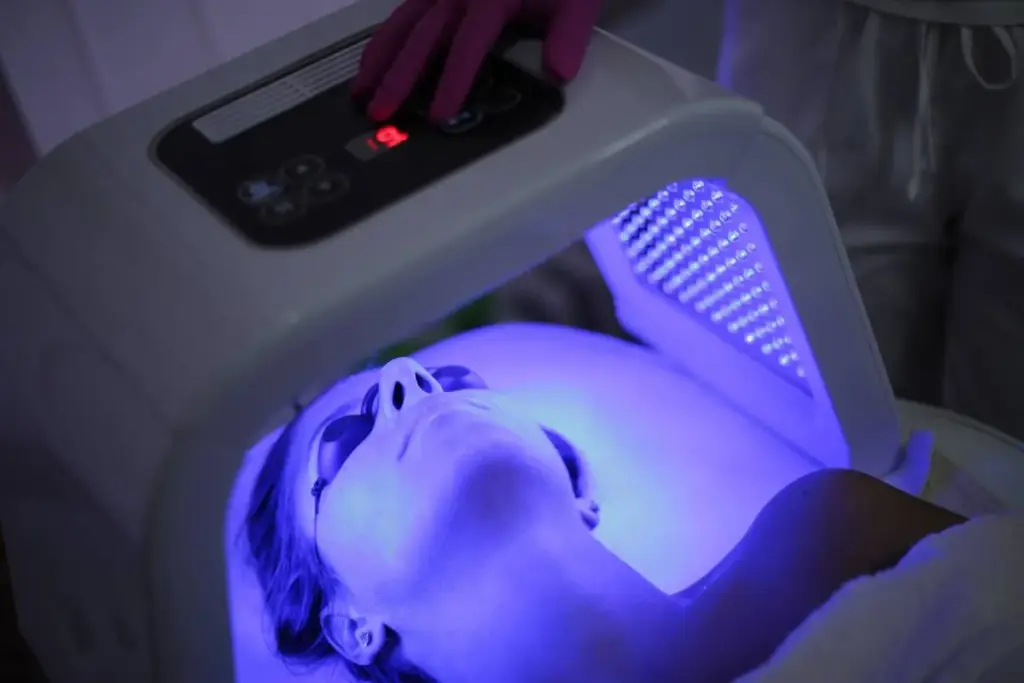
Phototherapy uses light to treat medical conditions. It has a long history and many uses. It helps with neonatal jaundice and skin disorders.
Definition and Basic Principles
Phototherapy is when light is used to treat health problems. It works by using specific light wavelengths to help the body. Light therapy or phototherapy can be adjusted for different conditions.
How it works depends on the condition. For neonatal jaundice, it breaks down bilirubin. For psoriasis, it slows skin cell growth.
Historical Development of Light-Based Treatments
Light has been used for healing for thousands of years. But modern phototherapy has changed a lot with new technology.
|
Period |
Development |
Application |
|---|---|---|
|
Ancient Times |
Use of sunlight for healing |
Various ailments |
|
20th Century |
Introduction of UV therapy |
Skin conditions, jaundice |
|
Modern Era |
Advanced light therapy technologies |
Dermatology, psychiatry, neonatal care |
Phototherapy’s history shows its value and effectiveness. It has evolved from ancient times to today’s technology. It’s a key treatment in many medical fields.
Common Applications of Phototherapy
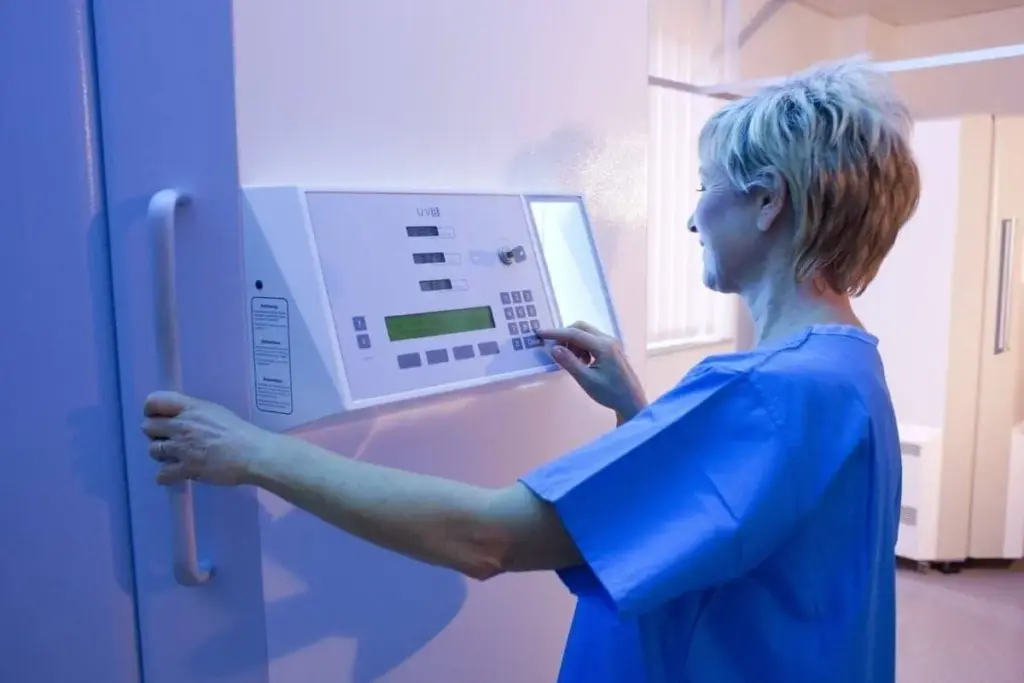
Phototherapy is used in many ways. It helps treat conditions like neonatal jaundice, skin disorders, and even some mental health issues.
Neonatal Jaundice Treatment
Phototherapy is often used to treat neonatal jaundice, or neonatal hyperbilirubinemia. This happens when newborns have too much bilirubin, making their skin and eyes yellow. Phototherapy for newborns uses blue light to break down bilirubin. This makes it easier for the baby to get rid of it.
Bili blankets are now used too. They let parents hold their babies while they get treated.
Dermatological Conditions
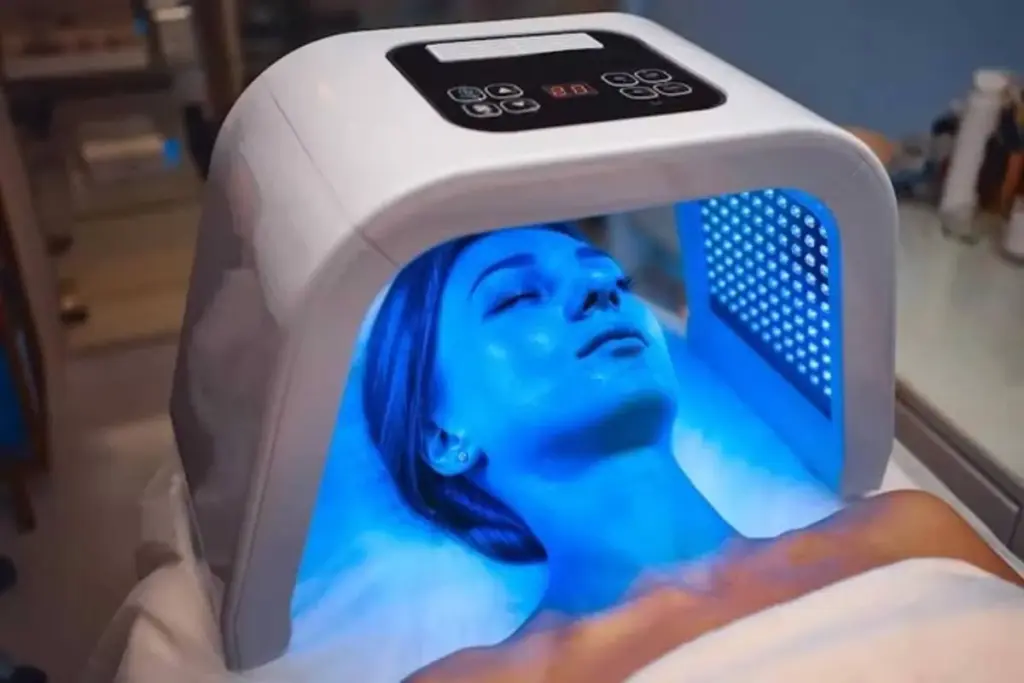
Phototherapy is also used for dermatological conditions. Blue light therapy helps with acne by killing bacteria. It’s also good for psoriasis, a chronic skin condition.
Light therapy slows down skin cell growth. This helps reduce psoriasis symptoms.
Psychiatric and Seasonal Affective Disorders
In psychiatry, phototherapy helps with seasonal affective disorder (SAD) and other mood issues. Bright light in the morning helps regulate the body’s clock and improves mood. Red light therapy is also being studied for wound healing and anti-aging.
Phototherapy is a key treatment across many medical fields. It’s non-invasive and effective.
How Phototherapy Works in the Body
Edit
Full screen
Delete
phototherapy light
Phototherapy uses light to help the body in many ways. It works by using certain light wavelengths to treat different health issues. This makes it a precise and helpful treatment for many conditions.
Light Wavelengths and Biological Processes
The success of phototherapy light comes from how it interacts with our cells. Different lights affect different tissues in different ways. For example, bilirubin lights help treat jaundice in newborns by breaking down bilirubin in the skin.
Mechanisms of Action in Different Conditions
How light therapy works changes with each condition it treats. For jaundice, bilirubin lights turn bilirubin into a form that’s easier to get rid of. For skin problems, UV therapy helps by changing how our immune system works and reducing swelling.
|
Condition |
Light Therapy Used |
Mechanism of Action |
|---|---|---|
|
Neonatal Jaundice |
Bilirubin Lights |
Breaks down bilirubin into a more soluble form |
|
Dermatological Conditions |
UV Therapy |
Modulates immune response, reduces inflammation |
|
Seasonal Affective Disorder |
Bright Light Therapy |
Regulates circadian rhythms, improves mood |
Healthcare experts can make phototherapy more effective by knowing how light affects our bodies. They can then use the right light for each condition, making treatments work better.
Neonatal Jaundice and Bilirubin Lights
Phototherapy is key in treating neonatal jaundice, a common issue in newborns. It’s caused by too much bilirubin. This condition makes the skin and eyes look yellow. Special light can help fix this.
What Causes Jaundice in Newborns
Jaundice in newborns is due to too much bilirubin. This yellow pigment comes from breaking down red blood cells. Newborns have more bilirubin because their livers aren’t ready to handle it.
Other reasons for jaundice include birth bruises, blood type issues, and some genetic problems.
How Phototherapy Breaks Down Bilirubin
Phototherapy uses light to treat jaundice. It uses blue light (around 450-495 nm) to change bilirubin into something the body can get rid of. This makes jaundice go away.
The light’s strength and how long it’s used matter a lot. Modern phototherapy units make sure the light is just right.
Effectiveness and Treatment Duration
Phototherapy works well to treat jaundice. It helps avoid serious problems like kernicterus. How long treatment lasts depends on how bad the jaundice is and how well it responds.
Most babies need phototherapy for 1-3 days. During this time, doctors watch bilirubin levels closely.
Key factors influencing treatment duration include:
- Initial bilirubin levels
- Response to phototherapy
- Presence of underlying conditions
Understanding jaundice and phototherapy helps doctors treat newborns better. This ensures the best care for them.
Why Eye Protection is Essential During Phototherapy
Edit
Full screen
Delete
eye protection during phototherapy
Eye protection during phototherapy is very important. The eyes can be hurt by the light used in treatment. This light is good for some health issues but can harm the eyes if not used carefully.
Ocular Sensitivity to Therapeutic Light
The eyes are very sensitive to phototherapy light. Therapeutic light can damage the retina or other parts of the eye if not protected. This makes eye protection very important to avoid eye harm.
Phototherapy uses different light types, some more harmful than others. For example, UV light for skin issues can hurt the eyes a lot without protection.
Research on Light Exposure and Possible Eye Damage
Research shows light exposure risks in phototherapy. Studies found that long exposure to certain light can damage the retina or make eye problems worse. The risk depends on the phototherapy type and the person’s eye health.
Healthcare providers stress the need for eye protection during phototherapy. They recommend using eye shields or protective eyewear. These block the light used in treatment.
Types of Eye Protection Used in Phototherapy
Edit
Full screen
Delete
eye protection during phototherapy
To keep eyes safe during phototherapy, special eye protection is used. Phototherapy uses light of specific wavelengths. If not done right, it can harm the eyes.
Eye Shields for Infants
Infants with neonatal jaundice need eye shields. These shields fit over their eyes to block intense light. It’s key to prevent eye damage and keep them safe.
Protective Eyewear for Adults
Adults get phototherapy for skin issues or to fight seasonal depression. They wear protective eyewear to block harmful light. The type of eyewear depends on the phototherapy.
Application Techniques and Best Practices
Putting on eye protection correctly is important. For babies, it’s about placing shields gently but securely. For adults, it’s about wearing the right eyewear during treatment. Doctors should teach patients and caregivers how to use these devices right.
Knowing about eye protection and how to use it helps patients safely get phototherapy. This way, they can avoid eye problems.
Phototherapy Equipment and Delivery Methods
Edit
Full screen
Delete
phototherapy equipment
Phototherapy uses different equipment and methods to treat various health issues. This includes neonatal jaundice and some skin conditions. The goal is to make treatment more effective and easy to use.
Conventional Phototherapy Units
Hospitals often use conventional phototherapy units for jaundice in newborns. These units have fluorescent lights or LEDs that give off blue light. This light is best for breaking down bilirubin.
Key Features of Conventional Phototherapy Units:
- Adjustable intensity to accommodate different patient needs
- Timers for controlled treatment sessions
- Cooling systems to prevent overheating
Bili Blankets and Fiber-Optic Devices
Bili blankets and fiber-optic devices offer a portable and flexible way to treat jaundice. Bili blankets are fabric wraps with fiber-optic cables that emit light. They allow for treatment without a traditional light box.
Advantages of Bili Blankets:
- Portability, enabling home treatment
- Comfort for the infant, as it allows for closer contact with caregivers
- Effective for mild to moderate jaundice
Home vs. Hospital Phototherapy Equipment
Choosing between home and hospital phototherapy depends on several factors. These include the condition’s severity, patient comfort, and the need for monitoring. Hospital equipment is more intense and used for severe cases or when constant monitoring is needed.
Considerations for Home Phototherapy:
- Portability and ease of use
- Cost-effectiveness compared to prolonged hospital stays
- The need for proper training for caregivers
In conclusion, the variety of phototherapy equipment allows for tailored treatments. This makes phototherapy more effective for different conditions and patient needs.
Blue Light Therapy for Dermatological Conditions
Blue light therapy is a new hope for skin disorders. It uses blue light to treat acne and psoriasis. This method is promising for patients.
Treatment of Acne and Psoriasis
Blue light therapy is great for acne. It kills bacteria that cause acne, reducing inflammation. A study in the Journal of Clinical and Aesthetic Dermatology found it safe and effective.
“The use of blue light in the treatment of acne has been shown to be highly effective, with a significant reduction in inflammatory lesions.”
– Journal of Clinical and Aesthetic Dermatology
It’s also being tested for psoriasis. Early studies show it may lessen psoriasis symptoms. More research is needed.
Eye Protection Protocols for Skin Treatments
Blue light therapy is good for skin but needs eye protection. Blue light can harm eyes, causing vision problems. So, it’s important to protect eyes during treatment.
Protective Measures: Wear goggles or glasses with blue light filters. Make sure the treatment area blocks stray light. This keeps eyes safe.
- Use of protective eyewear designed for blue light therapy
- Proper positioning of the light source to avoid direct eye exposure
- Education of patients on the importance of eye protection during treatment
Following these steps makes blue light therapy safe. It lets patients enjoy its benefits without eye risks.
Red Light Therapy: Benefits and Safety Considerations
Red light therapy is becoming popular in medicine and beauty. It uses low-level red or near-infrared light. This light helps cells heal and look younger.
Wound Healing and Anti-Aging Applications
Red light therapy is great for wound healing and anti-aging. It boosts collagen, improves blood flow, and speeds up healing. Some benefits include:
- Wounds heal faster
- Skin looks smoother and lines are less visible
- More collagen is made
- Inflammation goes down and tissues repair better
Eye Safety During Red Light Exposure
Red light therapy is safe, but eye safety is key. Looking directly at red light can hurt your eyes, including the retina. To stay safe:
- Wear special eye protection for red light therapy
- Don’t stare at the light
- Stick to the recommended treatment plans
Knowing the benefits and safety of red light therapy helps you decide if it’s right for you.
UV Phototherapy for Skin Disorders
UV phototherapy is a key treatment for skin issues like psoriasis, eczema, and vitiligo. It uses special ultraviolet light to help manage symptoms. This improves the life quality of those affected.
Treatment of Psoriasis, Eczema, and Vitiligo
UV phototherapy works well for psoriasis, a condition where skin cells grow too fast. For psoriasis treatment, narrowband UVB is often chosen because it’s safe and effective. Eczema also benefits from UV therapy, which lessens inflammation and itching.
Vitiligo, which causes skin to lose pigment, can be treated with UV phototherapy. PUVA therapy is often used for this, helping to restore skin color.
UV phototherapy works by controlling the immune system and slowing skin cell growth. But, treatment plans vary based on the condition, its severity, and the patient’s skin type.
Critical Eye Protection Measures for UV Exposure
UV phototherapy is good for skin but can harm eyes without proper protection. Eye protection is vital to avoid eye damage like cataracts and retinal issues. Patients must wear protective eyewear that blocks UV rays.
For young patients, special eye shields are used to protect their eyes. It’s important for doctors to teach patients about eye protection. This ensures the treatment is safe and effective.
Addressing Parents’ Concerns About Eye Protection During Infant Phototherapy
Understanding the importance of eye protection during infant phototherapy can help alleviate some of the concerns parents have about this treatment. Infant phototherapy is a common and effective treatment for jaundice in newborns. It requires careful consideration of the infant’s eye health.
Common Questions and Misconceptions
Parents often wonder about the necessity and safety of eye shields used during phototherapy. One common misconception is that eye shields are not effective or that they cause more harm than good. But, eye shields are designed to protect the infant’s eyes from intense light in phototherapy. When used correctly, they are safe and effective.
Some parents may also be concerned about the possibility of eye damage or discomfort from eye shields. It’s important to reassure them that properly fitted eye shields are designed to be comfortable and not cause harm. The material used for these shields is soft and gentle, reducing the risk of irritation or discomfort.
Monitoring Eye Shield Placement
To ensure the effectiveness of eye protection during infant phototherapy, it’s important to monitor the placement of eye shields regularly. Healthcare professionals typically check the eye shields at regular intervals to ensure they remain in place and are not causing any discomfort. Parents can also be taught how to check the eye shields to provide continuous care.
- Check that the eye shields are properly secured and not too tight.
- Ensure the shields are not causing any skin irritation.
- Verify that the shields are correctly positioned over the eyes.
Signs of Possible Issues to Watch For
While eye shields are designed to be safe, there are possible issues parents should be aware of. Signs of discomfort, such as fussiness or redness around the eyes, should be reported to healthcare professionals. Also, if the eye shields are not properly secured, they may shift during treatment, potentially reducing their effectiveness.
Parents should be vigilant and monitor their infant’s response to the eye shields during phototherapy. Any concerns or observations should be discussed with the healthcare team. This ensures the infant receives the best possible care.
Potential Side Effects and Complications
Phototherapy is a helpful treatment, but it comes with risks. Knowing these risks is key to using phototherapy safely.
Short-term Complications
Short-term issues with phototherapy include:
- Ocular damage if proper eye protection is not used
- Dehydration, mainly in infants
- Skin reactions like rashes or burns
It’s important to watch patients closely during treatment. Making sure infants stay hydrated and everyone wears eye protection helps avoid these problems.
Long-term Safety Considerations
Long-term safety issues with phototherapy are:
|
Condition |
Potential Long-term Effect |
Mitigation Strategy |
|---|---|---|
|
Prolonged exposure to certain wavelengths |
Potential for eye damage or increased risk of cataracts |
Regular eye exams and proper eye protection during treatment |
|
Skin conditions treated with UV phototherapy |
Increased risk of skin cancer |
Careful dosing and monitoring, patient education on skin protection |
It’s vital for healthcare providers and patients to know about these long-term effects. This helps make better treatment choices.
Minimizing Risks Through Proper Protocols
To lower phototherapy risks, follow strict protocols. This means:
- Using the right eye protection for each patient
- Keeping an eye on how long and how intense the treatment is
- Having regular check-ups to see how the treatment is working and if there are any side effects
By sticking to these protocols and keeping up with new research, doctors can make sure phototherapy is safe and works well.
Technological Advancements in Phototherapy
Phototherapy technology has made big strides in recent years. These changes have made treatments more effective and safer. They are key to better results for many health issues.
Innovations in Light Delivery Systems
How light is delivered in phototherapy has changed a lot. New systems are more focused and efficient. This means patients get the right amount of light.
LED-based phototherapy devices are now common. They send out specific wavelengths with great intensity. This is why they’re so popular.
“LED technology has changed phototherapy a lot,” says Medical Expert. “It helps treat neonatal jaundice and skin problems better.”
Fiber-optic devices are another big step. They wrap around patients for even light coverage. This is great for newborns, where steady treatment is key.
Improved Eye Protection Methods
As phototherapy gets better, so does eye protection. Protecting eyes is very important to avoid damage from strong light. New materials and designs have made eye shields and eyewear better.
- Today’s eye shields are light and comfy. They stay in place during treatment.
- Some devices have real-time monitoring systems. They check if eye protection is good and adjust as needed.
- New materials have led to more effective blocking materials. They protect eyes well without being uncomfortable.
These eye protection improvements are vital. They help make phototherapy safer for everyone, no matter their age.
Conclusion: Balancing Therapeutic Benefits with Proper Eye Protection
Phototherapy has changed how we treat many health issues, from jaundice in newborns to some skin problems. It’s a non-invasive and effective way to help patients. But, it’s very important to protect the eyes during these treatments.
We’ve looked at how phototherapy works, its uses, and why eye protection is so important. Finding the right balance is key for safe and effective treatment. By knowing the risks and using the right eye protection, doctors can avoid problems and improve treatment results.
Using eye shields, protective glasses, and other safety steps is vital in phototherapy. By combining the benefits of phototherapy with eye protection, patients can get the most from their treatment. This way, they can keep their vision safe and stay healthy.
FAQ
What is phototherapy, and how does it work?
Phototherapy is a medical treatment that uses light to help patients. It’s used for things like jaundice in newborns, skin problems, and mental health issues. The light used is chosen because it can help fix the problem.
Why is eye protection necessary during phototherapy?
Eye protection is key because the light used can hurt your eyes. It’s important to keep your eyes safe to avoid damage, like to the retina.
What types of eye protection are used during phototherapy?
There are special eye shields for babies and protective glasses for adults. Using the right eye protection is important for safe and effective treatment.
How does phototherapy treat neonatal jaundice?
Phototherapy helps lower bilirubin levels in newborns. It uses special lights to break down bilirubin. This treatment is very effective in preventing serious problems.
What are the benefits of blue light therapy for dermatological conditions?
Blue light therapy can help with acne and psoriasis. But, it’s important to protect your eyes to avoid harm.
What are the safety considerations for red light therapy?
Red light therapy is good for healing wounds and looking younger. But, it’s important to keep your eyes safe to avoid problems.
How is UV phototherapy used to treat skin disorders?
UV phototherapy can help with psoriasis, eczema, and vitiligo. But, it’s very important to protect your eyes because of the risk of damage.
What are the possible side effects and complications of phototherapy?
It’s important to know the risks of phototherapy. This includes both short-term and long-term problems. Taking steps to avoid these risks is key.
How can parents ensure their infant’s eyes are protected during phototherapy?
Parents should check that the eye shields are on right. They should also watch for any signs of eye problems.
What advancements are being made in phototherapy technology?
New technology in phototherapy is making it better. This includes new ways to deliver light and better eye protection. These changes aim to make phototherapy safer and more effective.
References
ScienceDirect. Evidence-Based Medical Insight. Retrieved from https://www.sciencedirect.com/science/article/pii/S1744165X08001280