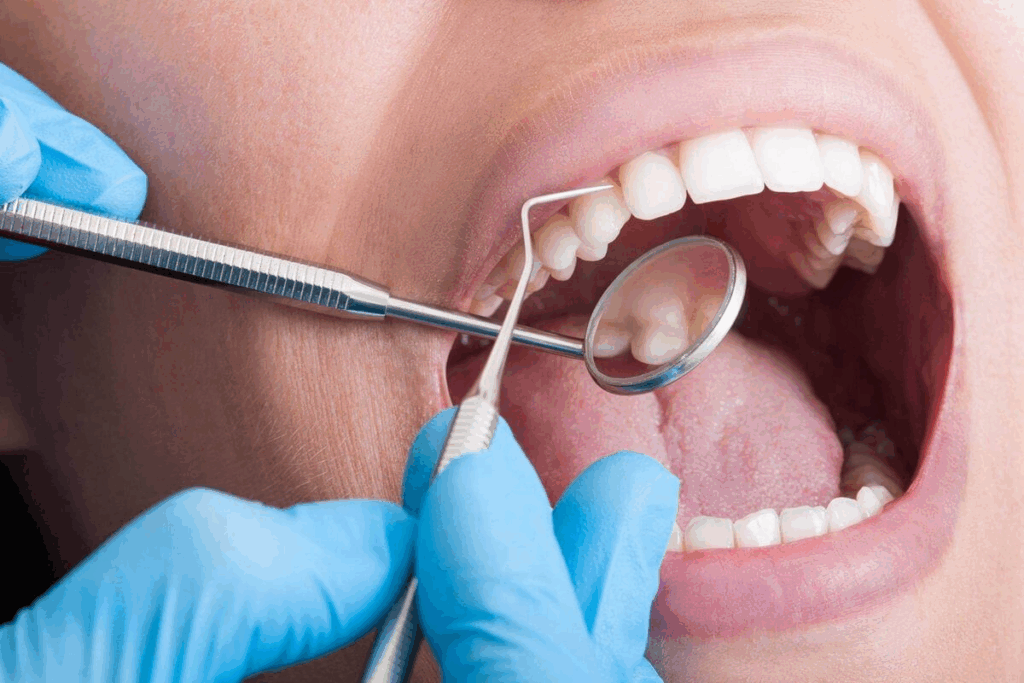
Discovering an abnormal area in your gums can be unsettling. But, a diagnostic procedure offers a clear answer. A gingival biopsy is a simple test that removes a small tissue sample. It checks if gum tissue changes are harmless or need urgent treatment gum biopsy.
At Liv Hospital, our skilled dental team does gum biopsies with the latest methods. They focus on patient care, ensuring accurate diagnosis and a comfortable experience. Knowing what to expect before, during, and after helps ease worries and ensures a smooth recovery.
Key Takeaways
- A gingival biopsy is essential for diagnosing abnormal gum tissue changes.
- Proper preparation and post-biopsy care are key to avoiding complications.
- Liv Hospital’s dental professionals use the latest protocols for gum biopsies.
- Patient-centered care makes the treatment experience comfortable.
- Understanding the procedure can help ease patient concerns.
Understanding Gum Biopsy: What It Is and Why It’s Performed

When gum tissue shows signs of trouble, a biopsy is often needed. This helps find the cause and the right treatment. A gum biopsy, or gingival biopsy, is a way for doctors to check tissue samples.
Definition and Purpose of a Gingival Biopsy
A gingival biopsy takes a gum tissue sample for a closer look. It’s mainly to find and treat gum problems, like oral cancer. Doctors use the sample to spot diseases, figure out how serious they are, and plan treatment.
“The biopsy is a key tool for spotting and managing oral health issues early,” says a top oral health expert. This shows how vital biopsies are for our mouth health.
Common Conditions That Require Tissue Sampling
Many issues might need a gum biopsy. These include:
- Suspicious lesions or growths on the gums
- Oral cancer or the chance of cancerous changes
- Pigmented lesions, like gum melanoma
- Noncancerous growths or inflammatory conditions
The incisional gum biopsy is the most common method. Doctors take a piece of suspicious tissue for a microscope check. Knowing why a biopsy is needed can help patients feel less worried and get better faster.
Types of Gum Biopsy Procedures

Several biopsy procedures are used to diagnose gum issues. A gum biopsy helps check abnormal gum tissue. It’s key for spotting oral cancer, gum melanoma, and other growths.
Incisional Biopsy: The Most Common Method
An incisional biopsy removes a tissue sample for testing. It’s often used for big lesions or when a part needs to be checked. The procedure is done under local anesthesia to reduce pain.
Excisional Biopsy for Complete Lesion Removal
In an excisional biopsy, the whole lesion is taken out. It’s chosen for small lesions or when they’re likely not cancerous. It’s a single-step process for both diagnosis and treatment.
Brush Biopsy: The Least Invasive Option
A brush biopsy is a gentle method. It uses a special brush to get cells from the lesion’s surface. It’s great for those who fear more invasive methods or have sensitive areas.
Needle Biopsy for Deeper Tissue Sampling
A needle biopsy takes tissue samples from deeper gum layers. It’s good for diagnosing deeper tissue issues.
Oral Cancer Detection and Diagnosis
Gum biopsies are key in finding and diagnosing oral cancer. Early detection is critical for better treatment results. Regular check-ups and biopsies are essential for good oral health.
Gum Melanoma and Other Pigmented Lesions
Gum melanoma, a rare condition, is diagnosed through biopsy. Other pigmented lesions are also checked to see if they’re benign or cancerous.
Noncancerous Growths and Inflammatory Conditions
Not all gum issues are cancerous. Biopsies can also find noncancerous growths and inflammatory conditions. This helps in finding the right treatment for patients.
Medical Considerations Before Your Gum Biopsy
Before your gum biopsy, there are important medical things to think about. A gum biopsy looks at gum tissue for different health issues. Knowing this can help you feel less anxious and make the process easier.
Medications to Avoid: Blood Thinners and NSAIDs
Some medicines can change how your gum biopsy goes. Blood thinners and NSAIDs are key ones to watch because they can make bleeding more likely.
- Blood Thinners: Drugs like warfarin, aspirin, and heparin make blood thinner. Your doctor might tell you to stop these for a while before the biopsy.
- NSAIDs: Drugs like ibuprofen and naproxen also affect blood clotting. It’s important to tell your doctor if you’re taking these.
Always talk to your doctor before stopping any medicine. They will give advice based on your health and the biopsy’s needs.
Medical Conditions to Disclose to Your Provider
Telling your doctor about your health is key for a safe biopsy. Some health issues can change how the biopsy is done or how you heal.
- Diabetes: Diabetes can affect healing. Telling your doctor helps them prepare.
- Bleeding Disorders: Conditions like hemophilia can make the biopsy tricky. Your doctor needs to know about these to manage them right.
- Heart Conditions: Some heart problems need special care before a biopsy. Your doctor will check risks and take steps to keep you safe.
Sharing your medical history helps your doctor get ready for any issues that might come up during or after the biopsy.
Preparing for Your Gum Biopsy Appointment
We’ll help you get ready for your gum biopsy. A gum biopsy, or gingival biopsy, is done to take tissue from your gums for tests. Being ready can make the process easier and less stressful.
What to Eat and Drink Before the Procedure
Eat a light meal or snack before your gum biopsy. Choose soft foods that are easy to chew. Avoid heavy or spicy foods that might hurt your mouth or gums.
It’s also key to drink water before your appointment. But don’t drink too much to avoid needing to use the restroom during the biopsy.
Recommended Foods | Foods to Avoid |
Yogurt | Spicy dishes |
Soft fruits (e.g., bananas, avocados) | Hard or crunchy foods (e.g., nuts, chips) |
Smoothies | Acidic foods (e.g., citrus fruits, tomatoes) |
Transportation Arrangements
You might need a ride home after your biopsy on gums. If you’re getting sedation, have someone drive you. They should also take you home.
What to Bring to Your Appointment
Bring these items to your biopsy for mouth:
- A list of your current medications
- Any relevant medical records or test results
- A friend or family member for support (if needed)
- Insurance information and identification
Being prepared can help you feel less anxious. It makes your gum biopsy appointment go smoothly.
The Gum Biopsy Procedure: Step by Step
A gum biopsy has several important steps for a correct diagnosis. We know it can be scary, but knowing what happens can help a lot.
Pre-Procedure Preparations
We make sure you’re ready and comfortable before starting. We look at your medical history and talk about your medications. We also explain the procedure to answer any questions.
We might use a topical anesthetic to numb your gums first. This makes the local anesthesia work better.
Anesthesia Administration and Numbing Process
Getting anesthesia is key to feeling little to no pain. We use local anesthesia to numb the area. This involves injecting anesthetic into the gum tissue around the biopsy site.
“The use of local anesthesia has revolutionized the field of dentistry, making procedures like gum biopsies much more tolerable for patients.” Medical Expert, Oral Surgeon
While the anesthesia works, we get everything ready for the biopsy. This includes making sure all tools are clean and ready.
The Tissue Sampling Process
The actual biopsy is usually the easiest part, thanks to the numbing. You might feel some pressure or tugging, but it shouldn’t hurt. The way we take the tissue sample depends on the type of biopsy.
Biopsy Type | Description | Typical Use |
Incisional Biopsy | Removing a sample of the suspicious tissue | Large lesions or when a sample is needed for diagnosis |
Excisional Biopsy | Removing the entire suspicious area | Smaller lesions or when the entire area is suspected to be problematic |
After we take the tissue, we send it to a lab for tests. The results will guide what happens next in your care.
Our main goal is your comfort and getting an accurate diagnosis. By understanding the steps, we can work together for the best results.
What to Expect During a Gum Biopsy
We’re here to guide you through what to expect during a gum biopsy. You’ll learn about the sensations you may feel and how long it will take. A gum biopsy is used to check for conditions like oral cancer and other gum issues.
Sensations You May Experience: Pressure and Tugging
During a gum biopsy, you might feel some pressure and tugging. These feelings happen because the dentist or oral surgeon needs to get a tissue sample. They do this by gently moving the gum tissue.
To make you more comfortable, local anesthesia is usually given before the procedure. As Medical Expert, a renowned oral surgeon, notes, “Local anesthesia numbs the area, making the procedure more comfortable.” You might feel some pressure or tugging, but it’s usually not too bad.
Duration of the Procedure
The time it takes for a gum biopsy can vary. It depends on how complex the procedure is and how many tissue samples are needed. On average, it can take from 15 to 60 minutes.
Type of Biopsy | Typical Duration | Characteristics |
Punch Biopsy | 15-30 minutes | Quick and straightforward, often used for small lesions. |
Incisional Biopsy | 30-60 minutes | More complex, involves removing a larger tissue sample. |
Excisional Biopsy | 30-60 minutes | Involves removing the entire lesion or affected area. |
Knowing what to expect during a gum biopsy can make you feel more comfortable. If you have any concerns or questions, always talk to your healthcare provider.
Post-Biopsy Recovery: The First 24 Hours
Proper care after a gum biopsy is key to feeling better and healing faster. The first 24 hours are very important. By following our tips, you can make your recovery smoother.
Managing Pain and Discomfort
Some pain is normal after a gum biopsy. Always follow your doctor’s advice on pain relief. This might include using over-the-counter pain meds. But, don’t take blood thinners and NSAIDs without your doctor’s okay.
To handle pain well:
- Take pain meds as told
- Stay away from hard activities
- Use an ice pack to lessen swelling
Dietary Restrictions and Recommendations
Your diet is very important for healing. For the first 24 hours, eat soft, cool, or lukewarm foods that are easy on your mouth. Stay away from hot, spicy, or sharp foods that might hurt or irritate the area.
Good foods to eat include:
- Yogurt
- Mashed potatoes
- Scrambled eggs
- Soups (not too hot)
Oral Hygiene Guidelines
Keeping your mouth clean is very important after a gum biopsy. But, be gentle around the biopsy site. Here’s what to do:
- Don’t brush the biopsy site for the first 24 hours
- Rinse with warm salt water after 24 hours to help heal
- Go back to your usual oral care routine when your doctor says it’s okay
By following these tips, you can lower the chance of problems and have a smooth recovery. If you notice any unusual signs like more pain, swelling, or fever after an oral biopsy, call your doctor right away.
Long-term Recovery After a Gum Biopsy
Understanding the long-term recovery after a gum biopsy is key. Knowing what to expect helps manage your healing journey. It’s important to follow your healthcare provider’s advice to heal well.
Expected Healing Timeline
The healing time after a gum biopsy varies. It usually takes 1-2 weeks for the body to start repairing the tissue. Following your doctor’s post-biopsy instructions is vital for healing.
Important healing tips include:
- Managing discomfort with prescribed pain medication
- Maintaining good oral hygiene to prevent infection
- Avoiding strenuous activities that could disrupt the healing process
When to Resume Normal Activities
Returning to normal activities after a gum biopsy should be slow. Most people can go back to their routine in a few days to a week. But, it’s important to avoid activities that might harm the healing.
Here are some guidelines:
- Avoid heavy lifting or bending for at least 24 hours post-procedure.
- Be gentle when brushing around the biopsy site until it’s fully healed.
- Stick to a soft-food diet for a few days to minimize discomfort and promote healing.
Don’t forget to go to your follow-up appointments. Your healthcare provider will check on your healing and answer any questions.
Knowing the healing timeline and when to start normal activities helps with recovery. Always talk to your healthcare provider if you have any questions or concerns.
Potential Complications and When to Seek Help
A gum biopsy is usually safe, but knowing the risks is key. It’s important to understand the possible complications and when to get help. This knowledge helps you handle the recovery better.
Normal Side Effects vs. Complications
After a gum biopsy, you might feel some normal side effects. These include mild pain, swelling, or bleeding at the site. These usually go away on their own and can be managed with pain meds and oral care.
But, it’s important to know the difference between normal side effects and serious complications. Serious issues need medical attention.
Signs of Infection After Oral Biopsy
Infection is a possible complication after a gum biopsy. Look out for signs like increased redness, swelling, or pus at the site. Fever or a bad taste in your mouth are also warning signs.
When to Contact Your Healthcare Provider
If you notice signs of infection or have severe pain, bleeding, or trouble swallowing, call your doctor. Also, if you’re worried about your recovery or notice anything unusual, it’s best to get advice.
Knowing the risks and when to seek help can greatly improve your recovery after a gum biopsy. Understanding what to expect and how to handle issues can make the healing process smoother and more comfortable.
Understanding Your Gum Biopsy Results
Getting your gum biopsy results can be a big moment. It’s key to know what they mean. After the test, it might take some time to get your results. Be patient and ready for the info they’ll share.
How Long Results Take
The time to get your gum biopsy results can differ. It depends on the lab and how complex the test is. You might wait a few days to a couple of weeks. Your doctor will tell you when to expect them.
Waiting can make you feel anxious. But, the delay is usually because the lab is checking the samples carefully. This ensures an accurate diagnosis.
Interpreting Different Diagnoses
When your results are in, your doctor will explain them. The diagnosis could be anything from a simple condition to something serious like oral cancer. Remember, a biopsy helps figure out what to do next.
If the biopsy shows oral dysplasia, you might need more check-ups or preventive steps. But, if it’s gum melanoma or other pigmented lesions, you might need more tests or treatment.
“The biopsy is a critical diagnostic tool that helps us understand the nature of the tissue sample taken from your gum. It’s a key step in figuring out the right treatment.”
Next Steps Based on Results
After you get your diagnosis, your doctor will talk about what’s next. This could be more tests, treatment options, or just watching the area for changes.
If it’s a benign condition, you might not need more treatment. But, if it’s serious, your doctor will create a treatment plan just for you.
It’s important to follow your doctor’s advice and ask any questions. Knowing your gum biopsy results is a big step towards better oral health.
Conclusion
Getting a gum biopsy can seem scary, but knowing what to expect helps a lot. We’ve covered the main steps to help you through it. A gum biopsy is important for finding problems like oral cancer.
Being ready for your biopsy is very important. This means knowing about the different types of biopsies, managing your meds, and following the doctor’s advice. Being informed can help you avoid problems and recover faster.
An oral cancer biopsy is a big deal, and knowing about it can ease your worries. We hope this guide has made you feel more ready for your biopsy. By following our tips, you can get the best care during your biopsy.
FAQ
What is a gum biopsy?
A gum biopsy is a procedure where a gum tissue sample is taken. It’s then checked under a microscope. This helps diagnose oral health issues like oral cancer and gum melanoma.
Why is a gum biopsy performed?
A gum biopsy is done to check for gum problems. This includes abnormal growths, lesions, or color changes. It also helps find oral cancer or other diseases.
What are the different types of gum biopsy procedures?
There are several gum biopsy procedures. These include incisional, excisional, brush, and needle biopsies. Each has its own benefits and drawbacks.
How long do mouth biopsy results take?
Mouth biopsy results usually come in a few days to a week. This time can vary.
What should I expect during a gum biopsy?
During a gum biopsy, you might feel some pressure and tugging. The procedure is done under local anesthesia to reduce pain.
How can I manage pain and discomfort after a gum biopsy?
To manage pain after a gum biopsy, follow your doctor’s advice on pain medication. Also, eat soft foods for a few days.
What are the signs of infection after an oral biopsy?
Signs of infection include increased pain, swelling, redness, or pus. If you notice these, contact your doctor right away.
How long does it take to recover from a gum biopsy?
Recovery from a gum biopsy varies. Most people can go back to normal activities in a few days. The biopsy site usually heals in a week or two.
Can I eat normally after a gum biopsy?
After a gum biopsy, eat soft foods for a few days. This helps avoid irritating the site. You can gradually go back to your usual diet as it heals.
What are the possible complications of a gum biopsy?
Complications can include infection, bleeding, or nerve damage. If you have unusual symptoms, contact your doctor.
How do I understand my gum biopsy results?
Your doctor will explain your biopsy results to you. They will discuss the diagnosis and any next steps. It’s important to ask questions if you’re unsure.
What happens if the gum biopsy results show cancer?
If cancer is found, your doctor will talk about treatment options. This might include surgery, radiation, or other therapies, based on the cancer type and stage.
References
World Health Organization. Evidence-Based Medical Guidance. Retrieved from https://www.who.int/news-room/fact-sheets/detail/oral-health