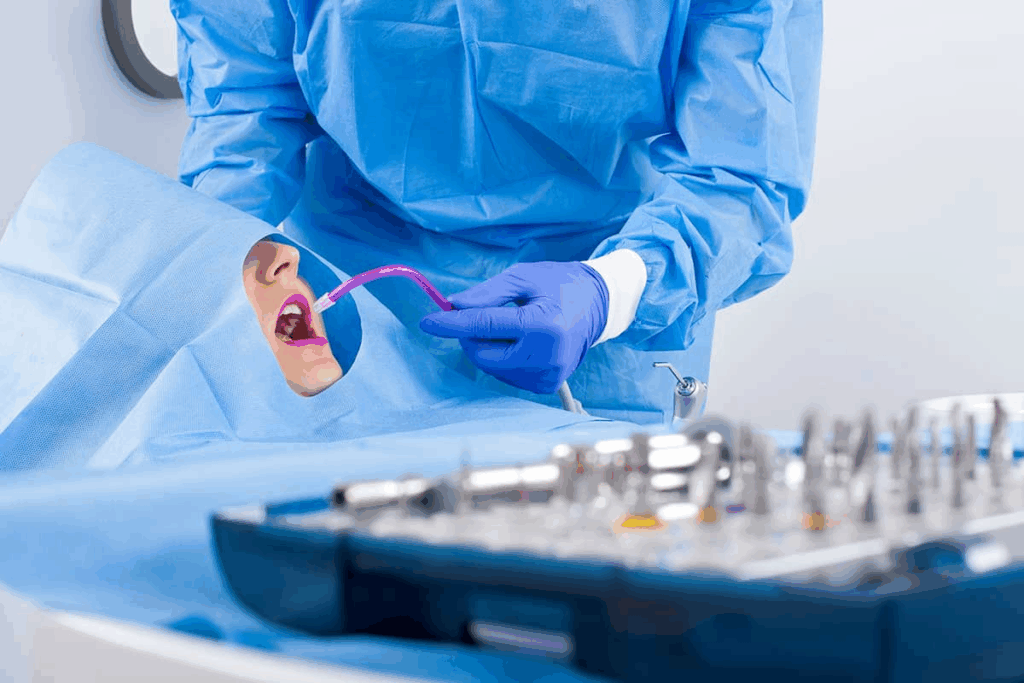
Do you have receding gums, exposed tooth roots, or tooth sensitivity? A gum graft might be what you need. At Liv Hospital, we use the latest in periodontal care to fix your gum health. We aim to keep your smile safe for years to come gum implant.
Gum grafting is a simple surgery to fix missing or weak gum tissue. It moves healthy tissue from one part of your mouth to where gums are thin. This helps with exposed roots, thin gums, and sensitivity, making it key for good oral health.
Key Takeaways
- Gum grafting is a surgical procedure to treat gum recession.
- It involves transplanting healthy gum tissue to areas with receded gums.
- The procedure can address exposed roots and tooth sensitivity.
- Gum grafting is a predictable treatment with success rates exceeding 90 percent.
- Liv Hospital offers patient-centered care with international standards.
Understanding Gum Recession and Why Grafts Are Needed

Gum recession is when the gum tissue around your teeth wears away. It’s more common than you might think and needs quick attention. It affects 4% to 12% of adults and often goes unnoticed until it gets worse.
Common Causes of Gum Recession
Gum recession can be caused by several factors. These include periodontal disease, aggressive brushing, or naturally thin gums. Knowing these causes is key for prevention and treatment.
- Periodontal Disease: A bacterial infection that damages the gums and bone supporting the teeth.
- Aggressive Brushing: Brushing too hard or using a hard-bristled toothbrush can wear away the gum tissue.
- Naturally Thin Gums: Some people are more prone to gum recession due to their genetic makeup.
Signs You May Need a Gum Graft
If you’re experiencing any of these symptoms, you might need a gum graft:
Signs | Description |
Tooth Sensitivity | Increased sensitivity to hot or cold temperatures. |
Visible Roots | Roots of the teeth becoming visible. |
Gum Line | Notching or recession of the gum line. |
Health Risks of Untreated Gum Recession
If gum recession is not treated, it can lead to serious health issues. These include:
- Tooth Loss: Advanced gum recession can lead to the loss of teeth.
- Increased Risk of Decay: Exposed roots are more susceptible to decay.
- Aesthetic Concerns: Gum recession can affect the appearance of your smile.
We will continue to explore the types of gum grafts and the surgical process in the following sections.
Types of Gum Grafts Explained

The type of gum graft needed depends on how much gum has receded and where it is. It also depends on the patient’s overall health. Gum grafting is a very effective way to treat gum recession. There are several techniques to choose from.
Connective Tissue Grafts
Connective tissue grafts are the most common choice for gum recession. This method involves taking tissue from under the palate flap. Then, it is grafted to the area that needs repair.
Benefits: This method has a high success rate. It also gives pleasing results and is very predictable.
Free Gingival Grafts
Free gingival grafts take tissue directly from the palate. This tissue is then grafted to the area that needs repair. This method is great for patients with very thin gum tissue.
Advantages: It increases gum thickness. It’s also useful when other methods won’t work.
Pedicle Grafts
Pedicle grafts use tissue from the gum around or near the tooth that needs repair. This method keeps the graft’s blood supply intact.
Key Benefits: It causes less discomfort. It also heals faster because of the blood supply.
Graft Type | Description | Benefits |
Connective Tissue Grafts | Tissue taken from under the palate flap | Highly predictable, aesthetically pleasing |
Free Gingival Grafts | Tissue taken directly from the palate | Increases gum thickness, versatile |
Pedicle Grafts | Tissue grafted from nearby gum | Less discomfort, faster healing |
The Gum Implant Procedure: What to Expect
The gum grafting process starts with an initial consultation. This step is key to getting ready for surgery. It helps patients know what to expect at each stage.
Initial Consultation and Examination
Your periodontist will check your gums during the first meeting. They will see how much recession you have. This helps decide the best treatment for you.
Diagnostic Procedures
Diagnostic tools like X-rays and 3D imaging are used next. They help see the bone and how much recession there is. These tools are important for planning your treatment.
Treatment Planning
After checking and testing, your periodontist will make a plan just for you. This plan will tell you about the grafting procedure. It will also talk about what you can expect.
Meeting Your Surgical Team
You’ll meet your surgical team before the surgery. They are experts in gum grafting. They will explain the surgery, answer your questions, and give you care instructions.
Procedure Step | Description | Key Considerations |
Initial Consultation | Comprehensive examination of gums and diagnostic procedures | Assessment of gum recession extent |
Diagnostic Procedures | X-rays and 3D imaging to evaluate bone structure | Determining the best treatment approach |
Treatment Planning | Personalized plan based on examination and diagnostic findings | Type of graft, expected outcomes |
Meeting the Surgical Team | Understanding the surgical process and pre-/post-operative care | Addressing patient questions and concerns |
Preparing for Your Gum Graft Surgery
Getting ready for gum graft surgery needs careful planning. We’ll help you every step of the way to make sure it goes well. As your surgery date gets closer, we’ll show you what to do to prepare.
Medical Considerations and Precautions
Talk to us about your medical history before surgery. Some medicines, like blood thinners, might need to be changed or stopped. This is to avoid bleeding problems.
We’ll also check your health to see if there are any risks. This could affect your surgery or how you heal.
Tell us about all the medicines you’re taking, including vitamins and supplements. Some might need to be stopped before your surgery.
Dietary Restrictions Before Surgery
In the days before your surgery, eat foods that are good for healing. But, there are some foods to avoid:
- Don’t eat hard or crunchy foods that can hurt your gums
- Avoid spicy or acidic foods that might be uncomfortable
- Drink lots of water to stay hydrated
Also, don’t smoke or use tobacco products. They can slow down healing and make your surgery less effective.
What to Bring on Surgery Day
On surgery day, bring:
- A friend or family member to take you home
- Any important documents or insurance info
- Comfortable clothes and any personal items you might need
By following our advice, you can have a successful surgery and a smooth recovery.
Step-by-Step Gum Graft Surgical Process
The gum graft surgery is a detailed process with several key steps. It’s usually done by a periodontist, a dentist who specializes in gum diseases and dental implants.
Knowing the steps can make patients feel more at ease. The surgery takes about 60 to 90 minutes and is often done in one visit.
Anesthesia and Pain Management
To make sure the surgery is pain-free, local anesthesia is used. We focus on managing pain before, during, and after the surgery.
Effective anesthesia is key for a successful gum graft surgery. The type and amount of anesthesia depend on the procedure’s extent and the patient’s comfort.
Donor Tissue Harvesting
Often, the donor tissue comes from the patient’s palate. This tissue is then prepared for the grafting process.
To get the tissue, a small incision is made in the palate. The tissue is then carefully removed and prepared for grafting.
Graft Placement Techniques
The graft placement method varies based on the type of gum graft. Common methods include connective tissue grafts, free gingival grafts, and pedicle grafts.
- Connective tissue grafts take tissue from under the palate’s surface.
- Free gingival grafts take a small piece of tissue directly from the palate.
- Pedicle grafts involve making an incision near the affected area and repositioning the gum tissue.
Suturing and Finishing the Procedure
After placing the graft, sutures are used to secure it. These sutures help stabilize the graft and aid in healing.
Step | Description |
1 | Administering local anesthesia |
2 | Harvesting donor tissue |
3 | Preparing the recipient site |
4 | Placing the graft |
5 | Suturing the graft in place |
Once the surgery is done, the area is cleaned. Patients are given instructions for aftercare. We also guide them on managing pain and promoting healing during recovery.
Post-Operative Care and Recovery Timeline
Knowing how to care for yourself after gum grafting is key. Proper care helps your recovery and makes the graft work better.
First 24-48 Hours After Surgery
The first 24-48 hours are very important. Rest and avoid hard activities. You might feel some pain, swelling, and bleeding.
- Apply ice packs to reduce swelling.
- Rest with your head elevated to minimize bleeding.
- Avoid hot, spicy, or hard foods that could irritate the surgical site.
First Week of Recovery
In the first week, keep your mouth clean but gently. We suggest:
- Rinsing with salt water or an antibacterial mouthwash to keep the area clean.
- Avoid brushing the treated area directly for the first few days.
- Gradually introducing soft foods into your diet.
Long-term Healing Process
Healing fully can take weeks to months. Stick to your dentist’s advice and go to follow-up visits. This helps the graft heal well.
Recovery Stage | Care Instructions | Expected Outcomes |
First 24-48 Hours | Rest, ice packs, soft diet | Reduced swelling, minimal bleeding |
First Week | Gentle oral hygiene, salt water rinses | Initial healing, reduced discomfort |
Long-term | Follow dentist’s instructions, attend follow-ups | Complete integration of the graft |
By following these steps and keeping your mouth clean, you can recover well. This way, you’ll enjoy the benefits of your gum graft for a long time.
Managing Pain and Complications After Gum Grafting
Knowing how to handle pain and possible issues after gum grafting can really help your recovery. You might feel some discomfort after the surgery. But knowing what to expect can make a big difference.
Normal Side Effects vs. Complications
After gum grafting, some swelling and discomfort are normal. But it’s important to know the difference between normal side effects and serious problems. Normal side effects include mild swelling, some discomfort, and maybe a bit of bleeding. These can usually be managed with pain relievers your doctor or dentist prescribed.
Common Complications like infection, too much bleeding, or graft failure can happen. If you have severe pain, swelling that gets worse, or a fever, call your periodontist right away.
Normal Side Effects | Potential Complications |
Mild swelling | Infection |
Discomfort | Excessive bleeding |
Minor bleeding | Graft failure |
Pain Management Strategies
Managing pain well is key to a comfortable recovery. Your periodontist might give you pain medicine or suggest over-the-counter options. Cold compresses can also help with swelling and pain.
- Take pain medication as directed by your periodontist.
- Use cold compresses to reduce swelling.
- Rest and avoid strenuous activities.
When to Contact Your Periodontist
If you have severe pain that doesn’t go away, too much bleeding, swelling that gets worse, or signs of infection like fever or pus, call your periodontist. It’s important to act fast.
By knowing the difference between normal side effects and serious problems, and using good pain management, you can have a smoother recovery after gum grafting.
Success Rates and Expected Outcomes
It’s important to know the success rates and expected outcomes of gum grafting. This procedure is used to treat gum recession and has shown good results. The success depends on the graft type, the surgeon’s skill, and how well the patient cares for their gums after surgery.
Factors Affecting Graft Success
- The type of gum graft used, such as connective tissue grafts or free gingival grafts
- The skill and experience of the periodontist performing the surgery
- The patient’s overall oral health and hygiene practices
- Post-operative care and follow-up appointments
The long-term benefits of successful gum grafts are many. They improve not just how your teeth look but also your oral health. Grafts cover exposed roots, making them less sensitive, preventing further recession, and lowering the risk of root decay.
Success rates for gum grafting are generally high. Most patients see big improvements in their gum health and look. But, results can differ based on several factors.
To get the best results, it’s key to follow your periodontist’s advice. This means keeping your teeth clean, going to all follow-up visits, and avoiding smoking.
By knowing what affects gum graft success and taking steps to improve these factors, patients can expect better oral health and a more confident smile.
Cost of Gum Grafts and Insurance Coverage
The cost of gum grafts can change a lot. This depends on where you are and how complex the surgery is. It’s important to know these costs and check your insurance before getting gum graft surgery.
Average Costs in the United States
In the United States, gum grafts can cost between $600 and $3,000 per tooth. Several things can affect the price:
- The experience of the periodontist
- The location of the dental practice
- The extent of the grafting required
Insurance Coverage Options
Many dental insurance plans help pay for gum grafts. It’s key to talk to your insurance provider to see what they cover.
Insurance plans usually cover:
- A percentage of the procedure cost
- A fixed amount per tooth or quadrant
Financing and Payment Plans
If the cost worries you, there are ways to pay over time. Here are some options:
- Monthly payment plans from dental practices
- Third-party financing companies for medical and dental bills
Looking into these plans can make gum grafting easier to afford.
Conclusion: Maintaining Your Gum Health After Grafting
Keeping your gums healthy after grafting is key for lasting results. Regular dental visits and proper home care are vital. Brushing twice a day, flossing every day, and using mouthwash are musts for aftercare.
By sticking to these habits, your gum graft will last longer. Dental checkups help your periodontist catch problems early. Good oral hygiene and a healthy lifestyle are also important.
Don’t forget the role of a balanced diet and avoiding smoking. These steps help keep your gums healthy for years.
FAQ
What is a gum graft, and why is it needed?
A gum graft is a small surgery to fix gum issues. It’s used to cover exposed roots and fix thin gums. This helps prevent tooth sensitivity and gum disease.
What causes gum recession?
Gum recession can happen from gum disease, hard brushing, or thin gums. If not treated, it can cause tooth pain, decay risk, and tooth loss.
What are the different types of gum grafts?
There are several gum graft types. These include connective tissue, free gingival, and pedicle grafts. Each has its own benefits and procedure.
How is a gum graft performed?
The gum graft procedure involves taking healthy gum tissue. It’s then moved to areas where gums have receded. The surgery is done under local anesthesia for comfort.
What should I expect during the initial consultation for a gum graft?
At your first visit, your dentist will check your gums and take X-rays. You’ll discuss treatment options and meet your surgical team.
How do I prepare for gum graft surgery?
To get ready for surgery, follow your dentist’s advice. This includes medical checks, diet rules, and what to bring on surgery day.
What is the recovery timeline for a gum graft?
Recovery from a gum graft takes a few days of rest. Then, you can slowly get back to normal. Your dentist will give you specific care instructions.
How do I manage pain after a gum graft?
Your dentist will tell you how to handle pain. This might include medication and other tips. It’s important to follow their advice for effective pain management.
What are the possible complications of a gum graft?
Complications like infection, bleeding, or graft failure can happen. Your dentist will talk about these risks and how to handle them.
How much does a gum graft cost?
The cost of a gum graft varies. It depends on the procedure’s complexity, location, and other factors. Your dentist will give you a detailed cost estimate.
Will my insurance cover the cost of a gum graft?
Insurance coverage for gum grafts varies. Check with your provider to see what’s covered under your policy.
How can I maintain my gum health after a graft?
To keep your gums healthy after a graft, brush well, visit your dentist regularly, and avoid habits that cause recession.
What is the success rate of gum grafting?
The success of gum grafting depends on several factors. These include the graft type, surgeon skill, and post-care. Your dentist will discuss expected results with you.
Can I undergo a gum graft if I have a dental implant?
Yes, gum grafts are possible with dental implants. Your dentist will assess your situation to find the best treatment.
How long does it take to recover from a soft tissue graft?
Recovery from a soft tissue graft takes a few weeks. It’s important to follow your dentist’s instructions for healing.
References
National Center for Biotechnology Information. Evidence-Based Medical Guidance. Retrieved from https://pubmed.ncbi.nlm.nih.gov/31461778/