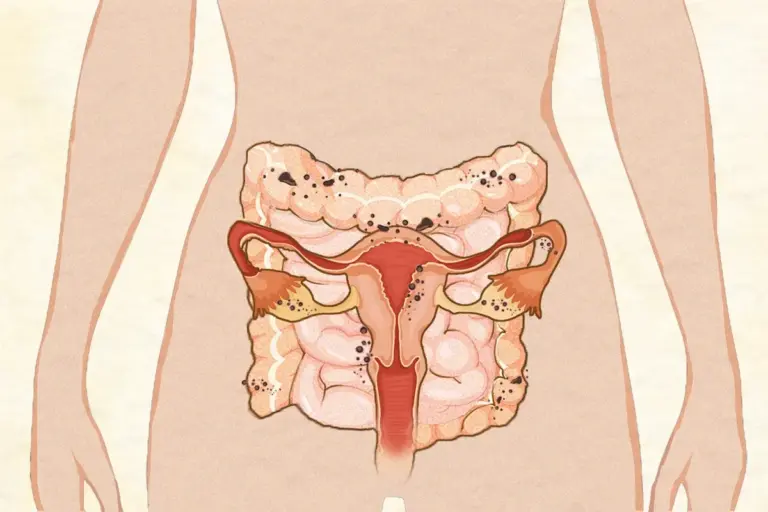
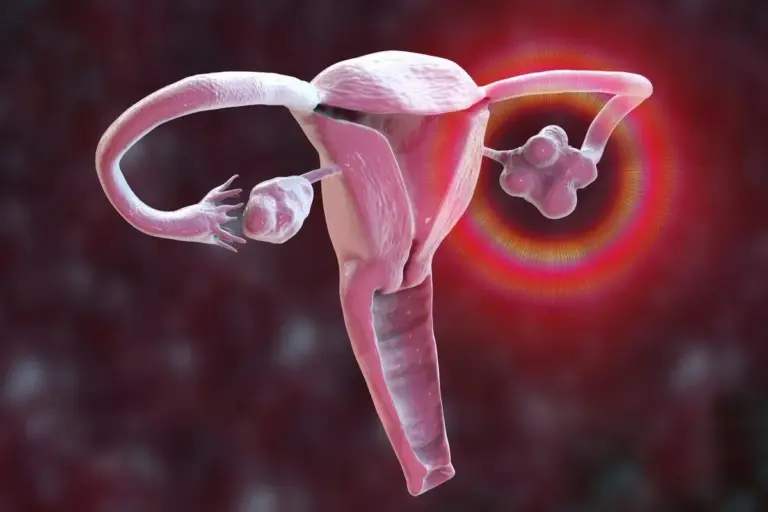
Uterine fibroid symptoms vary by size and location. Many cause no symptoms, while others lead to discomfort that affects daily life.
Send us all your questions or requests, and our expert team will assist you.
Symptoms and Conditions
What Symptoms Do Uterine Fibroids Cause?
The experience of living with uterine fibroids varies dramatically from one woman to another. While some women go through life completely unaware of these growths, others face significant physical challenges that disrupt their daily routines. The severity and type of symptoms usually depend on the number of fibroids, their size, and where they are located within the uterus.
It is common for fibroids to be asymptomatic, especially if they are small. In these cases, doctors often recommend monitoring the condition rather than immediate intervention. However, when symptoms do occur, they can range from mild annoyance to severe discomfort.
Menstrual Changes and Bleeding
The most common symptom associated with fibroids is a change in menstruation. Submucosal and intramural fibroids, which affect the uterine cavity and wall, are the usual culprits.
Heavy menstrual bleeding is a frequent complaint. This is not just a slightly heavier flow but bleeding that is prolonged and excessive. You might find yourself needing to change sanitary protection much more frequently than usual. This heavy blood loss can lead to secondary conditions.
Anemia is a direct condition resulting from this chronic heavy blood loss. When you lose more red blood cells than your body can replenish, you may feel fatigue, weakness, and shortness of breath. Many women discover they have fibroids only after visiting a doctor to investigate why they feel constantly tired.
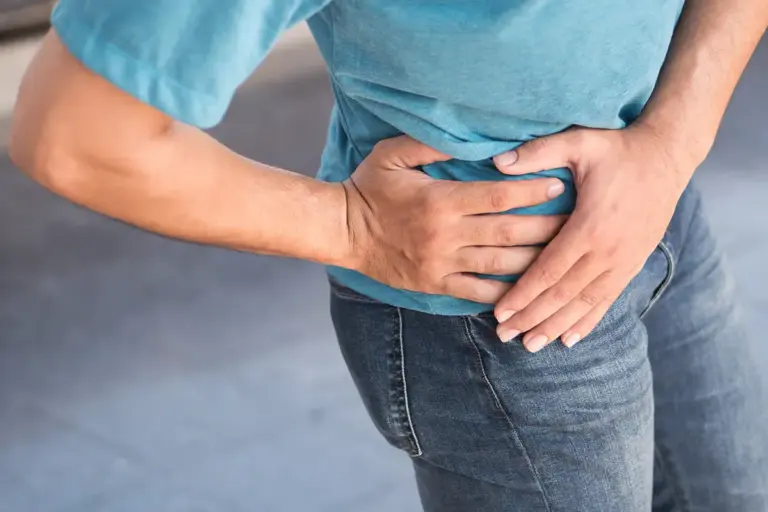
As fibroids grow, they take up more space in the pelvic cavity. This physical mass can cause a sensation of heaviness or pressure in the lower abdomen. Some women describe this feeling as a constant fullness, similar to the early stages of pregnancy.
Acute or severe pain is less common but can happen. This typically occurs if a fibroid outgrows its blood supply and begins to degenerate, or if a pedunculated fibroid twists on its stalk. In such cases, the pain can be sharp and localized. More commonly, the pain manifests as a dull, aching sensation in the lower back or legs, caused by the fibroids pressing against nerves extending from the spine.
The uterus sits next to the bladder and the rectum. Large fibroids, particularly those growing on the outside of the uterus (subserosal), can press against these organs.
When a fibroid presses on the bladder, it reduces the bladder’s capacity. This leads to frequent urination or a sudden, urgent need to empty the bladder. In some cases, women may find it difficult to fully empty their bladder.
Similarly, pressure on the rectum can cause bowel difficulties. This often presents as constipation or a feeling of rectal fullness and bloating. Because these symptoms can mimic other digestive issues, they are sometimes misdiagnosed as gastrointestinal problems.
Impact on Sexual Health and Fertility
Fibroids can also impact intimate health. Deep pain during intercourse, known as dyspareunia, can occur depending on the location of the fibroid.
Regarding fertility, while many women with fibroids conceive naturally, certain types can distort the uterine cavity. This may prevent a fertilized egg from implanting or increase the risk of miscarriage. It is also possible for fibroids to cause complications during labor, such as an increased likelihood of a cesarean section.
Why Choose Liv Hospital?
At Liv Hospital, we recognize that the symptoms of fibroids can affect every aspect of your life, from your energy levels to your emotional well-being. We do not just treat the tumor; we treat the patient. Our specialists are experts in managing the complex conditions associated with fibroids, such as severe anemia and pelvic pain. We offer comprehensive evaluations to determine exactly how fibroids are impacting your body, ensuring that the treatment plan we design relieves your specific symptoms effectively.
Send us all your questions or requests, and our expert team will assist you.
This is likely due to anemia caused by heavy menstrual bleeding. If your fibroids cause you to lose excessive blood during your period, your iron levels drop, leading to chronic fatigue.
Yes. Large fibroids can expand the uterus to the size of a distinct pregnancy (sometimes equivalent to 4 or 5 months pregnant), causing visible abdominal swelling and bloating.
It can happen. If a fibroid is located near the cervix or in a position that is pressed during intercourse, it can cause pain or discomfort.
Yes. Large fibroids can press against the nerves in the pelvis that run to your back and legs, causing radiating pain or dull aches in those areas.
Gynecology
Gynecology
Gynecology
Gynecology
Gynecology
Gynecology
Leave your phone number and our medical team will call you back to discuss your healthcare needs and answer all your questions.
Your Comparison List (you must select at least 2 packages)