Experiencing hair thinning can be upsetting, but there’s hope for regrowth. Around 50 million men and 30 million women in the US face hereditary hair loss. This can really affect how they feel about themselves and their life.
Stop hair fall and start growing! Read these amazing success stories and discover brilliant ways to restore your thick, beautiful hair today.
Seeing a receding hairline or thinning patches can be worrying. But, recent studies show promising treatments. These can help grow back your hair, making it fuller and healthier.
Key Takeaways
- Hereditary hair loss affects millions in the US.
- Early intervention is key for effective treatment.
- Promising treatments are available to stimulate hair regrowth.
- Restoring fuller hair is possible with the right care.
- Understanding the cause of hair thinning is essential to address it.
Understanding Hair Thinning: Causes and Prevalence
It’s important to know why hair thinning happens. This issue affects many people around the world. In the US, about 50 million men and 30 million women deal with hair loss or thinning.
Common Causes of Hair Thinning
Several factors can lead to hair thinning. These include genetics, hormonal changes, and some medical conditions. Hereditary hair loss, or androgenetic alopecia, is a big reason. It causes hair to thin out, mainly on the top and crown of the scalp.
Research from the National Center for Biotechnology Information shows genetics play a big part in hair thinning.
Statistics: 50 Million Men and 30 Million Women Affected in the US
In the US, 50 million men and 30 million women face hair loss. Experts say hair loss affects not just looks but also mental health. This shows we need good treatments for hair thinning.
Knowing why hair thinning happens helps us find ways to deal with it. It’s not just about looks; it also affects how people feel about themselves.
The Science Behind Hair Growth Cycles
Hair growth cycles are key to understanding hair thinning. They involve three main phases.
Anagen, catagen, and telogen phases
The anagen phase is when hair grows fast. It can last from 2 to 6 years. Then, there’s the catagen phase, a short period where growth slows down. This phase lasts about 2 weeks.
After that, we have the telogen phase, a resting period of about 3 months. During this time, the hair falls out, starting the cycle again.
How thinning disrupts normal growth cycles
Hair thinning messes with these cycles. It shortens the anagen phase and extends the telogen phase. This results in less hair and more shedding.
Follicle miniaturization process
The follicle miniaturization process is a key part of hair thinning. It makes the follicle smaller, leading to thinner, shorter hairs. Hormonal imbalances and genetics often cause this, making it hard to thicken hair naturally.
Understanding these cycles and their disruptions is vital for fighting hair loss. By knowing how thinning affects hair growth, we can find ways to stimulate hair growth and.
Can Hair Actually Regrow After Thinning?
Hair can regrow after thinning, but it depends on several things. The chance of regrowth depends on the cause of hair loss, the treatment’s success, and when treatment starts.
Factors that determine regrowth
The chance of hair growing back varies based on why it’s thinning. Hair loss from stress or lack of nutrients might be easier to fix than loss from genetics or health issues. We’ll look at how different reasons affect hair growth.
Timeline expectations for hair recovery
How long it takes for hair to recover changes with treatment and how well it works. Usually, you’ll see improvements in a few months with regular treatment. We’ll talk about the time frames for different treatments.
Success rates based on cause and timing
Starting treatment early boosts its success. For example, minoxidil works better if you start it early. We’ll look at how well treatments work based on the cause of hair loss and when you start them.
Knowing what affects hair regrowth and recovery time helps in choosing the right treatment. By picking the best treatment at the right time, you can increase your chances of successful hair regrowth.
Hair Fall and Regrowth: The Importance of Early Intervention
Acting fast is key to growing back hair. Tackling hair thinning early boosts treatment success. Hair loss can be upsetting, but early action helps a lot.
Critical window for effective treatment
The first moments of hair thinning are vital for treatment. Hair follicles are most active then. Early action can stop more loss.
Research shows early treatment leads to better hair growth.
Signs that indicate a higher chance of successful regrowth
Some signs mean you might grow back hair well. These include:
- Vellus hairs or fine hairs in thinning spots show follicles are active.
- A family history of hair regrowth.
- Recent hair thinning means the condition is not too far gone.
Spotting these signs early helps choose the right treatment.
Diagnostic approaches for treatment planning
Figuring out the best treatment needs some tests. These might be:
- Scalp checks to see how thin the hair is and if follicles are working.
- Looking at medical history to find hair loss causes.
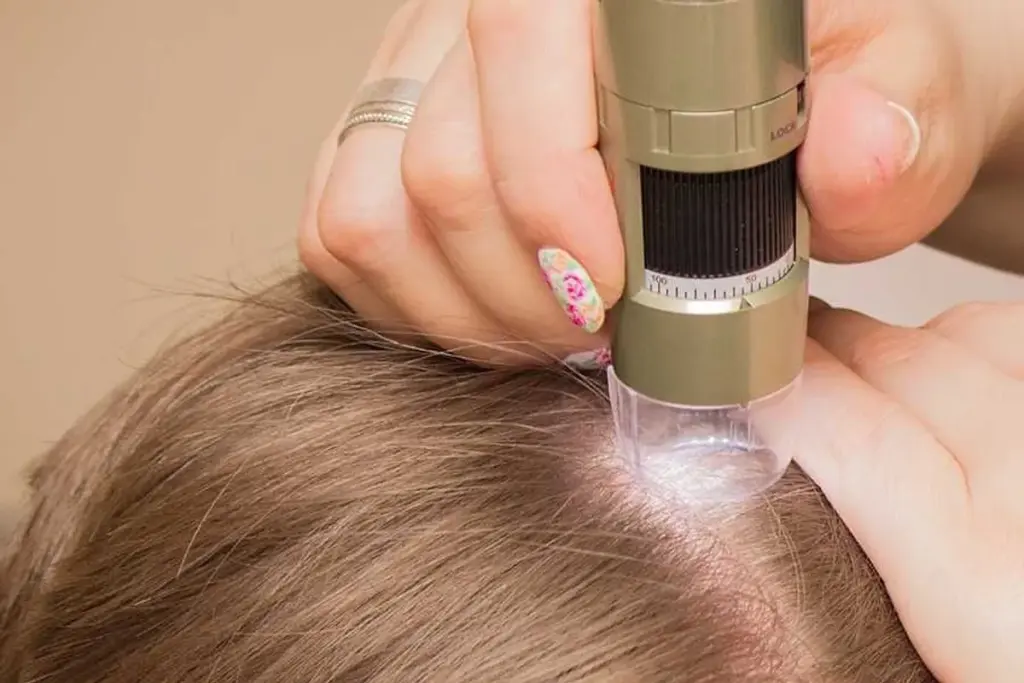
- Trichoscopy or other tests to check hair and scalp health.
Using these tests and acting quickly helps with effective hair falling treatment for men. It also teaches how to prevent hair loss well.
In short, acting early is essential for hair regrowth. Knowing when to act and spotting good signs helps fight hair loss.
Topical Treatments: Minoxidil and Beyond
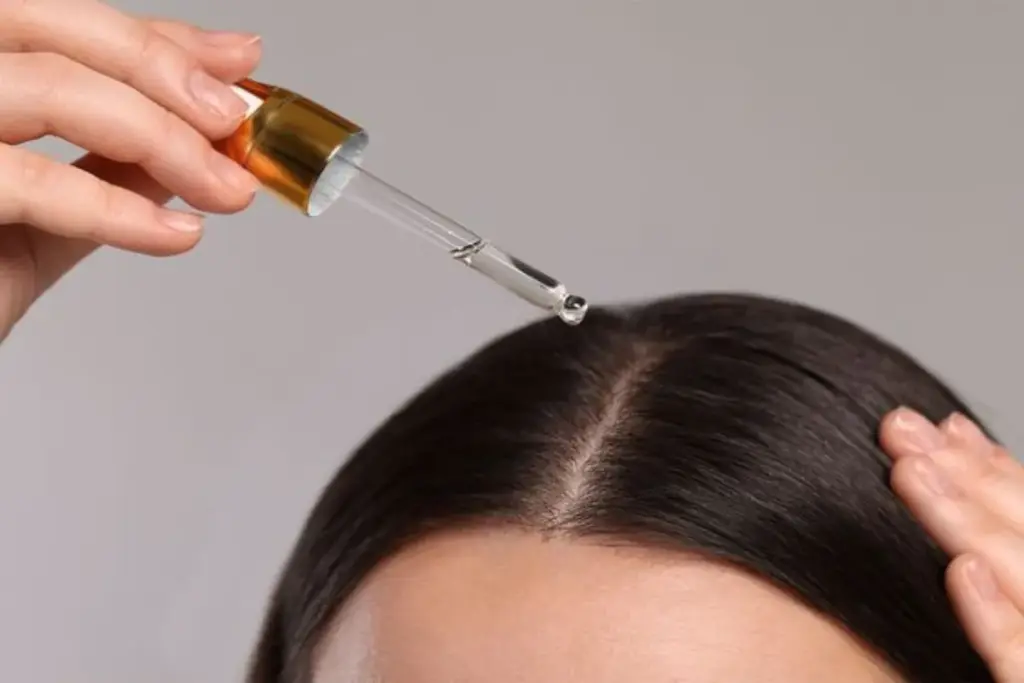
Minoxidil is a well-known topical treatment that helps grow hair. It’s used to treat hair loss and has been studied a lot.
How Minoxidil Works
Minoxidil makes hair follicles bigger and keeps them growing longer. It’s known to work well against androgenetic alopecia.
When you put minoxidil on your scalp, it gets absorbed. It’s thought to improve blood flow, which helps the follicles grow hair.
Application Methods and Expected Results
Using minoxidil is easy. Just apply it twice a day to your scalp. Being consistent is important for seeing results, which can take months.
|
Treatment Duration |
Expected Results |
|---|---|
|
3-4 months |
Initial signs of hair regrowth or stabilization of hair loss |
|
6-12 months |
Noticeable improvement in hair density and thickness |
Other Topical Solutions
There are other topical treatments being looked at for hair growth. These include natural extracts and compounds that help nourish the scalp.
Some studies suggest using low-level laser therapy (LLLT) with these treatments can make them work better.
In summary, topical treatments like minoxidil are good for hair loss. Knowing how they work and what to expect helps you make better choices for your hair.
Advanced Procedures: Microneedling, FRF, and PRP Therapy
Hair regrowth can be boosted by new treatments like microneedling, Fractional Radiofrequency (FRF), and Platelet-Rich Plasma (PRP) therapy. These methods have shown great promise in helping people with thinning hair. They offer new hope for those dealing with hair loss.
Microneedling Combined with Minoxidil: Superior Results
Microneedling, paired with minoxidil, can improve hair growth. This method uses tiny needles to make small injuries in the scalp. It boosts collagen and helps minoxidil work better. The mix of microneedling and minoxidil can lead to better results than minoxidil alone.
A top dermatologist says, “Microneedling with minoxidil is a game-changer for hair growth. It’s a non-surgical fix with little downtime.” This combo tackles both the biological and physical sides of hair loss.
Fractional Radiofrequency (FRF): 31.6% Boost in Hair Counts
Fractional Radiofrequency (FRF) has been shown to increase hair counts by 31.6%. FRF sends controlled heat to the scalp. It helps hair grow by making follicles healthier.
FRF is non-invasive, making it appealing to those avoiding surgery. It’s great for those in the early stages of hair thinning.
Platelet-Rich Plasma (PRP): 31% Increase in Hair Density within 12 Weeks
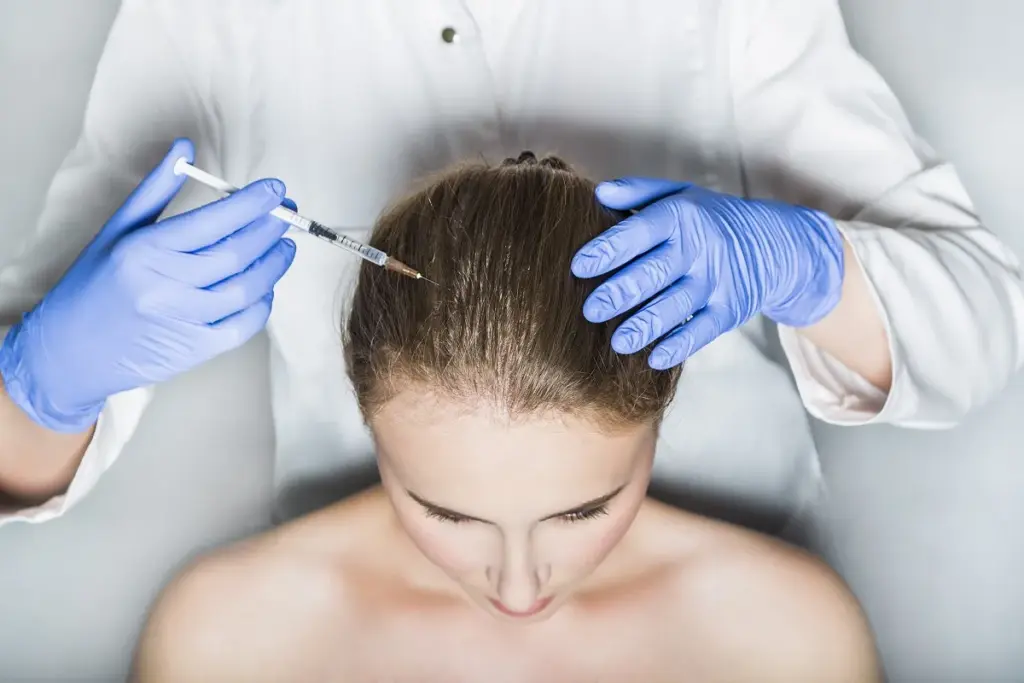
Platelet-Rich Plasma (PRP) therapy uses the patient’s own blood to inject platelet-rich plasma into the scalp. Studies show a 31% increase in hair density in 12 weeks. It’s praised for being safe, as it uses the patient’s own blood.
PRP therapy is effective because it stimulates natural healing. It promotes hair growth by releasing growth factors.
By exploring these advanced treatments, people with thinning hair can make better choices. Options like microneedling, FRF, or PRP therapy offer effective ways to grow hair.
Nutritional Approaches to Combat Hair Thinning
A healthy scalp is key for growing strong hair. Some nutrients are great for fighting thinning hair. Eating a balanced diet is important for hair health.
Essential Vitamins and Minerals for Hair Health
Vitamins and minerals are vital for hair growth. Vitamin C helps make collagen, which strengthens hair. Biotin turns protein into energy, helping hair grow. Iron and zinc support the hair cycle and keep follicles healthy.
- Vitamin C: Boosts collagen production
- Biotin: Converts protein into energy for hair growth
- Iron: Supports the hair growth cycle
- Zinc: Maintains healthy hair follicles
Marine Protein Supplements: A Boost for Hair Regrowth
Marine protein supplements help hair grow. They can make hair grow up to 100% more for women. Marine proteins have compounds that boost hair growth.
Dietary Changes That Support Hair Regrowth
Changing your diet can also help your hair. Eating foods with omega-3s, like salmon, and antioxidants, like berries, helps. Foods rich in vitamins and minerals, like those mentioned, fight hair thinning.
- Increase intake of omega-3 fatty acids
- Consume foods high in antioxidants
- Ensure adequate vitamin and mineral intake
By focusing on these nutritional steps, you can fight hair thinning and grow healthy hair.
Psychological Impact and Managing Expectations
Hair loss can really upset you, affecting how you feel inside and out. It can make you feel less confident and less about yourself.
Coping with Hair Loss and Treatment Timelines
Dealing with hair loss means knowing about treatment and what to expect. Remember, growing hair back takes time and effort.
- Knowing how long treatment will take helps set achievable goals.
- Getting support from loved ones or groups can really help.
- Learning about new treatments and how well they work can also manage your hopes.
Setting Realistic Goals for Regrowth
It’s important to set goals that are realistic when you’re treating hair loss. You need to know what each treatment can do and when you might see results.
Support Resources for Hair Loss Patients
There are many places where you can find help if you’re losing your hair. You can talk to counselors, join groups, or look at online forums. These places offer emotional support and tips on dealing with hair loss.
Cutting-Edge Treatments at Specialized Centers Like Liv Hospital
Liv Hospital leads in hair restoration with the latest medical tech. We know hair loss is stressful. Our goal is to offer effective, personalized solutions.
Multidimensional Treatment Approaches
At Liv Hospital, we treat hair loss in many ways. We mix different treatments to tackle the problem from all sides. Our team uses topical treatments, microneedling, PRP therapy, and nutrition advice for a custom plan.
Our approach aims to grow hair and improve its health. We tackle the root causes of hair loss. This way, patients get lasting results.
Internationally Competitive Medical Outcomes
We’re proud of our top-notch medical results. Our specialists keep up with new hair restoration tech. For example, our Fractional Radiofrequency (FRF) treatment has shown a 31.6% boost in hair counts.
|
Treatment |
Success Rate |
Key Benefits |
|---|---|---|
|
Microneedling with Minoxidil |
Superior results |
Enhanced hair regrowth, improved scalp health |
|
PRP Therapy |
31% increase in hair density within 12 weeks |
Stimulates hair growth, improves hair density |
|
Fractional Radiofrequency (FRF) |
31.6% boost in hair counts |
Promotes hair growth, enhances scalp vitality |
Personalized Treatment Plans for Optimal Results
At Liv Hospital, we focus on personalized plans. Our specialists work with patients to create strategies that meet their needs. For more info on treating hair loss, check out the American Academy of Dermatology’s guide.
We combine advanced treatments with a personal touch for the best results. Our goal is to not just grow hair but also improve overall well-being. We want our patients to feel confident and supported.
Conclusion: Taking Action Against Hair Thinning
Understanding hair thinning is key to solving this common problem. We’ve seen how genetics, hormones, and the environment play a role. Thankfully, early action and the right treatment can help grow hair back and improve its health.
We’ve looked at different treatments, like minoxidil and microneedling. We also talked about how nutrition and specialized care can help. Places like Liv Hospital offer detailed plans and personal care, boosting hair growth chances.
By acting early and getting professional advice, people with thinning hair can make smart choices. We urge those dealing with hair loss to talk to doctors. This way, they can find the best treatment and start growing a fuller, healthier head of hair.
FAQ
What causes hair thinning?
Hair thinning can come from many sources. These include genetics, hormonal imbalances, and certain health issues. Our team is ready to help you find the cause and create a treatment plan just for you.
Can hair regrow after thinning?
Yes, hair can grow back after thinning. But, how likely it is depends on the cause and when you start treatment. We offer various treatments to help your hair grow back.
How does minoxidil work to stimulate hair regrowth?
Minoxidil is a topical treatment that makes hair follicles wider. It also makes the growth phase longer. This leads to more hair growth and density. We suggest using minoxidil as part of a full treatment plan.
What are the benefits of microneedling, FRF, and PRP therapy for hair regrowth?
Microneedling, FRF, and PRP therapy can help hair grow by boosting collagen and blood flow. They work well with other treatments and nutrition to get better results.
What nutritional approaches can help combat hair thinning?
Vitamins like biotin, vitamin D, and iron are key for healthy hair. We also suggest marine protein supplements and diet changes for hair growth. Our team can create a nutrition plan for you.
How can I cope with the psychological impact of hair loss?
Hair loss can affect your mood. Setting realistic goals, talking to loved ones, and trying counseling can help. Our team is here to support you.
What are the benefits of seeking treatment at a specialized center like Liv Hospital?
Places like Liv Hospital offer detailed treatment plans and top-notch care. Our experts will create a plan just for you, based on your needs and goals.
How long does it take to see results from hair regrowth treatments?
Results from hair treatments vary. It’s important to be patient and keep up with treatment. It may take months to a year or more to see results.
Can I prevent hair loss?
Some hair loss is unavoidable, but you can lower your risk. Eating well, managing stress, and using gentle hair products can help. Our team can help you find ways to reduce your risk.
How can I thicken my thin hair?
There are many ways to treat thin hair, including treatments, procedures, and diet changes. Our team can help find the best treatment for you.
Is hair regrowth possible for women experiencing hair thinning?
Yes, women can regrow hair after thinning. We offer treatments like topical solutions, advanced procedures, and nutrition plans to help. These can improve hair density and growth.
References
National Institutes of Health: https://pmc.ncbi.nlm.nih.gov/articles/PMC3509882/



 Departments
 Related Videos
 Our Doctors
 News
News