Hair transplant surgery restores hair density using advanced FUE and DHI techniques. Learn about the procedure, diagnosis of hair loss, and recovery process.
Send us all your questions or requests, and our expert team will assist you.
Once the recovery period has passed and the new eyebrows have grown in, the journey is not over. In fact, a new relationship with your eyebrows begins. Because the transplanted hair comes from the scalp, it behaves differently than natural eyebrow hair. It retains the DNA of head hair, meaning it grows faster and longer. This biological reality necessitates a lifelong commitment to grooming and maintenance. While the transplanted brows are permanent and won’t fall out, keeping them looking manicured and natural requires regular attention. This section outlines the essential maintenance routine, styling tips, and long-term care strategies that ensure your investment continues to enhance your face for years to come.

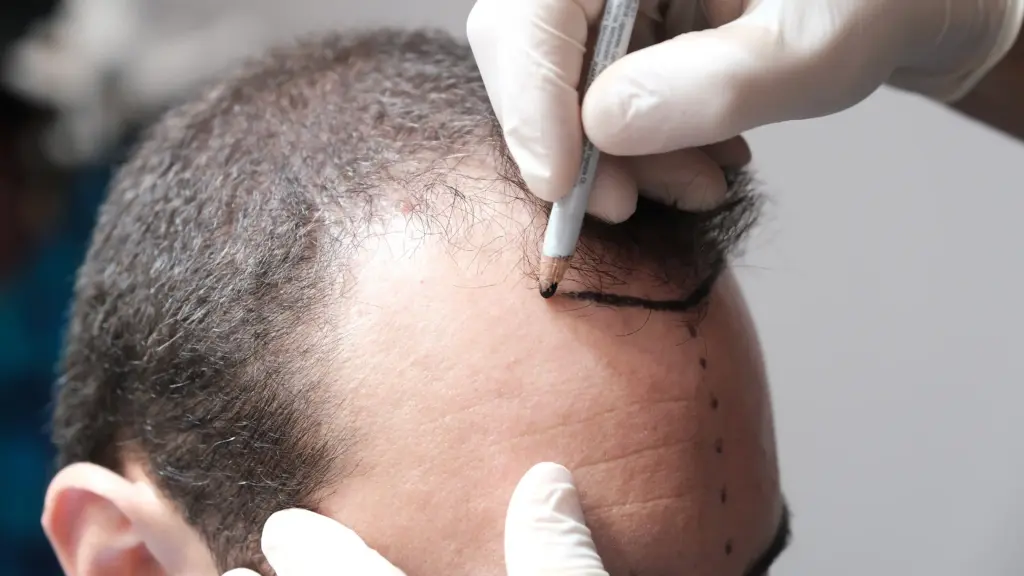
The most significant difference between natural eyebrow hair and transplanted scalp hair is the growth cycle. Natural eyebrow hair grows for a few months and falls out before it gets too long. Scalp hair, however, can grow for years and reach outstanding lengths. Consequently, your new eyebrows will grow and maintain their shape similarly to the hair on your head.
Maintenance involves trimming the eyebrows regularly. Most patients find they need to trim their brows once every week or two. This is done using small, sharp grooming scissors. You brush the hairs upward and snip the tips that extend beyond the desired brow line. It is a simple habit, similar to trimming fingernails, but it is non-negotiable. If left untrimmed, the eyebrow hairs can become unruly and long, detracting from the aesthetic result.


When scalp hair is moved to the brow, it sometimes wants to stand up or curl slightly rather than lie flat against the skin, like natural brow hair. Although the surgeon places the grafts at a sharp angle to minimize this, some “training” is often required during the first year of growth.
Patients can train their brows by using clear eyebrow gel or wax. Applying the gel and brushing the hairs in the desired direction (usually outward and slightly downward at the tail) helps the hair follicles settle into that alignment over time. Some patients also use their fingertips to firmly smooth the brows down for a few minutes each day. This mechanical pressure helps the hair follicles “learn” their new orientation. Over time, the hair tends to conform more naturally to the flat contour of the brow bone.
Once the transplants are fully mature (after about a year), they can be treated just like natural hair. This means you can use a variety of products to enhance their look. Clear or tinted brow gels are excellent for holding the hairs in place throughout the day. Pomades and waxes offer a stronger hold for unruly hairs.
While the transplant provides hair, some patients still like to use a pencil or powder to add background color or sharpness to the shape, especially for evening looks. The key is to be gentle. Avoid harsh pulling or aggressive scrubbing when removing makeup. The goal is to polish the look, not to stress the follicles.
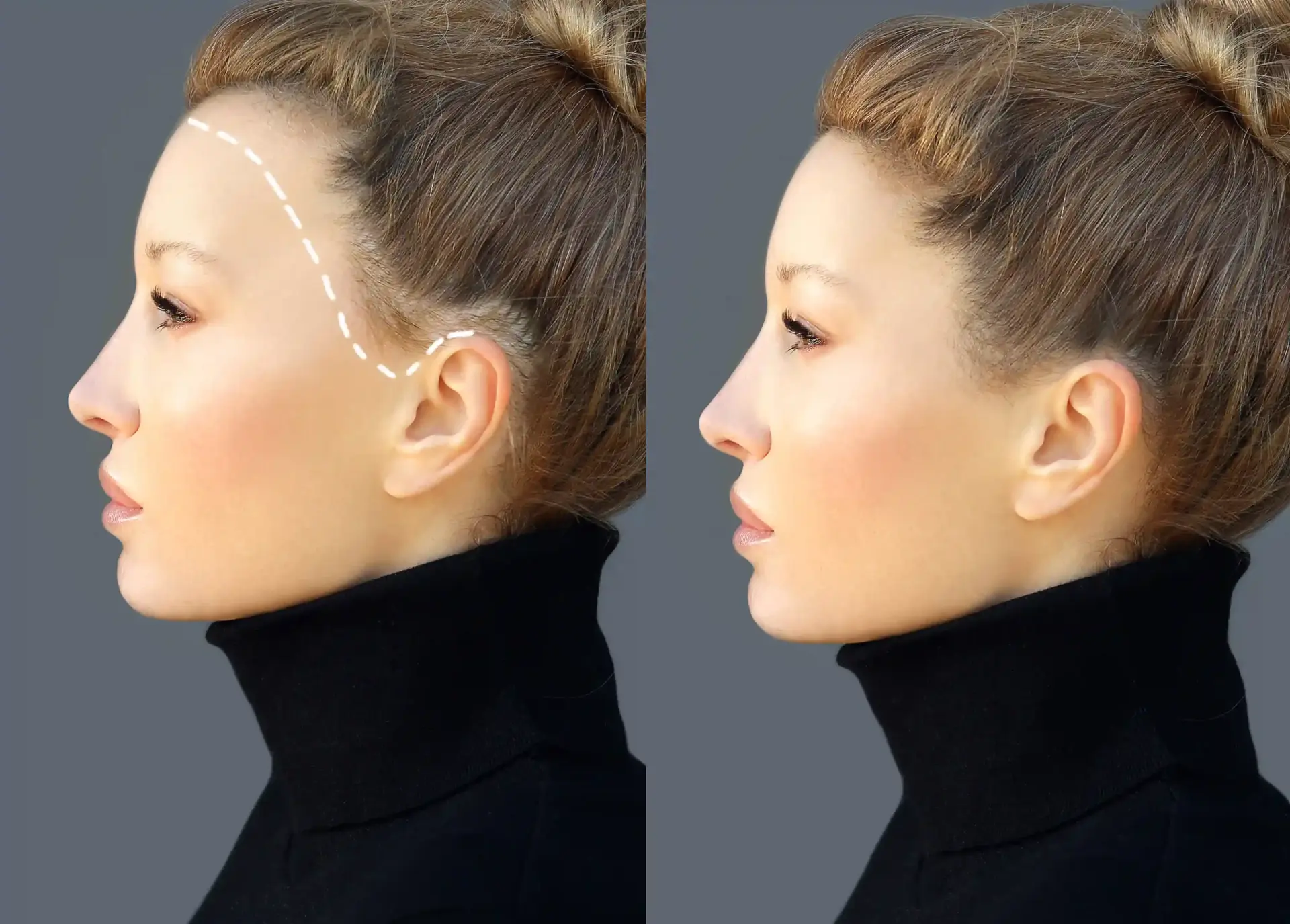
Occasionally, there is a slight mismatch in color between the hair on the head and the natural eyebrow color, or the transplanted hair might start to go gray as the patient ages. Because the transplanted hair is real hair, it can be dyed.
Tinting the eyebrows is a safe and effective way to unify the color and make the brows look fuller. It is recommended to have this done by a professional to ensure the dye is safe for the face and eyes. If the donor hair turns gray with age, the eyebrows will also turn gray. Tinting offers a simple solution to cover gray hairs and maintain a youthful appearance. This flexibility is one of the major advantages of a transplant over tattooing, which can fade to unnatural colors like blue or orange over time.
The health of your eyebrows reflects the health of your body. To keep the transplanted hair shiny and strong, good nutrition is helpful. A diet rich in vitamins and minerals supports the hair growth cycle.
While the transplant is permanent, the face continues to age. As skin loses elasticity, the position of the brow might shift slightly over decades. This is a natural process. Occasionally, a patient might desire a “touch-up” procedure years later to add density or slightly adjust the shape as their face changes.
Additionally, patients should monitor for any ingrown hairs. Because the new hairs are sometimes thicker than natural brow hairs, they can occasionally become trapped under the skin. Gentle exfoliation once the brows are fully healed can help prevent this. If a cyst or persistent ingrown hair develops, seeing a dermatologist is the best course of action.
Occasionally, a transplanted hair might have a different texture perhaps coarser or curlier than its neighbors. This is sometimes called a “wild hair.” It can stand out and refuse to lie flat.
If training with gel doesn’t work, the simplest solution is to keep that specific hair trimmed shorter than the others. In rare cases, if a hair is persistently problematic, it can be plucked. However, plucking should be done sparingly, as repeated plucking can kill the follicle permanently. Most textural differences soften over time as the hair adapts to its new location and is subjected to regular trimming.

Send us all your questions or requests, and our expert team will assist you.
Yes, you can wax or thread the stray hairs around the design to keep the shape clean. However, avoid removing the transplanted hairs themselves, as you don’t want to lose the density you paid for.
Generally, no. It retains its “scalp hair” DNA and will continue to grow long. You will likely need to trim them for the rest of your life.
It is better to use products designed for eyebrows, like brow gel. Hairspray can be drying to the skin and may irritate the eyes.
Minor adjustments can be made with laser hair removal or electrolysis to remove unwanted hairs. However, adding hair requires another surgery, which is why the initial design phase is so critical.
They will thin out at the same rate as the hair on the back of your head. Since that hair is usually very resilient, your eyebrows should remain thick well into old age.


Leave your phone number and our medical team will call you back to discuss your healthcare needs and answer all your questions.
Your Comparison List (you must select at least 2 packages)