Hair transplant surgery restores hair density using advanced FUE and DHI techniques. Learn about the procedure, diagnosis of hair loss, and recovery process.
Send us all your questions or requests, and our expert team will assist you.
The FUE hair transplant recovery process follows a fairly predictable pattern, from the first 24 hours after surgery to full results over 12–18 months. Most patients can return to light daily activities within a week, while the hair growth phase takes several months as the follicles cycle through shedding and regrowth. Knowing what to expect, and how to care for your scalp during each phase, helps you protect your grafts and avoid unnecessary anxiety. At Liv Hospital, you receive detailed instructions and follow‑up support to guide you through each step of recovery.
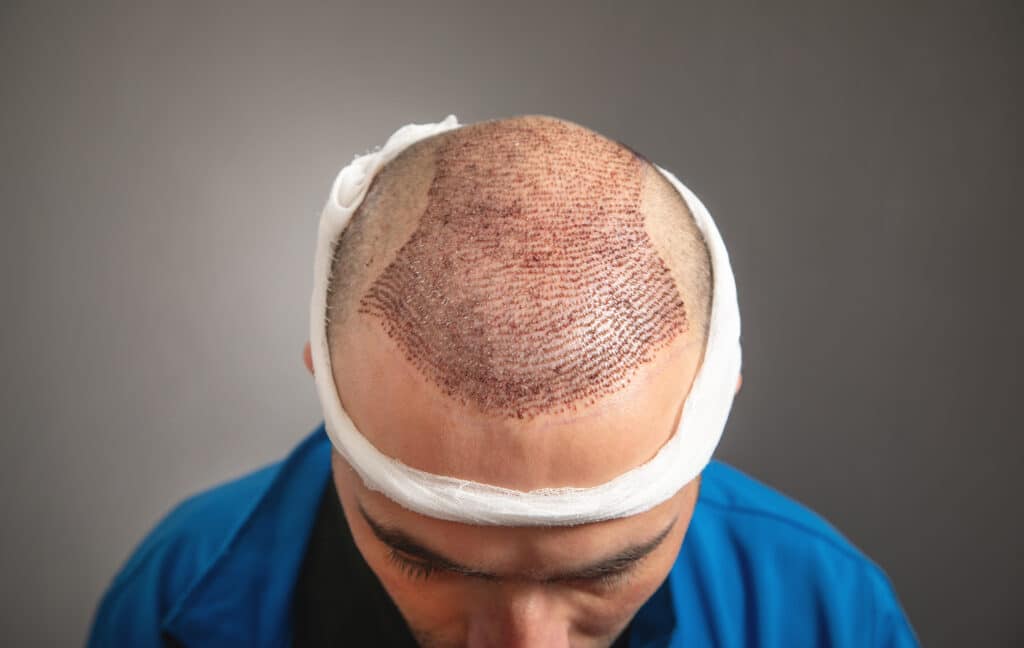
Donor area may be lightly bandaged; recipient area is usually left uncovered
Rest and sleep with your head elevated
Avoid touching or rubbing the grafts
Use prescribed sprays or saline to keep the area clean and moist
Pain is usually mild and controlled with simple medication
A follow-up visit is often scheduled for the first wash and care guidance
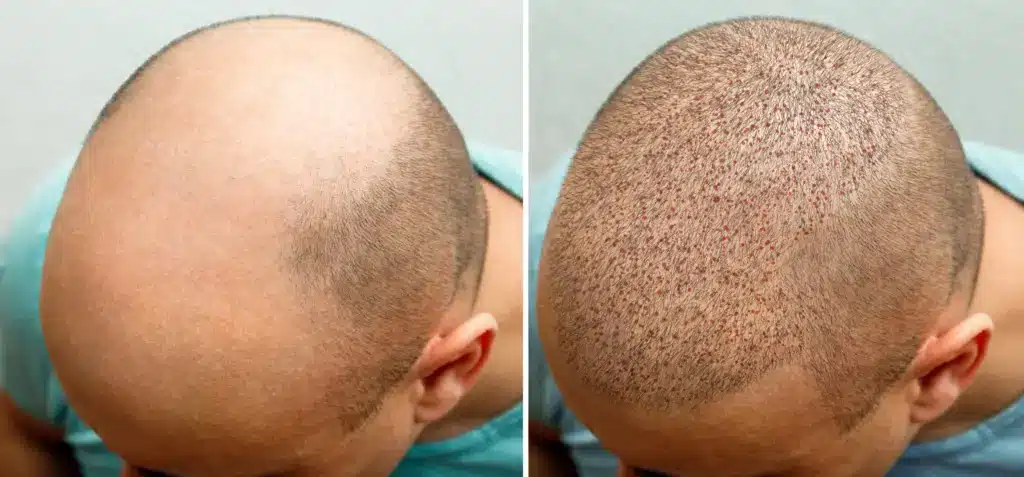
Small crusts and scabs form during the first week and gradually fall off with instructed washing
Redness in the donor and recipient areas usually improves significantly by days 7–10
Redness may last longer in patients with very fair or sensitive skin
Many patients feel comfortable returning to office-type work within 5–7 days
Heavy physical activity or jobs with risk of head impact should still be avoided
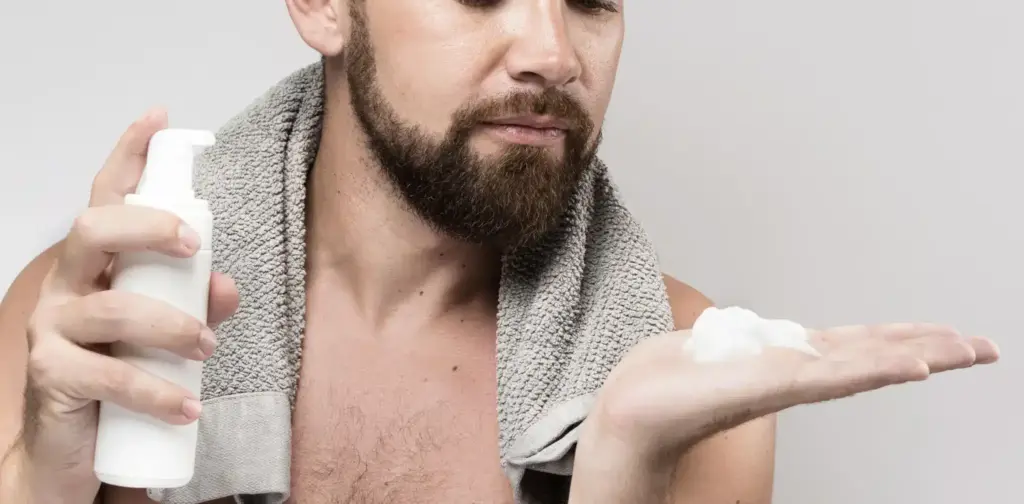
Gentle shampoo is used, with pouring or dabbing instead of rubbing
Scratching or using fingernails on the transplanted area should be avoided
Direct sun exposure, saunas, swimming pools, and intense exercise are avoided during this phase
By the end of the second week, most visible scabs are gone, though mild redness or pinkness may persist
Around weeks 2–4, many patients notice that the transplanted hairs begin to shed, which can be alarming if they are not expecting it. This “shock loss” phase is normal, as the follicles temporarily enter a resting (telogen) phase after the stress of surgery. The follicles remain in the skin and, over time, restart the growth cycle to produce new hairs.
It is also possible to see some shedding of existing native hairs around the transplant site, especially in areas that were already thinning; this usually recovers as the area stabilizes. Patients are encouraged to be patient during this period and to continue any recommended medications or supportive treatments designed to protect native hair and optimize regrowth.
Send us all your questions or requests, and our expert team will assist you.
Identifying the cause is critical because hair transplantation is primarily effective for genetic hair loss, whereas other causes may require medical therapy first.
New hair growth generally starts to become visible around 3–4 months after FUE, initially appearing as fine, thin strands that may be lighter in color. Between months 4 and 6, more grafts “wake up,” and you begin to see more consistent coverage and early improvements in density. By 6–9 months, many patients notice significant thickening, with a large proportion of the final cosmetic result visible, even though the hairs will continue to mature.
From 10–12 months and beyond, the hair usually becomes thicker, darker, and more like your natural texture, with most patients seeing their full result by around 12 months and some continuing subtle improvement up to 18 months. The exact timeline varies between individuals depending on factors like age, healing speed, hair characteristics, and adherence to aftercare and medical therapy.
Most people can return to desk work within about 5–7 days, once swelling has settled and early scabbing is less visible. Jobs involving heavy physical labor, bending, or risk of hitting the head may require a longer break, often 10–14 days or more, based on your surgeon’s advice. Light walking is usually encouraged early to support circulation, while strenuous exercise, weightlifting, and contact sports are typically postponed for at least 2–3 weeks to avoid dislodging grafts or increasing swelling.
Swimming in pools or the sea, using hot tubs, and spending long periods in the sun are commonly restricted for several weeks until the scalp surface has healed and the risk of infection or irritation is low. Your surgeon will give specific timelines based on your procedure details, healing progress, and travel plans if you are returning home shortly after surgery.
Temporary side effects after FUE can include swelling of the forehead and eyelids, tightness or numbness in the donor area, and a feeling of mild itching as the skin heals. Small crusts, redness, and a “sunburned” appearance of the scalp are also normal early on and typically improve within the first 1–2 weeks. Some patients experience temporary “shock loss” of existing hair around the transplant, which usually regrows in the months that follow.
Serious complications are rare but can include infection, prolonged redness, persistent numbness, or visible scarring, especially if aftercare instructions are not followed or if underlying health issues are not well controlled. Contacting your medical team promptly if you notice increasing pain, pus, spreading redness, or other concerning changes is important for early management.
At Liv Hospital, the FUE hair transplant recovery process is supported by structured follow‑up visits and clear written instructions tailored to international patients. In the early period, you receive guidance on washing, sleeping position, allowed activities, and medications for pain and swelling. Nurses and physicians review photos of your scalp when needed and adjust your care plan if you experience unusual redness, itching, or other symptoms.
After you return home, telemedicine follow‑ups can be arranged to monitor progress at key milestones such as 1 month, 3–4 months, 6 months, and 12 months. During these visits, your team can discuss hair growth, medical treatments to protect native hair, and any questions about styling or future procedures.
About 3–7 nights to reduce swelling and protect grafts.
Gentle washing starts within days; normal washing after 10–14 days.
Scabs and redness fade within 1–2 weeks. After that, most changes are easy to hide.
Light activity is fine early on. Intense exercise after 2–3 weeks, contact sports later.
Yes. Small bumps can appear as hair grows and are usually temporary.
Leave your phone number and our medical team will call you back to discuss your healthcare needs and answer all your questions.
Your Comparison List (you must select at least 2 packages)