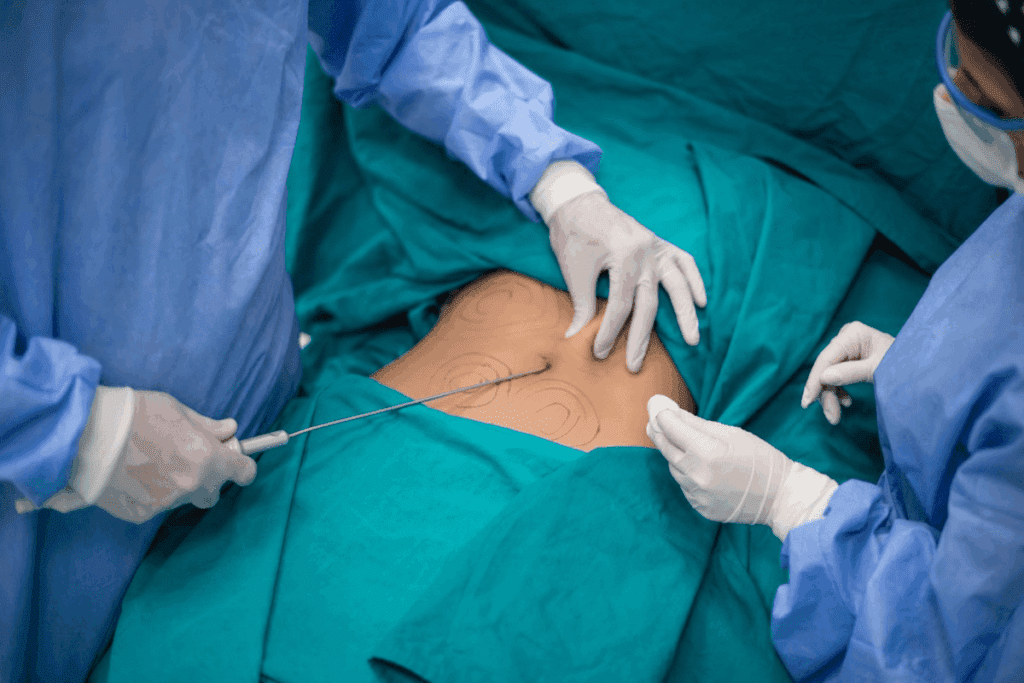
Comparing procedures to identify the safest weight surgery based on lowest complication rates and mortality. Discussing the hardest part bariatric surgery, often the psychological and dietary adjustments, not the pain. Bariatric surgery is a big step towards losing weight and improving health. But, it comes with its own set of challenges.
In 2020, nearly 252,000 bariatric surgeries were done in the U.S. This shows more people are choosing this weight loss method. Yet, the path to losing weight through surgery is not just about the surgery itself.
The journey starts with pre-surgery preparation. This is key to getting the best results and avoiding problems. Knowing the challenges of bariatric surgery helps patients get ready.
Key Takeaways
- Bariatric surgery is a major operation that requires significant lifestyle changes.
- Pre-surgery preparation is critical for a successful outcome.
- Understanding the challenges of bariatric surgery helps patients prepare.
- The journey to successful weight loss involves more than just the surgery.
- Proper preparation minimizes possible complications.
Understanding Bariatric Surgery: An Overview
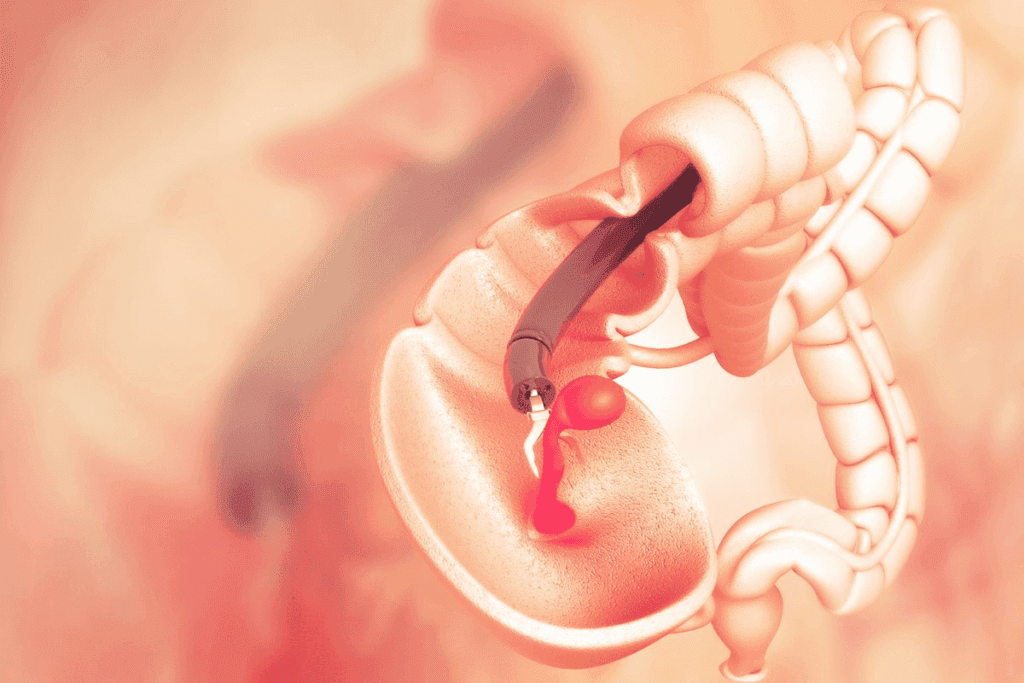
Bariatric surgery is a group of procedures aimed at helping people lose a lot of weight. These surgeries are for those who haven’t lost enough weight with other methods. The main goal is to lose weight and also improve health problems.
Types of Weight Loss Surgeries
There are many types of bariatric surgeries, each with its own benefits and things to consider. The most common ones are:
- Adjustable gastric banding
- Gastric bypass surgery
- Sleeve gastrectomy
Each surgery has its own way of helping patients reach their weight loss goals.
How Bariatric Procedures Work
Bariatric procedures work in different ways. They can either limit how much food the stomach can hold or bypass part of the small intestine. This helps with weight loss and also manages conditions like type 2 diabetes and high blood pressure.
Procedure | Description | Benefits |
Adjustable Gastric Banding | Restrictive procedure that limits food intake | Reversible, adjustable |
Gastric Bypass Surgery | Combination of restriction and malabsorption | Significant weight loss, improvement in comorbidities |
Sleeve Gastrectomy | Restrictive procedure that removes a portion of the stomach | Effective for weight loss, reduces hunger |
Pre-Surgery Challenges: Mental and Physical Preparation
The path to bariatric surgery is filled with hurdles, both physical and mental. Patients face a tough journey before the surgery. They need to prepare well to have a good outcome.
First, patients must go through medical evaluations and requirements. They need tests to check their health and find any surgery risks. These tests include blood work and imaging to understand their health fully.
Medical Evaluations and Requirements
Medical checks are key to see if surgery is right for the patient. They help doctors spot any health issues that might make surgery or recovery harder. Knowing the patient’s health helps doctors plan to reduce risks and improve results.
Insurance and Financial Hurdles
Dealing with insurance and money is another big challenge. Patients must check if their insurance covers the surgery and what they’ll have to pay. Getting help with finances can make it easier to decide on care.
Psychological Readiness Assessment
A mental check is also important. It helps see if the patient is ready for surgery and the lifestyle changes that come with it. It’s a chance to talk about mental health issues and find ways to deal with them.
By facing these challenges, patients can set themselves up for success. This is a key time for preparing for the big changes that come after surgery.
The Hardest Part Bariatric Patients Face Before Surgery
Bariatric patients face many challenges before surgery. These include strict diets and managing anxiety. Getting ready for bariatric surgery means making big lifestyle changes.
The time before surgery is very important. Patients must follow a strict diet and manage their anxiety. These steps are key to a safe and successful surgery.
Strict Pre-Op Liquid Diet Compliance
Following a strict liquid diet is a big challenge. This diet is important to reduce surgery risks. Patients often find it hard to eat only liquids for a long time.
To deal with this, staying hydrated is key. Exploring liquid nutrition options helps too. Understanding the diet’s role in surgery success is also important.
Managing anxiety and fears about surgery is a significant challenge for many patients. Managing anxiety and surgery fears is vital for mental health.
Relaxation techniques like deep breathing and meditation help. Counseling is also beneficial. Support from loved ones and groups is essential for emotional support.
Immediate Post-Surgery Difficulties
Bariatric surgery patients face many challenges right after surgery. They must adjust to big changes in their body and life. This recovery time is very important.
Pain and Discomfort Management
Managing pain is key right after surgery. Doctors give pain meds to help. It’s important to take these meds as told to manage pain well.
Navigating Liquid and Pureed Food Phases
Patients must follow a strict diet after surgery. They start with liquids and then move to pureed foods. This helps the stomach heal and prevents problems. They need to stick to their diet plan from their healthcare team.
Medication Adherence Challenges
It’s vital to take all meds as told to recover well. These meds help with pain, prevent infection, and aid healing. Knowing the side effects and talking to the doctor about them is also important.
Dealing with Early Complications
Though rare, complications can happen early on. These might include infection, bleeding, or bad reactions to anesthesia. Patients should watch for signs and get help right away if they see them.
The following table summarizes key aspects of immediate post-surgery care:
Aspect of Care | Description | Importance |
Pain Management | Following prescribed pain medication regimen | High |
Dietary Progression | Adhering to liquid and pureed food phases | High |
Medication Adherence | Taking prescribed medications as directed | High |
Monitoring for Complications | Being aware of and reporting symptoms of complications | High |
Nutritional Challenges After Bariatric Surgery
After bariatric surgery, patients face many nutritional challenges. They must follow a strict diet to recover well and lose weight. This means big changes in how they eat.
Meeting Strict Protein Intake Requirements
One big challenge is getting enough protein. Patients need a lot of protein to heal and keep muscle. Not getting enough can cause muscle loss and slow healing.
Vitamin and Mineral Supplementation Regimen
Patients might not absorb all vitamins and minerals well after surgery. They need a strict supplement plan to avoid problems like anemia and weak bones. It’s important to keep an eye on this plan and make changes as needed.
Avoiding Sugar and Carbonated Drinks
It’s also hard to avoid sugar and carbonated drinks. These can cause dumping syndrome, with symptoms like nausea and diarrhea. Patients must carefully choose what they eat and drink, looking for things that are low in sugar and not carbonated.
Portion Control Difficulties
Portion control is another big challenge. With a smaller stomach, patients can only eat small amounts. Learning to eat the right amounts is key to feeling good and getting enough nutrients.
A healthcare expert says, “The way to beat these challenges is with a good diet and following doctor’s advice.”
“The nutritional challenges after bariatric surgery are significant, but with the right guidance and support, patients can navigate these challenges effectively and achieve their weight loss goals.”
Physical Recovery and Activity Demands
Knowing the physical needs after bariatric surgery is key for a good recovery. Patients must understand the challenges they will face. They also need to know how to handle these challenges well.
Long Recovery Time Expectations
The recovery time after bariatric surgery can vary. It usually takes weeks to months to get back to full strength and mobility. It’s important for patients to have realistic expectations.
They should plan to take time off work. They also need to arrange for support during this time.
Recovery Stage | Expected Recovery Time | Activities Allowed |
Immediate Post-Surgery | 1-2 weeks | Limited mobility, mostly rest |
Early Recovery | 2-6 weeks | Gradual increase in light activities |
Late Recovery | 6-12 weeks | Progressive increase in physical activities, including exercise |
Implementing Daily Exercise Routines
After getting the green light from their doctor, patients should start with light activities. They should then gradually move to more challenging exercises. Starting a daily exercise routine is important.
It helps keep weight off, improves health, and boosts mental well-being. Begin with short walks and simple stretches. Then, move to jogging or weight training as your body gets stronger.
By understanding the recovery process and adding physical activity to their daily routine, bariatric surgery patients can greatly improve their outcomes. They can also enhance their quality of life after surgery.
Psychological and Emotional Hurdles
Patients going through bariatric surgery face many psychological and emotional challenges. These can be as tough as the physical changes they experience. Getting ready for these changes needs a full approach, including mental and emotional prep.
Body Image Adjustments
Changing how you see your body is a big psychological hurdle. The quick weight loss and new body shape can hurt self-esteem and identity. Support groups and counseling are key in helping patients deal with these changes.
Controlling Emotional Eating Triggers
Emotional eating is a big challenge after bariatric surgery. It’s important to know and control what makes you eat emotionally. Using mindful eating and keeping a food diary can help you understand and change your eating habits.
Depression and Anxiety Management
After surgery, many feel sad or anxious. It’s vital to manage these feelings for the surgery to be successful. If you feel down or anxious a lot, seek help from a professional.
Food Craving Issues and Coping Strategies
Craving certain foods is a big challenge after surgery. To deal with cravings, stay hydrated, eat regularly, and avoid foods that trigger you. Planning ahead and having healthy food options can also help a lot.
By tackling these psychological and emotional hurdles, patients can better manage their journey to a healthier weight and better well-being.
Social Challenges and Relationship Changes
After bariatric surgery, you face more than just physical recovery. You also need to adjust to new social situations. Your interactions and relationships with others will likely change a lot.
Navigating Dining Out and Social Gatherings
Going out to eat and attending social events can be tough after surgery. You’ll need to watch what you eat and how much. This might make you feel like you don’t fit in with others.
- Plan ahead by checking menus online before dining out.
- Choose restaurants that offer healthy options.
- Be prepared to explain your dietary needs to others.
Talking to people who have gone through the same thing can be really helpful. They can give you advice and support.
Changing Dynamics with Family and Friends
Bariatric surgery can change how you relate to family and friends. As you start eating differently and living healthier, some relationships might change too.
Key considerations include:
- Communicating openly with loved ones about your needs and changes.
- Setting boundaries when necessary to maintain your health goals.
- Seeking support from those who understand and support your journey.
Being open and proactive can help you deal with these changes. This way, you can keep your relationships healthy and supportive.
Long-Term Lifestyle Adaptation Difficulties
The journey after bariatric surgery is just the start. It’s a long-term process of adapting to new habits. Patients must be ready for big changes that will last for years.
One big challenge is keeping up with diet discipline over time. It’s easy to slack off after losing weight. But, it’s key to keep following a strict diet plan.
Diet Discipline Issues Over Time
As time goes on, it gets harder to follow diet rules. Patients might feel diet fatigue. This means the constant rules feel too much mentally and emotionally.
Regular counseling and support groups can help. They keep patients motivated and on track.
Adapting New Habits Permanently
Changing eating habits and adding exercise to daily life is key for lasting success. It’s not just about changing what you do. It’s about changing how you think about food and exercise.
Keeping a food and exercise diary is a good idea. It helps track progress and find areas to improve.
Preventing Weight Regain
Stopping weight regain is a big worry for bariatric patients. It can be done by sticking to a diet, exercising regularly, and seeing doctors often.
Strategy | Description | Benefits |
Dietary Discipline | Following a strict dietary regimen | Weight loss maintenance, improved overall health |
Regular Exercise | Incorporating physical activity into daily routines | Improved physical health, mental well-being |
Ongoing Medical Follow-Up | Regular check-ups with healthcare professionals | Early detection of possible problems, help in keeping weight off |
Understanding the challenges of long-term lifestyle changes is key. With the right strategies, bariatric patients can achieve lasting success.
Medical Follow-Up and Ongoing Care Challenges
Ongoing care is key after bariatric surgery for lasting success. Patients must follow a lifelong care plan. This plan helps monitor health and handle any complications that come up.
Importance of Regular Follow-up Visits
Regular check-ups are vital for tracking patient health and spotting problems early. These visits help healthcare teams see how patients are doing. They also offer advice on diet and lifestyle and adjust care plans as needed. As “Regular follow-up care is key for keeping weight off and improving health.”
At these visits, patients get checked for nutritional issues and see how much weight they’ve lost. They can also talk about any worries or questions they have.
Managing Possible Long-term Complications
Bariatric surgery patients face risks like nutritional deficiencies and metabolic problems. To manage these risks, patients need to be proactive. This includes regular check-ups, diet changes, and supplements when needed. A study says,
“Lifelong follow-up is necessary to prevent and treat possible complications.”
By being careful and working with their healthcare team, patients can avoid complications. This way, they can enjoy the benefits of their surgery for a long time.
Conclusion: Overcoming the Challenges of Bariatric Surgery
Bariatric surgery is a big step that changes your life. It comes with its own set of challenges. Patients face many hurdles, from getting ready for surgery to recovering and changing their lifestyle long-term.
It’s important to understand and prepare for these challenges to have a successful outcome. Knowing the difficulties ahead and having support helps people on their path to health.
Beating the challenges of bariatric surgery needs a full approach. This includes medical help, nutrition advice, and mental health support. With the right mindset and help, patients can lose a lot of weight and live better.
In the end, while bariatric surgery has its challenges, the rewards are worth it. It can greatly improve your health and happiness. Being informed and ready helps people succeed in their bariatric surgery journey. They can live a healthier, happier life.
FAQ
What are the most significant challenges patients face before undergoing bariatric surgery?
Before surgery, patients often find it hard to stick to a liquid diet. They also worry about the surgery itself. Plus, they must complete medical checks and meet insurance needs.
How do I prepare for the strict liquid diet before bariatric surgery?
Start by drinking clear liquids like broth and protein shakes. Avoid any liquids that are not clear. This helps prevent problems during surgery.
What kind of lifestyle adjustments are required after bariatric surgery?
After surgery, eat a diet rich in protein and low in sugar. Avoid carbonated drinks. Start exercising daily and control your food portions.
How long does it take to recover from bariatric surgery, and what are the physical demands during this time?
Recovery time varies, but it can take weeks to months. Manage your pain and follow a diet. Start with light exercise to avoid problems.
What are the most common nutritional challenges after bariatric surgery?
Meeting protein needs and following vitamin supplements are common challenges. Avoiding sugar and controlling portions are also key.
How can I manage emotional eating and food cravings after bariatric surgery?
Keep a food diary and seek support from loved ones or a therapist. Find other ways to handle emotions, like hobbies.
What are the social challenges associated with bariatric surgery, and how can I navigate them?
Dining out and social events can be tough with new diet rules. Plan ahead, talk to friends, and find diet-friendly restaurants.
How often are follow-up visits required after bariatric surgery, and why are they important?
Regular visits are needed to check progress and address issues. They ensure the surgery’s long-term success.
What are the possible long-term complications of bariatric surgery, and how can they be managed?
Complications include nutritional deficiencies and weight regain. Regular visits and following diet and lifestyle advice can help manage these issues.
How can I maintain diet discipline and prevent weight regain after bariatric surgery?
Stick to diet guidelines, control portions, and stay active. Healthcare support and groups can also help.
References
JAMA Network. Evidence-Based Medical Insight. Retrieved from https://jamanetwork.com/journals/jamasurgery/fullarticle/2758646