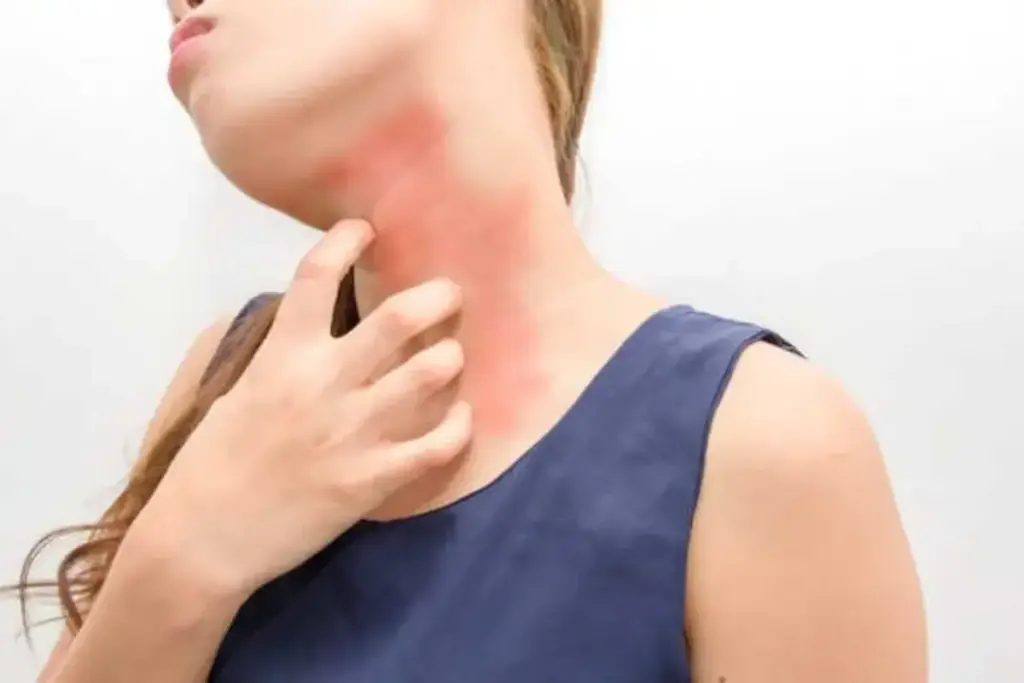
Urticaria, also known as hives, affects millions worldwide. It causes discomfort and distress. Many wonder why this itchy skin condition suddenly appears.
Urticaria shows up as an allergic reaction rash or skin rash. It looks like raised welts. It can start suddenly or last a long time. Many things can trigger it, like allergies, stress, or infections.
We will look into why urticaria starts suddenly. We will also talk about how to manage its symptoms. This can help improve life for those with this condition.
Key Takeaways
- Urticaria is a common skin condition that can be acute or chronic.
- It is characterized by itchy, raised welts on the skin.
- Allergic reactions, stress, and infections are common triggers.
- Understanding the triggers is key to managing urticaria.
- Effective management can significantly improve quality of life.
Understanding Hives: An Overview

Hives can pop up suddenly and look itchy and raised. It’s important to know about hives to manage them. They can be caused by allergies, infections, or autoimmunity.
What Are Hives?

Hives look itchy and raised and can show up anywhere on the body. They happen when the body releases histamine. This chemical makes blood vessels leak fluid into the skin, creating welts.
Common Symptoms of Hives
People with hives might notice itchy welts or patches on their skin. These welts can vary in size and location. Sometimes, hives can also cause angioedema, which is swelling in deeper skin layers.
The Types of Urticaria
Urticaria can be short-term or long-term. Acute urticaria lasts less than six weeks, while chronic urticaria goes on for more than six weeks. Knowing the type helps find the right treatment.
|
Type of Urticaria |
Duration |
Common Causes |
|---|---|---|
|
Acute Urticaria |
Less than 6 weeks |
Allergies, infections |
|
Chronic Urticaria |
More than 6 weeks |
Autoimmune disorders, idiopathic causes |
Knowing about hives, their symptoms, and types helps people deal with them better. It also helps them find the right medical care.
Identifying Triggers of Hives
Hives can be caused by many things, like allergens, environmental factors, and certain foods. Knowing what triggers them is key to managing and preventing hives.
Allergens and Hives
Allergic reactions often lead to hives. When an allergen gets into the body, it can release histamine. This chemical makes blood vessels leak, causing the rash and swelling seen in hives. Common allergens include:
- Pollen
- Dust mites
- Pet dander
- Latex
- Certain medications
Doctors say, “Allergens can cause a range of reactions, from mild irritation to life-threatening anaphylaxis.”
“The key to managing allergic hives is identifying and avoiding the allergen responsible for the reaction.”
Environmental Factors
Environmental stimuli can also cause hives in some people. These can include:
- Temperature extremes
- Sunlight
- Water
- Pressure on the skin
For example, cold urticaria happens when cold temperatures trigger hives. Solar urticaria occurs when UV radiation from the sun causes an allergic reaction.
Food Triggers
Some foods can cause or make hives worse in certain people. Common culprits include:
- Nuts
- Shellfish
- Dairy products
- Eggs
- Food additives and preservatives
Keeping a food diary can help find out which foods trigger hives. “By tracking food intake and corresponding symptoms, individuals can better understand their body’s reaction to certain foods,” say healthcare providers.
The Role of Stress in Hives
Stress can make hives worse for many people. Managing stress is key to treating hives. It can make itchy skin and discomfort even worse.
Impact of Stress on Urticaria
Stress can set off our immune system, leading to histamine release. This chemical can cause blood vessels to leak, leading to hives. Breaking this cycle is hard, but knowing how it works is a start.
Stress can take many forms, like emotional or physical strain. Its effect on hives varies among people. Some see hives worsen during stressful times, while others notice a slight effect.
Managing Stress to Alleviate Hives
There are ways to lessen stress’s impact on hives. Relaxation techniques like deep breathing, meditation, and yoga can help. They can lower stress and ease hives symptoms.
- Mindfulness practices help people spot and handle stress better.
- Physical activity, like walking or swimming, can also cut stress and boost health.
- Keeping a healthy lifestyle, with a balanced diet and enough sleep, is vital for stress and hives management.
Adding these strategies to daily life can help manage stress and reduce hives. Yet, it’s important to remember that stress management alone might not get rid of hives. Seeing a healthcare professional for full care is wise.
Common Medical Conditions Associated with Hives
Hives, or urticaria, are itchy, raised welts on the skin. They can be acute or chronic. Knowing the medical conditions that cause hives is key to managing them.
Autoimmune Disorders
Autoimmune disorders happen when the body attacks its own tissues. Conditions like thyroiditis, rheumatoid arthritis, and lupus can cause hives. The immune system’s wrong response leads to histamine release, causing hives.
“The connection between autoimmune disorders and hives shows how complex the immune system is,” experts say. Treating these disorders can help reduce hives.
Infections and Hives
Infections can also trigger hives. For example, hepatitis and mononucleosis can cause hives. The body’s fight against these infections can lead to hives.
- Viral infections: Hepatitis, mononucleosis
- Bacterial infections: Urinary tract infections, sinus infections
- Fungal infections: Candida infections
It’s important to treat the infection to get rid of hives. Doctors might prescribe antihistamines or corticosteroids to help manage symptoms.
Possible Treatments for Hives
Many treatments can help with hives. They aim to stop the itching, lessen the rash, and prevent more hives.
Over-the-Counter Remedies
OTC meds are often the first choice for hives. Antihistamines work by stopping histamine, which causes itching and swelling. Diphenhydramine (Benadryl) and loratadine (Claritin) are popular choices.
OTC creams and ointments also offer relief. Calamine lotion soothes itchy skin and calms inflammation. Hydrocortisone cream helps with swelling and itching.
Prescription Medications
For serious hives, prescription meds are needed. Corticosteroids like prednisone reduce swelling and itching. But, they can have side effects, so they’re used for short times.
For chronic or severe hives, omalizumab (Xolair) might be suggested. It’s an injectable that targets IgE antibodies, which start allergic reactions.
Always talk to a doctor to find the right treatment for you. They can guide you through the options and suggest the best one.
When to Seek Medical Attention
Hives are usually not serious, but some situations need quick medical help. We’ll talk about the important signs that mean you should see a doctor right away. We’ll also cover how to manage hives over the long term.
Symptoms Requiring Immediate Care
Some symptoms with hives need you to go to the doctor fast. These include:
- Difficulty breathing or swallowing
- Swelling of the face, lips, tongue, or throat
- Dizziness or fainting
- Rapid heartbeat
- Abdominal cramps or diarrhea
If you have any of these symptoms, seek emergency care.
Long-Term Management of Hives
If you have hives often or all the time, you need a plan to manage them. This might include:
- Identifying and avoiding triggers: Keeping a diary can help find out what causes your hives.
- Medications: Your doctor might give you antihistamines or corticosteroids to help.
- Lifestyle adjustments: Changing your daily habits, like wearing loose clothes, can also help.
Lifestyle Changes to Prevent Hives
Making some lifestyle changes can help prevent hives. By choosing the right foods and skin care, you can avoid triggers. This can help keep hives away.
Dietary Adjustments
What you eat matters a lot when it comes to hives. Some foods can make hives worse. Keeping a food diary can help you find out which foods are troublemakers.
Common foods that might cause hives include shellfish, nuts, and dairy. Here are some tips for a better diet:
- Avoid foods that you know can cause hives.
- Eat a diet full of fruits, veggies, and whole grains.
- Drink lots of water to stay hydrated.
|
Food Group |
Recommended Foods |
Foods to Avoid |
|---|---|---|
|
Fruits |
Apples, bananas, berries |
Citrus fruits, strawberries |
|
Vegetables |
Leafy greens, carrots, cucumbers |
Tomatoes, peppers |
|
Proteins |
Chicken, fish (non-shellfish), turkey |
Shellfish, nuts |
Skin Care Recommendations
Good skin care is key to avoiding hives. Use gentle cleansers and moisturizers. This helps keep your skin healthy and prevents irritation.
Here’s how to take care of your skin:
- Use lukewarm water when you bathe.
- Stay away from harsh soaps and exfoliants.
- Moisturize right after bathing to keep your skin moist.
By making these changes, you can lower your chances of getting hives. Plus, your skin will be healthier overall.
Natural Remedies for Hives Relief
Looking for ways other than medicine? Natural remedies can help manage hives. They might not cure hives, but they can offer relief for some people with allergic skin eruptions.
Herbal Treatments
Some herbs might help with hives symptoms. Licorice root has anti-inflammatory properties that could soothe hives. Turmeric also has benefits, thanks to its active compound curcumin. It might reduce histamine release and help with hives.
Homeopathic Approaches
Homeopathic remedies work by treating similar conditions. They use highly diluted substances to help the body heal. But, talk to a doctor before trying homeopathic treatments for antihistamine hives rash. Their effectiveness is not proven by science.
When trying natural remedies, always talk to your doctor. This ensures the new treatments work well with your current care plan.
The Impact of Hives on Quality of Life
Hives, or urticaria, can really disrupt daily life, causing discomfort and distress. It’s not just about managing symptoms. It’s also about how hives affect your overall quality of life.
Physical Discomfort and Lifestyle
Living with hives can make you feel physically uncomfortable, with itchy skin and irritation. This discomfort can mess up your daily activities and lifestyle.
- Sleep disturbances due to itchiness and discomfort
- Difficulty concentrating at work or school
- Avoidance of social activities due to the appearance of hives or fear of triggering factors
Emotional and Psychological Effects
The emotional and psychological effects of hives are significant. The visible nature of the condition and the unpredictability of flare-ups can cause stress and anxiety.
- Seeking support from healthcare professionals
- Practicing stress-reducing techniques such as meditation or yoga
- Connecting with support groups for shared experiences and advice
|
Aspect of Life |
Impact of Hives |
Management Strategies |
|---|---|---|
|
Physical Health |
Itchy skin, discomfort |
Topical creams, avoiding triggers |
|
Emotional Well-being |
Stress, anxiety |
Stress management techniques, counseling |
|
Social Life |
Social withdrawal, embarrassment |
Support groups, education on hives |
|
Daily Activities |
Sleep disturbances, difficulty concentrating |
Lifestyle adjustments, medical treatment |
In conclusion, hives can affect many areas of life, not just the physical. They can also impact your emotional and social well-being. Understanding these effects and using effective management strategies can help improve your quality of life.
FAQs about Urticaria
Understanding urticaria, or hives, can be tricky. It has many triggers and symptoms. We’ll answer some common questions to make it clearer.
Duration of Hives
Hives can last from a few hours to weeks or months. How long they last depends on the cause and treatment. Sometimes, hives go away once the cause is treated.
Recurrence of Hives
Yes, hives can come back. If the cause isn’t found and treated, hives may return. Avoiding triggers and getting proper treatment can help prevent this.
Is Urticaria Contagious?
No, urticaria is not contagious. It’s an allergic reaction rash caused by specific triggers. It’s not spread by touching someone with hives. Treatment usually includes antihistamines to ease symptoms.
FAQ
What is the main cause of hives?
Hives are caused by histamine, a chemical that makes blood vessels leak. This leads to itchy, raised welts on the skin. Many things can trigger this, like allergens, environmental factors, and stress.
How do I identify the triggers of my hives?
To find out what triggers your hives, keep a diary. Note when they happen and what might have caused them. Common culprits include certain foods, environmental factors, and stress. Knowing your triggers is key to managing hives.
Can stress really cause hives?
Yes, stress can cause or make hives worse. Stress hormones can lead to histamine release and hives. Stress management, like meditation, can help with stress-induced hives.
What are the best treatments for hives?
For hives, antihistamines are often the best choice. They help with itching and reduce hive severity. In severe cases, prescription meds like corticosteroids might be needed. Avoiding triggers and good skin care also help manage hives.
Are there any natural remedies for hives relief?
Yes, natural remedies like chamomile and calendula can help with hives. Homeopathic treatments are also options. Always talk to a healthcare professional before trying new treatments to make sure they’re safe and right for you.
How can I prevent hives from recurring?
To stop hives from coming back, make lifestyle changes. This includes dietary changes, avoiding triggers, and good skin care. Keeping a diary to track your hives and triggers can help you spot patterns and make better choices.
When should I seek medical attention for hives?
See a doctor for hives if symptoms are severe, like trouble breathing or a fast heartbeat. Also, if hives don’t get better or get worse, get medical help. A healthcare professional can evaluate and treat your condition properly.
Can certain foods trigger angioedema or allergic skin eruptions?
Yes, some foods can cause angioedema or allergic skin issues, including hives. Common culprits are shellfish, nuts, and dairy. If you think a food is causing your hives, avoid it and talk to a healthcare professional for advice.
How do antihistamines work to relieve hives?
Antihistamines block histamine, the chemical causing hives. This reduces histamine’s effects, easing itching and making hives less severe. They provide relief from hives symptoms.
References
National Center for Biotechnology Information. Evidence-Based Medical Insight. Retrieved from https://www.ncbi.nlm.nih.gov/pmc/articles/PMC8483315/