
Knowing your hemoglobin levels is key to checking your health. At Liv Hospital, we stress the need for hemoglobin tests. These tests help spot issues like anemia and chronic diseases.
A hemoglobin test checks how much hemoglobin you have. Hemoglobin is essential for carrying oxygen around your body. If your hemoglobin levels are off, it could mean you’re missing out on nutrients.
We’re here to help you get the hang of hemoglobin testing. We want you to know what your numbers mean. This way, you can make smart choices about your health.
Key Takeaways
- Understanding hemoglobin levels is key to your health.
- A hemoglobin test can find problems like anemia.
- Odd hemoglobin levels might show chronic diseases.
- Hemoglobin tests are important for checking oxygen transport.
- Liv Hospital helps you understand your hemoglobin test results.
What You Need to Know About the HB Blood Test
Hemoglobin is key for carrying oxygen around your body. This makes the HB blood test very important for your health. It’s a protein in red blood cells that carries oxygen from your lungs to the rest of your body. Knowing about hemoglobin and the HB blood test is important for staying healthy.
The Science Behind Hemoglobin and Oxygen Transport
Hemoglobin is a protein rich in iron. It helps red blood cells carry oxygen. The hemoglobin test, often part of a CBC, checks the level of this protein in your blood. Having enough hemoglobin is important for your body’s tissues and organs to get the oxygen they need. Let’s look at how hemoglobin and oxygen transport work:
- Hemoglobin binds to oxygen in the lungs, forming oxyhemoglobin.
- Oxyhemoglobin is then transported to various parts of the body through the bloodstream.
- The oxygen is released to the tissues, where it’s used for metabolic processes.
- Hemoglobin then picks up carbon dioxide, a waste product, and transports it back to the lungs for exhalation.
How “Cek HB” Fits into Your Regular Medical Checkup
The “Cek HB” or hemoglobin test is a common part of many medical checkups. This test is important for finding any problems with hemoglobin levels, which can show different health issues. Here are some important points about “Cek HB” in your regular medical checkup:
- The test is usually done as part of a CBC, giving a full view of your blood health.
- It helps doctors diagnose conditions like anemia or polycythemia.
- Regular hemoglobin testing can check if treatments for certain blood disorders are working.
The Procedure: What to Expect During Hemoglobin Testing
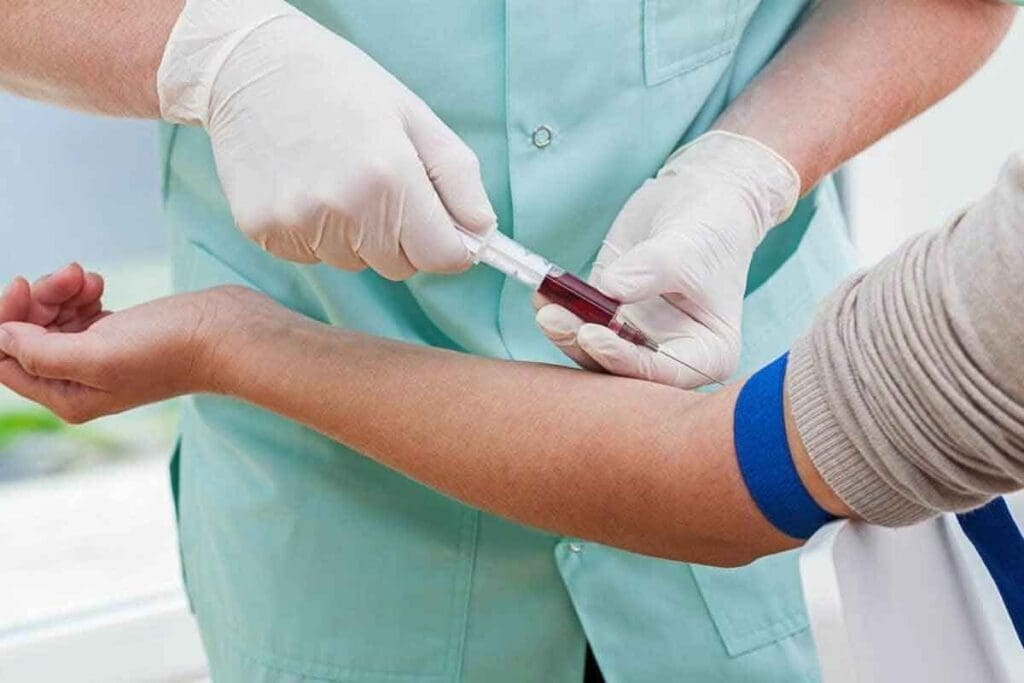
The hemoglobin test is a simple procedure that involves a blood draw from a vein in your arm. The whole process is quick and easy, usually taking just a few minutes. Here’s what happens during the test:
- A healthcare professional will clean the area where the blood will be drawn.
- A tourniquet may be applied to make the veins more accessible.
- A sterile needle is used to draw a blood sample into one or more vials.
- The blood sample is then sent to a laboratory for analysis.
Understanding the HB blood test can help you feel more comfortable and promote better health. By knowing what to expect and why this test is important, you can take a more active role in managing your health.
Decoding Your Hemoglobin Test Results
Understanding your hemoglobin test results is key to knowing how well your body carries oxygen. Hemoglobin is a protein in red blood cells that carries oxygen. Knowing your hemoglobin levels can tell you a lot about your health.
Normal Hemoglobin Ranges for Different Ages and Genders
Hemoglobin levels change with age and gender. Adult men usually have hemoglobin between 13.8 and 17.2 grams per deciliter (g/dL). Women’s normal range is between 12.1 and 15.1 g/dL. Pregnant women’s ranges are a bit different because of blood volume changes.
Children’s hemoglobin levels change a lot as they grow. Newborns have more hemoglobin, which decreases as they get older. Knowing these changes is important for understanding test results.
What Is HGB in Blood Test: Understanding the Measurements
HGB stands for Hemoglobin, a key part of blood tests. The HGB test shows how much hemoglobin is in your blood, in grams per deciliter (g/dL). This test helps diagnose and track conditions like anemia or polycythemia.
When looking at your HGB test results, remember the normal ranges. Also, think about how age, sex, and health might affect your hemoglobin levels.
Common Symptoms Associated with Abnormal HB Levels
Abnormal hemoglobin levels can cause different symptoms. If your hemoglobin is low (anemia), you might feel tired, dizzy, or short of breath. You might also have pale skin.
If your hemoglobin is high (polycythemia), you could have headaches, dizziness, or itching, often after a hot shower.
Spotting these symptoms early can help you get medical help sooner. This could prevent more serious problems. Regular hemoglobin tests are important for keeping an eye on your health and finding the right treatment.
Medical Conditions Revealed by HB Blood Test Results
Abnormal hemoglobin levels can point to different health problems. The HB blood test is key in finding these issues. Hemoglobin is a protein in red blood cells that carries oxygen. If its levels are off, it might mean you have a health issue that needs attention.
Anemia: When Your Hemoglobin Falls Below Normal
Anemia happens when your hemoglobin is too low. For men, it’s below 13.5 g/dL, and for women, it’s below 12 g/dL. Symptoms include feeling tired, weak, and short of breath. Anemia can be caused by not enough iron, vitamins, chronic diseases, or blood loss. Knowing why you have anemia is important for treating it.
Polycythemia: Causes and Implications of High HGB Levels
Polycythemia is when your hemoglobin is too high. For men, it’s over 16.5 g/dL, and for women, it’s over 16 g/dL. This can raise your risk of blood clots and heart problems. It can be caused by genetics or by the body not getting enough oxygen. Treating polycythemia often means lowering blood thickness and finding the cause.
How Chronic Diseases Affect Your Hemoglobin Readings
Chronic diseases like kidney disease, cancer, and HIV/AIDS can affect hemoglobin levels. These diseases can cause anemia, even with enough iron, because of inflammation. Keeping an eye on hemoglobin levels is key for managing these diseases and improving life quality.
In summary, the HB blood test is very useful for finding and tracking health issues related to abnormal hemoglobin levels. By understanding your test results, you and your doctor can work together to take care of your health.
Clinical Applications of HGB Bloodwork
Understanding how hemoglobin testing works can really help patients. Hemoglobin (HGB) tests are key for spotting health issues. They give insights into what’s going on in our bodies.
Monitoring Disease Progression Through Hemoglobin Testing
Hemoglobin testing is key for tracking diseases like anemia and polycythemia. It shows how well treatments are working. For example, it helps see if anemia is getting better or worse.
Key benefits of monitoring disease progression through hemoglobin testing include:
- Early detection of changes in HGB levels, allowing for timely interventions
- Assessment of treatment efficacy for conditions like anemia and polycythemia
- Enhanced patient management through data-driven decision-making
Special Considerations for HB Tests During Pregnancy
Pregnancy changes the body in ways that make hemoglobin testing even more important. Pregnant women are more likely to get anemia, which is bad for both mom and baby. So, it’s key to keep an eye on HGB levels to catch and treat anemia early.
Special considerations for HB tests during pregnancy include:
- More frequent testing for women at risk of anemia or with a history of low HGB levels
- Adjusting normal ranges for HGB levels to account for pregnancy-related changes
- Close monitoring to prevent complications associated with anemia
The Role of Lab Test Hemoglobin in Nutritional Assessment
Hemoglobin testing is also important for checking nutrition. Low HGB levels can mean a lack of iron, a common cause of anemia. Doctors use HGB tests to spot nutritional gaps and suggest fixes.
Nutritional assessment through HGB testing involves:
- Identifying iron deficiency and other nutritional deficiencies
- Guiding dietary recommendations to improve nutritional status
- Monitoring the effectiveness of nutritional interventions
Conclusion: Taking Control of Your Health Through Hemoglobin Monitoring
Knowing your hemoglobin levels is key to staying healthy. The “cek hb” test helps us understand how well our bodies carry oxygen. It lets us spot problems like anemia or polycythemia early and act fast.
Regular checks on your hemoglobin help you make smart health choices. You learn what affects your hemoglobin and how to keep it right. This way, you can avoid serious health issues and work with doctors to keep your hemoglobin in check.
By focusing on hemoglobin tests, you take charge of your health. You get the help you need quickly and live a healthier life. This approach helps you enjoy better overall well-being.
FAQ
What does hemoglobin (Hb) do in the human body?
Hemoglobin (Hb) is a vital protein in red blood cells responsible for carrying oxygen from the lungs to the tissues and transporting carbon dioxide back to the lungs for exhalation. It ensures that every cell receives the oxygen needed for metabolism and energy production.
What is the difference between hemoglobin and haemoglobin?
There is no difference between the two terms except spelling. “Hemoglobin” is the American English version, while “haemoglobin” is used in British English. Both refer to the same oxygen-carrying protein in red blood cells.
What are the main types of hemoglobin?
The primary types include adult hemoglobin (HbA), a minor adult variant (HbA2), and fetal hemoglobin (HbF). These forms differ in their globin chain composition and oxygen-binding properties, with HbF showing a higher affinity for oxygen to support fetal development.
What is oxyhemoglobin, and how is it formed?
Oxyhemoglobin forms when hemoglobin binds to oxygen in the lungs. This reversible process allows hemoglobin to deliver oxygen efficiently to tissues throughout the body and release it where it’s needed most.
Why is iron important in hemoglobin?
Iron is a central component of the heme group in hemoglobin. It binds oxygen molecules and enables oxygen transport in the bloodstream. Without sufficient iron, hemoglobin production drops, leading to anemia and reduced oxygen delivery to tissues.
How do hemoglobin levels affect health?
Normal hemoglobin levels are essential for proper oxygen transport. Low levels can cause anemia, fatigue, and shortness of breath, while high levels may indicate polycythemia or dehydration. Maintaining balanced hemoglobin supports overall health and energy.
What are common hemoglobin-related disorders?
Disorders such as sickle cell disease, thalassemia, and hemoglobin variants like HbC or HbE can affect hemoglobin structure or production. These conditions can cause anemia, fatigue, and other complications related to reduced oxygen transport.
What factors influence hemoglobin levels?
Diet, altitude, hydration, and certain medical conditions can all impact hemoglobin. Eating iron-rich foods, ensuring adequate vitamin B12 and folate intake, and staying hydrated help maintain healthy levels. People living at high altitudes naturally have higher hemoglobin due to lower oxygen availability.
How is hemoglobin measured, and what are normal levels?
Hemoglobin is measured using a complete blood count (CBC) test. Normal levels typically range from 13.8–17.2 g/dL in men and 12.1–15.1 g/dL in women. Abnormal results can signal underlying conditions that may require further medical evaluation.
Reference
- Ahmed, M. H., Ghatge, M. S., & Safo, M. K. (2020). Hemoglobin: Structure, function and allostery. Subcellular Biochemistry. Retrieved from https://www.ncbi.nlm.nih.gov/pmc/articles/PMC7370311/
- Seo, I.-H., & Lee, Y.-J. (2022). Usefulness of complete blood count (CBC) to assess cardiovascular and metabolic diseases in clinical settings: A comprehensive literature review. Biomedicines, 10(11), 2697. https://www.ncbi.nlm.nih.gov/pmc/articles/PMC9687310/