
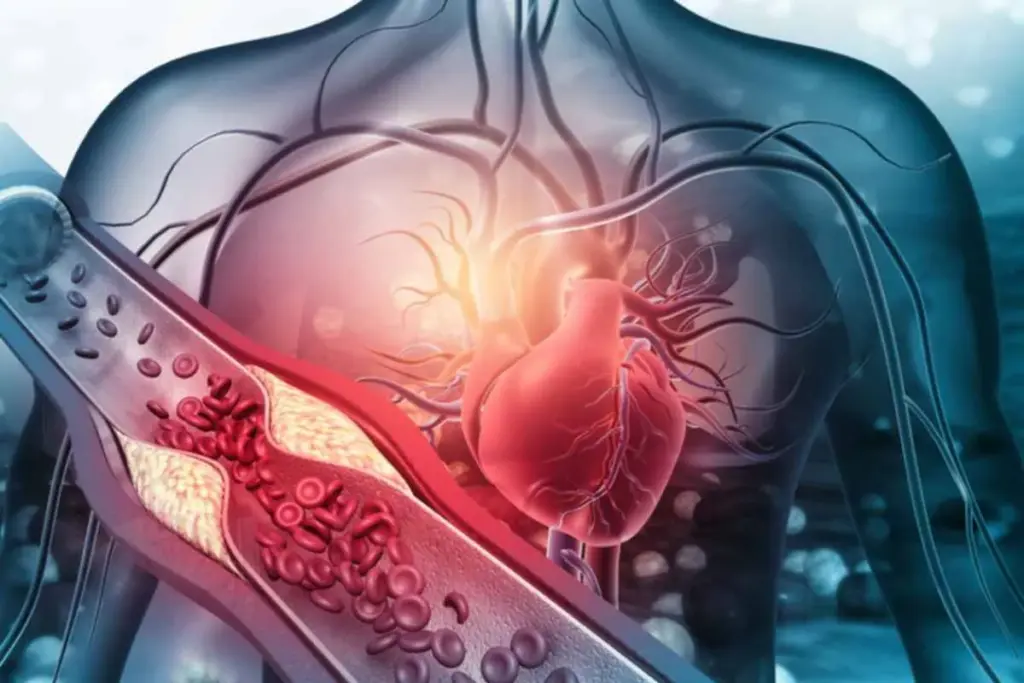
Did you know that heart disease can be influenced by genetics? Research shows that people with a family history of cardiac illness are more likely to get heart disease. But the question is: is it inherited from the mother or the father?
Understanding the genetic link between heart disease and family history can help you take preventive steps. Studies have shown that certain genetic factors can raise the risk of heart disease. We look into the relationship between genetics and cardiac illness, and what it means for you.
Explore the heart conditions list and determine if they are inherited. Get crucial genetic facts to understand your risk now.
Key Takeaways
- Genetics play a significant role in the development of heart disease.
- Family history is a key factor in determining heart disease risk.
- Understanding the genetic link can help individuals take preventive measures.
- Both mothers and fathers can pass on genetic factors that increase the risk.
- Knowing your family history can help you make informed decisions about your health.
The Genetic Basis of Heart Disease
Heart disease is complex, with genetics playing a big role. Studies show genetics greatly affect heart health. They influence heart function and structure.
How Genes Influence Heart Health
Genes shape the heart and blood vessels. Some genetic mutations cause genetic cardiomyopathy. This makes the heart muscle thick or thin, impacting blood pumping.
Genes also control blood pressure and lipid levels. These factors are key in heart disease. Knowing this helps find risk and target treatments.
Chromosomal Inheritance Patterns
Chromosomal patterns show how traits are passed down. Heart disease can follow different patterns, like autosomal dominant or X-linked.
For example, familial hypercholesterolemia is autosomal dominant. This means one mutated gene can cause the condition. Knowing these patterns helps assess family risk.
Genetic tests can reveal heart disease risk. A heart disease genetic test finds specific mutations. This leads to early action and prevention.
Maternal vs. Paternal Inheritance of Heart Conditions

Studies have shown that both mothers and fathers pass on genes that affect heart health. Knowing your family history is key to understanding your heart disease risk. It helps in creating plans to prevent heart problems.
Heart Diseases Primarily Inherited from Mothers
Some heart conditions are more likely to come from mothers. For example, certain DNA mutations in mitochondria, passed down from mothers, can cause heart problems. Mitochondria are important for energy in cells, and problems with them can harm the heart.
Mitochondrial Myopathies and Heart Disease: These are disorders caused by mitochondria not working right. They can lead to heart issues and are passed down from mothers.
Heart Diseases Primarily Inherited from Fathers
While mothers pass on mitochondrial DNA, fathers can pass on other genes that affect the heart. For instance, some heart conditions are inherited in a way that only one copy of the mutated gene is needed. This can come from either parent.
Familial Hypercholesterolemia (FH): This is a genetic disorder that causes very high cholesterol. It raises the risk of heart disease early in life and can be inherited from either parent.
| Inheritance Pattern | Condition | Description |
| Maternal | Mitochondrial Myopathies | Disorders caused by mitochondrial dysfunction, potentially leading to cardiac issues. |
| Paternal or Maternal | Familial Hypercholesterolemia | A genetic disorder causing high cholesterol levels and increased risk of early cardiovascular disease. |
Knowing how heart conditions are inherited can help in early detection and treatment. Both mothers and fathers play a role in an individual’s heart disease risk. So, a detailed family history is vital for assessing heart disease risk.
Comprehensive Heart Conditions List: Common Hereditary Cardiac Issues
Knowing about hereditary heart conditions is key to early detection and prevention. These conditions are a big worry for families with heart problems in their past. The American Heart Association has a list of heart conditions that can run in families. This highlights the importance of being aware and managing these conditions early.
Congenital Heart Defects
Congenital heart defects are heart problems that babies are born with. These can be simple or very complex, needing surgery. Common defects include atrial septal defects, ventricular septal defects, and tetralogy of Fallot.
Cardiomyopathies
Cardiomyopathies are diseases of the heart muscle that can cause heart failure and arrhythmias. The main types are hypertrophic cardiomyopathy, dilated cardiomyopathy, and restrictive cardiomyopathy. Genetic mutations often cause these conditions, and family history is key in assessing risk.
| Type of Cardiomyopathy | Characteristics | Genetic Component |
| Hypertrophic Cardiomyopathy | Thickening of the heart muscle | Yes, often inherited |
| Dilated Cardiomyopathy | Enlargement of the heart | Yes, can be inherited |
| Restrictive Cardiomyopathy | Stiffening of the heart muscle | Less commonly inherited |
Arrhythmias and Conduction Disorders
Arrhythmias are irregular heartbeats that can be too fast, too slow, or irregular. Conduction disorders affect the heart’s electrical system, causing irregular rhythms. Long QT syndrome and Brugada syndrome are hereditary and can raise the risk of sudden cardiac death.
It’s important to understand these hereditary cardiac issues, mainly for those with a family history of heart conditions. Being aware of the risks and taking proactive steps can help lower the chance of developing these conditions.
Coronary Artery Disease: Genetic vs. Lifestyle Factors
Understanding how genetics and lifestyle interact is key to knowing your risk for coronary artery disease (CAD). CAD is a major cause of illness and death globally. It’s caused by a mix of genetic, environmental, and lifestyle factors.
Genetic Risk Factors for CAD
Genetics are a big part of CAD. If your family has a history of CAD, you’re at higher risk. Certain genes affect how your body handles fats and blood pressure, which are important for CAD.
For example, having familial hypercholesterolemia greatly raises your CAD risk because of very high LDL cholesterol. Genetic tests can spot these conditions early, helping to start treatment sooner.
How Lifestyle Interacts with Genetic Predisposition
Lifestyle choices can change your CAD risk, even with a genetic predisposition. Eating well, staying active, not smoking, and keeping a healthy weight can help. These actions can lower CAD risk, even for those with a genetic tendency.
Lifestyle and genetics work together. For example, someone prone to high blood pressure can lower their risk with a low-sodium diet, exercise, and stress management.
Research shows that healthy habits can greatly reduce CAD risk, even with a strong family history. This highlights the need for a complete approach to CAD prevention. It should include lifestyle changes and, when needed, medical treatment.
Is Congestive Heart Failure Hereditary?
Congestive heart failure affects millions worldwide. It has a complex cause, with genetics playing a big role. Knowing about genetics helps us understand our risk and manage our health better.
Genetic Components of Heart Failure
Studies show genetics can greatly increase the risk of congestive heart failure (CHF). Some genetic mutations can harm the heart’s structure and function. This can lead to heart failure.
For example, mutations in genes for heart muscle proteins can weaken heart function. A study in a top cardiology journal found family history is a big risk factor for CHF. This shows genetics play a key role.
“The presence of a family history of heart failure is a significant risk factor for the development of CHF, underscoring the need for early screening and preventive measures in at-risk populations.”
Family History as a Risk Factor for CHF
Family history is a key factor in CHF risk. People with a first-degree relative (parent or sibling) with heart failure are at higher risk. This risk grows with other heart disease risk factors like high blood pressure, diabetes, and heart artery disease.
| Risk Factor | Relative Risk |
| Family History of CHF | 1.5 – 2.0 |
| Hypertension | 2.0 – 3.0 |
| Diabetes | 1.5 – 2.5 |
It’s vital to understand these risk factors and how they work together. This knowledge helps us create better prevention and treatment plans. By finding out who’s at the highest risk, doctors can give them the best care to prevent CHF.
Rare Hereditary Heart Conditions
It’s important to understand rare hereditary heart conditions. These conditions are not common but can greatly affect people and their families.
Long QT Syndrome and Other Channelopathies
Long QT syndrome affects the heart’s electrical system. It can cause dangerous heart rhythms. Channelopathies, like long QT syndrome, are often caused by genetic mutations in heart ion channels.
- Symptoms may include fainting, seizures, or sudden cardiac arrest.
- Diagnosis involves electrocardiogram (ECG) analysis and genetic testing.
- Treatment may include medications, lifestyle modifications, and implantable cardioverter-defibrillators (ICDs).
Marfan Syndrome and Related Disorders
Marfan syndrome is a genetic disorder that affects the body’s connective tissue. It has big implications for the heart. It can cause aortic aneurysms and other heart problems.
Management includes regular heart checks, medicines to help the aorta, and sometimes surgery.
Hypertrophic Cardiomyopathy
Hypertrophic cardiomyopathy (HCM) makes the heart muscle thick. This can block blood flow. It’s a big reason for sudden heart death in young athletes.
- Genetic testing can find HCM mutations.
- Symptoms include chest pain, shortness of breath, and fainting.
- Treatment includes medicines, lifestyle changes, and surgery for severe cases.
We know how complex and different rare hereditary heart conditions are. We stress the need for tailored medical care and genetic advice.
Genetic Testing for Heart Disease
Genetic testing can spot people at risk of heart disease early. This is key to managing and possibly stopping heart conditions linked to genes.
Available Heart Disease Genetic Tests
There are many genetic tests for heart disease risk. These include:
- Single Gene Tests: These tests search for mutations in a specific gene linked to heart issues.
- Multi-Gene Panels: These panels check for many genes related to different heart diseases, giving a wider view of risk.
- Whole Exome Sequencing (WES): WES looks at the protein-coding parts of genes all over the genome. It might find rare genetic variants that could lead to heart disease.
Interpreting Genetic Test Results
Understanding genetic test results for heart disease needs special knowledge. A positive result might show a higher risk. But it’s important to remember that:
- Not all genetic mutations cause disease.
- Some mutations can have different effects, depending on the person.
- A negative result doesn’t mean you’re completely safe. There might be genetic risks not yet known or tested for.
Genetic counseling is often suggested to help people grasp their test results. It helps them understand what it means for their health and their family’s.
Knowing your genetic risks through testing lets you work with your doctor. Together, you can make a plan to watch and lower your heart disease risk.
Family History Assessment: Identifying Your Risk
Looking into your family’s health history can show you a lot about your heart health risks. Knowing your family’s medical past helps you see your own heart disease risk better.
Creating a Cardiovascular Family Tree
Building a cardiovascular family tree means collecting heart health info on your relatives. This includes heart conditions, when they were diagnosed, and any heart attacks or strokes. Begin by asking your immediate family and then reach out to grandparents, aunts, uncles, and cousins. The more detailed your tree, the clearer your heart disease risk will be.
Red Flags in Family History
Some patterns in your family history might mean you’re at higher risk for heart disease. These warning signs include:
- A history of heart disease early in life (before age 55 in men and 65 in women)
- Many family members with heart conditions
- Sudden cardiac deaths in your family
- Genetic heart health issues, like familial hypercholesterolemia
If you spot any of these warning signs, talk to your doctor. They can help you understand your risk and suggest ways to prevent it.
“Understanding your family’s heart health history is a powerful tool in preventing heart disease. By knowing your risks, you can take proactive steps to protect your heart health.”
By looking at your family history and understanding the risks, you can work with your doctor to lower those risks. This early action can greatly improve your heart health over time.
Are Heart Attacks Genetic? Understanding Hereditary Risk
Studies show that genes play a big role in heart attack risk. Genes and lifestyle together make heart disease complex.
Genetic Markers for Heart Attack Risk
Many genetic markers raise heart attack risk. These include genes for lipid metabolism, blood pressure, and inflammation. For example, some genes affect LDL cholesterol levels.
Key Genetic Markers:
- Genes involved in lipid metabolism (e.g., APOE, LDLR)
- Genes associated with hypertension (e.g., ACE, AGT)
- Genes related to inflammatory responses (e.g., CRP)
Family History of Heart Attacks: What It Means for You
A family history of heart attacks increases your risk. If your parents or siblings had heart attacks young, you might be at higher risk. This is due to shared genes and lifestyle factors.
Consider the following:
- If your father had a heart attack before age 55, or your mother before age 65, your risk is higher.
- If you have multiple relatives who have had heart attacks, your risk increases further.
| Family History | Relative Risk |
| No family history | 1.0 |
| One first-degree relative with heart attack | 1.5-2.0 |
| Two or more first-degree relatives with heart attack | 2.0-3.0 |
The American Heart Association says, “A person’s risk of having a heart attack is significantly increased if there is a family history of heart disease, particular if the disease occurred at an early age.”
“Understanding your family history and genetic predispositions can empower you to take proactive steps towards reducing your risk of heart disease.”
Knowing your genetic risk and family history helps you make a plan with your doctor. This plan can lower your heart disease risk.
Bicuspid Aortic Valve: Maternal or Paternal Inheritance?
Bicuspid aortic valve is a heart defect that runs in families. It’s when the aortic valve has only two cusps instead of three. This can cause serious health problems, like valve issues and aortic aneurysms.
Research shows that bicuspid aortic valves can be passed down through families. But, the exact way it’s inherited is complex and not fully understood. If a first-degree relative has it, the risk of getting it goes up.
Inheritance Patterns of Bicuspid Aortic Valve
The way bicuspid aortic valve is inherited is often called autosomal dominant. This means one mutated gene is enough to cause the condition. But, how it shows up can vary a lot, even in the same family.
To get a better understanding, let’s look at a table:
| Inheritance Pattern | Description | Risk to Offspring |
| Autosomal Dominant | One copy of the mutated gene causes the condition. | 50% chance of inheriting the mutated gene. |
| Variable Expression | The severity and presence of the condition can vary. | Risk remains even if the condition is not apparent. |
Associated Genetic Syndromes
Bicuspid aortic valve is linked to genetic syndromes like Marfan syndrome and Turner syndrome. These syndromes often have more heart and body problems.
Knowing the genetic cause of bicuspid aortic valve is key to finding at-risk people. It helps in early detection and managing the condition. Genetic tests and family screenings are important for this.
Heart Arrhythmias: The Genetic Connection
It’s important to know how genetics play a role in heart arrhythmias. These irregular heartbeats can stem from genetic mutations. This knowledge helps us identify who’s at risk and how to care for them.
Some arrhythmias are linked to genetics. Knowing this can help us manage and treat them better. We’ll look into hereditary arrhythmia syndromes and when a genetic cause might be suspected.
Hereditary Arrhythmia Syndromes
Hereditary arrhythmia syndromes run in families. They affect the heart’s electrical system. This can lead to irregular heartbeats, which can be dangerous.
Some well-known syndromes include:
- Long QT Syndrome (LQTS)
- Brugada Syndrome
- Catecholaminergic Polymorphic Ventricular Tachycardia (CPVT)
These conditions often come from genetic mutations. For example, LQTS is linked to genes like KCNQ1 and KCNH2.
When to Suspect a Genetic Arrhythmia
Figuring out if a genetic arrhythmia is present involves looking at family history and symptoms. A family history of sudden cardiac death or arrhythmias at a young age is a big warning sign.
Signs that might point to a genetic arrhythmia include:
- Recurring arrhythmias that don’t respond to treatment
- Arrhythmias that start early in life
- Family members with similar conditions or sudden cardiac death
If these signs are present, genetic testing might be suggested. This can help tailor treatment and prevention for the individual and their family.
Understanding the genetic link to heart arrhythmias helps us manage them better. This can also lower the risk of serious problems.
Preventive Strategies for Those with Genetic Predisposition
Having a genetic predisposition to heart disease doesn’t mean you’re doomed. There are many ways to lower your risk. We’ll look at some effective strategies.
Lifestyle Modifications
Making lifestyle changes is key to preventing heart disease. These changes include:
- Dietary Changes: Eating a diet full of fruits, veggies, whole grains, and lean proteins can help manage weight and lower blood pressure.
- Regular Exercise: Staying active through activities like walking, running, or swimming can boost heart health and lower disease risk.
- Smoking Cessation: Quitting smoking is critical because it greatly reduces heart disease risk.
- Stress Management: Using stress-reducing activities like meditation or yoga can help keep your heart healthy.
Medical Monitoring
Regular health check-ups are essential for those at risk of heart disease. This includes:
- Regular Check-Ups: Regular visits to your doctor can help keep an eye on your heart health and catch problems early.
- Diagnostic Tests: Tests like echocardiograms or stress tests can give insights into your heart’s condition.
- Risk Factor Assessment: Managing risk factors like high blood pressure or cholesterol is vital to prevent heart disease.
Preventive Medications
In some cases, doctors may suggest medications to prevent heart disease. These can include:
- Statins: These drugs help lower cholesterol, which can reduce heart disease risk.
- Beta-Blockers: These medications help control blood pressure and ease heart workload.
- Aspirin Therapy: Low-dose aspirin may be advised to lower the risk of heart attacks.
By combining lifestyle changes, regular health checks, and medications, you can greatly lower your heart disease risk.
Genetic Counseling for Heart Disease
Genetic counseling helps those worried about heart disease risk. It shows how genes play a part. This way, people can know their risk and make smart health choices.
When to Seek Genetic Counseling
Think about genetic counseling if heart disease runs in your family. This is true if heart disease starts early or if many family members have it. Genetic counseling can help you understand your risk and guide you on how to lower it.
If you have a heart condition like hypertrophic cardiomyopathy or long QT syndrome, genetic counseling is key. It offers important info about your condition and its impact on your family.
What to Expect from the Process
A trained counselor will look at your family history and medical records during counseling. They’ll talk about genetic factors that might increase your heart disease risk. They’ll also explain genetic testing options.
The counseling process is tailored to your needs. It gives you advice and suggestions to manage your risk. This might include changing your lifestyle, regular check-ups, or taking certain medicines.
Genetic counseling is about helping you take charge of your heart health. Knowing your genetic risks lets you work with your doctor. Together, you can make a plan to lower your heart disease risk.
Future Directions in Cardiac Genetics
Cardiac genetics is moving forward with new treatments and personalized medicine. We’re learning more about genetic heart disease. This opens up new paths for research and treatment.
Emerging Research and Treatments
Studies show gene editing, like CRISPR/Cas9, could treat heart conditions. Gene therapy is also promising. Researchers are working to make it safe and effective for heart diseases.
Precision medicine is key in cardiology now. It means treatments fit your genetic profile. This could lead to better care for those with genetic heart disease.
Personalized Medicine for Heart Disease
Personalized medicine uses your genes to guide treatment. For heart disease, it means finding genetic risk markers. Then, treatments are tailored to you.
| Genetic Marker | Associated Heart Condition | Personalized Treatment Approach |
| Mutations in MYH7 | Hypertrophic Cardiomyopathy | Beta-blockers, Lifestyle Modifications |
| Mutations in KCNQ1 | Long QT Syndrome | Beta-blockers, Avoiding QT-prolonging medications |
| Mutations in LMNA | Dilated Cardiomyopathy | ACE inhibitors, Cardiac Resynchronization Therapy |
As we learn more about cardiac genetics, treatments will get better. Genetic testing will be key in making personalized medicine work for heart disease.
Talking to Your Family About Hereditary Heart Conditions
Talking openly about heart health in families is key to spotting risks of hereditary heart conditions. By sharing medical histories and experiences, family members can learn about their own risks. They can then take steps to keep their hearts healthy.
Effective Communication Strategies
When you talk to your family about heart conditions, be gentle and clear. Here are some tips for having open and helpful talks:
- Start with Your Own Story: Share your heart health experiences or worries first. This sets a personal tone for the talk.
- Be Informed: Learn about hereditary heart conditions and what they mean. Knowing this helps you talk clearly to your family.
- Encourage Openness: Make a safe space where family members can share health worries or histories without fear.
- Use Clear Language: Don’t use hard medical terms that might confuse or scare family members. Use simple language to explain things.
Supporting Family Members at Risk
After starting a talk about heart conditions, it’s important to support family members who might be at risk. You can do this in several ways:
- Encourage Health Checks: Tell family members to get regular health checks to watch their heart health.
- Promote Healthy Lifestyle Choices: Push for healthy habits like a good diet, exercise, and not smoking to lower heart disease risk.
- Be Available for Ongoing Discussions: Be ready to keep talking as new info comes or family situations change.
By working together and keeping communication open, families can handle the risks of hereditary heart conditions better.
Conclusion: Managing Your Hereditary Heart Disease Risk
Understanding the genetic basis of heart disease is key to managing risk. Recognizing genetics’ role in heart health helps us prevent cardiac issues. Hereditary heart disease can come from both parents, so checking family history is vital.
To manage heart disease risk, we need lifestyle changes, medical checks, and preventive meds. Genetic counseling is also helpful for those at risk. These steps can lower heart disease risk and improve heart health.
New research and treatments in cardiac genetics are exciting. They offer new ways to prevent and manage heart disease. By staying updated and working with doctors, we can keep our hearts healthy.
FAQ
Is heart disease hereditary?
Yes, heart disease can be passed down through genes. Studies show that genetics play a big role in many heart conditions.
Can heart disease be inherited from either parent?
Yes, heart disease can come from either parent. Both sides of the family can influence your risk of heart disease.
What are some common hereditary cardiac issues?
Common issues include congenital heart defects, cardiomyopathies, and arrhythmias. These are often caused by genetic mutations or inherited traits.
How does family history impact heart disease risk?
Family history is a big risk factor for heart disease. If your family has heart disease, you’re more likely to get it too.
Can genetic testing identify heart disease risk?
Yes, genetic tests can find markers for heart disease risk. But, these tests aren’t a sure thing. Always take results seriously but with caution.
What lifestyle modifications can help mitigate genetic heart disease risk?
Eating well, exercising, and not smoking can lower your risk. These habits are good for your heart, no matter your genes.
Are heart attacks genetic?
Heart attacks aren’t caused by one “heart attack gene.” But, genetics can increase your risk. Family history and genetic markers are important.
Can a bicuspid aortic valve be inherited?
Yes, a bicuspid aortic valve can be passed down. It’s linked to certain genetic syndromes and can run in families.
How can I assess my family history for heart disease risk?
Make a family tree for heart disease. Look for red flags in your family history. Talking to a doctor or genetic counselor can also help.
What is the role of genetic counseling in heart disease?
Genetic counseling helps understand your heart disease risk. It helps make sense of genetic tests and guides health decisions.
Can preventive strategies reduce the risk of heart disease for those with a genetic predisposition?
Yes, making healthy choices and getting regular check-ups can help. Preventive medications can also lower risk.
What are some rare hereditary heart conditions?
Rare conditions include Long QT Syndrome, Marfan Syndrome, and Hypertrophic Cardiomyopathy. These need special care and attention.
References
National Center for Biotechnology Information. Evidence-Based Medical Insight. Retrieved from https://pubmed.ncbi.nlm.nih.gov/25464496/