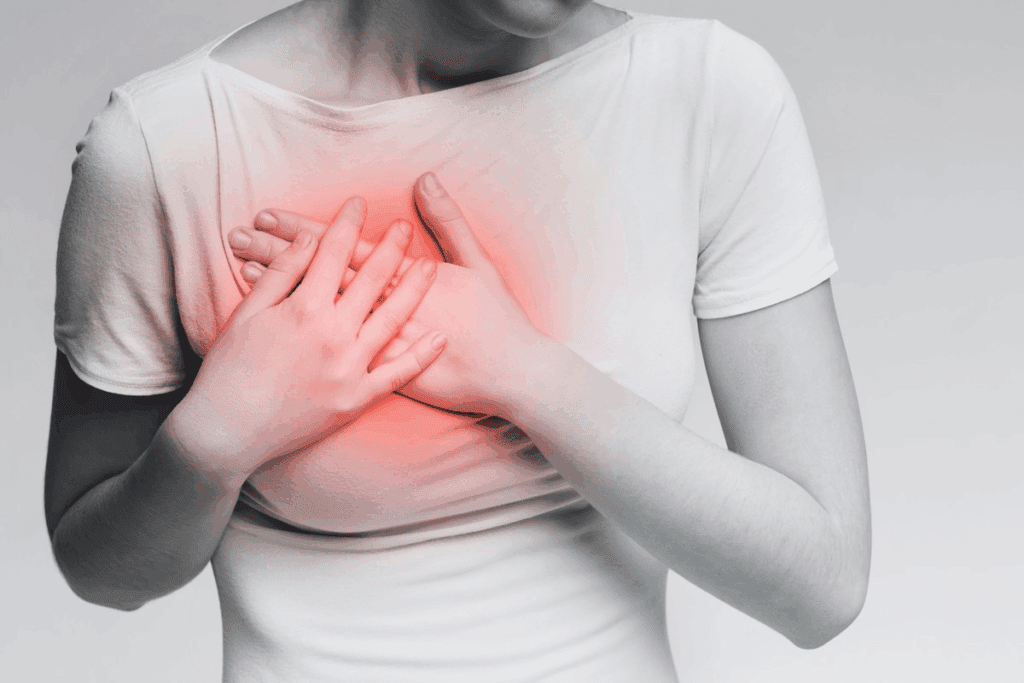
Feeling belching and heartburn at the same time can be really uncomfortable. Studies show that about 10.7% of people who often belch also have heartburn heartburn burping.
At Liv Hospital, we know how important it is to understand why you might be feeling both symptoms. Our team focuses on you, using the latest medical knowledge to find the cause of your issues. We work with you to create a treatment plan that fits your needs.
Key Takeaways
- Belching and heartburn often occur together due to similar underlying physiological mechanisms.
- Research shows a significant association between heartburn and clinically significant belching.
- Understanding the link between these symptoms is key to effective management.
- Personalized treatment strategies can help alleviate both belching and heartburn.
- A patient-centered approach is essential for addressing digestive health concerns.
The Physiological Relationship Between Belching and Heartburn

Belching and heartburn seem unrelated but share a common cause. This connection is rooted in our digestive system’s workings.
Defining These Common Digestive Symptoms
Belching is when gas from the stomach comes out through the mouth. It happens when we swallow air or gas from digestion. Heartburn, a burning chest feeling, is caused by stomach acid going up into the esophagus. Both can be triggered by what we eat and our body’s health.
Transient lower esophageal sphincter relaxation (TLESR) plays a big role in both symptoms. It’s when the LES relaxes, letting stomach contents flow back into the esophagus. This can cause heartburn. It also leads to gas release, resulting in belching.
Statistical Connection Between Symptoms
Research shows a strong link between belching and heartburn. People with heartburn often belch more. This suggests a common cause for both.
Symptom | Prevalence in Patients with Heartburn | Prevalence in General Population |
Belching | 60% | 20% |
Heartburn | – | 15% |
Why These Symptoms Frequently Co-occur
The reason belching and heartburn often happen together is TLESR. When the LES relaxes, gas escapes, causing belching. It also lets stomach acid flow back, leading to heartburn. This shared cause explains why they often appear together.
Knowing how belching and heartburn are connected is key to treating them. Healthcare providers can then focus on addressing both symptoms at once.
Understanding Heartburn Burping as Connected Symptoms

Burping and heartburn are linked symptoms that can really affect your life. We’ll look into how they’re connected and what makes them happen together.
Transient Lower Esophageal Sphincter Relaxation Mechanism
The way the lower esophageal sphincter (LES) relaxes is key to both burping and heartburn. These relaxations, called TLESRs, let stomach acid flow back into the esophagus. This can cause heartburn. At the same time, air swallowed can lead to burping.
Research shows TLESRs are a big reason for burping heartburn. Studies found that people with GERD, who often have heartburn and burping, have more TLESRs.
Gastric Contents Triggering Both Symptoms
Stomach acid can cause both heartburn and burping. Acid flowing back into the esophagus leads to heartburn. If it reaches the upper esophagus or pharynx, it can make you burp. The mix of acid, pepsin, and bile in the stomach affects how bad these symptoms are.
The link between stomach contents and heartburn with belching is complex. Things like how much stomach contents there are, stomach pressure, and certain foods can make symptoms worse.
Factor | Effect on Heartburn | Effect on Burping |
Gastric Acid | Increases severity | Can trigger burping |
Food Volume | Can exacerbate symptoms | Increases likelihood |
Stomach Pressure | Contributes to reflux | Promotes belching |
The Vicious Cycle of Symptoms
Heartburn and burping can start a cycle. Heartburn discomfort might make you swallow air, leading to more burping. The stress from these symptoms can make things worse, creating a hard cycle to break.
Knowing about this cycle is key to managing burp heartburn. By tackling the root causes and breaking the cycle, you can find relief from these symptoms.
Gastroesophageal Reflux Disease (GERD) as a Primary Cause
GERD is a main reason for both belching and heartburn. It affects a lot of people. Studies show that GERD symptoms have gone up a lot in the last ten years.
Prevalence and Rising Incidence
GERD hits nearly one-third of the population. It happens when stomach contents flow back into the esophagus. Recent studies found a 30% jump in GERD symptoms in just one decade.
Weekly symptoms have even gone up by 47%. This shows how important it is to know about GERD’s impact on digestion.
Producing Both Belching and Heartburn
GERD causes both belching and heartburn. This happens because of a thing called transient lower esophageal sphincter relaxation (TLESR). When TLESR happens, the lower esophageal sphincter relaxes.
This lets stomach contents flow back into the esophagus, causing heartburn. At the same time, swallowed air can come out as belches. This shows why we need to manage GERD well.
Erosive vs. Non-Erosive Reflux Disease
GERD can be either erosive or non-erosive. Erosive reflux disease has visible damage from acid. Non-erosive reflux disease has symptoms but no visible damage.
Knowing the difference helps doctors treat each patient better. We need to manage GERD in many ways to help with belching and heartburn. This improves how patients feel.
Functional Dyspepsia and Its Connection to Symptoms
Understanding the link between functional dyspepsia and symptoms like belching and heartburn is key. Functional dyspepsia is a common condition with persistent upper abdominal symptoms.
Understanding Functional Dyspepsia
Functional dyspepsia is a group of symptoms without visible damage to the digestive tract. It’s a type of functional gastrointestinal disorder (FGID) affecting many worldwide. Symptoms include upper abdominal pain, bloating, and feeling full too soon.
This condition can greatly affect a person’s life, causing discomfort and distress. The exact cause is not known, but it’s thought to involve abnormal motility, hypersensitivity, and stress.
Why 59-80% of Dyspepsia Patients Experience Belching
About 59-80% of patients with functional dyspepsia often belch. This is due to swallowing more air, linked to their motility and sensitivity issues.
Belching is a natural way to release gas from the stomach. But, frequent belching can signal an underlying issue like functional dyspepsia. This shows how complex gastrointestinal disorders are and the need for detailed management.
The Overlap with Heartburn Symptoms
Functional dyspepsia and heartburn symptoms often overlap, making diagnosis and treatment tricky. Heartburn is a burning chest sensation from stomach acid flowing back into the esophagus, common in GERD. But, it can also happen in functional dyspepsia.
The presence of belching, heartburn, and functional dyspepsia symptoms is a challenge for doctors. It demands a deep understanding of the causes and tailored treatments for each patient.
Dietary Triggers That Worsen Both Belching and Heartburn
The foods and drinks we choose can really affect how often we belch and get heartburn. Knowing what foods and drinks to avoid is key to feeling better.
High-Fat and Spicy Foods
High-fat foods slow down digestion, which can put more pressure on the LES. This can lead to more belching and heartburn. Spicy foods can also irritate the esophagus, making heartburn worse. Some common offenders include:
- Fatty meats and fried foods
- Spicy dishes with hot peppers or wasabi
- Rich sauces and gravies
Try eating these foods less or not at all. Keeping a food diary can help you figure out which foods are troublemakers.
Acidic and Carbonated Beverages
Drinks that are acidic or bubbly can also make belching and heartburn worse. Acidic drinks like citrus juices can irritate the esophagus. Carbonated drinks like soda can lead to belching, which can cause more reflux.
Some examples include:
- Citrus juices (orange, lemon, grapefruit)
- Carbonated soft drinks and sparkling water
- Tomato-based products
Try cutting down on these drinks to see if it helps your symptoms.
Meal Timing, Size, and Composition
It’s not just what we eat, but when and how much that matters. Big meals can put extra pressure on the LES, leading to more reflux and belching. Eating close to bedtime can also make symptoms worse.
- Eating smaller, more frequent meals
- Avoiding late-night snacks
- Choosing meals that are balanced and not too fatty or spicy
Making these changes can help reduce belching and heartburn. We suggest trying these dietary tweaks as a first step to managing your symptoms.
Lifestyle Factors Contributing to Dual Symptoms
Our daily habits and lifestyle choices can affect how often we belch and experience heartburn. These issues aren’t just about what we eat. They’re also linked to how we live. We’ll look at how certain lifestyle choices can make belching and heartburn worse.
Stress and Anxiety Effects on Digestion
Stress and anxiety can really mess with our digestion. When we’re stressed, our body goes into “fight or flight” mode. This diverts blood from our digestive system, slowing it down. This can lead to belching and heartburn. Chronic stress can make these symptoms worse, so managing stress is key.
Practices like meditation, deep breathing, and yoga can help reduce stress. They can also ease digestive issues. It’s important to find and tackle the stressors in our lives.
Impact of Smoking and Alcohol
Smoking and drinking alcohol can harm our digestive health. Smoking weakens the LES, letting stomach acid flow back into the esophagus and cause heartburn. Alcohol can also relax the LES and irritate the esophagus, leading to belching and heartburn.
Lifestyle Factor | Effect on Belching | Effect on Heartburn |
Smoking | Increases | Increases |
Alcohol Consumption | Increases | Increases |
Body Position and Physical Activity
Our body position and physical activity can also affect belching and heartburn. Lying down after eating can let stomach acid flow into the esophagus, causing heartburn. Certain activities, like bending or heavy lifting, can put pressure on the stomach and lead to belching.
Keeping a healthy weight, avoiding tight clothes, and elevating the bed can help. Regular exercise, like walking, can also aid digestion and reduce symptoms.
Aerophagia: When Excessive Air Swallowing Causes Symptoms
Swallowing too much air is called aerophagia. It can make you belch and feel heartburn. This condition is more common than you might think and affects the digestive system a lot.
The Mechanism Behind Aerophagia
Aerophagia happens when we swallow a lot of air. This air goes into the stomach and can cause discomfort. The body tries to get rid of this air by belching.
But, aerophagia can also make you feel heartburn. This is because the air increases stomach pressure. This pressure can push stomach contents up into the esophagus.
Common Habits That Increase Air Intake
There are habits that make us swallow more air. These include:
- Eating or drinking too quickly
- Chewing gum
- Drinking carbonated beverages
- Wearing loose dentures
- Smoking
These habits can make us swallow more air. This can make symptoms of belching and heartburn worse.
How Swallowed Air Contributes to Reflux
Swallowed air can make stomach pressure go up. When the stomach gets too full of air, it can make the LES relax. This lets stomach contents flow back into the esophagus.
This can make you feel heartburn. Also, the air can make you belch as your body tries to get rid of it.
Knowing about aerophagia and how it causes belching and heartburn is key. By changing habits that lead to aerophagia, you can lessen symptoms. This can also help improve your digestive health.
Medications and Supplements That Trigger Symptoms
Many of us don’t realize how medications and supplements can make belching and heartburn worse. Some prescription drugs and supplements can harm our digestive system. It’s important to know how they affect our health.
Prescription Medications That Affect Esophageal Function
Some medicines can relax the lower esophageal sphincter (LES) or slow digestion. This can lead to more belching and heartburn. For example, calcium channel blockers and benzodiazepines can make it easier for stomach acid to flow back up. Also, some antidepressants and antipsychotics can slow down digestion, making symptoms worse.
Over-the-Counter Drugs That Worsen Symptoms
OTC drugs can also make belching and heartburn worse. Aspirin and ibuprofen can irritate the esophagus and stomach lining, raising the risk of heartburn. Some antacids with aluminum or magnesium can cause belching in people.
Supplements and Their Digestive Side Effects
Dietary supplements are meant to help our health but can sometimes harm digestion. Calcium supplements can lead to bloating and belching. Iron supplements can also irritate the stomach, causing heartburn. Knowing these side effects is key when taking supplements.
Understanding how medications and supplements affect our digestion can help us manage belching and heartburn better. If symptoms persist or worsen, seeing a healthcare professional is vital. They can guide us on the best steps to take.
Diagnosing the Underlying Cause of Combined Symptoms
Belching and heartburn together can be hard to figure out. Finding the right cause is key to treating both. We’ll look at when to see a doctor, the tests used, and how to tell what’s causing it.
When Symptoms Warrant Medical Attention
Belching and heartburn are normal sometimes. But if they keep happening or are really bad, you should see a doctor. Look out for signs like trouble swallowing, constant nausea, or throwing up.
Diagnostic Tests and Procedures
There are tests to find out why you’re belching and heartburning. Here are a few:
- Endoscopy: Looks inside your upper digestive system.
- pH Monitoring: Checks acid levels in your esophagus.
- Esophageal Manometry: Tests how well your esophagus works.
These tests help us see what’s going on in your esophagus and stomach. They help us find the cause of your symptoms.
Distinguishing Between Different Causes
It’s important to know why you’re belching and heartburning. Gastroesophageal Reflux Disease (GERD) is a common reason. But other issues like functional dyspepsia or aerophagia might be the cause too. We use your history, how you feel, and test results to figure it out.
Knowing the exact cause helps us give you the right treatment. This makes your symptoms better and helps you feel better.
Treatment Approaches for Belching and Heartburn
Belching and heartburn can be treated with lifestyle changes, medication, and sometimes surgery. It’s important to know the causes and choose the right treatment.
Lifestyle and Dietary Modifications
Changing your lifestyle and diet can help a lot. Avoid foods that trigger symptoms, eat smaller meals, and don’t lie down after eating.
Some important diet changes include:
- Avoiding high-fat and spicy foods that can trigger symptoms
- Reducing consumption of acidic and carbonated beverages
- Eating slowly and chewing food thoroughly to aid digestion
Also, keeping a healthy weight, quitting smoking, and managing stress can help. Try meditation or yoga for stress relief.
Medication Options
Medicine is key for many people with belching and heartburn. Over-the-counter antacids and acid reducers work fast. Prescription drugs like PPIs and H2 blockers help more.
Medication Type | Examples | Use |
Antacids | Tums, Rolaids | Quick relief for heartburn |
H2 Blockers | Ranitidine, Famotidine | Reduce acid production |
Proton Pump Inhibitors (PPIs) | Omeprazole, Lansoprazole | Stronger acid suppression |
Surgical and Endoscopic Interventions
If lifestyle changes and medicine don’t work, surgery or endoscopy might be needed. Fundoplication can strengthen the esophageal sphincter and reduce reflux.
Endoscopic treatments like radiofrequency ablation and TIF are less invasive. They help with severe GERD and symptoms.
Knowing the treatment options helps you and your doctor create a plan. This plan can manage belching and heartburn, improving your life.
Conclusion
It’s important to know how belching and heartburn are connected. This knowledge helps manage these common digestive issues better. Studies show that tackling both symptoms together can greatly enhance life quality.
We’ve looked into how belching and heartburn are linked, including the role of GERD and functional dyspepsia. We’ve also talked about how certain foods, stress, and smoking can make these symptoms worse.
There are many ways to deal with belching and heartburn, from changing your diet and lifestyle to using medicine or surgery. It’s key to work with doctors to find the best treatment for you.
Managing belching and heartburn needs a detailed plan that considers their complex relationship. By figuring out what causes these issues, you can start to feel better and improve your digestion.
FAQ
What is the relationship between belching and heartburn?
Belching and heartburn often happen together. This is because they share the same causes, like a relaxed lower esophageal sphincter.
Is belching a sign of heartburn?
Yes, belching can signal heartburn. About 10.7% of people who belch a lot also have heartburn.
What causes belching and heartburn together?
Many things can cause belching and heartburn together. These include GERD, functional dyspepsia, and certain foods. Lifestyle choices and medications also play a role.
How does GERD contribute to both belching and heartburn?
GERD is a main reason for both symptoms. It makes stomach acid flow up into the esophagus, causing both belching and heartburn.
What dietary triggers can worsen both belching and heartburn?
Foods high in fat and spice can make both symptoms worse. So can acidic and fizzy drinks. The timing and size of meals also matter.
How do lifestyle factors contribute to belching and heartburn?
Lifestyle choices can affect digestion and cause both symptoms. Stress, smoking, alcohol, body position, and exercise are examples.
What is aerophagia, and how does it cause belching and heartburn?
Aerophagia is swallowing too much air. This can lead to belching and increase pressure on the lower esophageal sphincter, causing heartburn.
Can certain medications and supplements trigger or worsen belching and heartburn?
Yes, some medications and supplements can harm digestion and worsen symptoms. This includes prescription drugs and over-the-counter items.
When should I seek medical attention for belching and heartburn?
See a doctor if your symptoms are severe or don’t go away. Also, if you have trouble swallowing or stomach pain.
What diagnostic tests and procedures are used to diagnose the underlying cause of combined belching and heartburn?
Doctors use tests like endoscopy and ambulatory acid probe tests. Esophageal manometry is also used to find the cause.
What treatment approaches are available for managing belching and heartburn?
Treatment options include changing your diet and lifestyle. Medications and surgery are also available, depending on your symptoms.
Can lifestyle changes help alleviate both belching and heartburn?
Yes, making healthy lifestyle choices can help. Avoiding trigger foods, managing stress, and staying at a healthy weight can help.
Are there any effective medication options for treating belching and heartburn?
Yes, there are many medications. Antacids, H2 blockers, and PPIs can help manage symptoms.
References:
National Health Service (NHS). Burping-Related Chest Pain: Causes and Relief Strategies. Retrieved from https://www.nhs.uk/conditions/indigestion-and-heartburn/