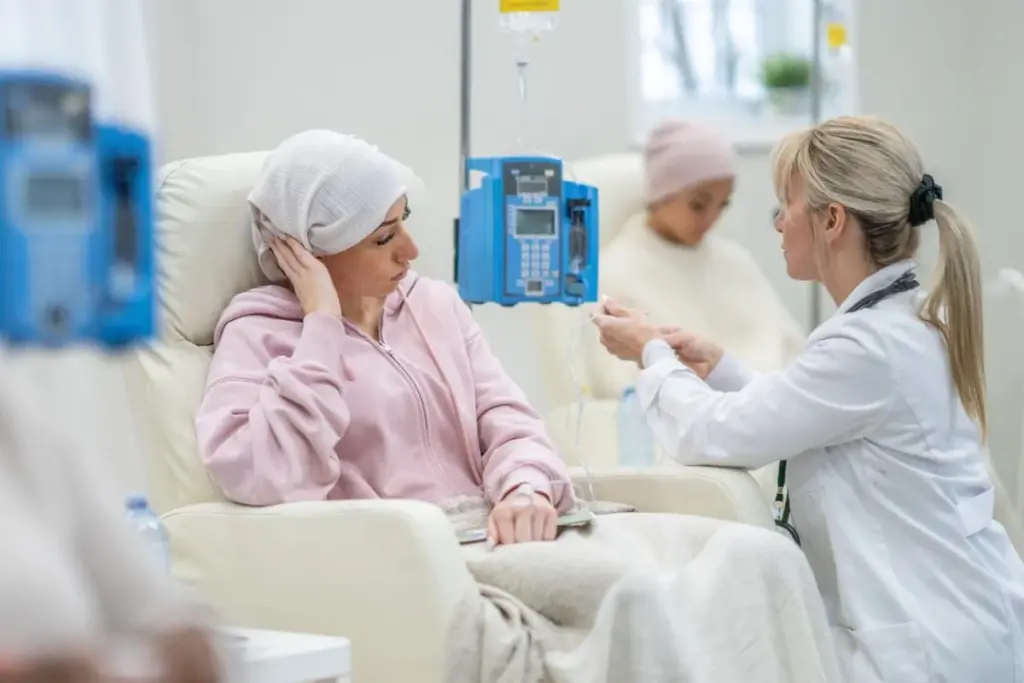
Being told you have a blood-related illness or cancer can be scary. But seeing a hematologist oncologist is a big step towards getting the right care. Our team is here to offer world-class treatment with a personal touch.
A hematologist oncologist is a doctor who deals with blood diseases and cancers. This includes anemia, leukemia, lymphoma, and many cancers. They use their knowledge to give patients the best care possible, following the latest international standards.
Seeing a hematologist specialist means you get access to new treatments and a better understanding of your illness. This helps you make informed choices about your health.
Key Takeaways
- Understanding the role of a hematologist oncologist in diagnosing and treating blood-related illnesses and cancers.
- Recognizing the importance of specialized care for complex conditions.
- Accessing advanced treatment options guided by international protocols.
- Receiving compassionate support and care from a dedicated medical team.
- Benefiting from a personalized approach to healthcare.
Understanding the Role of a Hematologist Oncologist

Hematologist oncologists are experts in blood disorders and cancers. They have training in both hematology and oncology. This makes them great at handling complex cases.
The Dual Specialty Explained
These doctors are trained in hematology and oncology. They can diagnose and treat blood disorders and cancers. This includes anemia, bleeding disorders, and blood cancers like leukemia and lymphoma.
They are key in giving complete care. For example, a leukemia patient needs cancer treatment and blood disorder management. Our hematologist oncologists are ready to handle these complex needs.
Educational Background and Training
To be a hematologist oncologist, one must go through a lot of education and training. This includes medical school, internal medicine residency, and fellowship in hematology and oncology.
This tough path prepares them for top-notch patient care. Our team has this training, keeping us up-to-date with the latest in hematology and oncology.
|
Training Component |
Description |
Duration |
|---|---|---|
|
Medical School |
Foundational education in medicine |
4 years |
|
Internal Medicine Residency |
Practical training in internal medicine |
3 years |
|
Hematology and Medical Oncology Fellowship |
Specialized training in hematology and oncology |
2-3 years |
Our doctors combine deep training with a focus on patients. This approach ensures top healthcare for our patients. We use the latest techniques to compete globally for the best medical results.
Common Reasons for Referral to a Hematologist

Getting a referral to a hematologist oncologist means you need expert help for blood issues or cancer. It might seem scary, but it’s a key step to getting the right treatment.
Abnormal Blood Test Results
Often, people are sent to a hematologist oncologist because of abnormal blood test results. These results can show many things, like anemia or serious diseases like leukemia. Our hematologist oncologists can figure out what’s wrong and plan the best treatment.
Suspected Blood Disorders
If a doctor thinks you might have a blood disorder, like a problem with bleeding or clotting, you’ll be sent to a hematologist oncologist. These experts can diagnose and treat blood and bone marrow issues, giving you the best care.
Cancer Screening and Diagnosis
Cancer screening and diagnosis are big parts of hematology oncology. If a doctor suspects cancer, like blood cancers, you might be referred to a hematologist oncologist. Our team uses the latest methods to find and treat cancer, making a plan just for you.
At our place, we’re tackling cancer’s big challenges with new ideas and global knowledge. Knowing why you need to see a hematologist oncologist helps you see how important it is to get the right care for your needs.
Blood Disorders Treated by Hematologist Oncologists
We know how vital hematologist oncologists are for blood-related issues. These doctors specialize in diagnosing and treating many blood disorders. They provide care that meets each patient’s specific needs.
Anemia and Related Conditions
Anemia is when the body doesn’t have enough healthy red blood cells. This makes it hard for oxygen to reach tissues. Hematologist oncologists treat different types of anemia, like iron or vitamin deficiencies, and anemia from chronic diseases.
Treatment approaches for anemia include diet changes, iron supplements, or finding and fixing the cause. Sometimes, treatments like erythropoiesis-stimulating agents are needed.
Bleeding and Clotting Disorders
Bleeding and clotting disorders, like hemophilia and deep vein thrombosis (DVT), affect blood clotting. Hematologist oncologists use various treatments, from clotting factor therapy to anticoagulants, to manage these conditions.
- Hemophilia A and B
- Von Willebrand disease
- Deep vein thrombosis (DVT)
- Pulmonary embolism
Blood Cell Abnormalities
Hematologist oncologists also handle blood cell abnormalities. This includes conditions like low white blood cell count (neutropenia) and low platelet count (thrombocytopenia). They manage these to prevent infections and bleeding.
|
Condition |
Description |
Common Treatments |
|---|---|---|
|
Anemia |
Low red blood cell count or hemoglobin level |
Iron supplements, dietary changes, erythropoiesis-stimulating agents |
|
Hemophilia |
Bleeding disorder due to clotting factor deficiency |
Clotting factor replacement therapy, gene therapy |
|
Deep Vein Thrombosis (DVT) |
Clot formation in deep veins |
Anticoagulant medications, thrombolytic therapy |
|
Neutropenia |
Low white blood cell count |
Granulocyte-colony stimulating factor (G-CSF), antibiotics |
We offer top-notch care with a personal touch. Our hematologist oncologists work with patients to create treatment plans that fit their needs. This ensures the best care for each patient’s blood disorder.
Types of Cancer Managed by Hematologist Oncologists
Hematologist oncologists lead in cancer care, using the latest methods to treat many cancers. This improves patient results. We aim to offer top-notch healthcare with full support for our patients.
Blood Cancers: Leukemia, Lymphoma, and Myeloma
Blood cancers are a big focus for hematologist oncologists. These include:
- Leukemia: A cancer of the blood and bone marrow with too many white blood cells.
- Lymphoma: A cancer starting in the lymph system, part of the immune system.
- Myeloma: A cancer of plasma cells in the bone marrow causing anemia, bone pain, and infections.
We use advanced tests and treatments to manage these cancers well. Our plans are made just for each patient’s needs.
Solid Tumors: Breast, Prostate, and Lung Cancers
Hematologist oncologists also handle some solid tumors. These include:
- Breast Cancer: A cancer in the breast tissue needing a detailed treatment plan with surgery, chemotherapy, and radiation.
- Prostate Cancer: A cancer in the prostate gland in men, treated with therapies based on the disease’s stage and aggressiveness.
- Lung Cancer: A leading cause of cancer deaths worldwide, needing quick diagnosis and treatment from a team of specialists.
Our hematologist oncologists team up with other experts for the best care. We use the newest research and treatments to boost survival rates and quality of life for our patients.
We are committed to using the latest in hematology/oncology to compete globally for the best medical results. Our dedication to quality care never wavers, and we keep improving to meet our patients’ changing needs.
The First Appointment: What to Expect
At your first visit with a hematologist oncologist, you’ll get a detailed check-up. This includes looking over your medical history and doing a physical exam. We know this visit can be important and a bit scary, so we’re here to help you know what to expect.
Medical History and Physical Examination
We’ll go over your medical history in detail at your first visit. This includes any past illnesses, treatments, and family health. This info helps us understand your situation and plan your treatment. We’ll also do a physical exam to check for any signs of blood disorders or cancer.
Key parts of the medical history review are:
- Previous diagnoses and treatments
- Family history of blood disorders or cancer
- Current symptoms and medications
Initial Tests and Evaluations
After reviewing your history and doing a physical exam, we might do some tests. These tests could be blood work, imaging studies, or other procedures. They help us understand what’s going on with your health.
|
Test Type |
Purpose |
|---|---|
|
Blood Tests |
To analyze blood cell counts and detect abnormalities |
|
Imaging Studies |
To visualize internal organs and detect any abnormalities |
|
Bone Marrow Biopsy |
To examine the bone marrow for cancer cells or other abnormalities |
Discussing Your Concerns and Questions
Your first visit is also a chance to talk about any worries or questions you have. We want you to share your symptoms, fears, and hopes. This helps us give you the best care possible.
Some questions you might ask include:
- What are the possible causes of my symptoms?
- What diagnostic tests will be required?
- What treatment options are available for my condition?
By the end of your first visit, you’ll know more about your condition and how we’ll treat it. We aim to provide top-notch care with a personal touch. We want to make sure you get care that fits your needs.
Diagnostic Procedures Used by Hematologist Oncologists
Diagnosing blood disorders and cancers requires precise procedures. We use advanced techniques at our institution. These methods help us achieve top medical results globally.
Blood Tests and Analysis
Blood tests are key in diagnosing blood-related issues. They check red and white blood cells, platelets, and abnormal cells. These tests help spot anemia, infections, and leukemia.
Key blood tests include:
- Complete Blood Count (CBC)
- Blood Smear
- Coagulation Tests
These tests give us insights into a patient’s health. We then plan the best treatment.
Bone Marrow Biopsy and Aspiration
Bone marrow biopsies and aspirations are vital for diagnosing blood disorders and cancers. They take a bone marrow sample for examination. This helps us find issues like leukemia and lymphoma.
The process involves:
- Preparing the patient and the site for the procedure
- Extracting a bone marrow sample using a specialized needle
- Analyzing the sample under a microscope for abnormal cells
Imaging Studies and Other Specialized Tests
Imaging studies are also important for diagnosing and staging cancers. CT scans, MRI, and PET scans show cancer spread and treatment success.
“Imaging studies are essential for accurate staging and treatment planning in cancer care.” –
A leading oncologist
Genetic testing is another specialized test. It finds specific mutations in blood disorders or cancers. This helps us create personalized treatment plans.
By combining these diagnostic methods, we can accurately diagnose and treat our patients.
Treatment Approaches in Hematology Oncology
The field of hematology oncology has grown a lot. Now, treatments are made just for each patient. We use new ideas and work together worldwide to give the best care.
Personalized Treatment Plans
Hematologist oncologists make personalized treatment plans with a team. They look at the patient’s history, cancer type, and health. This way, we find treatments that work well and have fewer side effects.
Our method includes:
- Advanced tests to learn about each patient’s condition.
- Working with many specialists for full care.
- Checking and changing the plan as needed.
Multidisciplinary Team Approach
A multidisciplinary team approach is key for top care. Our team has doctors, nurses, social workers, and more. They all work together to help our patients.
Together, we can:
- Get more accurate diagnoses with many experts.
- Make treatment plans that fit each patient’s needs.
- Offer support for emotional, social, and practical challenges.
We’re dedicated to world-class healthcare and support. We think combining personal plans with a team effort can really help those with blood disorders and cancers.
The Growing Demand for Hematologist Specialists in the US
The US is seeing more need for hematologist specialists because of more cancer cases. We aim to give top-notch care with a personal touch. It’s key to know why this demand is rising.
Projected Cancer Diagnoses Through 2025
Experts predict a big jump in cancer diagnoses by 2025. For the latest on cancer stats, check out Hematology Advisor.
|
Year |
Projected Cancer Diagnoses |
|---|---|
|
2020 |
1,806,590 |
|
2025 |
2,081,790 |
This means a lot more people will need expert care for cancer and blood issues.
Factors Driving Increased Demand
Several things are making more people need hematologist specialists:
- Aging Population: As more people get older, cancer and blood disorders become more common. This means more need for specialized care.
- Advancements in Diagnostic Techniques: New ways to diagnose diseases lead to quicker and more accurate diagnoses. This means more people need to see hematologist specialists.
- Increased Focus on Personalized Medicine: The move towards treatments that fit each person’s needs means hematologist specialists have to create custom plans.
Understanding these reasons helps us get ready for the growing need for hematologist specialists. We can keep giving top-quality, patient-focused care.
The Concerning Shortage of Hematology Oncology Physicians
The healthcare world is facing a big challenge. There’s a growing shortage of hematology oncology physicians. As more people need cancer care, finding these doctors is becoming harder.
Supply vs. Demand Projections
Looking at the years from 2012 to 2025, we see a big gap. The demand for these doctors is rising fast. This gap is caused by an aging population and more cancer cases.
The need for hematologist oncologists is growing faster than the number of doctors. This is a big problem that needs quick solutions and plans.
The Estimated Shortage
By 2025, we’ll face a shortage of about 2,200 specialists. This shortage will affect cancer care a lot. It could harm treatment results and patient well-being.
To tackle this, we need new ideas and a global approach to cancer care. Using the latest tech, improving training, and teaming up for care can help. We aim to lessen the shortage’s effects.
We understand how serious this issue is. We’re dedicated to top-notch healthcare, even with fewer specialists. Our goal is to give patients the best care possible, despite the shortage.
How Aging Population Impacts Hematology Oncology Care
The aging population brings big changes to hematology oncology care. More people live longer, leading to more age-related blood disorders and cancers. We aim to give top-notch care with a personal touch, focusing on the needs of older patients.
Age-Related Blood Disorders
Older adults face more blood disorders due to aging. Anemia, myelodysplastic syndromes, and clotting disorders are common. We stress early diagnosis and treatment plans that fit each patient.
Age changes the bone marrow and immune system, leading to more blood disorders. Anemia in older adults can come from many sources, like poor nutrition and chronic diseases. Our team works with patients to find the cause and create a treatment plan.
Cancer Prevalence in Older Adults
The risk of cancer, including blood cancers, goes up with age. Older adults get cancer more often due to genetic damage and weaker immune systems. We offer full care, from diagnosis to survivorship, tailored for older adults.
Cancer in older adults is different from younger people’s. We consider health, function, and support systems when planning treatment. Our team makes sure each plan fits the patient’s health and wishes.
Special Considerations for Geriatric Patients
Geriatric patients need special care because of their complex health. We use a full geriatric assessment to guide treatment. This helps improve patient outcomes.
We work together to care for geriatric patients. Hematologists, geriatricians, nurses, and others focus on symptom management and quality of life. Our goal is to provide care that respects the unique needs and values of older adults.
Cutting-Edge Techniques in Modern Hematology
New techniques are changing hematology, making diagnosis and treatment better. We use these advanced methods to help our patients get the best care.
Innovative Diagnostic Methods
Modern hematology uses new ways to diagnose blood disorders and cancers. Some key methods include:
- Next-Generation Sequencing (NGS): This quickly analyzes genes to find mutations in blood cancers and disorders.
- Flow Cytometry: A tool to study cells in a fluid, helping diagnose leukemia and lymphoma.
- Advanced Imaging Techniques: Like PET/CT scans, which show detailed body images, helping stage and monitor cancers.
Advanced Treatment Modalities
Hematology treatments have become more advanced, giving patients new hope. Some of these include:
- Targeted Therapies: Drugs that target cancer cells’ growth and survival, sparing normal cells.
- Immunotherapy: Treatments that use the immune system to fight cancer, like CAR-T cell therapy.
- Precision Medicine: Tailored treatments based on each patient’s disease, often using genetic info.
Research and Clinical Trials
Research and clinical trials are key to advancing hematology. They help us:
- Try new diagnostic and treatment methods.
- Check if new therapies work and are safe.
- Give patients access to new treatments not yet common.
By joining research and trials, we aim to offer the latest care and better outcomes for our patients.
The Patient Experience: Ongoing Treatment and Follow-up
Treatment for blood disorders and cancers is a journey. It needs care and support. At our institution, we offer top-notch treatment with a personal touch. We make sure our patients get the best care at every step.
Treatment Schedules and Protocols
Each patient gets a treatment plan made just for them. Our team creates personalized treatment schedules that match their lifestyle and health needs.
- Regular chemotherapy sessions
- Targeted therapy protocols
- Immunotherapy treatment plans
We follow these protocols to ensure our patients get consistent, high-quality care. Our team is ready to answer any questions or concerns during treatment.
Managing Side Effects
Managing side effects is key to a good patient experience. We know that effective side effect management can greatly improve a patient’s life during treatment.
- Monitoring and assessing side effects
- Implementing strategies to mitigate side effects
- Providing support for managing symptoms
Our team works hard to help patients deal with treatment side effects. We make sure they get the support they need.
Long-term Survivorship Care
Long-term care is vital for survivors. We focus on their ongoing health and well-being. We provide comprehensive survivorship care plans tailored to each patient’s needs.
Our approach includes:
- Regular follow-up appointments
- Surveillance for late effects of treatment
- Support for a healthy lifestyle
By focusing on long-term care, we help our patients achieve the best outcomes. We aim to improve their quality of life.
Ethical Standards and Patient-Centered Care
Dealing with cancer care is complex. Keeping to ethical standards and focusing on patient-centered care is key. Hematologist oncologists follow these to give patients full and caring treatment.
Informed Consent and Shared Decision Making
Informed consent is vital in hematology oncology. It means giving patients all the facts about their condition, treatment choices, and what might happen. This lets patients make smart choices about their health. Shared decision making goes further by working together to make treatment plans that fit the patient’s needs and wishes.
Good informed consent and shared decision making need doctors to explain complex medical stuff simply. This shows respect for patients’ choices and builds trust in the healthcare team.
Quality of Life Considerations
Quality of life is a big deal for patients with blood disorders and cancers. Hematologist oncologists aim to find the right balance between effective treatments and how they affect patients’ lives. They work to manage symptoms, reduce side effects, and support patients’ health in all ways.
By focusing on quality of life, doctors can make patients’ experiences better, even with tough diagnoses.
Support Services and Resources
Care in hematology oncology goes beyond just medicine. It includes things like counseling, nutrition advice, pain management, and help with the healthcare system. By meeting patients’ many needs, doctors can give care that really puts patients first.
We face the challenge of cancer care with new ideas and a global approach. This ensures patients get top-notch care that meets their unique needs.
Questions to Ask Your Hematologist Oncologist
Being ready with the right questions is key when seeing a hematologist oncologist. At our place, we aim to give top-notch care with a personal touch. We want to make sure you know everything about your treatment.
Understanding Your Diagnosis
Getting to know your diagnosis is the first step towards good treatment. Ask your hematologist oncologist to explain your condition clearly. They should tell you the type, stage, and how it might change your daily life.
- What type of blood disorder or cancer do I have?
- What is the stage or severity of my condition?
- How will my condition impact my daily life and activities?
Treatment Options and Side Effects
It’s important to know your treatment options and possible side effects. This helps you make smart choices. Talk to your hematologist oncologist about the following:
- What are my treatment options, and which do you recommend?
- What are the possible side effects of each treatment, and how can they be managed?
- Are there any clinical trials or new treatments available that I might be eligible for?
Long-term Outlook and Follow-up Care
Knowing your long-term outlook and follow-up care is key for planning ahead. Ask your hematologist oncologist about:
- What is my long-term outlook or prognosis?
- What follow-up care will I need, and how often will I need to see my hematologist oncologist?
- Are there any lifestyle changes or precautions I should take to manage my condition effectively?
By asking these questions, you’ll understand your condition better and the treatment options. This empowers you to make informed decisions about your care.
Conclusion
Hematologist oncologists are key in medical care. They help diagnose and treat blood disorders and cancers. These conditions affect patients and their families deeply.
Our team is dedicated to giving top-notch care. We use the newest medical research and technology. We focus on each patient’s needs and worries.
We aim to make a big difference in people’s lives. Our goal is to provide the best care possible. We keep working to improve in hematology oncology.
FAQ
What is a hematologist oncologist?
A hematologist oncologist is a doctor who deals with blood disorders and cancers. They treat conditions like leukemia, lymphoma, and myeloma.
Why am I being referred to a hematologist oncologist?
You might see a hematologist oncologist if your blood tests show something odd. Or if you have symptoms of cancer. They offer specialized care.
What kind of training does a hematologist oncologist have?
A hematologist oncologist has a lot of training. They learn about internal medicine, hematology, and oncology. This helps them care for blood disorders and cancers well.
What blood disorders are treated by hematologist oncologists?
Hematologist oncologists treat many blood disorders. This includes anemia, bleeding and clotting issues, and blood cell problems. They also handle sickle cell disease and thalassemia.
What types of cancer do hematologist oncologists manage?
They manage blood cancers like leukemia, lymphoma, and myeloma. They also treat solid tumors, such as breast, prostate, and lung cancers.
What can I expect during my first appointment with a hematologist oncologist?
At your first visit, you’ll get a full medical history and physical check-up. They’ll also do initial tests to figure out your condition and plan your treatment.
What diagnostic procedures are used by hematologist oncologists?
Hematologist oncologists use blood tests, bone marrow biopsies, and imaging studies. These help them diagnose and keep track of blood disorders and cancers.
How are treatment plans developed for patients with blood cancers and disorders?
Treatment plans are made just for you. They consider your disease type and stage, health, and what you prefer. A team of doctors works together to create your plan.
What is the role of a hematologist oncologist in managing side effects?
Hematologist oncologists help manage side effects from cancer treatment. They guide you on how to handle symptoms and improve your quality of life.
How can I find a hematologist oncologist near me?
To find a hematologist oncologist, ask your doctor for a referral. You can also check with your insurance or search online for specialists in your area.
What questions should I ask my hematologist oncologist?
Ask about your diagnosis, treatment options, and possible side effects. Also, ask about your long-term outlook. This ensures you understand your condition and care plan.
What is the importance of long-term survivorship care?
Long-term survivorship care is key for managing late effects of cancer treatment. It promotes healthy habits and offers ongoing support to improve your quality of life.
References
- Targeted Oncology. (n.d.). The Shrinking Oncology Workforce and Its Impact on Supply and Demand. Retrieved from https://www.targetedonc.com/view/the-shrinking-oncology-workforce-and-its-impact-on-supply-and-demand