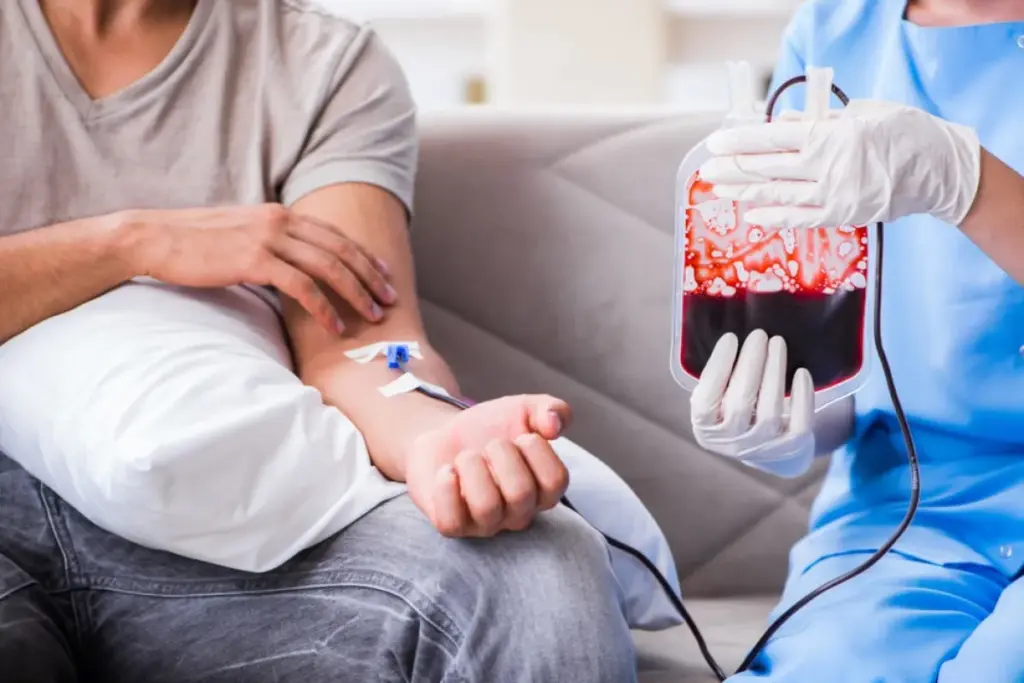
Blood diseases like leukemia, lymphoma, and myelodysplastic syndromes (MDS) are part of this group. Non-malignant conditions, such as hemolytic anemias and bleeding disorders, also belong here.
It’s important to understand hematological disorders for proper diagnosis and treatment. Thanks to modern healthcare, managing these conditions has gotten better. This has improved patient outcomes.
Key Takeaways
- Hematological disorders affect the blood, bone marrow, and lymphatic system.
- These conditions range from benign to malignant.
- Examples include leukemia, lymphoma, and bleeding disorders.
- Effective diagnosis and treatment are critical for patient outcomes.
- Modern healthcare has improved the management of hematological disorders.
The Composition and Function of Blood

Red Blood Cells and Hemoglobin
Red blood cells carry oxygen from our lungs to our body’s tissues. They have hemoglobin, a protein that binds to oxygen. This protein also gives blood its red color.
A normal count of red blood cells is important for oxygen delivery. Problems with red blood cells can cause anemia or polycythemia.
White Blood Cells and Immunity
White blood cells are key to our immune system. They fight infections and foreign invaders. There are different types of white blood cells, each with its own role.
“The immune system is a complex network of cells, tissues, and organs that work together to defend the body against pathogens.” –
Immunology Expert
Platelets and Clotting Factors
Platelets are small cell fragments that help with blood clotting. When we bleed, platelets form a plug to stop the bleeding. Clotting factors, proteins in blood plasma, work with platelets to create a stable clot.
Plasma and Its Components
Plasma is the liquid part of blood, making up about 55% of it. It’s mostly water, with proteins, nutrients, hormones, gases, waste, and ions making up the rest. Plasma helps transport these substances, keeping our body balanced.
|
Component |
Function |
|---|---|
|
Red Blood Cells |
Carry oxygen |
|
White Blood Cells |
Immune defense |
|
Platelets |
Blood clotting |
|
Plasma |
Transport medium |
Defining Hematological Disorders
Hematological disorders affect the blood, bone marrow, and lymphatic system. They can be either malignant or non-malignant. These conditions greatly impact health and quality of life.
These disorders are complex and varied. They involve different parts of the blood and related systems. To understand them, we need to know about the affected systems and their functions.
Overview of Blood, Bone Marrow, and Lymphatic System Conditions
The blood, bone marrow, and lymphatic system are closely linked. Disorders in these areas can have wide-ranging effects. Examples include anemia, leukemia, lymphoma, and bleeding disorders.
Blood dyscrasias refer to disorders affecting the blood and its components. These can vary from mild to life-threatening.
Classification of Blood Disorders
Blood disorders are grouped into several categories. These categories are based on their characteristics and the systems they affect. The main categories include:
- Malignant disorders, such as leukemia and lymphoma
- Non-malignant disorders, including anemia and bleeding disorders
- Disorders affecting the lymphatic system
|
Category |
Examples |
Characteristics |
|---|---|---|
|
Malignant |
Leukemia, Lymphoma |
Cancerous conditions affecting blood cells |
|
Non-Malignant |
Anemia, Bleeding Disorders |
Non-cancerous conditions affecting blood cells and clotting |
|
Lymphatic System |
Lymphoma, Lymphedema |
Conditions affecting the lymphatic system |
Impact on Overall Health and Quality of Life
Hematological disorders can greatly affect health and quality of life. Symptoms can range from mild fatigue to severe pain and life-threatening complications.
The quality of life for those with these disorders can be impacted by the condition’s severity, treatment effectiveness, and complications.
Understanding these disorders’ impact is key to creating effective treatment plans and support systems. This helps improve patient outcomes.
The Science of Hematology
Hematology is the study of blood and its disorders. It’s a complex field that’s always changing. It helps diagnose, treat, and manage blood-related conditions, making it key in medicine.
What Hematologists Study and Treat
Hematologists are doctors who deal with blood disorders. They handle everything from anemias and bleeding disorders to blood cancers like leukemia. They use tools like blood counts and genetic testing to manage these conditions.
“The field of hematology is constantly evolving, with new diagnostic techniques and treatments being developed to improve patient outcomes.” – This quote shows how hematology keeps getting better for patients.
The Role of Bone Marrow in Blood Disorders
Bone marrow is key for making blood cells. Problems with it can cause many blood disorders. Knowing about bone marrow is vital for diagnosing and treating these issues.
- Bone marrow aspiration and biopsy are critical diagnostic tools.
- Bone marrow transplantation is a treatment option for certain blood cancers and disorders.
Advancements in Hematological Research
Recently, hematological research has made big strides. New treatments like targeted therapies and immunotherapies have come along. These have given patients with blood disorders new hope.
For example, gene therapy is showing promise for genetic blood disorders. Researchers are also looking into stem cell transplantation for various blood conditions.
As research keeps moving forward, hematology will likely see even more breakthroughs. This will lead to better care for patients.
Epidemiology of Blood Disorders
Global Prevalence Statistics
Blood disorders are a big health issue worldwide. They affect millions, causing anemia, bleeding issues, and blood cancers.
Some blood disorders like sickle cell disease and thalassemia are more common in certain areas. This is because of genetics.
Demographic Patterns in the United States
In the U.S., blood disorders show a mix of genetics, environment, and socio-economics. Some groups face higher risks due to their genes.
Sickle cell disease mainly hits those of African descent. Thalassemia is more common in people from the Mediterranean and Southeast Asia.
Economic and Healthcare Burden
Blood disorders cost a lot, affecting both the sick and healthcare systems. The costs include hospital stays, meds, and long-term care.
These conditions also hurt the quality of life for those affected and their families. They need constant medical care, leading to serious health issues.
The economic burden grows with frequent medical needs, lost work time, and the emotional toll on patients and caregivers. Better understanding of blood disorders is vital. It helps in making public health plans and reducing their impact.
Malignant Hematological Disorders
Malignant hematological disorders are serious conditions affecting the blood, bone marrow, and lymphatic system. They are caused by uncontrolled growth of cancer cells. This can greatly impact a person’s quality of life.
Leukemia: Types and Characteristics
Leukemia is a blood cancer that starts in the bone marrow. It involves the abnormal production of white blood cells. There are different types, each with its own characteristics and treatment options.
Acute Leukemias like ALL and AML are aggressive and need quick treatment. On the other hand, chronic leukemias like CLL and CML progress more slowly.
Lymphoma and Lymphatic System Cancers
Lymphoma is cancer of the lymphatic system, a part of the immune system. It includes Hodgkin lymphoma and non-Hodgkin lymphoma (NHL). These types vary in how aggressive they are and how well they respond to treatment.
- Hodgkin lymphoma has Reed-Sternberg cells and follows a more predictable pattern.
- Non-Hodgkin lymphoma is more diverse, with different subtypes and behaviors.
Myelodysplastic Syndromes (MDS)
Myelodysplastic syndromes (MDS) are disorders caused by poorly formed blood cells. They can lead to bone marrow failure. MDS can sometimes turn into acute myeloid leukemia.
Treatment for MDS depends on the risk level. It may include supportive care, immunosuppressive therapy, or stem cell transplantation.
Multiple Myeloma
Multiple myeloma is a cancer of plasma cells in the bone marrow. It causes anemia, bone lesions, and infections. Diagnosis involves checking the bone marrow and blood for specific markers.
Treatment for multiple myeloma includes targeted therapies and immunomodulatory drugs. Proteasome inhibitors and stem cell transplantation are also used, often together.
Anemias and Red Blood Cell Disorders
Red blood cell disorders are many and varied. They include iron deficiency anemia, hemolytic anemia, sickle cell disease, and thalassemia. These issues affect how red blood cells are made, work, and last, causing health problems.
Iron Deficiency Anemia
Iron deficiency anemia is the most common anemia. It happens when the body doesn’t have enough iron for hemoglobin. Hemoglobin is key for red blood cells. It can come from not eating enough iron, losing blood too much, or needing more iron.
Symptoms are tiredness, weakness, pale skin, and breathing hard. Treatment is iron pills and eating more iron-rich foods.
Hemolytic Anemias
Hemolytic anemias mean red blood cells break down too early. This can be from infections, medicines, or the body attacking itself. It can cause yellow skin, tiredness, and a big spleen.
Diagnostic approaches include blood tests for bilirubin and red blood cell life span. Treatment varies by cause and might include fixing the cause, medicines, or blood transfusions.
Sickle Cell Disease
Sickle cell disease is a genetic issue that makes red blood cells sickle-shaped. This shape stops them from carrying oxygen well and can cause crises.
Management includes managing pain, staying hydrated, and preventing infections. New treatments are gene therapy and medicines to lessen crises.
Thalassemias
Thalassemias are genetic problems with hemoglobin production. They cause anemia and other issues. The severity can range from mild to severe, needing blood transfusions.
Treatment options are blood transfusions, iron chelation therapy, and sometimes bone marrow transplantation.
|
Condition |
Causes |
Symptoms |
Treatment |
|---|---|---|---|
|
Iron Deficiency Anemia |
Insufficient iron intake or chronic blood loss |
Fatigue, weakness, pale skin |
Iron supplements, dietary adjustments |
|
Hemolytic Anemia |
Infections, medications, autoimmune disorders |
Jaundice, fatigue, enlarged spleen |
Address underlying cause, medications, blood transfusions |
|
Sickle Cell Disease |
Genetic disorder affecting hemoglobin |
Vaso-occlusive crises, anemia |
Pain management, hydration, preventive measures |
|
Thalassemia |
Genetic disorder affecting hemoglobin production |
Anemia, varying severity |
Blood transfusions, iron chelation, bone marrow transplantation |
Bleeding and Clotting Disorders
Bleeding and clotting disorders are complex conditions. They affect the body’s ability to stop bleeding or form clots. Both can be serious health issues.
Hemophilia Types and Severity
Hemophilia is a genetic disorder that makes blood hard to clot. This leads to prolonged bleeding. There are two main types: Hemophilia A and Hemophilia B.
Hemophilia A is caused by a lack of factor VIII. Hemophilia B is caused by a lack of factor IX. The severity depends on how much clotting factor is in the blood.
Treatment for hemophilia involves replacing the missing clotting factor. This is done by infusing it into the bloodstream to help the blood clot.
Von Willebrand Disease Symptoms and Management
Von Willebrand disease is caused by a lack or dysfunction of von Willebrand factor. This protein is key for blood clotting. Symptoms include easy bruising, nosebleeds, and heavy menstrual bleeding.
Managing von Willebrand disease often involves desmopressin. This stimulates the release of von Willebrand factor. Sometimes, replacement therapy with von Willebrand factor concentrates is used.
Factor V Leiden Mutation
The Factor V Leiden mutation increases the risk of blood clots. It affects the factor V protein, making it harder for protein C to inactivate it. This leads to a higher risk of deep vein thrombosis and pulmonary embolism.
Management of Factor V Leiden mutation includes anticoagulant therapy. This is to prevent blood clots, mainly in those with a history of clotting events.
Immune Thrombocytopenic Purpura
Immune thrombocytopenic purpura (ITP) is an autoimmune disorder. It attacks and destroys platelets, which are vital for blood clotting. This increases the risk of bleeding and bruising.
Treatment for ITP includes corticosteroids to reduce platelet destruction. Immunomodulatory drugs and splenectomy are also options. Splenectomy removes the spleen, where platelet destruction often occurs.
Understanding bleeding and clotting disorders is key. Healthcare providers can then offer targeted treatments. This improves patient outcomes.
Rare Blood Disorders and Conditions
It’s important to know about rare blood disorders to help patients. These disorders affect the blood’s makeup and how it works. They can be hard to diagnose and treat.
Langerhans Cell Histiocytosis
Langerhans cell histiocytosis (LCH) is a rare disease. It happens when Langerhans cells grow too much. This can cause many symptoms.
LCH can happen to anyone, from kids to adults. How serious it is can vary a lot. Doctors usually use chemotherapy and sometimes targeted therapy to treat it.
Polycythemia Vera
Polycythemia vera (PV) is a disorder that makes too many blood cells. This includes red blood cells, white blood cells, and platelets. It raises the risk of blood clots.
Complications can be serious, like stroke or heart attack. Doctors use phlebotomy to lower blood thickness. They also use medicines to control cell production.
Paroxysmal Nocturnal Hemoglobinuria
Paroxysmal nocturnal hemoglobinuria (PNH) is a rare and serious blood disease. It causes red blood cells to break down, bone marrow failure, and blood clots. It’s caused by a gene mutation.
Doctors use special medicines to help manage it. These medicines reduce the breakdown of red blood cells.
Blood Dyscrasias
Blood dyscrasias are disorders that affect the blood. They can be benign or cancerous. Finding the right diagnosis is key to treating them.
Each disorder needs a detailed look to figure out the cause and treatment. This is why understanding these conditions is so important for doctors.
In summary, rare blood disorders like Langerhans cell histiocytosis, polycythemia vera, paroxysmal nocturnal hemoglobinuria, and blood dyscrasias are tough to deal with. Knowing about them helps doctors give the best care possible.
Causes and Risk Factors
Blood disorders come from genetics, the environment, and sometimes unknown causes. Knowing these factors helps doctors diagnose and treat blood diseases.
Genetic and Hereditary Factors
Genetics and heredity are big players in blood disorders. For example, sickle cell disease and thalassemia are passed down through genes. They affect how the body makes hemoglobin.
Genetic Factors:
- Mutations in genes responsible for blood cell production
- Inherited conditions passed down through families
- Specific genetic markers associated with increased risk
Environmental and Acquired Causes
Exposure to chemicals, radiation, and infections can also cause blood disorders. These can damage the bone marrow, leading to aplastic anemia or leukemia.
|
Environmental Factor |
Associated Blood Disorder |
|---|---|
|
Chemical Exposure (e.g., benzene) |
Leukemia, Aplastic Anemia |
|
Radiation Exposure |
Leukemia, Lymphoma |
|
Infections (e.g., HIV, Hepatitis) |
Lymphoma, Blood Dyscrasias |
Idiopathic Blood Disorders
Some blood disorders have no known cause, called idiopathic. Idiopathic thrombocytopenic purpura (ITP) is one. Here, the immune system attacks platelets for no clear reason.
“The etiology of many blood disorders remains complex and multifactorial, requiring a comprehensive approach to diagnosis and treatment.” – Hematology Expert
Age and Gender Considerations
Age and gender can affect blood disorder risk and how they show up. For instance, many blood cancers get more common with age. Hemophilia A is more common in males because it’s inherited on the X chromosome.
Knowing the causes and risk factors of blood disorders is key to better treatments. More research into genetics, environment, and unknown causes will help us manage these complex conditions better.
Signs, Symptoms, and Complications
It’s important to know the warning signs of blood disorders early. These disorders can have symptoms ranging from mild to severe. Understanding these signs is key for getting the right treatment.
Common Warning Signs of Blood Disorders
Look out for fatigue, weakness, pale skin, shortness of breath, and frequent infections. These signs can point to issues like anemia, leukemia, and lymphoma.
Symptom Patterns in Different Conditions
Each blood disorder has its own set of symptoms. For example, hemophilia causes easy bruising and prolonged bleeding. Polycythemia vera might lead to headaches and dizziness because of thick blood.
Long-term Complications
Ignoring blood disorders can lead to serious problems. Untreated anemia can cause heart issues. Chronic leukemia might result in bone marrow failure.
|
Blood Disorder |
Common Symptoms |
Potential Complications |
|---|---|---|
|
Anemia |
Fatigue, weakness, pale skin |
Heart problems |
|
Hemophilia |
Easy bruising, prolonged bleeding |
Joint damage, chronic pain |
|
Leukemia |
Frequent infections, weight loss |
Bone marrow failure, organ damage |
When to Seek Medical Attention
If symptoms don’t go away or get worse, see a doctor. Early treatment can greatly improve your chances of recovery.
Diagnostic Approaches and Testing
Hematological disorders are diagnosed with lab tests and clinical checks. These steps are key to find the exact condition, its severity, and treatment plans.
Complete Blood Count and Blood Smears
A Complete Blood Count (CBC) is a common test for blood disorders. It checks blood components like red and white cells, hemoglobin, and platelets. Abnormal results can show anemia, infection, or leukemia.
Blood smears examine blood cell shapes. A thin blood layer is spread on a slide, stained, and viewed under a microscope. It’s great for spotting sickle cell disease or abnormal white cells.
|
Test Component |
Normal Range |
Abnormal Indication |
|---|---|---|
|
Red Blood Cell Count |
4.32-5.72 million cells/μL |
Anemia or Polycythemia |
|
White Blood Cell Count |
3.5-12.5 thousand cells/μL |
Infection, Leukemia |
|
Platelet Count |
150-450 thousand cells/μL |
Thrombocytopenia or Thrombocytosis |
Bone Marrow Aspiration and Biopsy
Bone marrow tests are vital for diagnosing disorders like leukemia and lymphoma. These tests remove bone marrow for study. Aspiration shows cell types, while biopsy looks at marrow structure.
“Bone marrow examination is a cornerstone in the diagnosis of hematological malignancies, providing critical information on disease severity and prognosis.” –
Hematology Expert
Genetic and Molecular Testing
Genetic and molecular tests are key in diagnosing blood disorders. PCR and FISH identify genetic issues, helping guide treatments.
Imaging Studies in Hematology
Imaging like CT scans, MRI, and PET scans are vital in diagnosing and tracking blood disorders. They check disease spread, treatment response, and complications.
PET scans are great for lymphoma, showing metabolic activity and disease spread.
Treatment Modalities and Management
Managing blood disorders requires a mix of treatments. Each plan is made for the specific condition and the patient’s health. The goal is to find the best way to help each person.
Medication Therapies and Protocols
Medicine is key in treating blood disorders. Targeted therapies have changed the game for some blood cancers. They focus on the disease’s specific cells or pathways.
For example, tyrosine kinase inhibitors have made a big difference in leukemia. They stop cancer cells from growing.
Blood Transfusion Procedures
Blood transfusions help with many blood issues, like anemia and bleeding disorders. They add blood or blood parts to the patient’s system.
|
Condition |
Transfusion Type |
Purpose |
|---|---|---|
|
Anemia |
Red Blood Cell Transfusion |
Increase red blood cell count |
|
Bleeding Disorders |
Platelet Transfusion |
Enhance clotting |
Bone Marrow and Stem Cell Transplantation
Bone marrow transplants can cure some blood cancers and disorders. It replaces the patient’s bone marrow with healthy stem cells.
- Allogeneic Transplantation: Uses stem cells from a donor.
- Autologous Transplantation: Uses the patient’s own stem cells.
Emerging and Targeted Therapies
Hematology is seeing big changes with new treatments. Gene therapy and immunotherapy are giving hope to those with few options.
For instance, CAR-T cell therapy is a new immunotherapy. It’s showing great results in treating some blood cancers.
Living with Hematological Conditions
Getting a diagnosis of a hematological condition can change your life. But knowing how to live with it can make a big difference. People with blood disorders face special challenges that need a wide range of solutions.
Coping Strategies for Patients
Dealing with a hematological disorder is more than just treatment. It’s about emotional support, lifestyle changes, and sometimes, talking to a psychologist. Building a strong support network is key. It’s also important to stay informed about your condition and how to manage it.
- Joining support groups to connect with others who have similar experiences
- Engaging in stress-reducing activities such as meditation or yoga
- Maintaining a positive outlook through therapy or counseling
Support Resources and Organizations
Many organizations help patients with hematological conditions. They offer educational materials, support groups, and advocacy. The Leukemia & Lymphoma Society and The Aplastic Anemia & MDS International Foundation are great examples.
|
Organization |
Focus |
Resources |
|---|---|---|
|
The Leukemia & Lymphoma Society |
Leukemia, Lymphoma, and Myeloma |
Support groups, educational materials, financial assistance |
|
The Aplastic Anemia & MDS International Foundation |
Aplastic Anemia, MDS |
Support groups, patient advocacy, research funding |
Lifestyle Modifications
Changing your lifestyle can help manage hematological conditions. This includes eating right, exercising regularly, and avoiding harmful substances. Eating a balanced diet is very important for patients going through treatment.
- Eating a diet rich in fruits, vegetables, and whole grains
- Staying hydrated by drinking plenty of water
- Engaging in regular, moderate exercise
Managing Treatment Side Effects
Managing treatment side effects is key to improving life for patients with hematological disorders. This can mean adjusting medications, trying alternative therapies, and getting supportive care. Talking openly with healthcare providers about side effects is vital for getting the right help.
By using coping strategies, using support resources, making lifestyle changes, and managing side effects, patients with hematological conditions can live fulfilling lives.
Conclusion
Managing hematological disorders well needs a deep understanding of their complexities. Hematology has made big steps in diagnosing and treating blood diseases. This has greatly improved patient results.
Blood disorders include many conditions, like anemias and bleeding issues, to cancers like leukemia and lymphoma. It’s key to know the signs and symptoms early for quick medical help.
New research has brought targeted treatments and better care plans. Knowing the causes, risks, and how to diagnose helps doctors give tailored care to patients.
As we learn more about hematology, it’s vital to spread awareness about blood disorders. This helps improve life quality for those dealing with these diseases.
FAQ
What is a hematological disorder?
A hematological disorder affects the blood, bone marrow, or lymphatic system. It includes many diseases, from cancers to non-malignant disorders.
What are the main components of blood?
Blood has red blood cells, which carry oxygen. It also has white blood cells for immunity and platelets for clotting. The liquid part, plasma, contains proteins and other components.
What is the role of hematologists?
Hematologists study and treat blood disorders. They handle cancers, anemias, bleeding and clotting issues, and other blood-related conditions.
What is the significance of bone marrow in hematological disorders?
Bone marrow makes blood cells. Its problems can cause disorders like leukemia and lymphoma.
What are the symptoms of anemia?
Anemia symptoms include fatigue, weakness, and pale skin. You might also feel short of breath or dizzy.
How is von Willebrand disease managed?
Von Willebrand disease is treated with von Willebrand factor concentrates. Sometimes, desmopressin is used to release the factor.
What is the factor V Leiden mutation?
The factor V Leiden mutation makes factor V resistant to protein C. This increases the risk of blood clots.
What are the treatment options for leukemia?
Leukemia treatment varies by type and stage. It can include chemotherapy, targeted therapy, radiation, and bone marrow transplants.
How are bleeding disorders diagnosed?
Bleeding disorders are diagnosed with clinical evaluation and lab tests. Tests include complete blood counts and clotting factor assays. Genetic testing may also be used.
What is polycythemia vera?
Polycythemia vera is a rare disorder. It causes too many red and white blood cells and platelets, leading to complications like blood clots.
What lifestyle modifications can help manage hematological conditions?
To manage hematological conditions, try dietary changes and regular exercise. Avoid smoking and excessive alcohol. Stress management is also important.
What are the emerging therapies for blood disorders?
New therapies include targeted treatments, gene therapy, and immunotherapy. They aim to treat blood disorders at their source, giving patients new hope.
References
- Fred Hutchinson Cancer Center. Facts & Resources: Blood Disorders. Retrieved from https://www.fredhutch.org/en/diseases/blood-disorders/facts-resources.html
- American Society of Hematology. Effective therapy for MDS is vastly underused (Press Release, 2025). Retrieved from https://www.hematology.org/newsroom/press-releases/2025/effective-therapy-for-mds-is-vastly-underused
- Centers for Disease Control and Prevention (CDC). Sickle Cell Disease Data & Statistics. Retrieved from https://www.cdc.gov/ncbddd/sicklecell/data.html
- National Center for Biotechnology Information (NCBI). [Book or Report Title]. Retrieved from https://www.ncbi.nlm.nih.gov/books/NBK553177/