LivHospital is dedicated to providing top-notch care for lymphoma blood cancer. Lymphoma is a cancer that starts with abnormal lymphocytes, a type of white blood cell in the hematology lymph system, which is a vital part of our immune system. Early detection of lymphoma and understanding symptoms of high lymphocytes are crucial, as signs can include painless swollen lymph nodes, fever, night sweats, fatigue, weight loss, and other symptoms depending on the affected areas. Recognizing these early symptoms allows for timely diagnosis and treatment, improving outcomes and quality of life for patients with lymphoma.
At LivHospital, we see how important it is to learn about lymphoma. Our team works hard to give the best care to those with this disease.
Key Takeaways
- Lymphoma is a type of blood cancer that affects the immune system.
- It develops from abnormal lymphocytes in the lymphatic system.
- LivHospital offers multidisciplinary care for lymphoma patients.
- Understanding the lymphoma disease definition is key to timely treatment.
- Expert care and lymphoma education are vital for managing the condition.
Understanding Lymphoma as a Blood Cancer
Lymphoma is a blood cancer that affects lymphocytes. These cells are key to our immune system. It’s important to understand how it works.
Definition and Origin in Lymphocytes
Lymphoma starts in lymphocytes, which are white blood cells. Lymphomas happen when these cells grow too much. We’ll look at how this affects our bodies.
Abnormal Condition of Lymph Cells
Lymph cells, or lymphoma cells, grow out of control. This causes tumors in lymph nodes or other tissues. The debate on whether lymphoma is a blood disease is ongoing. But it starts in lymphocytes, making it similar to blood cancers.
Global Prevalence and Rising Incidence Rates
Lymphoma accounts for about 5 percent of all cancers worldwide. It’s becoming more common, mainly in developed countries. Below is a table showing global prevalence and trends.
| Region | Incidence Rate | Trend |
| North America | High | Rising |
| Europe | Moderate to High | Stable to Rising |
| Asia | Varies | Rising |

Lymphoma is a big health issue worldwide. It’s called a blood cancer because it starts in lymphocytes. This shows how important it is to understand its effects on our health.
The Relationship Between Hematology, Lymph, and Blood Cancer
Hematology, lymph, and blood cancer are closely linked. We’ll dive into how lymphoma impacts the hematologic lymphatic system. We’ll also look at the role of white blood cells in this process.
The Hematologic Lymphatic System Explained
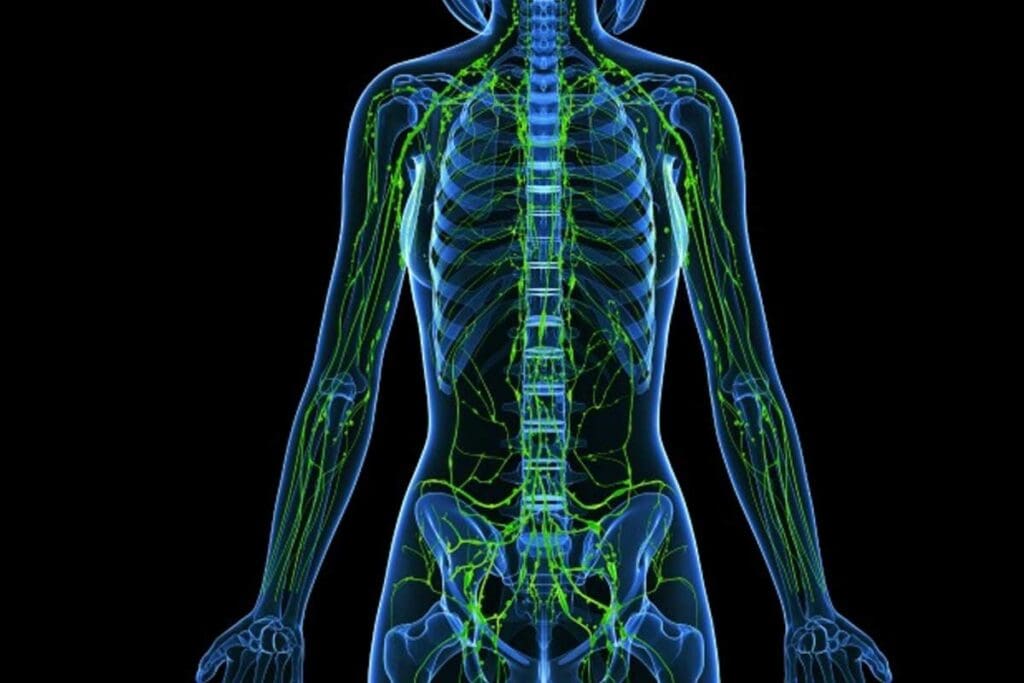
The hematologic lymphatic system is key to our immune health. It produces lymphocytes to fight off infections. This system includes lymph nodes, spleen, and lymphoid tissues, all working together to protect us.
The lymphatic system’s proper functioning is vital for our health. Any issues can lead to conditions like lymphoma.
White Blood Cells and Their Role in Lymphoma
White blood cells, or leukocytes, are central to lymphoma. Lymphoma starts in lymphocytes, a type of white blood cell. Abnormal growth and proliferation of these cells can cause lymphoma, a cancer of the lymphatic system.
Understanding white blood cells’ role in lymphoma is key to finding effective treatments.
Is Lymphoma Considered a Blood Disease?
Lymphoma is seen as a blood cancer because it affects lymphocytes, a vital part of our immune system. Lymphoma’s classification as a blood disease comes from its origin in the lymphatic system, closely tied to the circulatory system. This shows why hematology is important in treating lymphoma.
By grasping the ties between hematology, lymph, and blood cancer, we can better understand lymphoma. This knowledge is vital for improving care and treatment options for patients.
Main Types of Lymphoma Blood Cancer
Lymphoma is divided into two main types: Hodgkin lymphoma and non-Hodgkin lymphoma. This division helps doctors decide on treatment and predict how well a patient will do.
Characteristics and Detection of Hodgkin Lymphoma
Hodgkin lymphoma is characterized by the presence of Reed-Sternberg cells. These are big, abnormal lymphocytes. They are key to diagnosing Hodgkin lymphoma.
People with Hodgkin lymphoma often have swollen lymph nodes, fever, and loss of weight.
Detection Methods: Doctors use a biopsy to find Reed-Sternberg cells. They also use PET scans to see how far the disease has spread.
Varieties and Differences of Non-Hodgkin Lymphoma
Non-Hodgkin lymphoma doesn’t have Reed-Sternberg cells. It comes from B cells or T cells. It can be more aggressive and needs different treatments.
| Characteristics | Hodgkin Lymphoma | Non-Hodgkin Lymphoma |
| Presence of Reed-Sternberg Cells | Yes | No |
| Cell Origin | B cells | B cells or T cells |
| Disease Spread | Typically spreads in an orderly fashion | Can be widespread at diagnosis |
Knowing the differences is key to effective treatment. Hodgkin lymphoma spreads in a pattern, but non-Hodgkin lymphoma can spread unpredictably. This means non-Hodgkin lymphoma often needs a more customized treatment plan.
How Lymphoma Affects the Lymphatic System
It’s important to know how lymphoma affects the lymphatic system. This system is key to our immune response. Lymphoma’s impact on it can be big.
Normal Function of the Lymphatic System
The lymphatic system helps defend our body against infections and diseases. It filters lymph fluid and traps harmful pathogens. It also stores lymphocytes, which are vital for our immune system.
How Lymphoma Cells Disrupt Immune Function
Lymphoma cells can build up in lymph nodes, messing with our immune system. They can change how lymphocytes work. This makes it harder for our bodies to fight off infections.
Lymphoma’s Impact on Lymph Nodes and Organs
Lymphoma can make lymph nodes swell, a common sign of the disease. It can also affect other organs like the spleen, liver, and bone marrow. The effects on these organs depend on the type and stage of lymphoma.
| Organ/System | Normal Function | Impact of Lymphoma |
| Lymph Nodes | Filter lymph fluid, trap pathogens | Enlargement, impaired immune response |
| Spleen | Filters blood, stores lymphocytes | Enlargement, altered immune function |
| Bone Marrow | Produces blood cells | Impaired blood cell production |
Systemic Effects Beyond the Lymphatic System
Lymphoma can also cause systemic effects like fatigue, fever, and weight loss. These symptoms can really affect a patient’s life. It shows why educating patients about lymphoma is so important.
In summary, lymphoma’s effects on the lymphatic system are complex. It impacts immune function, lymph nodes, and other organs. Knowing this helps us better care for patients.
Recognizing and Treating Lymphoma
It’s important to spot lymphoma early for the best treatment. We’ll look at common symptoms and how doctors diagnose it. Lymphoma is a cancer that affects the lymphatic system. It can show up in different ways, making it hard to catch early, but essential.
Common Symptoms: Swollen Lymph Nodes, Fevers, and Fatigue
Lymphoma symptoms can be tricky because they’re similar to other illnesses. You might notice swollen lymph nodes, fevers, and feeling really tired. These signs happen because lymphoma messes with the lymphatic system’s work.
Diagnostic Approaches and Blood Test Changes
To find out if you have lymphoma, doctors use blood tests, lymph node biopsies, and imaging. Blood tests can show if your blood cells are off or if there are other signs of lymphoma. A biopsy of a lymph node is usually needed to make a sure diagnosis.
| Diagnostic Method | Description | Key Findings |
| Blood Tests | Complete Blood Count (CBC), Blood Chemistry Tests | Abnormal white blood cell count, anemia |
| Lymph Node Biopsy | Removal and examination of a lymph node | Presence of cancerous lymphocytes |
| Imaging Studies | CT scans, PET scans, MRI | Extent of disease, involvement of other organs |
Genetic Factors and Targeted Treatment Options
Genetics is a big part of why lymphoma happens. New treatments like monoclonal antibodies and inhibitors are helping more people. These treatments aim at cancer cells, trying to avoid harming healthy ones.
Knowing about genetics and using these new treatments can really help patients. We’re always finding new ways to fight lymphoma, giving hope to people all over the world.
Conclusion: Lymphoma Education and Patient Support
Managing lymphoma blood cancer, well, needs good education and strong support for patients. We think it’s key to teach patients about their disease to help them get better.
Learning about lymphoma helps people spot symptoms and understand tests. It lets them make smart choices about their health care. With the right info, patients can handle the tough parts of treatment better.
Support services are very important for lymphoma patients. We offer help to deal with the emotional and practical issues of the disease. This ensures they get the care and advice they need.
Together, education and support can greatly help those with lymphoma. Our aim is to offer top-notch healthcare and support to patients worldwide.
FAQ
What is lymphoma blood cancer?
Lymphoma is a blood cancer that affects the lymphatic system. This system is part of our immune system. It starts from abnormal lymphocytes, a type of white blood cell.
Is lymphoma considered a blood disease?
Yes, lymphoma is a blood disease. It comes from cells in the lymphatic system. This system is closely related to the hematologic system.
What are the main types of lymphoma?
There are two main types of lymphoma. Hodgkin lymphoma and non-Hodgkin lymphoma. Each has its own characteristics and ways to detect it.
How does lymphoma affect the lymphatic system?
Lymphoma messes with the lymphatic system’s normal work. It causes abnormal lymphocytes to build up in lymph nodes and other organs. This hurts the immune function.
What are the common symptoms of lymphoma?
Symptoms of lymphoma include swollen lymph nodes and fevers. Fatigue and changes in blood tests are also signs. These can show that lymphoma cells are present.
How is lymphoma diagnosed?
Diagnosing lymphoma involves several steps. It includes a physical exam, imaging tests, and lab tests. Blood tests and biopsies help find lymphoma cells and figure out the disease’s type and stage.
What are the treatment options for lymphoma?
Treatment for lymphoma depends on the disease’s type and stage. It may include chemotherapy, radiation therapy, targeted therapy, and immunotherapy. These treatments are often used together.
How do genetic factors influence lymphoma?
Genetic factors can affect lymphoma development. Certain genetic mutations can change the risk of getting the disease. They can also affect how well treatment works.
What is the role of white blood cells in lymphoma?
White blood cells, like lymphocytes, are where lymphoma starts. Abnormal lymphocytes build up in the lymphatic system. This leads to lymphoma.
Can lymphoma be treated effectively?
Yes, lymphoma can be treated well. The success of treatment depends on the disease’s type and stage. It also depends on the person’s overall health. New treatments have improved many patients’ outcomes.
References
- Jamil, A. (2023). Lymphoma. In StatPearls. https://www.ncbi.nlm.nih.gov/books/NBK560826/