Hematology focuses on diseases of the blood, bone marrow, and lymphatic system. Learn about the diagnosis and treatment of anemia, leukemia, and lymphoma.
Send us all your questions or requests, and our expert team will assist you.
The management of Polycythemia Vera is focused on reducing the risk of thrombosis, alleviating symptoms, and preventing disease progression. Since PV is a chronic condition, the treatment strategy is designed for the long term, often spanning decades. The therapeutic approach is risk adapted; patients are stratified based on their thrombotic risk profile. At Liv Hospital, we employ a holistic strategy that combines standard cytoreductive therapies with novel targeted agents and rigorous cardiovascular risk management to ensure optimal outcomes.
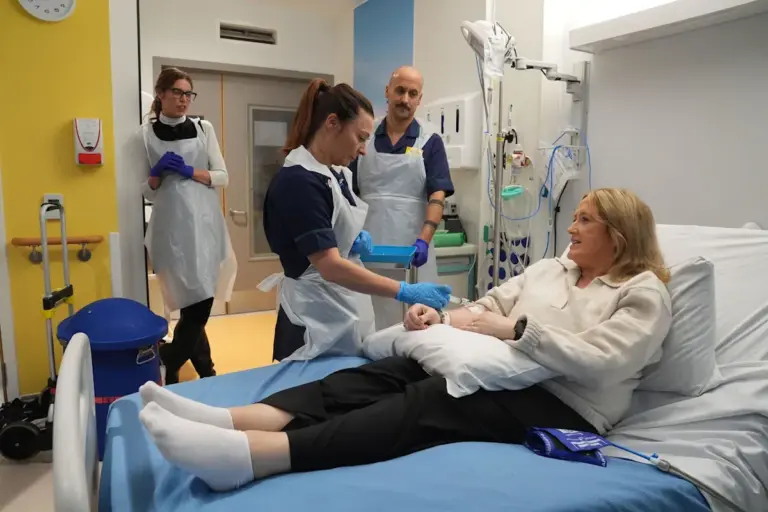
Phlebotomy, or venesection, remains the first line treatment for achieving rapid control of red cell mass.
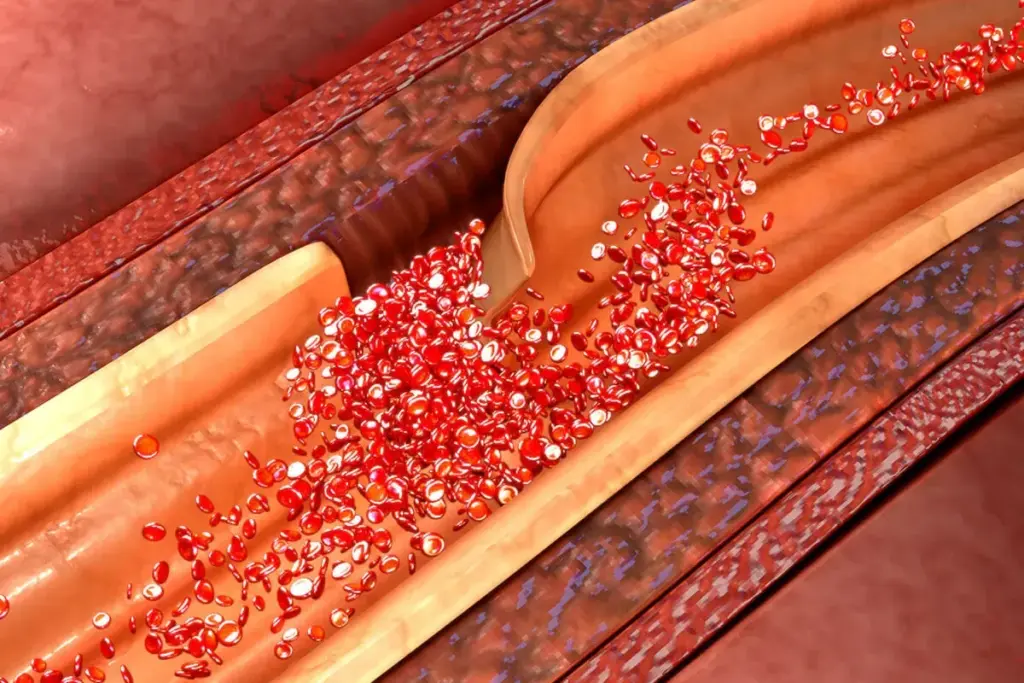
The immediate effect of phlebotomy is the reduction of blood volume and viscosity, improving hemodynamic flow. Long term, repeated phlebotomy induces a state of iron deficiency. Since iron is the essential building block of hemoglobin, restricting iron availability limits the bone marrow’s capacity to produce red blood cells (“rate limiting” hematopoiesis).
Clinical trials, specifically the CYTO PV study, have definitively established that maintaining a hematocrit of less than 45 percent significantly reduces the rate of cardiovascular death and major thrombotic events. This target applies to both men and women.
Initially, phlebotomies may be performed once or twice a week to rapidly bring the hematocrit down to a safe level. Once the target is reached, the frequency is reduced to a maintenance schedule, which varies for each patient. While effective, phlebotomy does not control high white cell or platelet counts and does not treat symptoms like itching or spleen enlargement.
Low dose aspirin is a standard of care for all PV patients without a specific contraindication.
Aspirin irreversibly inhibits cyclooxygenase 1 (COX 1) in platelets, preventing the formation of thromboxane A2, a potent inducer of platelet aggregation and vasoconstriction. This reduces the “stickiness” of the platelets.
Aspirin has been shown to reduce the risk of non fatal myocardial infarction, stroke, and pulmonary embolism. It is also the specific treatment for erythromelalgia and microvascular disturbances.
The standard dose is typically 75 to 100 mg daily. Higher doses are generally avoided as they increase bleeding risk without providing additional antithrombotic benefit.
Medications to lower blood counts are indicated for “High Risk” patients (age over 60 or history of thrombosis) or for those who are “Low Risk” but have poor tolerance to phlebotomy, progressive splenomegaly, or severe constitutional symptoms.
This is the most widely used first line cytoreductive agent.
Interferon is a biological response modifier.
These are alkylating agents used historically. They are effective but are now reserved for elderly patients or those with short life expectancy due to a well documented risk of inducing leukemia with long term use.
For patients who are resistant to or intolerant of hydroxyurea, JAK inhibitors offer a targeted approach.
Ruxolitinib is a potent inhibitor of JAK1 and JAK2.
Aquagenic pruritus can be resistant to standard antihistamines.
Managing the blood cancer is only half the battle. Aggressive control of blood pressure, lipids, and blood sugar is mandatory. Smoking cessation is non negotiable, as smoking synergizes with PV to drastically increase clot risk.
Surgery poses a high risk for PV patients due to the dual threat of bleeding and clotting.
Send us all your questions or requests, and our expert team will assist you.
In PV, phlebotomy induces a specific kind of iron deficiency that limits red cell production. This is the intended goal. While it can cause fatigue, it is necessary to prevent the more dangerous risks of thick blood.
Yes, switching therapies is common if one is not working or causing side effects. This decision is based on your age, risk profile, and how well your body tolerates the drug.
Aspirin increases the risk of bleeding, especially in the stomach. However, in PV, the benefit of preventing fatal clots usually far outweighs the risk of minor bleeding.
Dehydration reduces the plasma volume (the liquid part of blood), which makes the concentration of red cells relatively higher and the blood thicker. Drinking water helps keep the blood flowing smoothly.
Significant hair loss is rare with Hydroxyurea. Some mild thinning may occur, but it does not cause total hair loss like strong chemotherapy.
Hematology
Hematology
Hematology
Hematology
Hematology
Hematology
Leave your phone number and our medical team will call you back to discuss your healthcare needs and answer all your questions.
Your Comparison List (you must select at least 2 packages)