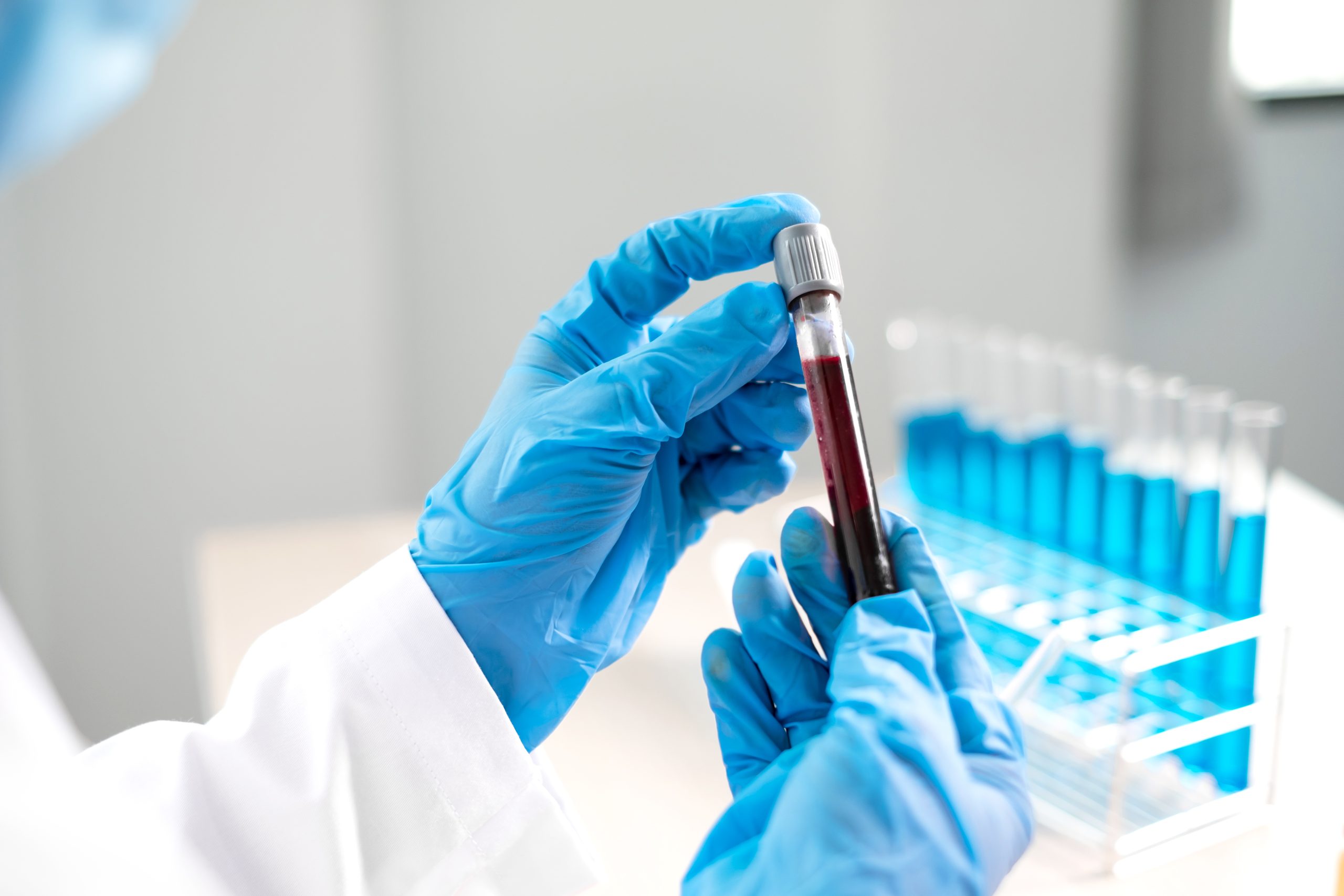
Hematology focuses on diseases of the blood, bone marrow, and lymphatic system. Learn about the diagnosis and treatment of anemia, leukemia, and lymphoma.
We're Here to Help. Get in Touch.
Send us all your questions or requests, and our expert team will assist you.
Sickle Cell Anemia
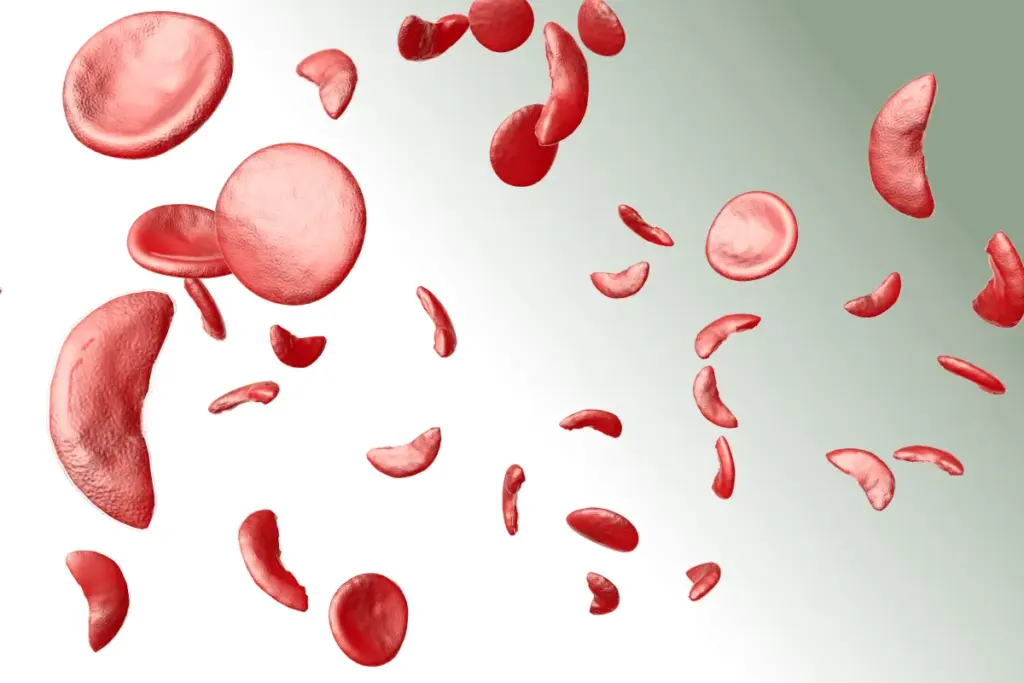
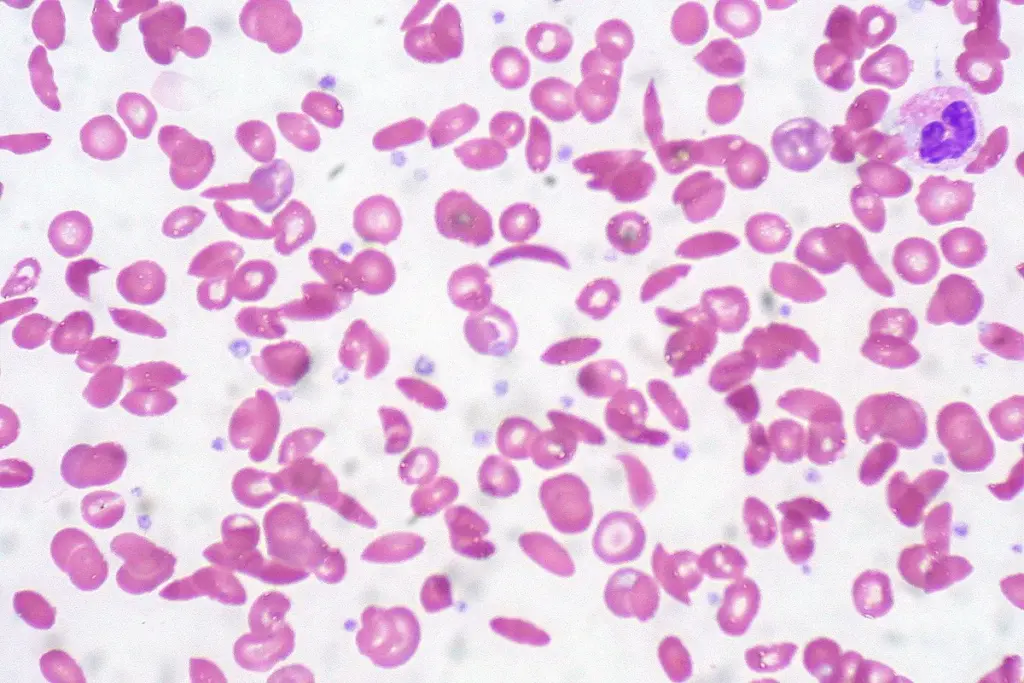
Sickle Cell Anemia is the most common and severe form of a group of inherited blood disorders known collectively as Sickle Cell Disease. It is a lifelong genetic condition that affects the red blood cells, which are the primary transport vehicles for oxygen in the human body. In a healthy individual, red blood cells are round, flexible, and disc shaped, resembling a doughnut without a hole. This specific shape allows them to move easily through even the smallest blood vessels, delivering oxygen to tissues and organs.
In Sickle Cell Anemia, a genetic mutation causes the hemoglobin protein inside the red blood cells to form rigid strands. This structural change forces the cell into a crescent or “sickle” shape, resembling a farm tool. These sticky and rigid cells do not flow smoothly; instead, they tend to clump together, blocking blood flow and causing severe pain, organ damage, and a chronic shortage of red blood cells. At Liv Hospital, we view this condition not merely as a hematological anomaly, but as a systemic disorder that requires a comprehensive understanding of molecular biology and genetics to manage effectively.
The Molecular Basis
The Hemoglobin Defect
To understand the pathology of Sickle Cell Anemia, one must look at the molecular level of the hemoglobin molecule.
Hemoglobin S
Normal adult hemoglobin is called Hemoglobin A. In Sickle Cell Anemia, the body produces an abnormal variant called Hemoglobin S. This error occurs in the beta globin gene found on chromosome 11.
Amino Acid Substitution
The defect is caused by a single point mutation where the amino acid valine is substituted for glutamic acid at the sixth position of the beta globin chain. This seemingly minor change alters the physical properties of the hemoglobin.
Polymerization
When Hemoglobin S releases its oxygen to the tissues, it becomes insoluble. The molecules lock together to form long, rod like polymers. These polymers act like a stiff skeleton inside the red blood cell, distorting its membrane and forcing it into the characteristic sickle shape.
Genetics and Inheritance
Autosomal Recessive Pattern
Sickle Cell Anemia is a genetic disorder, meaning it is passed down from parents to children through genes.
The Carrier State
A person who inherits only one sickle cell gene and one normal gene has the “Sickle Cell Trait.” These individuals are generally healthy and do not show symptoms of the disease because their normal hemoglobin prevents the sickling process. However, they are carriers and can pass the gene to their offspring.
The Disease State
To be born with Sickle Cell Anemia, a child must inherit two sickle cell genes, one from each parent. If both parents are carriers, there is a 25 percent chance with each pregnancy that the child will have the disease.
Genetic Counseling
Understanding these probabilities is crucial for family planning. Genetic counseling provides families with the information needed to make informed decisions regarding reproductive options.
Pathophysiology of Vaso Occlusion
The Traffic Jam Effect
The primary mechanism of injury in this disease is vaso occlusion, or the blockage of blood vessels.
Microvascular Obstruction
Sickle cells are stiff and sticky. As they travel through the microcirculation (capillaries and venules), they adhere to the vessel walls and to each other.
Ischemia and Reperfusion
This blockage stops the flow of blood, depriving tissues of oxygen (ischemia). When the blockage clears, blood rushes back in (reperfusion), which causes inflammation and oxidative stress. This cycle of starvation and sudden flow damages the blood vessels over time, leading to chronic vasculopathy.
Hemolysis and Anemia
Shortened Cell Lifespan
The term “anemia” refers to a shortage of red blood cells.
Rapid Destruction
Normal red blood cells live for about 120 days. Sickle cells, due to their fragility and rigid shape, typically survive only 10 to 20 days.
The Marrow’s Limit
The bone marrow tries to compensate by producing new cells rapidly, but it cannot keep up with the rate of destruction. This results in a chronic state of anemia.
Jaundice
The rapid breakdown of red blood cells releases bilirubin, a yellow pigment. The liver often cannot process this fast enough, leading to yellowing of the eyes and skin (jaundice) and the formation of gallstones.
Types of Sickle Cell Disease
Variations in Genotype
While Sickle Cell Anemia (HbSS) is the most severe form, there are other variants depending on the specific genes inherited.
HbSC Disease
This occurs when a person inherits one sickle cell gene (S) and one gene for another abnormal hemoglobin called “C.” This form is generally milder than HbSS but still causes significant complications.
HbS Beta Thalassemia
This occurs when a person inherits one sickle cell gene and one gene for beta thalassemia, another type of anemia. The severity depends on whether the thalassemia gene produces no normal hemoglobin (Zero) or a reduced amount (Plus).
Clinical Implications
Identifying the exact genotype is essential because it influences the prognosis and the aggressiveness of the treatment plan required.
Global Epidemiology
A Global Health Issue
Sickle Cell Disease is one of the most common genetic diseases worldwide.
Malaria Connection
The gene is most prevalent in populations from regions where malaria is or was common, such as sub Saharan Africa, India, the Mediterranean, and the Middle East.
Evolutionary Advantage
Carriers of the sickle cell trait have a natural resistance to severe malaria. This survival advantage allowed the gene to persist and spread through populations over thousands of years.
Migration Patterns
Today, due to global migration, Sickle Cell Anemia is found in nearly every country, making it a global health priority that requires universal screening protocols.
Historical Context
Evolution of Understanding
The disease was first described in Western medical literature in 1910 by Dr. James Herrick, who noted “peculiar elongated and sickle shaped” red blood cells in a dental student from Grenada.
Molecular Medicine
In 1949, Linus Pauling discovered the abnormal electrical charge of the hemoglobin molecule, labeling it the first “molecular disease.”
Modern Era
Today, the focus has shifted from mere survival to improving quality of life and pursuing cures through stem cell science and gene editing.
30 Years of Excellence
Trusted Worldwide
With patients from across the globe, we bring over three decades of medical
Send us all your questions or requests, and our expert team will assist you.
FREQUENTLY ASKED QUESTIONS
What is the difference between sickle cell trait and sickle cell anemia?
People with the trait have only one abnormal gene and usually live normal lives without symptoms. People with anemia have two abnormal genes and suffer from the severe symptoms of the disease.
Is Sickle Cell Anemia contagious?
No, it is a genetic disorder inherited from your parents. You cannot catch it from contact with another person.
Why are the cells shaped like a sickle?
The abnormal hemoglobin forms rigid rods inside the cell when oxygen is low, stretching the cell into a curved, crescent shape.
Can the disease be cured?
Currently, a bone marrow transplant is the only widely available cure, but gene therapy is emerging as a promising new option.
Does the disease change over time?
Yes, symptoms can change as a person ages. Infants may have hand swelling, while adults may face chronic pain or organ damage.
Sickle Cell Disease in Pregnancy ““ Fertility & Safety
For those with sickle cell disease, having kids can be both thrilling and scary. Thanks to new medical breakthroughs, pregnant women with this condition have
Thalassemia is a genetic disorder that affects how the body makes hemoglobin. It’s known for causing anemia and fatigue. But, research now shows that leg
Sickle Cell Disease ““ Can Gene-Editing Provide a Cure?
Sickle cell disease affects millions worldwide, causing severe pain and serious health complications. Recent breakthroughs in gene-editing technology, like CRISPR, have brought new hope to