Knowing your hemoglobin test results is key to staying healthy. At Liv Hospital, we’re here to help you every step of the way. We offer full care and advice on your health journey.
The hgb test checks how much hemoglobin is in your blood. Hemoglobin is a protein in red blood cells that carries oxygen. If your hemoglobin levels are off, it could mean you have a health issue. So, it’s important to know what your results say.
At Liv Hospital, we use the latest tech to give you precise blood test haemoglobin level results. Our team is ready to help you make sense of your results. We’ll work with you to keep your health in top shape.
Key Takeaways
- Understanding your hemoglobin test results is vital for overall health.
- The hgb test measures the amount of hemoglobin in your blood.
- Abnormal hemoglobin levels can indicate various health conditions.
- Modern diagnostics provide accurate and reliable blood test results.
- Our team of experts is dedicated to helping you understand your results.
What Is Hemoglobin and Why Is It Important?
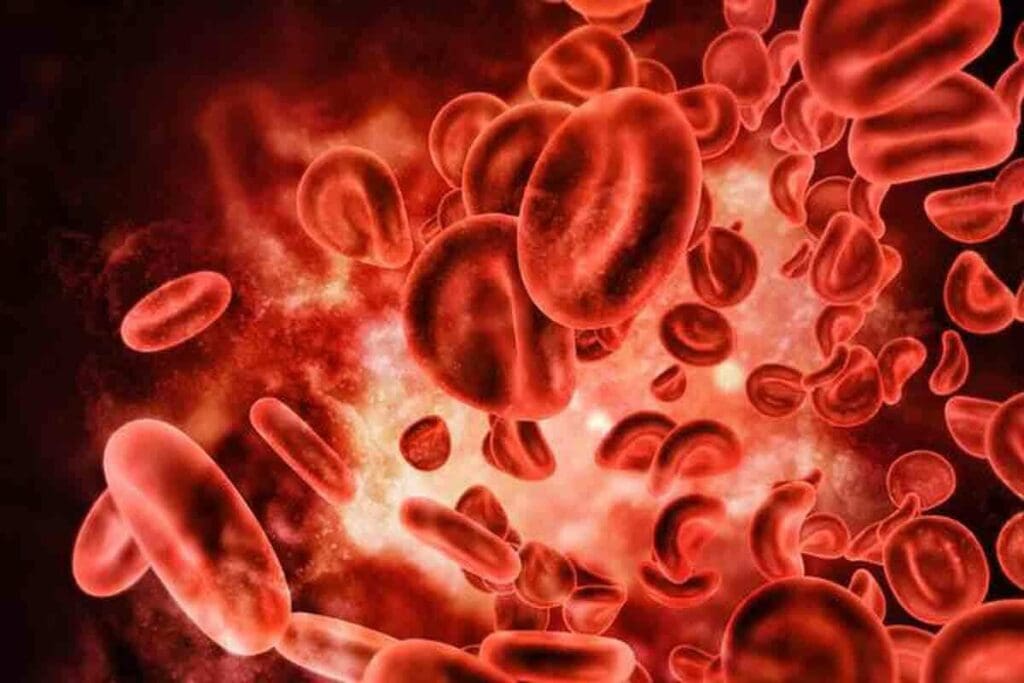
Hemoglobin is a key protein in red blood cells. It carries oxygen all over the body. It’s vital for our health, making sure tissues and organs get enough oxygen.
The Role of Hemoglobin in Oxygen Transport
Hemoglobin’s main job is to pick up oxygen in the lungs and carry it to our body’s tissues. This is key for energy production, as oxygen fuels our cells. Without enough hemoglobin, our body’s tissues wouldn’t get the oxygen they need, causing health problems.
For more info on hemoglobin testing, check out MedlinePlus.
Hemoglobin Structure and Function
Hemoglobin is made of four protein chains and four heme groups, which have iron. This iron is key for grabbing onto oxygen. Its structure lets it change shape when it binds to oxygen, helping it carry oxygen.
Knowing how hemoglobin works is important for diagnosing and treating health issues. For example, low hemoglobin levels can mean iron deficiency, chronic disease, or genetic problems. High levels might be due to dehydration, high altitudes, or diseases like polycythemia vera.
Hemoglobin tests are a big help for doctors. They help figure out these health issues and plan the right treatment.
The Complete Guide to Hemoglobin Test Procedures
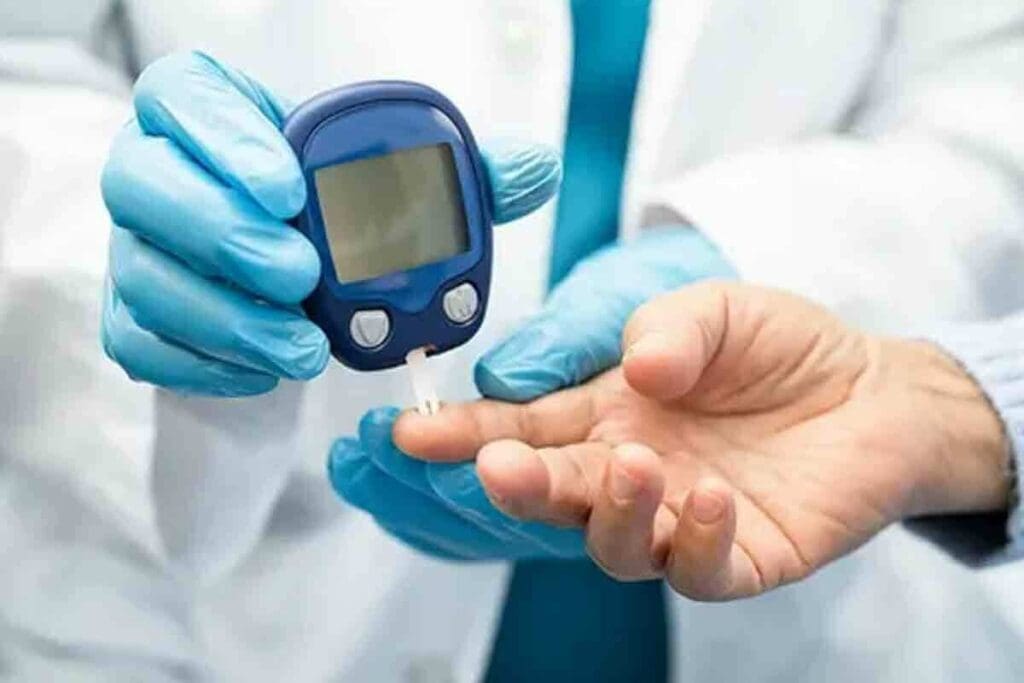
Hemoglobin testing is key in a complete blood count (CBC). It gives important health insights. We’ll cover the steps in hemoglobin testing, what it measures, and when it’s used.
What a Hemoglobin Test Measures
A hemoglobin test checks the blood’s hemoglobin amount. Hemoglobin is a protein in red blood cells that carries oxygen. It’s part of a CBC and helps diagnose and track health issues like anemia and polycythemia.
The test measures hemoglobin in grams per deciliter (g/dL). Normal ranges are between 13.8 and 17.2 g/dL for adult males and 12.1 to 15.1 g/dL for adult females.
Common Terminology: Hgb, Hb, and HCB in Lab Tests
In lab tests, you’ll see Hgb and Hb for hemoglobin. Hgb is used in medical records and lab results. HCB (or Hct) is for hematocrit, the red blood cell proportion in blood.
- Hgb/Hb: Hemoglobin
- HCB/Hct: Hematocrit
When Doctors Order Hemoglobin Tests
Doctors order hemoglobin tests for routine check-ups or to diagnose and monitor health issues. Common reasons include:
- Diagnosing anemia or polycythemia
- Monitoring chronic diseases like kidney disease or cancer
- Assessing blood loss or chronic bleeding
- Evaluating nutritional deficiencies, such as iron deficiency
How the Hemoglobin Test Is Performed
The hemoglobin test is a key part of blood work. It’s done in a simple way. This test helps find and track health issues, making it very important in medical care.
Blood Collection Process
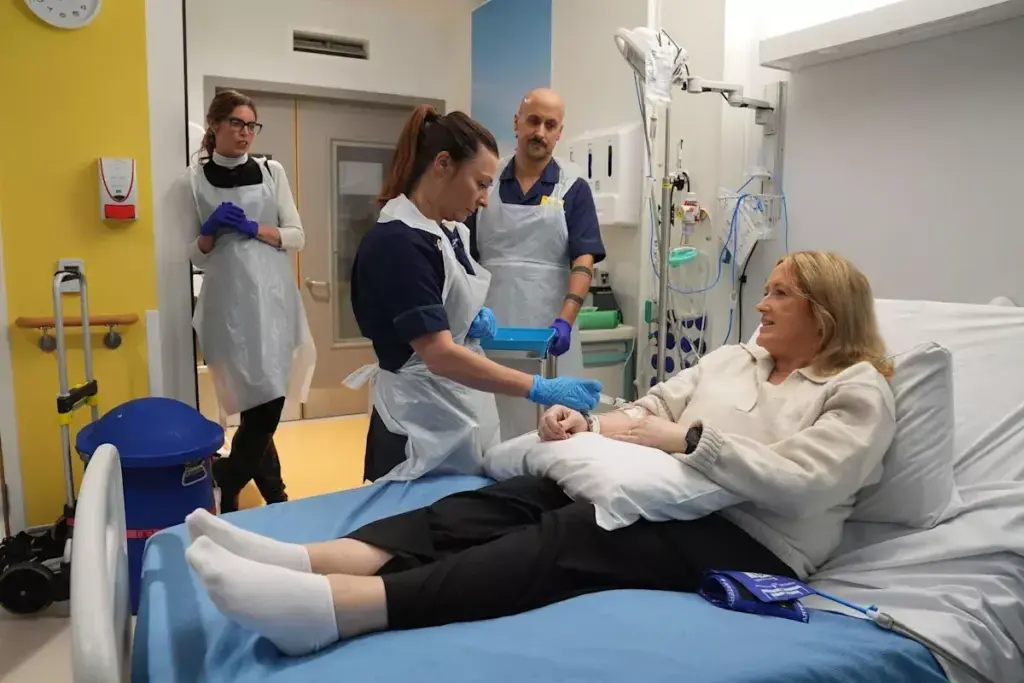
To start, a blood sample is taken. This is done through venipuncture, where a healthcare professional takes blood from a vein in the arm. Sometimes, a finger-prick test is used, depending on the situation or the patient.
The blood collection is quick and easy. Patients might sit or lie down. The area is cleaned, and then the needle is inserted. After that, the blood goes to a lab for testing.
Laboratory Analysis Methods
After the blood is taken, it goes to a lab for testing. The hemoglobin level is checked as part of a complete blood count (CBC). This gives important info about blood’s different parts.
In the lab, special machines analyze the blood. These machines use flow cytometry and spectrophotometry to get accurate results. This helps doctors understand the blood’s health.
Knowing how a hemoglobin test is done can make people less nervous. It helps them feel more in control of their health. By understanding the process, individuals can be more involved in their care.
Normal Hemoglobin Levels: Understanding Reference Ranges
Hemoglobin levels vary based on age, sex, and ethnicity. It’s key to know these differences to understand test results.
Reference Ranges for Adult Males
Adult males usually have hemoglobin levels between 13.8 and 17.2 g/dL. This range is for healthy adult men. Age, health, and altitude can change what’s normal for someone.
Reference Ranges for Adult Females
Adult females have a different range, from 12.1 to 15.1 g/dL. This range takes into account the differences between men and women. It also considers how menstrual cycles affect hemoglobin.
Reference Ranges for Children and Infants
Hemoglobin levels change a lot as kids grow. Newborns have high levels that drop as they get older. Knowing these changes is vital for kids’ health tests.
Variations by Ethnicity and Geographic Location
Ethnicity and where you live can also impact hemoglobin levels. For example, people at high altitudes might have more hemoglobin. Some ethnic groups might have different average levels. These factors are important when looking at test results.
Knowing about normal hemoglobin ranges helps doctors make better diagnoses. It’s also good for people to understand their own health and test results.
Insight 1: Low Hemoglobin Results and Their Clinical Significance
We look into what low hemoglobin results mean for patients. Low hemoglobin often points to anemia. It can greatly affect a person’s health and life quality.
Common Causes of Low Hemoglobin
Many things can cause low hemoglobin. These include not getting enough nutrients, chronic diseases, and genetic disorders. Knowing these causes helps doctors diagnose and treat better.
- Nutritional Deficiencies: Not getting enough iron, vitamin B12, and folate can lower hemoglobin.
- Chronic Diseases: Diseases like chronic kidney disease, rheumatoid arthritis, and cancer can harm hemoglobin production.
- Genetic Disorders: Inherited conditions like thalassemia and sickle cell anemia can greatly affect hemoglobin levels.
Symptoms Associated with Low Hemoglobin
Symptoms of low hemoglobin vary. They often include feeling very tired, weak, dizzy, and short of breath. Spotting these symptoms early can help get medical help quickly.
| Symptom | Description |
| Fatigue | Persistent feeling of tiredness or lack of energy |
| Weakness | Muscle weakness or lack of strength |
| Dizziness | Feeling lightheaded or unsteady |
| Shortness of Breath | Difficulty breathing or feeling winded even at rest |
Health Implications of Anemia
Anemia, with low hemoglobin, can be serious if not treated. It can cause heart problems, poor pregnancy outcomes, and affect brain function.
Understanding low hemoglobin’s causes, symptoms, and effects helps doctors treat it better. They can address nutritional needs, manage chronic diseases, and support genetic disorders.
Insight 2: High Hemoglobin Levels and Associated Conditions
It’s important to know why high hemoglobin levels happen. A blood test can show if your hemoglobin is too high. This can mean you have health issues like polycythemia, dehydration, or live at high altitudes.
Polycythemia and Other Causes of Elevated Hemoglobin
Polycythemia means you have too many red blood cells. This can be due to polycythemia vera or other reasons like chronic hypoxia. Dehydration and some tumors can also cause high hemoglobin levels.
High Altitude Effects on Hemoglobin
High altitudes make your body produce more hemoglobin. This helps your body get enough oxygen. But, it’s key to know if this is normal or a sign of a problem.
Symptoms of High Hemoglobin
High hemoglobin can cause headaches, dizziness, and itching, often after hot showers. In severe cases, it can lead to blood clots. Spotting these symptoms early is important for treatment.
Potential Health Risks of Elevated Levels
High hemoglobin can increase your risk of heart problems and blood clots. The thick blood can put a lot of strain on your heart. This can lead to serious issues like heart failure or stroke if not managed.
| Cause | Description | Potential Risks |
| Polycythemia | Excessive red blood cell production | Thrombosis, cardiovascular events |
| Dehydration | Concentration of blood due to fluid loss | Thrombosis, organ failure |
| High Altitude | Adaptation to lower oxygen levels | Generally adaptive, but can lead to polycythemia |
Knowing the causes and risks of high hemoglobin is key to managing it. Healthcare providers can then create specific treatment plans to help you stay healthy.
Insight 3: Hemoglobin Test as Part of Complete Blood Count (CBC)
The hemoglobin test is key in a Complete Blood Count (CBC). It shows how well the blood is working. A CBC checks many parts of the blood, like red and white blood cells, and platelets.
Hemoglobin in Complete Blood Count (CBC)
A CBC looks at many health markers. Hemoglobin (Hgb) is a big part of it. It helps find and track issues like anemia and polycythemia.
Looking at a CBC report, we see hemoglobin levels with other markers. This gives a full picture of a patient’s health.
Correlation with Hematocrit and Red Blood Cell Count
Hemoglobin is checked with hematocrit and red blood cell count. These show how red blood cells are doing together.
If hemoglobin is low, so might hematocrit and red blood cell count. This could mean anemia. But, high hemoglobin levels might point to polycythemia.
How Doctors Interpret Hgb in Bloodwork
Doctors look at hemoglobin with other CBC parts, medical history, and symptoms. Odd hemoglobin levels can show many health problems, from lack of nutrients to chronic diseases.
For example, low hemoglobin and red blood cell count might mean iron deficiency anemia. High hemoglobin and hematocrit could suggest polycythemia vera, where the bone marrow makes too many red blood cells.
By checking hemoglobin in a CBC, doctors can decide on more tests, diagnosis, and treatment.
Insight 4: Factors That Can Affect Your Hemoglobin Test Results
Many things can change your hemoglobin levels. Knowing about these can help you make better health choices. Hemoglobin test results are not just numbers. They can be changed by different things, so it’s important to think about these factors for a correct diagnosis.
Lifestyle Influences on Hemoglobin Levels
What you do every day can change your hemoglobin levels. Smoking, for example, can make your body produce more hemoglobin. This is because your body tries to make up for the lack of oxygen from smoking. On the other hand, people who exercise a lot might have different hemoglobin levels than others.
Diet is also very important for healthy hemoglobin levels. Not getting enough iron, vitamin B12, or folate can lower your hemoglobin. It’s key to eat enough of these nutrients or take supplements.
Medications That Impact Hemoglobin
Some medicines can change your hemoglobin levels. For instance, erythropoietin injections can make your hemoglobin go up. But, some medicines like chemotherapy can make it go down. This is because they affect how your bone marrow makes red blood cells.
| Medication Category | Effect on Hemoglobin | Examples |
| Erythropoietin | Increases | Epogen, Procrit |
| Chemotherapy | Decreases | Cisplatin, Carboplatin |
Environmental Factors
Things around you, like altitude, can also change your hemoglobin levels. At high places, your body makes more red blood cells to handle less oxygen. This means your hemoglobin levels can go up. It’s important to know about these environmental changes to understand your test results.
Other things in your environment, like chemicals or toxins, can also affect your red blood cell production. This can change your hemoglobin levels too.
Insight 5: How to Prepare for a Hemoglobin Test
Knowing how to prepare for a hemoglobin test is key. It makes sure your test results are right. This helps your doctor make good health choices for you.
Pre-Test Instructions
Before your hemoglobin test, follow your doctor’s pre-test advice. They might tell you to eat or drink certain things. Even though you don’t need to fast, your doctor might ask you to if you’re doing other tests too.
Here are some tips to get ready:
- Drink lots of water to stay hydrated
- Don’t do hard exercise before the test, as it can change your results
- Wear loose clothes so it’s easy to get your blood taken
Fasting Requirements
Usually, you don’t need to fast for a hemoglobin test. But, if you’re doing other blood tests, your doctor might ask you to fast. It’s important to follow these rules to get right results for all tests.
What to Tell Your Healthcare Provider
Telling your doctor about important things can help them understand your test results better. Make sure to share:
- Any medicines you’re taking, as they can change your hemoglobin levels
- Any recent blood transfusions or big bleeding
- Your health history, including any ongoing conditions or recent sicknesses
For more tips on getting ready for blood tests, check out Docs Medical Group’s Urgent Care.
By following these steps and talking well with your doctor, you can get accurate hemoglobin test results. This helps your healthcare team give you the best care for your needs.
Insight 6: Treatment Options for Abnormal Hemoglobin Levels
Abnormal hemoglobin levels can be treated in many ways, depending on the cause. Each treatment is made just for the person, helping manage their condition well.
Addressing Low Hemoglobin
Low hemoglobin, often seen in anemia, needs a detailed treatment plan. This might include eating more iron, taking iron supplements, or fixing issues like chronic bleeding or vitamin shortages.
Managing High Hemoglobin
High hemoglobin levels can be handled in several ways. This includes removing blood to lower red blood cell count, blood thinners, or treating conditions like polycythemia vera.
Dietary Approaches to Hemoglobin Regulation
Eating right is key to managing hemoglobin levels. For low hemoglobin, eating foods rich in iron like red meat and spinach helps. Vitamin C, found in citrus fruits and bell peppers, boosts iron absorption.
For high hemoglobin, it’s best to limit iron intake. Drinking plenty of water is important for both low and high hemoglobin, keeping blood viscosity healthy.
Warning Signs That Require Immediate Care
Knowing when to seek urgent medical help is critical. Signs like severe shortness of breath, chest pain, or dizziness need quick attention.
Follow-Up Testing for Abnormal Results
Regular follow-up tests are vital to check if treatment is working. Blood tests track hemoglobin levels, helping adjust treatment plans as needed.
Questions to Ask Your Doctor About Your Hemoglobin Results
It’s important to understand your hemoglobin results and their health implications. Ask your doctor questions like: “What causes my abnormal hemoglobin levels?” “What treatments are available?” and “How can I manage my condition through lifestyle changes?”
| Treatment Aspect | Low Hemoglobin | High Hemoglobin |
| Dietary Changes | Increase iron intake through foods like red meat and spinach | Avoid excessive iron intake |
| Medical Interventions | Iron supplements, addressing underlying causes | Therapeutic phlebotomy, medications to thin blood |
| Lifestyle Adjustments | Stay hydrated, consume vitamin C to enhance iron absorption | Stay hydrated, monitor and manage underlying conditions |
Conclusion: Taking Control of Your Health Through Understanding Hemoglobin Tests
Knowing about hemoglobin tests is key to keeping healthy. By understanding Hgb test results, we can manage our health better. These tests show how well our body carries oxygen to our tissues and organs.
We’ve looked at why hemoglobin is important for oxygen transport. We’ve also covered how tests are done and what the results mean. Knowing about hemoglobin tests helps us understand our health and make smart choices about our care.
Starting to take care of your health means knowing your hemoglobin test results. If your results are not normal, talk to your doctor right away. Together, you and your healthcare team can find out what’s wrong and how to fix it.
By learning about hemoglobin tests and their results, we can take charge of our health. We can make choices that help us stay healthy and feel our best.
FAQ
What is a hemoglobin test, and what does it measure?
A hemoglobin test checks the amount of hemoglobin in your blood. Hemoglobin is a protein in red blood cells. It carries oxygen from your lungs to your body’s tissues.
What is considered a normal hemoglobin level?
Normal hemoglobin levels vary by age and gender. For adult men, it’s between 13.8 and 17.2 g/dL. For women, it’s between 12.1 and 15.1 g/dL. Kids and babies have different ranges.
What does low hemoglobin mean, and what are its symptoms?
Low hemoglobin, or anemia, can make you feel tired, dizzy, and short of breath. You might also have pale skin. It happens when you don’t have enough red blood cells or hemoglobin.
What causes high hemoglobin levels?
High hemoglobin levels can be due to polycythemia, where your body makes too many red blood cells. It can also be caused by high altitude, dehydration, or certain health conditions.
How is a hemoglobin test performed?
A hemoglobin test is done by taking a blood sample. This can be through a vein or a finger prick. The blood is then tested in a lab.
What factors can affect hemoglobin test results?
Many things can change your hemoglobin test results. Lifestyle, some medicines, and environmental factors like high altitude can all play a role.
How can I prepare for a hemoglobin test?
To get ready for a hemoglobin test, follow any instructions from your doctor. Also, tell them about any medicines or supplements you’re taking.
What are the treatment options for abnormal hemoglobin levels?
Treatment for abnormal hemoglobin levels depends on the cause. It might include changing your diet, taking iron supplements, or other treatments for anemia or polycythemia.
What does it mean when my hemoglobin level is outside the normal range?
If your hemoglobin level is not in the normal range, it could mean there’s a health issue. Talk to your doctor to find out why and what to do next.
How is hemoglobin test used in conjunction with other blood tests?
The hemoglobin test is often part of a Complete Blood Count (CBC) test. A CBC gives a full picture of your blood health by checking many things, including hematocrit and red blood cell count.
Reference:
- Medical News Today. Hemoglobin: Normal levels, risk factors, and more. https://www.medicalnewstoday.com/articles/318050