
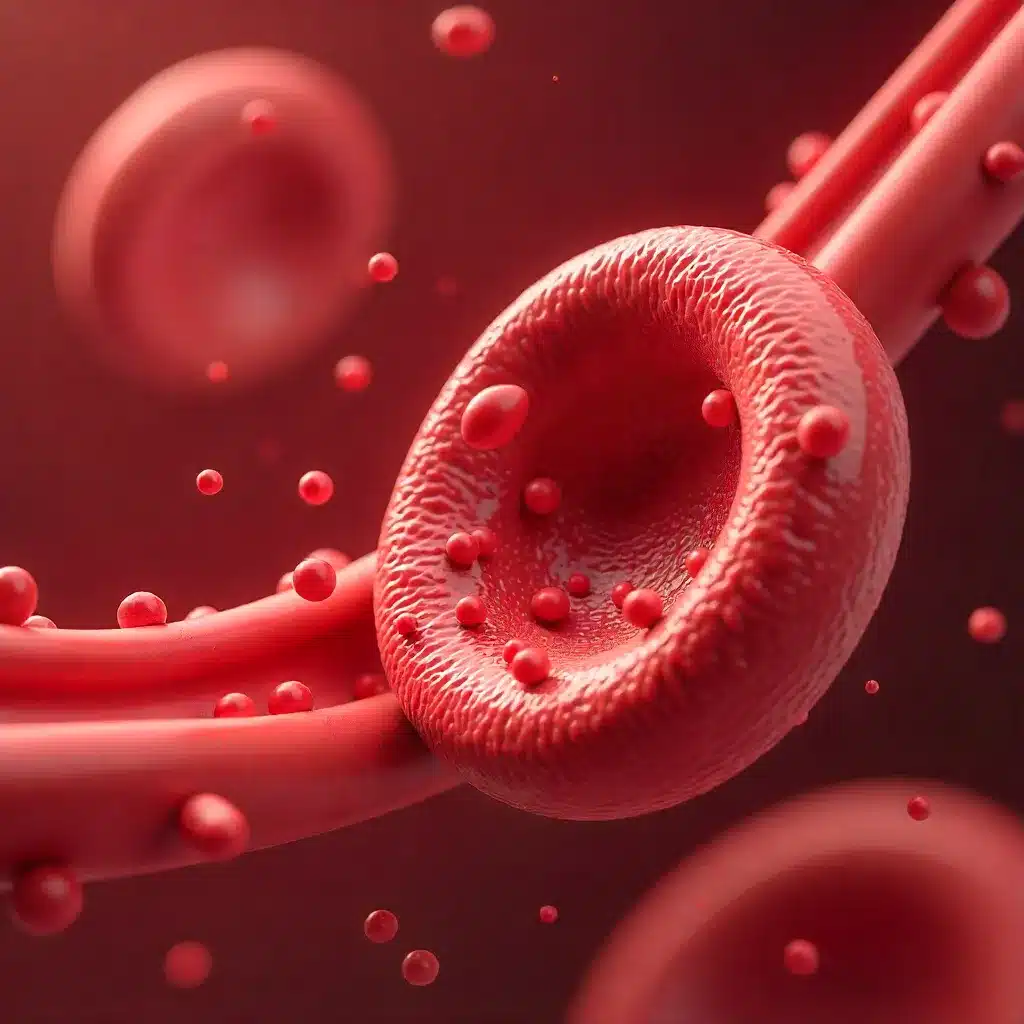
Paroxysmal Nocturnal Hemoglobinuria (PNH) is a rare and serious disease. It destroys red blood cells from the inside. It affects about 1-2 people per million each year, making it an ultra-rare condition.
PNH causes the destruction of red blood cells. This can lead to severe hemolytic anemia. This condition can greatly affect a person’s quality of life. We will look into the details of PNH, its symptoms, how it’s diagnosed, and treatment options.
Key Takeaways
- PNH is an ultra-rare blood disorder affecting 1-2 people per million each year.
- The disease is characterized by the destruction of red blood cells, potentially leading to severe anemia.
- PNH can significantly impact the quality of life due to its symptoms and complications.
- Early diagnosis and appropriate treatment are key in managing PNH.
- Advancements in medical care have improved outcomes for individuals with PNH.
The Essential Functions of Red Blood Cells in Human Health
Red blood cells carry oxygen from the lungs to our body’s tissues. This is key to our health. Knowing how red blood cells work helps us understand diseases like Paroxysmal Nocturnal Hemoglobinuria (PNH).
Oxygen Transport and Delivery to Tissues
Red blood cells, or erythrocytes, are disk-shaped. They have a protein called hemoglobin. Hemoglobin picks up oxygen in the lungs and releases it to our tissues.
This is vital for our cells to make energy. For more on rare anemias, check out.
Oxygen binds to hemoglobin in red blood cells. This bond is reversible, letting oxygen reach our tissues. The health and number of red blood cells affect this process.
Normal Red Blood Cell Production and Lifecycle
Red blood cells are made in the bone marrow. They live for about 120 days before being replaced. This cycle is essential for healthy oxygen delivery.
Many things can affect how red blood cells are made. This includes diet, bone marrow issues, and chronic diseases. Knowing this helps us diagnose and treat red blood cell problems.
|
Function/Lifecycle Stage |
Description |
|---|---|
|
Oxygen Transport |
Red blood cells carry oxygen from lungs to tissues. |
|
Carbon Dioxide Removal |
They also transport carbon dioxide from tissues back to lungs. |
|
Production |
Red blood cells are produced in the bone marrow. |
|
Lifespan |
Average lifespan is approximately 120 days. |
|
Removal |
Old or damaged cells are removed from circulation. |
Hemolytic Anemia: When Red Blood Cells Are Under Attack
When red blood cells are destroyed faster than they can be made, it’s called hemolytic anemia. This can happen for many reasons, like autoimmune diseases, infections, or genetic issues. It causes symptoms that can really affect someone’s life.
Mechanisms of Red Blood Cell Destruction
Red blood cells can be destroyed in different ways. Autoimmune hemolytic anemia happens when the immune system attacks the body’s own red blood cells. This can be caused by infections, medicines, or autoimmune diseases.
Genetic problems can also lead to hemolytic anemia. For example, hereditary spherocytosis makes red blood cells shaped wrong and more likely to break down.
Classification of Hemolytic Disorders
Hemolytic anemias are grouped based on their causes and how they happen. The main types are:
- Hereditary hemolytic anemia, caused by genetic issues with red blood cells.
- Acquired hemolytic anemia, caused by things outside the body like infections or medicines.
- Autoimmune hemolytic anemia, where the immune system attacks the body’s red blood cells.
Impact on Overall Health and Wellness
Hemolytic anemia can really affect someone’s health and well-being. Symptoms include tiredness, jaundice, and shortness of breath. In bad cases, it can cause heart problems and damage to organs.
“Understanding the cause of hemolytic anemia is key to treating it. With the right care, many people can live full and happy lives.”
Treatment for hemolytic anemia depends on the cause. It might include managing symptoms, treating the underlying cause, and therapies to stop red blood cell destruction. The table below shows the causes and effects of hemolytic anemia.
|
Cause |
Mechanism |
Impact |
|---|---|---|
|
Autoimmune disorders |
Immune system attacks red blood cells |
Anemia, fatigue, jaundice |
|
Genetic mutations |
Abnormal red blood cell production or function |
Chronic anemia, organ damage |
|
Infections |
Infection triggers hemolysis |
Acute anemia, potentially life-threatening |
Paroxysmal Nocturnal Hemoglobinuria (PNH): An Ultra-Rare Blood Disorder
Paroxysmal Nocturnal Hemoglobinuria (PNH) is a rare condition that affects the bone marrow. It makes it hard for the bone marrow to make healthy red blood cells. This is a big deal for those who have it.
Definition and Epidemiology
PNH is known for causing hemolytic anemia, thrombosis, and bone marrow problems. It’s very rare, with only 1-2 cases per million people. This makes it hard to diagnose and treat because not many people know about it.
It can happen to anyone, but it’s more common in adults. Scientists are trying to figure out why it happens. They think it might be because of genetic mutations in the PIGA gene.
|
Epidemiological Aspect |
Description |
Statistic |
|---|---|---|
|
Incidence |
Estimated new cases per million people |
1-2 |
|
Prevalence |
Total existing cases |
Rare, exact numbers not well-documented |
|
Age of Diagnosis |
Common age range for diagnosis |
Adults, though can occur at any age |
Historical Background and Scientific Discovery
PNH has been known for over a century. Doctors first wrote about it in the 19th century. Over time, we’ve learned a lot about it, like how the PIGA gene and the complement system play a role.
New treatments have been developed because of this research. We need to keep studying to better understand and treat PNH.
Risk Factors and Predisposing Conditions
We don’t know all the risk factors for PNH yet. But we do know some conditions increase the risk. These include aplastic anemia and myelodysplastic syndromes.
Knowing these risk factors helps us catch PNH early. We should think of PNH when we see patients with certain symptoms. This could lead to better treatment and care for them.
The Genetic Foundations of PNH
Understanding PNH’s genetic roots is key to finding better treatments. PNH is a rare disorder caused by genetic changes. These changes affect the proteins on blood cells’ surfaces.
The Critical Role of the PIGA Gene
The PIGA gene is vital for making a protein in cell membranes. Mutations in this gene cause a lack of CD55 and CD59 proteins. This makes blood cells more likely to be destroyed.
The PIGA gene’s role is essential in PNH’s development. It helps make GPI, which attaches proteins to cell membranes.
Somatic Mutations and Clonal Expansion
Somatic mutations in the PIGA gene happen in blood stem cells. This leads to more cells without GPI-anchored proteins. This growth is key in PNH’s development.
Genetic changes and the bone marrow environment work together. Knowing this helps us find new treatments for PNH.
|
Gene |
Function |
Effect of Mutation |
|---|---|---|
|
PIGA |
Encodes protein necessary for GPI anchor synthesis |
Deficiency of GPI-anchored proteins (CD55, CD59) |
|
Other Genes |
Various functions in cell regulation and survival |
Varies; can contribute to disease progression or severity |
Genetic Testing and Counseling Approaches
Genetic tests for PNH look at the PIGA gene for mutations. Tests include flow cytometry and genetic sequencing. These methods check for GPI-anchored proteins and specific mutations.
Genetic counseling is vital for those tested for PNH. Counselors explain test results, risks to future generations, and the emotional impact of diagnosis.
For families with PNH, counseling offers support. It helps with family planning and managing the condition.
Clinical Presentation and Symptom Spectrum of PNH
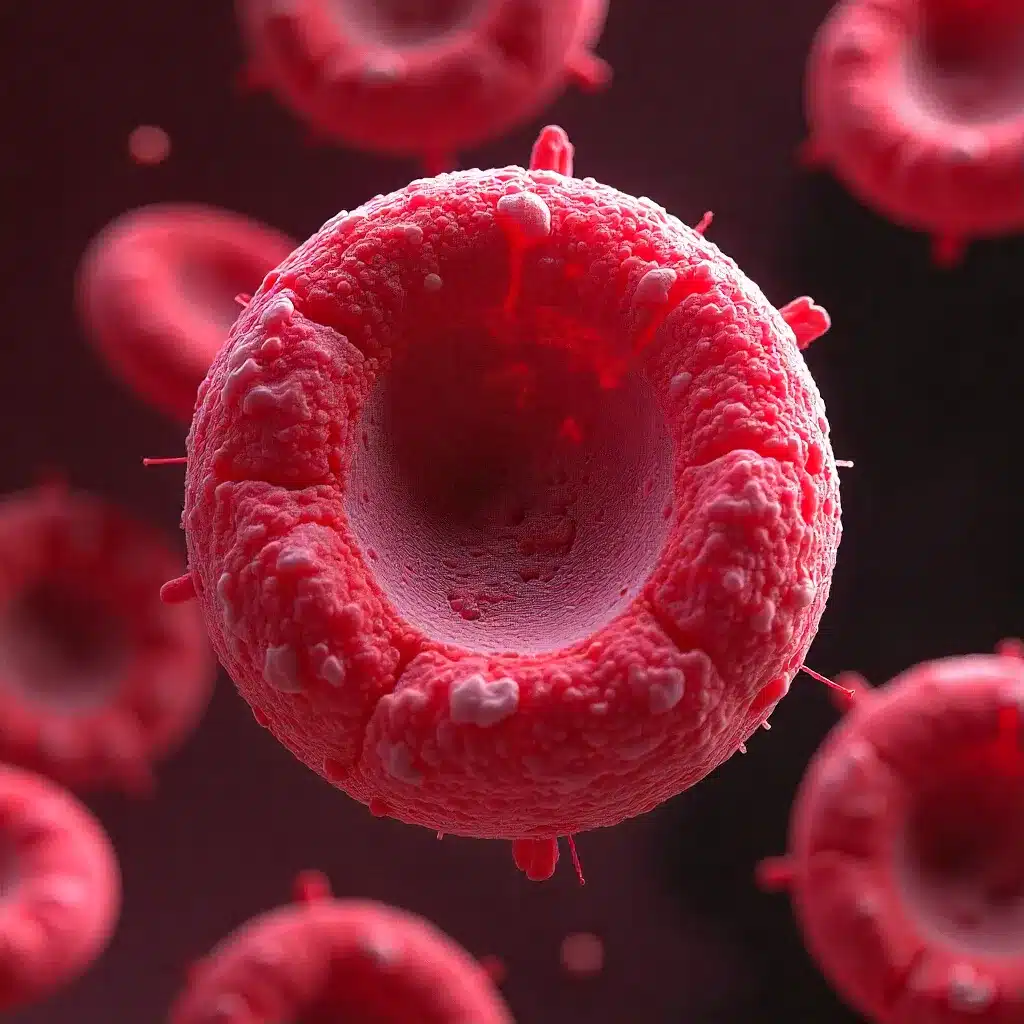
PNH symptoms vary a lot among patients, making it hard to diagnose. We’ll look at the different symptoms of PNH. This includes the classic signs of hemolysis, thrombosis, and bone marrow issues, as well as other important symptoms.
Classic Triad: Hemolysis, Thrombosis, and Bone Marrow Dysfunction
PNH is known for a triad of symptoms: hemolysis, thrombosis, and bone marrow problems. Hemolysis means red blood cells are destroyed, leading to anemia and tiredness. Thrombosis is when blood clots form, blocking blood vessels and causing serious issues. Bone marrow dysfunction means blood cells are not made properly, adding to the problem.
|
Symptom |
Description |
Clinical Impact |
|---|---|---|
|
Hemolysis |
Destruction of red blood cells |
Anemia, fatigue, weakness |
|
Thrombosis |
Formation of blood clots |
Risk of stroke, organ damage |
|
Bone Marrow Dysfunction |
Inadequate blood cell production |
Increased risk of infections, bleeding |
Fatigue, Weakness, and Quality of Life Impact
People with PNH often feel very tired and weak because of anemia. These symptoms greatly affect their quality of life. They can make everyday tasks hard and lower overall happiness. Common symptoms include:
- Fatigue and weakness
- Shortness of breath
- Pale skin
- Abdominal pain
It’s key to tackle these symptoms fully to help patients feel better.
Life-Threatening Complications: Thrombosis and Organ Damage
Thrombosis is a big problem in PNH, leading to serious issues like stroke and organ damage. The risk of blood clots is higher because of ongoing hemolysis and coagulation system activation. We must watch closely for these risks and manage them well.
Understanding PNH symptoms helps us diagnose and treat it better. This improves patients’ lives and outcomes.
Diagnostic Journey: Identifying Rare Hemolytic Disorders
Finding rare hemolytic disorders needs a detailed plan. This plan uses both old and new methods. We’ll look at the key steps to diagnose these complex issues, from first checks to advanced tests.
Laboratory Markers: Haptoglobin, LDH, and Reticulocyte Count
Diagnosing hemolytic anemia starts with lab tests. These tests show if red blood cells are being destroyed. Important markers include:
- Haptoglobin: A protein that binds to free hemoglobin from broken red blood cells. Low haptoglobin means a lot of hemolysis.
- Lactate Dehydrogenase (LDH): An enzyme in red blood cells. High LDH means red blood cells are being destroyed.
- Reticulocyte Count: Counts young red blood cells. High counts mean the bone marrow is making more red blood cells.
|
Laboratory Marker |
Significance in Hemolytic Anemia |
Typical Finding in Hemolysis |
|---|---|---|
|
Haptoglobin |
Binds free hemoglobin |
Low levels |
|
LDH |
Indicates cell destruction |
Elevated levels |
|
Reticulocyte Count |
Reflects bone marrow response |
Elevated count |
Flow Cytometry and Genetic Analysis
For conditions like Paroxysmal Nocturnal Hemoglobinuria (PNH), flow cytometry is key. It finds missing proteins on blood cells, like CD55 and CD59, which is PNH’s mark. Genetic analysis also helps find PNH by looking at the PIGA gene.
Flow cytometry checks cells as they go through a laser. It spots cells missing certain proteins, key for PNH and other disorders.
Differential Diagnosis Challenges
Finding the right diagnosis in hemolytic anemia is hard. Symptoms and lab results can look the same in many conditions. We must think of many disorders, like autoimmune hemolytic anemia and hereditary spherocytosis, to find the real cause.
Getting a diagnosis right takes a careful look at symptoms, lab results, and sometimes genetics. By carefully checking these, we can figure out what’s causing the problem.
The Global Landscape of Rare Red Blood Cell Disorders
It’s key to understand rare red blood cell disorders worldwide. These include Paroxysmal Nocturnal Hemoglobinuria (PNH). They affect global health, causing anemia and other issues.
Worldwide Prevalence and Distribution Patterns
Rare red blood cell disorders are found everywhere, with different rates in different places. PNH, for instance, affects 1 to 2 people per million. Their spread is shaped by genetics, environment, and demographics.
Some rare disorders are more common in certain areas because of genetics. Knowing this helps us target health efforts and resources better.
Contribution to Global Anemia Burden: The 15% Factor
Inherited red blood cell disorders cause about 15% of anemia worldwide. Anemia from these disorders can make people very tired and weak. It also lowers their quality of life.
Handling the 15% of anemia cases from rare disorders needs a broad strategy. This includes early diagnosis, right treatment, and support. By focusing on these, we can better manage anemia and lessen its global impact.
Socioeconomic Impact and Healthcare Resource Allocation
The social and economic effects of rare red blood cell disorders are big. They cost a lot for diagnosis, treatment, and care. These costs can strain healthcare systems, mainly in areas with few resources.
Managing these disorders well needs smart use of healthcare resources. This includes access to special care, tests, and new treatments. By doing this, we can help patients more and cut down costs.
Beyond PNH: Other Rare Diseases Attacking Red Blood Cells
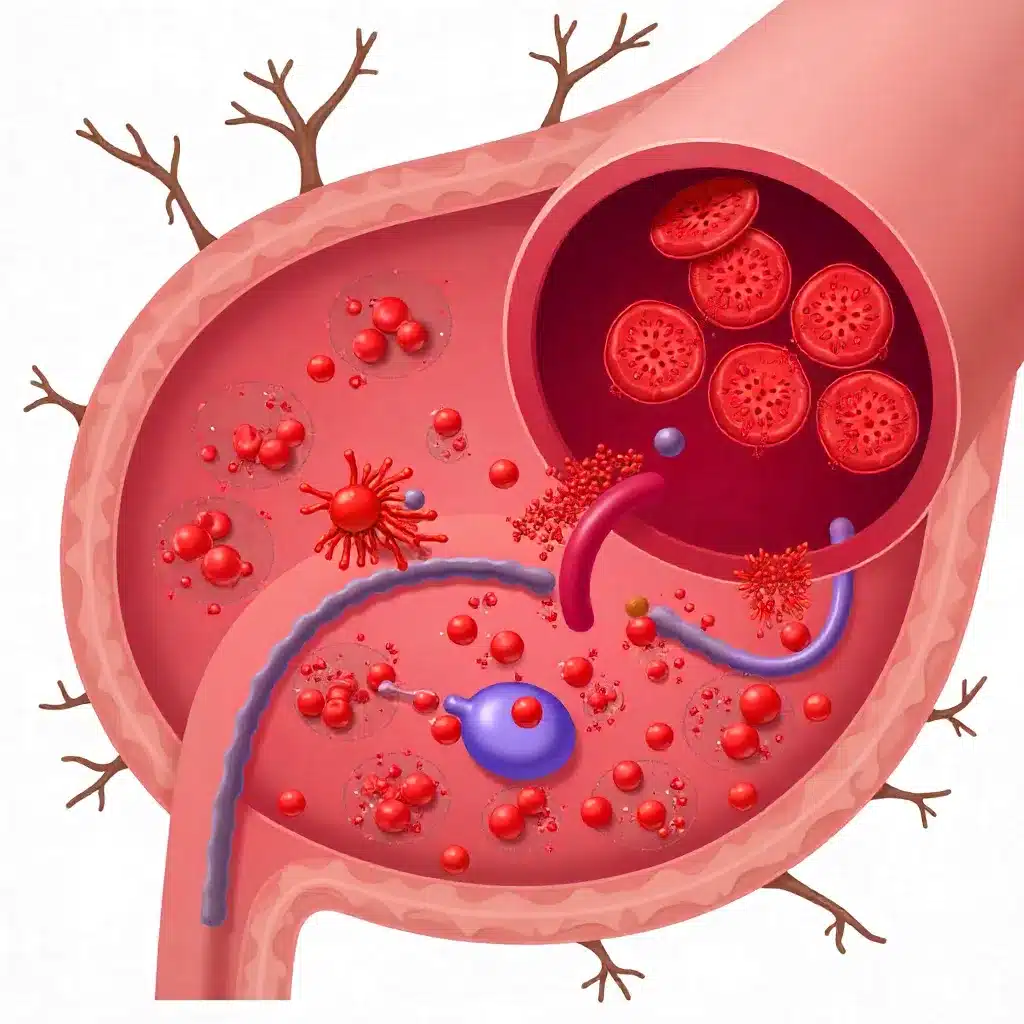
Red blood cells face threats from many rare diseases, not just PNH. Each disease has its own set of challenges. We’ll look at hereditary spherocytosis, autoimmune hemolytic anemia, and enzyme deficiencies and membrane disorders.
Hereditary Spherocytosis: The 1 in 2,000 Condition
Hereditary spherocytosis is a genetic disorder that alters red blood cell membranes. It causes red blood cells to be abnormally shaped, leading to early destruction. This condition affects about 1 in 2,000 people.
- Anemia: A common symptom due to the reduced number of red blood cells.
- Jaundice: Caused by the breakdown of red blood cells, leading to elevated bilirubin levels.
- Splenomegaly: Enlargement of the spleen due to its increased activity in filtering out abnormal red blood cells.
Autoimmune Hemolytic Anemia: When the Immune System Attacks
Autoimmune hemolytic anemia (AIHA) happens when the immune system attacks the body’s own red blood cells. This marks them for destruction. It can be primary or secondary, linked to other autoimmune diseases or infections.
Treatment often involves immunosuppressive therapy to reduce the immune system’s attack on red blood cells.
Enzyme Deficiencies and Membrane Disorders
Several enzyme deficiencies and membrane disorders can affect red blood cells, leading to hemolytic anemia. Examples include glucose-6-phosphate dehydrogenase (G6PD) deficiency and pyruvate kinase deficiency.
These conditions can result in episodic hemolysis, often triggered by specific factors such as certain medications or infections.
Conventional Management Strategies for PNH
Managing PNH involves many steps to ease symptoms and prevent problems. It’s key to make life better for those with this rare disease.
Supportive Care and Symptom Management
Supportive care is vital in PNH management. It helps reduce symptoms and tackles disease-related issues. This includes managing anemia, fatigue, and other symptoms that affect daily life.
Key components of supportive care include checking blood counts, treating anemia with iron or erythropoietin, and handling other symptoms as they come up.
Anticoagulation for Thrombosis Prevention
Anticoagulation therapy is a big part of PNH management. It aims to stop blood clots, a big risk for these patients. The choice to start anticoagulation depends on the patient’s risk and symptoms.
- Monitoring for signs of thrombosis
- Use of anticoagulant medications
- Regular assessment of bleeding risks
Blood Transfusions and Iron Chelation Therapy
Blood transfusions help manage severe anemia in PNH patients. Iron chelation therapy is also needed to handle iron buildup from frequent transfusions.
|
Therapeutic Intervention |
Purpose |
Considerations |
|---|---|---|
|
Blood Transfusions |
To manage anemia and improve oxygen delivery to tissues |
Risk of iron overload, transfusion reactions |
|
Iron Chelation Therapy |
To manage iron overload |
Monitoring for side effects, adjusting dosage as necessary |
|
Anticoagulation Therapy |
To prevent thrombotic events |
Balancing risk of bleeding vs. thrombosis |
Using these management strategies, healthcare providers can greatly improve PNH patients’ outcomes and quality of life.
Revolutionary Therapies: Complement Inhibitors Transform PNH Treatment
Complement inhibitors have changed how we treat PNH. They have shown great results in clinical trials. These treatments target the complement system, a key part of the disease.
Mechanism of Action: Targeting the Complement Cascade
Complement inhibitors block the complement cascade. This is a series of proteins important for the immune system. In PNH, this system is too active, harming red blood cells. By stopping this, the inhibitors reduce cell destruction and its problems.
Key aspects of complement inhibitors include:
- Specific targeting of the complement C5 protein
- Reduction in intravascular hemolysis
- Improvement in patient quality of life
Clinical Efficacy and Survival Improvement Data
Studies have shown that complement inhibitors work well. They reduce cell destruction and improve survival in PNH patients. Patients also feel better and have less fatigue.
|
Study |
Primary Endpoint |
Results |
|---|---|---|
|
Trial 1 |
Reduction in Hemolysis |
Significant reduction (p |
|
Trial 2 |
Improvement in Quality of Life |
Notable improvement (p |
Patient Selection and Monitoring Requirements
Choosing who gets these treatments is important. Doctors look at how severe the disease is and if there are other problems. It’s also key to keep an eye on how well the treatment is working and any side effects.
Monitoring parameters include:
- Lactate dehydrogenase (LDH) levels
- Hemoglobin levels
- Signs of thrombotic events
Economic Considerations and Access Challenges
Even though these treatments are very helpful, they are expensive. This makes it hard for people to get them. Healthcare systems and providers need to find ways to make these treatments more accessible.
Strategies to address access challenges include:
- Patient assistance programs
- Insurance coverage negotiations
- Healthcare policy reforms
Stem Cell Transplantation: The Only Curative Approach
Stem cell transplantation is the only cure for PNH, giving patients a chance for long-term remission. This complex process replaces the patient’s bone marrow with healthy stem cells from a donor. It aims to remove the cells causing PNH.
Patient Selection and Timing
Not every PNH patient is a good candidate for stem cell transplantation. The choice to have the transplant depends on several factors. These include how severe the symptoms are, how well previous treatments worked, and certain genetic mutations.
We look at each patient’s health and medical history to decide when is the best time for the transplant.
Key considerations for patient selection include:
- The severity of hemolysis and related complications
- History of thrombotic events
- Response to conventional treatments
- Presence of bone marrow failure
Donor Selection and Compatibility
Finding a compatible donor is key for transplant success. We search for donors with matching HLA types to lower the risk of GVHD. Siblings are often the first choice, but unrelated donors or cord blood units are used if needed.
The process of donor selection involves:
- HLA typing to assess compatibility
- Evaluation of the donor’s overall health and medical history
- Discussion with the donor regarding the donation process and risks involved
Long-term Outcomes and Quality of Life
Successful stem cell transplantation can greatly improve a patient’s quality of life. It can reduce or eliminate PNH symptoms. But, the procedure also comes with risks like GVHD, infections, and long-term side effects.
Post-transplant care focuses on:
- Monitoring for signs of GVHD and managing its symptoms
- Preventing and treating infections
- Assessing the recovery of blood cell counts and immune function
By understanding the benefits and risks of stem cell transplantation, we can offer PNH patients the best care and support during their treatment.
Specialized Care Centers: The Importance of Expert Management
Specialized care centers are key in handling rare blood disorders. At Liv Hospital, we know how complex conditions like Paroxysmal Nocturnal Hemoglobinuria (PNH) are. We provide expert care that patients need.
Liv Hospital’s Approach to Rare Hematologic Disorders
Our focus at Liv Hospital is on patient care. We use the newest in hematology to help. Our team of specialists works together to treat rare blood disorders well.
Key Components of Our Care:
- Advanced diagnostic capabilities
- Personalized treatment plans
- Access to cutting-edge therapies
- Ongoing patient support and education
Multidisciplinary Care Teams and Coordinated Treatment
Managing rare blood disorders needs a team effort. Our team includes hematologists, geneticists, nurses, and more. They all work together for seamless care.
|
Team Member |
Role |
|---|---|
|
Hematologists |
Diagnosis and treatment planning |
|
Geneticists |
Genetic counseling and testing |
|
Nurses |
Patient care and education |
|
Support Staff |
Coordination and patient support |
International Protocols and Treatment Standards
We follow international care standards at Liv Hospital. This means we always use the latest research and guidelines in hematology.
Our goal is to give care that meets the world’s top standards. We aim to improve outcomes for patients with rare blood disorders.
Living with Rare Hemolytic Disorders: Patient Perspectives
Living with a rare hemolytic disorder is complex. It involves daily challenges and the need for strategies to adapt. People with conditions like Paroxysmal Nocturnal Hemoglobinuria (PNH) face many symptoms. These symptoms can greatly affect their quality of life.
Daily Challenges and Adaptive Strategies
Daily life with a rare hemolytic disorder is tough. Fatigue, pain, and shortness of breath are common. These symptoms can make it hard to do everyday things.
“Living with PNH is like being on a rollercoaster,” a patient says. “Some days are better than others, but you always have to be prepared for the unexpected.” To cope, patients use strategies like pacing themselves, eating well, and drinking plenty of water.
For example, a patient might focus on the most important tasks first. This helps save energy and deal with the physical demands of the condition. It’s also important to stay in touch with healthcare providers and support networks.
Patient Support Networks and Resources
Patient support networks are key in managing rare hemolytic disorders. They offer a place for patients to share their stories, get support, and find resources. Organizations like the provide educational materials, support groups, and advocacy services.
“Support from others who understand what you’re going through is invaluable. It makes a significant difference in how you cope with your condition,”
a patient says. These networks offer emotional support and keep patients updated on the latest treatments and research.
Navigating Insurance and Financial Considerations
Managing the financial side of a rare hemolytic disorder can be tough. The cost of treatments is high. Patients often struggle to get insurance coverage for the care they need.
“Understanding your insurance options and advocating for yourself is key,” a healthcare provider advises. “Patients should work closely with their healthcare team and insurance providers to ensure they get the care they need.”
To help with these financial challenges, many organizations offer financial aid, patient advocacy, and resources. By using these resources, patients can better handle the financial side of their condition.
Conclusion: Advances and Hope in Rare Blood Disorders
We are seeing big steps forward in treating rare blood disorders. This brings new hope to those affected. Breakthroughs like complement inhibitors are showing great promise in treating Paroxysmal Nocturnal Hemoglobinuria (PNH), a rare and dangerous condition.
New treatments are changing how we care for patients. They are making life better for those with rare blood disorders. As we learn more, we expect even more progress, giving hope to patients and their families.
At Liv Hospital, we’re dedicated to top-notch healthcare for international patients. Our teams work hard to help patients with rare blood disorders. We aim to give them the best care and support.
FAQ
What is Paroxysmal Nocturnal Hemoglobinuria (PNH)?
PNH is a rare disease that can be life-threatening. It causes the destruction of red blood cells. This leads to hemolytic anemia and other problems.
What are the symptoms of PNH?
Symptoms of PNH include hemolytic anemia, thrombosis, and bone marrow failure. The severity and combination of symptoms vary. This makes diagnosis and management hard.
How is PNH diagnosed?
Diagnosing PNH involves several steps. These include clinical assessment, flow cytometry, and genetic analysis. Accurate diagnosis is key for proper treatment.
What is hemolytic anemia?
Hemolytic anemia is when the body destroys red blood cells too fast. This can cause fatigue, jaundice, and shortness of breath. It greatly affects a person’s quality of life.
What are the treatment options for PNH?
PNH treatment includes supportive care to manage symptoms and prevent complications. Treatment plans vary based on the patient’s needs. They may include anticoagulation therapy, blood transfusions, complement inhibitors, and stem cell transplantation.
What is autoimmune hemolytic anemia?
Autoimmune hemolytic anemia is when the immune system attacks and destroys red blood cells. This leads to anemia and other issues.
How do complement inhibitors work in treating PNH?
Complement inhibitors are a major advancement in PNH treatment. They target the complement system, which is involved in PNH’s pathogenesis. This offers better outcomes for patients.
What is the role of stem cell transplantation in PNH treatment?
Stem cell transplantation is a possible cure for PNH. It replaces the patient’s bone marrow with healthy donor cells. While it offers a cure, it comes with risks and requires careful consideration.
What are the daily challenges faced by patients with rare hemolytic disorders?
Patients with rare hemolytic disorders face many challenges. These include managing symptoms, choosing treatments, and dealing with financial and insurance issues. These challenges affect their quality of life.
How can patients with rare hemolytic disorders get support?
Providing support to patients with rare hemolytic disorders is vital. This includes understanding their challenges and helping them through patient networks and resources. It helps them navigate their condition and related financial and insurance issues.
References
- (Authors not listed). (n.d.). S2210794021000986. Retrieved from https://www.sciencedirect.com/science/article/abs/pii/S2210794021000986



 Departments
 Related Videos
 Our Doctors
 News
News