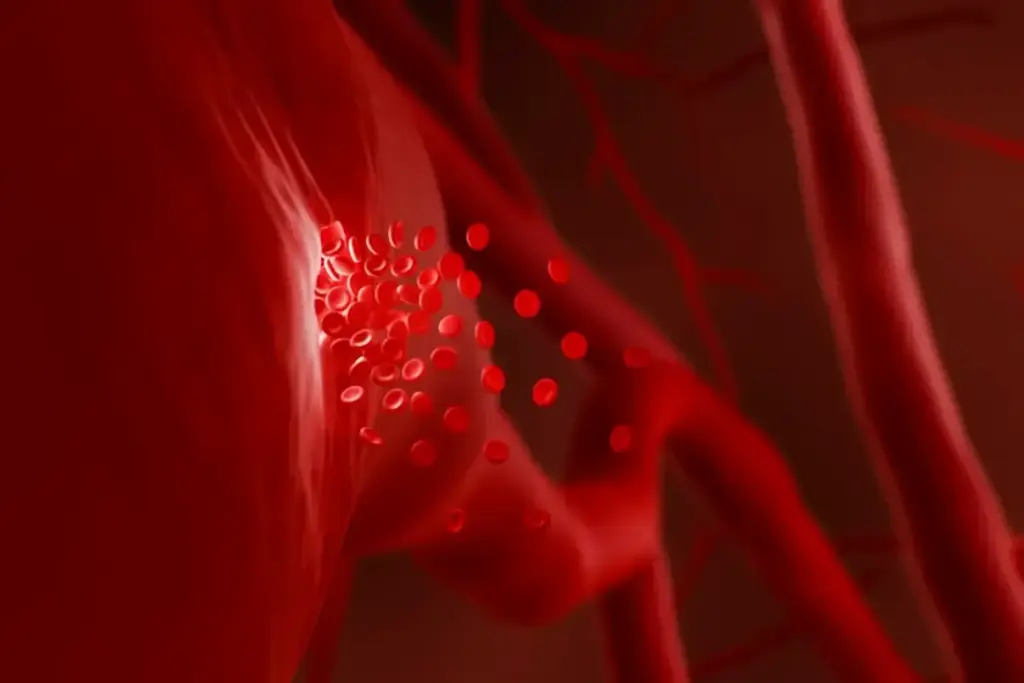
A rare genetic disorder makes it hard for the body to form blood clots. This is key to stopping bleeding. It leads to prolonged or spontaneous bleeding, often in joints or muscles. This condition affects about 1 in 10,000 babies at birth.
Mutations in genes responsible for clotting factor production are the main cause. These mutations usually happen in genes for factor VIII or factor IX. This results in Hemophilia A and B, with Hemophilia A being the most common, making up 80–85% of cases.
Key Takeaways
- A genetic disorder causes the body to fail in making blood clots, leading to prolonged bleeding.
- The condition is mainly caused by mutations in genes for clotting factors.
- Mutations in factor VIII or IX genes lead to Hemophilia A and B.
- Hemophilia A is the most common form, making up 80–85% of cases.
- This bleeding disorder affects about 1 in 10,000 live births.
Understanding Blood Clotting and Coagulation
It’s key to know how blood clotting works to understand bleeding disorders like hemophilia. Blood clotting is a complex process that stops too much bleeding when a blood vessel is hurt.
The Normal Clotting Process
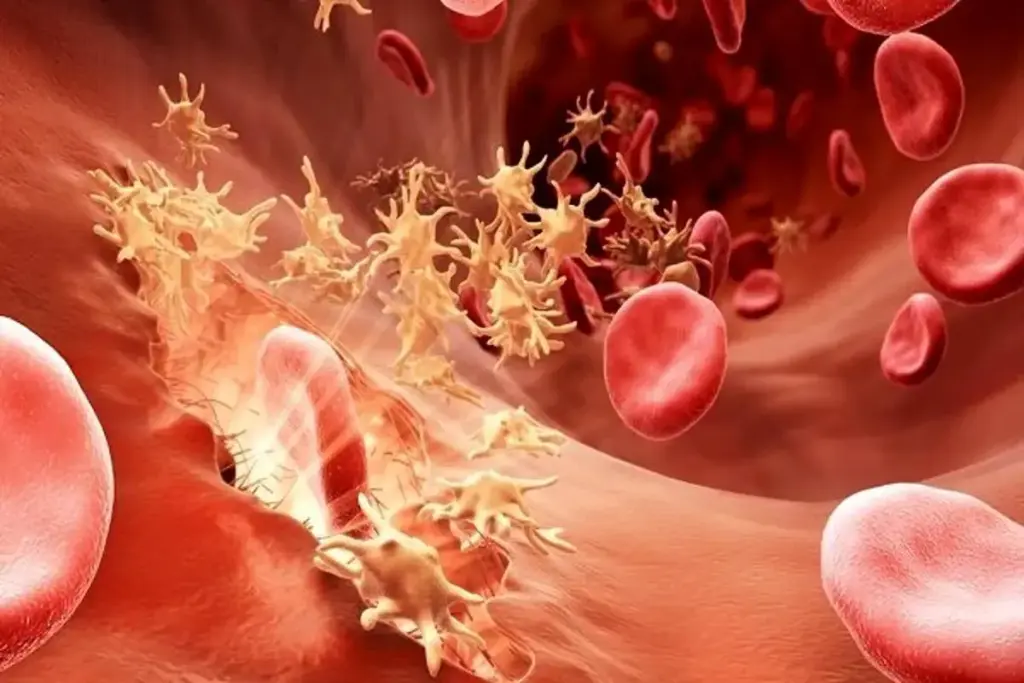
When a blood vessel is injured, the body quickly responds. First, the injured vessel gets smaller to slow down blood flow. Then, platelets stick to the injury, creating a temporary plug.
This plug is not enough, so a more stable fibrin clot is needed. The fibrin clot is made through the clotting cascade, a series of chemical reactions. These reactions start when blood meets tissue factor, a protein outside blood vessels.
The Clotting Cascade and Coagulation Factors
The clotting cascade involves many coagulation factors, proteins made by the liver and other tissues. These proteins are labeled with Roman numerals (I to XIII). Factors VIII and IX are key for the clotting cascade to work right.
Without enough factor VIII or IX, you might have hemophilia A or B. This is because these factors are vital for blood to clot properly.
|
Coagulation Factor |
Function |
Associated Condition |
|---|---|---|
|
Factor VIII |
Critical for the intrinsic pathway of blood coagulation |
Hemophilia A |
|
Factor IX |
Essential for the intrinsic pathway of blood coagulation |
Hemophilia B (Christmas Disease) |
|
Factor XI |
Involved in the intrinsic pathway |
Hemophilia C |
The clotting cascade has three main paths: intrinsic, extrinsic, and common. The intrinsic pathway is started by damage inside the blood vessels. It involves factors VIII, IX, XI, and XII.
The extrinsic pathway is triggered by damage outside the blood vessels. It involves tissue factor and factor VII. Knowing about these pathways and factors helps us understand bleeding disorders like hemophilia. It shows how important these proteins are in stopping internal bleeding.
What is Hemophilia?
Hemophilia is a rare genetic condition that affects how blood clots. It leads to prolonged bleeding. This happens because of a lack or malfunction of specific proteins in the blood.
Definition and Basic Mechanism
Hemophilia is mainly split into two types: Hemophilia A and Hemophilia B. Hemophilia A is caused by a lack of factor VIII. Hemophilia B is due to a lack of factor IX. Both are genetic and mostly affect males because they are inherited in an X-linked recessive pattern.
The blood clotting process is disrupted in hemophilia. This is because of a lack of a specific clotting factor. Without it, blood can’t clot properly, leading to prolonged or spontaneous bleeding.
Historical Understanding of the Condition
Hemophilia has been known for centuries. Ancient civilizations mentioned it. The Talmud, a Jewish text from the second century AD, talked about it.
The term “hemophilia” was coined in the early 19th century. It comes from the Greek words “haima” (blood) and “philia” (love), meaning “love of bleeding.”
Impact on Daily Life
Living with hemophilia changes daily life. Simple injuries can cause serious bleeding. Patients often need clotting factor infusions to prevent or manage bleeding.
This condition also affects quality of life. People may have to limit activities to avoid injuries and bleeding.
|
Aspect of Life |
Impact of Hemophilia |
|---|---|
|
Physical Activities |
Patients may need to avoid contact sports or activities that could lead to injury. |
|
Medical Care |
Regular infusions of clotting factors are necessary to prevent or manage bleeding episodes. |
|
Daily Living |
Simple tasks may require extra caution to avoid injuries, and patients may need to be prepared for emergencies. |
Hemophilia affects about 1 in 10,000 live births. It’s rare and needs specialized care. Knowing about it helps support those affected.
The Genetic Basis of Hemophilia
To understand hemophilia, we need to look at the genes that control blood clotting. Hemophilia happens when genes for clotting factors, like factor VIII and factor IX, have mutations.
Mutations in Clotting Factor Genes
The genes for factor VIII and factor IX are on the X chromosome. When these genes mutate, they can make clotting factors that don’t work right. This leads to hemophilia. These mutations can be different, like point mutations, deletions, and insertions.
“The genetic defects behind hemophilia A and B are very diverse,” say experts. They point out that the variety of mutations found in patients is important for genetic counseling and prenatal testing.
” spectrum of mutations identified in hemophilia patients has significant implications for genetic counseling and prenatal diagnosis”
Types of Genetic Mutations
There are several kinds of genetic mutations that cause hemophilia, including:
- Point mutations, which change a single nucleotide
- Deletions, where a part of the gene is lost
- Insertions, where extra nucleotides are added
- Inversions, where a gene segment is flipped
These mutations can mess up how clotting factors work or how much is made. This causes the bleeding problems seen in hemophilia.
Over 1000 Identified Mutations
More than 1000 mutations linked to hemophilia A and B have been found. This wide range of genetic changes makes diagnosis and treatment harder. Knowing the exact mutation is key to managing the condition well.
We know that hemophilia’s genetic roots are complex, with many mutations involved. By grasping these genetic changes, we can improve diagnosis and care. This helps those with hemophilia live better lives.
Hemophilia A: Factor VIII Deficiency
Hemophilia A is a genetic disorder caused by a lack of factor VIII. It’s the most common type of hemophilia. We’ll look at what causes it, its genetic types, and how common it is.
Molecular Basis of Factor VIII Deficiency
Factor VIII is key for blood clotting. Without enough, you get Hemophilia A, leading to long bleeding. The problem comes from F8 gene mutations.
Types of Mutations: These mutations can be point changes, deletions, or insertions. Some make factor VIII very low, while others make it just a bit less.
Common Genetic Variants
Many genetic changes in the F8 gene cause Hemophilia A. These can come from parents or happen on their own. Knowing these changes helps with family planning and understanding risks.
Genetic Testing: New genetic tests can spot these F8 gene changes. This is key for diagnosing Hemophilia A and figuring out how severe it is.
Prevalence and Distribution
Hemophilia A is found in about 80-85% of hemophilia cases. It affects about 1 in 5,000 male births globally. Its spread varies by population, influenced by genetics.
Epidemiological Studies: These studies give us a clear picture of Hemophilia A’s spread. They help plan healthcare for those affected.
In summary, Hemophilia A is a serious bleeding disorder due to factor VIII deficiency. Knowing its causes, genetic types, and how common it is is vital for its management.
Hemophilia B: Factor IX Deficiency
To understand Hemophilia B, we need to look at the genetic changes that affect factor IX production. This protein is key for blood clotting. Hemophilia B, or Christmas disease, is a genetic disorder that causes serious bleeding issues. We’ll dive into its genetic roots, symptoms, and how it’s different from Hemophilia A.
Genetic Mutations Affecting Factor IX
The genes causing Hemophilia B are in the F9 gene, which makes factor IX. These genetic changes can vary, leading to different levels of the condition. Point mutations, deletions, and insertions are common types of changes that impact factor IX’s function or production.
Clinical Differences from Hemophilia A
Hemophilia A and B are both bleeding disorders, but they stem from different clotting factor deficiencies. Hemophilia A lacks factor VIII, while Hemophilia B lacks factor IX. Clinical manifestations can seem similar, but the genetic cause and some treatments differ.
The Christmas Disease Connection
The term “Christmas disease” comes from the first patient described, Stephen Christmas. This shows how vital it is to grasp the genetic and clinical sides of Hemophilia B. It’s a key part of understanding bleeding disorders.
X-Linked Inheritance Pattern
Hemophilia’s genetic basis is tied to its X-linked inheritance pattern. It’s an X-linked recessive disorder, meaning the genes are on the X chromosome. This pattern affects how the condition is passed down and who gets it.
The X Chromosome and Hemophilia Genes
The X chromosome is one of the two sex chromosomes in humans. Females have two X chromosomes, while males have one X and one Y. The genes for clotting factors VIII and IX, which are missing in hemophilia A and B, are on the X chromosome.
Because males have only one X chromosome, a mutation in the gene for factor VIII or IX on their single X chromosome causes the condition.
Why Males Are Primarily Affected
Males are more often affected by hemophilia because they have only one X chromosome. If their X chromosome has a mutation in the gene for clotting factor VIII or IX, they will have the condition. Females need to inherit two affected X chromosomes to have the condition, making it rare in females.
Female Carriers and Symptomatic Carriers
Female carriers of hemophilia have one normal and one affected X chromosome. They usually don’t show the full symptoms of hemophilia because of the normal X chromosome. But, they can pass the mutated gene to their children.
Female carriers are often asymptomatic or have mild symptoms. But, they can be considered symptomatic carriers if they show bleeding symptoms due to X-chromosome inactivation patterns or other genetic factors.
|
Characteristics |
Males with Hemophilia |
Female Carriers |
|---|---|---|
|
X Chromosome Status |
Single X chromosome with mutation |
One normal and one affected X chromosome |
|
Expression of Hemophilia |
Typically affected |
Usually asymptomatic or mildly symptomatic |
|
Risk of Passing to Offspring |
Will pass Y chromosome to sons (not affected); will pass affected X to all daughters (carriers) |
50% chance of passing affected X to sons (affected) and daughters (carriers) |
Understanding hemophilia’s X-linked inheritance pattern is key for genetic counseling and family planning. Recognizing the risks and implications helps families make informed health decisions for themselves and their future generations,
Spontaneous Mutations in Hemophilia
About 30% of hemophilia cases come from spontaneous mutations. This shows how complex the condition is. It’s key to grasp the reasons behind these new mutations.
New Genetic Mutations: The 30% Rule
Hemophilia can occur even in the absence of a family history as a result of spontaneous genetic mutations. These mutations can mess with genes that help blood clot. This leads to hemophilia A or B. Studies show that 30% of cases are caused by these random mutations.
This highlights the need for genetic counseling and awareness.
Mechanisms Behind Spontaneous Mutations
Spontaneous mutations in hemophilia usually come from DNA copying errors or environmental mutagens. These can affect genes for clotting factors VIII or IX. Knowing how these happen is key for better diagnosis and treatment.
Implications for Family Planning
Spontaneous mutations have big implications for family planning. Families with hemophilia history or a new mutation can get genetic counseling. This service helps them understand risks and make choices about having kids.
Prenatal tests can also tell about the fetus’s genetic health. Genetic counseling is vital for families with hemophilia. It offers insights on risk, management, and treatment options. This way, families can make better reproductive health choices.
Rare Forms of Hemophilia
Hemophilia comes in many rare forms, each with its own traits and effects. Hemophilia A and B are well-known, but Hemophilia C and combined factor deficiencies also affect many. These conditions have a big impact on people’s lives.
Hemophilia C (Factor XI Deficiency)
Hemophilia C, or Factor XI deficiency, is a rare bleeding disorder. It’s different from Hemophilia A and B because it’s caused by a lack of Factor XI. This protein is key in blood clotting.
Hemophilia C is an autosomal recessive condition. This means both males and females can have it. It’s not like Hemophilia A and B, which mostly affect males.
“Diagnosing Hemophilia C can be tough because it’s so rare,” says a top hematologist. It often shows up after surgery or serious injury.
Combined Factor Deficiencies
Combined factor deficiencies are another rare type of hemophilia. These conditions happen when patients lack several clotting factors. This makes their bleeding disorder even more complex.
For example, someone with a lack of Factors VIII and IX needs a special treatment plan. “It’s all about understanding the patient’s specific clotting factor issues,” a specialist points out.
Von Willebrand Disease vs. Hemophilia
Von Willebrand disease is a bleeding disorder that’s sometimes confused with hemophilia. But it’s caused by a problem with Von Willebrand factor (VWF). This protein helps platelets stick and protects Factor VIII.
- Von Willebrand disease can affect both males and females, as it is an autosomal dominant condition.
- The disease shows up with symptoms like easy bruising, nosebleeds, and heavy menstrual bleeding.
- Treatment might include desmopressin to boost VWF or VWF concentrates.
In summary, rare hemophilia types and bleeding disorders pose unique challenges. But knowing their differences is key to better management and care. Healthcare providers can then offer more focused and caring treatment.
Acquired Hemophilia: Non-Inherited Causes

Acquired hemophilia is a rare bleeding disorder. It happens when the immune system attacks the body’s clotting factors. This is different from inherited hemophilia, which comes from genetic mutations.
Autoimmune Mechanisms
The development of acquired hemophilia involves complex autoimmune processes. The exact triggers are not fully understood. But, factors like malignancies, autoimmune diseases, and infections can start it.
Pregnancy-Related Acquired Hemophilia
In some cases, acquired hemophilia is linked to pregnancy. It usually shows up after childbirth. This suggests that pregnancy can affect the immune system in ways that lead to this condition.
“Acquired hemophilia A during pregnancy is a rare but serious condition that requires prompt diagnosis and treatment to prevent severe bleeding complications.”
– Medical Journal
Medication and Age-Related Factors
Certain medications and age can also lead to acquired hemophilia. Some drugs used to treat other conditions can cause an autoimmune response against clotting factors.
|
Factor |
Description |
Impact on Acquired Hemophilia |
|---|---|---|
|
Medications |
Certain drugs can induce autoimmune responses. |
Increased risk of developing autoantibodies against clotting factors. |
|
Age |
Older adults are more prone to developing acquired hemophilia. |
Higher incidence in the elderly population. |
Acquired hemophilia is a serious condition that needs quick diagnosis and proper care. Knowing its causes, like autoimmune responses, pregnancy links, and the effects of medications and age, is key to effective treatment.
Development of Inhibitors

Inhibitors are a big problem in treating hemophilia. They are antibodies that fight the clotting factors used to treat it. This makes these treatments less effective or even useless.
About 15–20% of people with hemophilia A or B get inhibitors. This makes managing their condition much harder. It makes it tough to use standard treatments.
Antibodies Against Clotting Factors
Inhibitors are like antibodies that fight clotting factors. In hemophilia A, they target factor VIII. In hemophilia B, they target factor IX. These antibodies stop the standard treatments from working.
“The presence of inhibitors is a major challenge in hemophilia care,” say doctors. To treat it, we need new strategies. This includes using bypassing agents or trying to make the immune system tolerate the clotting factors.
Genetic Risk Factors for Inhibitor Formation
Studies have found genetic factors that increase the risk of getting inhibitors. These include certain gene mutations, family history, and genetic markers.
Knowing these risk factors helps us predict who might get inhibitors. This lets us start treatment early and tailor it to each person.
Treatment Implications and Challenges
Inhibitors make treating hemophilia harder. We need to find new ways to help. Bypassing agents are often used. They help blood to clot without needing the missing factor.
Another method is immune tolerance induction (ITI). It tries to make the immune system accept the clotting factor. But ITI is long and expensive. It doesn’t work for everyone.
Managing hemophilia means understanding and fighting inhibitors. By customizing treatments based on each person’s immune system and genes, we can do better. This helps those dealing with this complication.
Diagnosing the Genetic Cause of Hemophilia
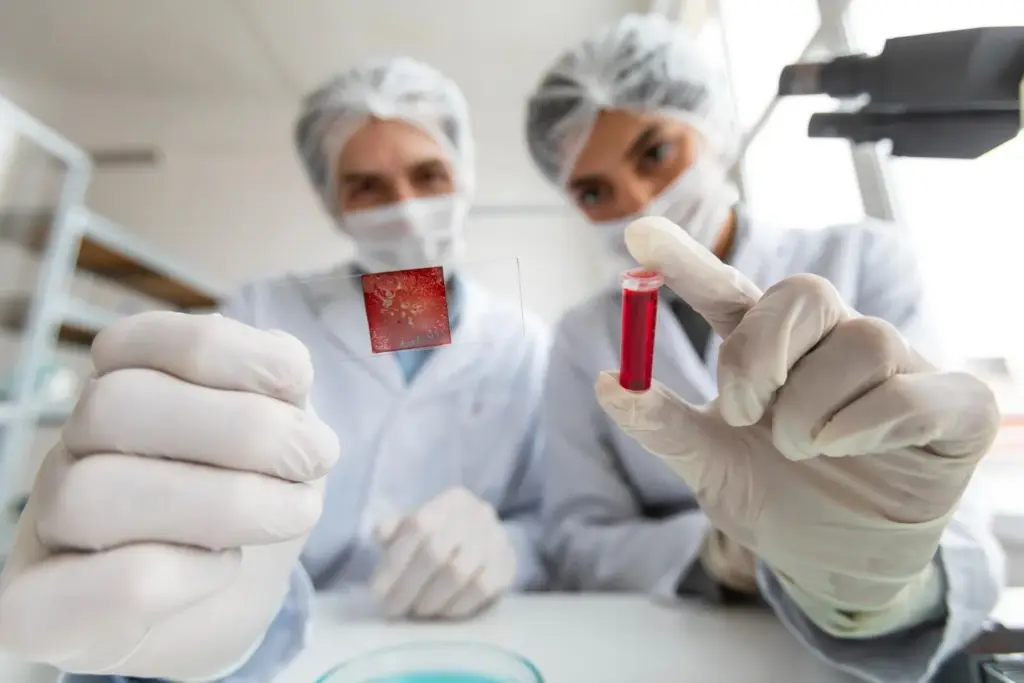
Diagnosing hemophilia involves several steps. We use genetic testing and clotting factor assays. Let’s dive into these methods.
Genetic Testing and Screening Methods
Genetic testing is key to finding the genetic cause of hemophilia. It looks at the genes for clotting factors VIII and IX. DNA sequencing and mutation analysis help find mutations.
This testing helps identify carriers and those affected. It’s important for family planning. For more on hemophilia, check the website.
Clotting Factor Assays
Clotting factor assays measure factors VIII and IX in the blood. They’re vital for diagnosing hemophilia and figuring out its severity.
These tests help doctors decide on treatment. They classify hemophilia as mild, moderate, or severe. Here’s a table showing how activity levels classify hemophilia:
|
Classification |
Factor VIII/IX Activity Level (%) |
|---|---|
|
Severe | |
|
Moderate |
1-5% |
|
Mild |
5-40% |
Prenatal and Carrier Testing
Prenatal testing is for pregnant women who carry hemophilia. It checks if the fetus has it. This helps manage the pregnancy.
Carrier testing is also important. It finds female carriers at risk of passing the mutated gene. We talk about these tests for family planning and genetic counseling.
Understanding hemophilia’s genetic cause helps us offer tailored care. This support is for individuals and their families.
Severity Levels Based on Genetic Mutations
The severity of hemophilia depends on the genetic mutations affecting clotting factors VIII and IX. Different mutations lead to varying levels of clotting factor deficiency. This results in a range of severities, from mild to severe.
Those with severe hemophilia face significant bleeding, even with minor injuries. This is because they have very low or no clotting factor levels. On the other hand, mild hemophilia patients might only bleed after major surgeries or injuries. Their clotting factor levels are closer to normal.
It’s important to understand how genetic mutations, clotting factor levels, and symptoms of hemophilia are connected. This knowledge helps predict disease severity and guide treatment. By analyzing genetic mutations, healthcare providers can assess bleeding risks and create personalized treatment plans.
FAQ
What is hemophilia?
Hemophilia is a genetic disorder that makes it hard for the body to form blood clots. This is important for stopping bleeding. People with hemophilia often bleed a lot, which can hurt their joints or muscles.
What causes hemophilia?
Hemophilia happens when genes that help make clotting factors VIII or IX are mutated. This leads to Hemophilia A and B, respectively.
What is the difference between Hemophilia A and Hemophilia B?
Hemophilia A is when there’s not enough factor VIII. Hemophilia B is when there’s not enough factor IX. Both cause bleeding problems, but they come from different genetic issues.
How is hemophilia inherited?
Hemophilia is passed down in an X-linked pattern. This means the genes are on the X chromosome. So, mostly males get it because they only have one X chromosome.
Can females be affected by hemophilia?
Yes, females can carry hemophilia genes. In some cases, they might even show mild symptoms of the condition.
What are the symptoms of hemophilia?
Symptoms include bleeding that lasts a long time or happens on its own. This often affects joints or muscles, causing pain, swelling, and trouble moving.
How is hemophilia diagnosed?
Doctors use genetic tests and clotting factor assays to diagnose hemophilia. These tests check how well factors VIII and IX work.
Can hemophilia be treated?
Yes, treatment involves giving the missing clotting factor to the patient. This is called replacement therapy.
What are inhibitors in hemophilia?
Inhibitors are antibodies that fight against clotting factors. They make treatment harder. They can happen in both Hemophilia A and B patients.
What is acquired hemophilia?
Acquired hemophilia is rare. It happens when someone’s body makes antibodies against their own clotting factors. This leads to bleeding problems, even if they have no family history of hemophilia.
How does genetic testing help in hemophilia?
Genetic testing finds the genetic mutations that cause hemophilia. It helps with carrier testing and prenatal testing. This information is useful for planning families.
What is the significance of spontaneous mutations in hemophilia?
About 30% of hemophilia cases come from spontaneous mutations. This shows why genetic counseling is key for families with a history of hemophilia.
Are there different types of hemophilia?
Yes, there are different types. These include Hemophilia A, B, and C, as well as combined factor deficiencies and acquired hemophilia.
How does the severity of hemophilia vary?
The severity depends on the type and location of the genetic mutation. This affects how much clotting factor is missing. This leads to different levels of severity in symptoms
References
National Institutes of Health (NIH) – NCBI Bookshelf. Hemophilia. https://www.ncbi.nlm.nih.gov/books/NBK551607/
National Bleeding Disorders Foundation (NBDF). Hemophilia A (Factor VIII Deficiency). https://www.bleeding.org/bleeding-disorders-a-z/types/hemophilia-a
Pfizer. Hemophilia: What is it, Symptoms, Treatment, and More. https://www.pfizer.com/disease-and-conditions/hemophilia