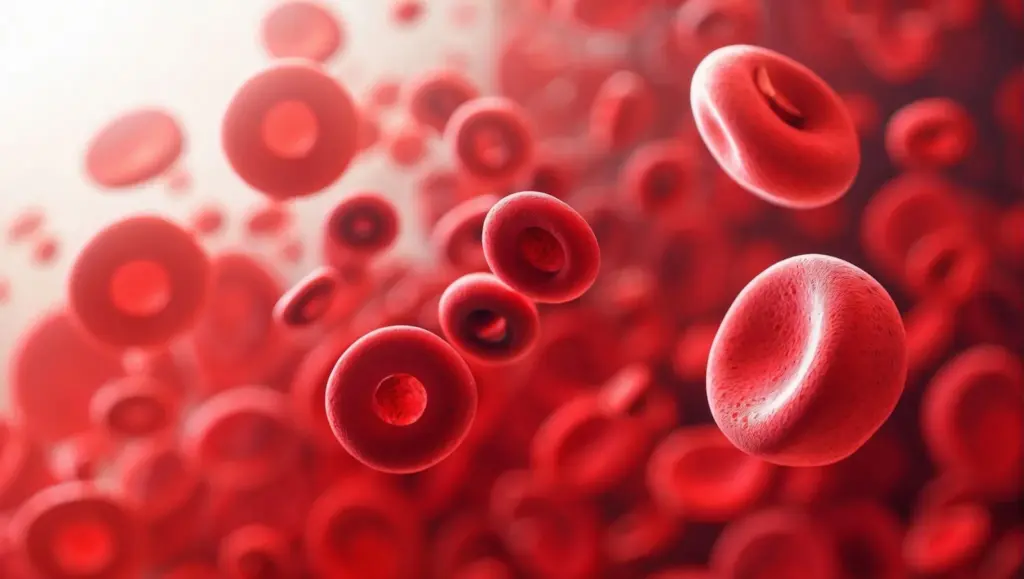
Hemophilia is a rare genetic disorder. It makes blood unable to clot properly, leading to prolonged or spontaneous bleeding. This happens because of a lack of certain clotting factors in the blood.
The three main types of hemophilia are Hemophilia A, Hemophilia B, and Hemophilia C. Each type has distinct causes and characteristics. For more detailed information, visit.
Key Takeaways
- Hemophilia is a genetic disorder affecting blood clotting.
- There are three main types: Hemophilia A, B, and C.
- Each type is caused by a deficiency in different clotting factors.
- Understanding the type is key for effective treatment.
- Proper diagnosis can greatly improve quality of life.
The Basics of Blood Clotting and Hemophilia
To understand hemophilia, we must first grasp normal blood clotting. Blood clotting, or coagulation, involves many clotting factors. happens when a clotting factor is missing or not enough, raising the risk of bleeding.
How Normal Blood Clotting Works
Blood clotting is key to stopping bleeding when a blood vessel is hurt. It uses proteins called clotting factors. These proteins work together to form a fibrin clot, stopping the bleeding.
The clotting process has several stages:
- Vascular spasm: The injured blood vessel constricts to reduce blood flow.
- Platelet plug formation: Platelets stick to the injury site, forming a temporary plug.
- Coagulation cascade: Clotting factors are activated in a sequence, leading to the formation of a fibrin clot.
- Fibrinolysis: The clot is eventually dissolved as the injury heals.
What Happens When Clotting Factors Are Missing
In hemophilia, the coagulation cascade is disrupted because of missing clotting factors. Hemophilia A is caused by a lack of clotting factor VIII, and Hemophilia B by a lack of factor IX. This makes it hard for the body to form a stable clot, leading to prolonged or spontaneous bleeding.
|
Type of Hemophilia |
Deficient Clotting Factor |
Effect on Clotting |
|---|---|---|
|
Hemophilia A |
Factor VIII |
Reduced ability to form a stable clot, leading to prolonged bleeding. |
|
Hemophilia B |
Factor IX |
Impaired clot formation, resulting in increased bleeding risk. |
Knowing about these deficiencies is key to diagnosing and managing hemophilia. Healthcare providers can tailor treatments based on the specific clotting factor involved. This helps improve outcomes for those with this condition.
Overview of the Three Types of Hemophilia
Hemophilia is not just one condition. It’s a group of bleeding disorders split into three types.
Hemophilia A, B, and C have different clotting factor deficiencies. This leads to various bleeding issues.
Key Differences Between Hemophilia A, B, and C
Hemophilia A, or classic hemophilia, is caused by a lack of factor VIII. Hemophilia B, or Christmas disease, is due to a deficiency in factor IX. Hemophilia C is linked to a lack of factor XI.
The main differences are in the deficient clotting factor, bleeding severity, and who gets it.
|
Type of Hemophilia |
Deficient Clotting Factor |
Prevalence |
|---|---|---|
|
Hemophilia A |
Factor VIII |
Most common, about 80% of cases |
|
Hemophilia B |
Factor IX |
Less common than Hemophilia A |
|
Hemophilia C |
Factor XI |
Relatively rare, more common in Ashkenazi Jewish populations |
Prevalence Rates in the United States
Hemophilia A is the most common, making up about 80% of cases in the U.S.
Hemophilia B is less common. Hemophilia C is rare and affects both males and females, often those of Ashkenazi Jewish descent.
Hemophilia A: Factor VIII Deficiency
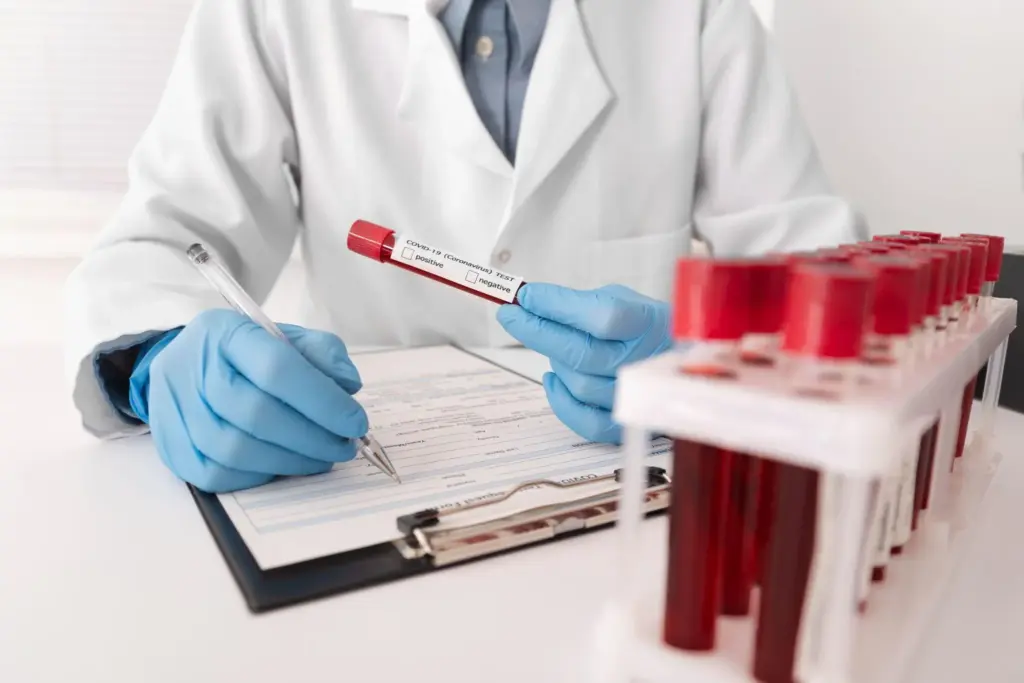
Hemophilia A is a condition where there’s not enough factor VIII, a key protein for blood clotting. It’s the most common type of hemophilia. It happens because of a genetic mutation that messes with how factor VIII is made or works.
Genetic Basis and Inheritance Pattern
Hemophilia A is passed down as an X-linked recessive trait. This means the gene for the condition is on the X chromosome. Males, with only one X chromosome, are usually affected. Females can be carriers, but it’s rare for them to have two bad X chromosomes.
The F8 gene, which makes factor VIII, has mutations in Hemophilia A. These mutations cause less or no factor VIII to be made. This leads to the bleeding problems seen in the disorder.
Clinical Manifestations Specific to Hemophilia A
The symptoms of Hemophilia A depend on how much factor VIII is missing. Common signs include:
- Prolonged bleeding after injury or surgery
- Spontaneous bleeding into joints or muscles
- Easy bruising
- Nosebleeds
In severe cases, people might bleed without any reason. This can cause joint damage and chronic pain if not treated right.
Knowing about the genetics and symptoms of Hemophilia A is key. It helps in giving the right care and management for those with the condition.
Hemophilia B: Factor IX Deficiency
Hemophilia B, also known as Christmas disease, is a rare genetic disorder. It affects the blood’s ability to clot because of a lack of Factor IX. This leads to prolonged bleeding episodes, which can be dangerous if not treated right.
Genetic Basis and Inheritance Pattern
Hemophilia B is caused by mutations in the F9 gene. This gene is on the X chromosome. So, Hemophilia B is an X-linked recessive disorder, mainly affecting males.
Women can be carriers but rarely have two defective X chromosomes. This is why Hemophilia B mostly affects males.
The way Hemophilia B is passed down is similar to Hemophilia A. A carrier mother has a 50% chance of passing the mutated gene to each son. Sons will be affected, and daughters will likely become carriers.
The Story Behind “Christmas Disease”
The term “Christmas disease” comes from Stephen Christmas, the first patient with Hemophilia B in 1952.and her team identified his condition. They found it was not due to Factor VIII deficiency, like Hemophilia A, but a lack of Factor IX.
This discovery was a big step in understanding bleeding disorders. It showed how important specific clotting factors are in the coagulation process.
Hemophilia C: Factor XI Deficiency
Hemophilia C, or Factor XI deficiency, is different from other hemophilia types. It affects both males and females equally because it’s inherited in an autosomal pattern. This condition is rare but more common in certain groups, like those of Ashkenazi Jewish descent.
Genetic Basis and Autosomal Inheritance
Hemophilia C is caused by a lack of Factor XI, a key protein in blood clotting. The condition is inherited in an autosomal pattern. This means just one copy of the mutated gene can cause it, and the severity can vary. Both males and females can be affected, and they can be carriers or have the condition.
The genetic cause of Hemophilia C is mutations in the F11 gene. People with a family history of the condition are at higher risk. Genetic testing can identify carriers and those with the condition.
Prevalence in Ashkenazi Jewish Populations
Hemophilia C is more common in Ashkenazi Jewish individuals. Studies show it’s more prevalent in this group due to a higher carrier rate. Knowing the prevalence and genetic factors helps in managing and diagnosing the condition.
The symptoms of Hemophilia C can range from mild to severe bleeding episodes. Treatment includes replacement therapy with Factor XI concentrates and other measures to control bleeding.
Severity Classifications Across All Types of Hemophilia
It’s key to know the severity levels of hemophilia for good care. The severity depends on how much clotting factor is in the blood.
Classification Based on Clotting Factor Activity
Hemophilia is split into severe, moderate, and mild based on clotting factor activity. This helps doctors create the right treatment plan for each person.
Severe: Less Than 1% Clotting Factor Activity
People with severe hemophilia have less than 1% clotting factor. They often bleed a lot, even without a reason. These bleeds can be very dangerous and need quick medical help.
Moderate: 1-5% Clotting Factor Activity
Moderate hemophilia means having 1% to 5% clotting factor. They don’t bleed as much as severe cases but can bleed after minor injuries. This is a big challenge for them.
Mild: 5-40% Clotting Factor Activity
Mild hemophilia has 5% to 40% clotting factor. People in this group mostly bleed after big injuries or surgery. But, they might need treatment to avoid joint damage.
The table below shows how hemophilia severity is classified by clotting factor activity:
|
Severity Classification |
Clotting Factor Activity Level |
Typical Bleeding Episodes |
|---|---|---|
|
Severe |
Less than 1% |
Frequent, often spontaneous |
|
Moderate |
1-5% |
Occasional, sometimes after minor trauma |
|
Mild |
5-40% |
Rare, usually after surgery or major trauma |
Getting the right severity level of hemophilia is very important. It helps doctors choose the best treatment. This improves life quality for those with hemophilia.
Diagnosing Hemophilia: Tests and Procedures
Diagnosing hemophilia involves a detailed clinical check-up and blood tests. These tests measure clotting factors in the blood. Accurate diagnosis is key to understanding the condition’s severity and choosing the right treatment.
Laboratory tests are essential for diagnosing hemophilia. They help identify the type and severity by checking clotting factor levels in the blood.
Laboratory Tests for Factor Levels
Laboratory tests are vital for diagnosing hemophilia. The main tests include:
- Clotting factor assays to measure factor VIII or IX activity
- Bleeding time tests to see if the body can form clots
- Prothrombin time (PT) and activated partial thromboplastin time (aPTT) tests to check the clotting process
Clotting factor assays are key for diagnosing hemophilia A and B. They measure clotting factor activity to determine the condition’s severity.
Genetic Testing and Carrier Detection
Genetic testing is also important for diagnosing hemophilia. It looks at genes for clotting factors VIII and IX to find mutations causing hemophilia.
Carrier detection is vital for families with hemophilia history. Genetic testing can spot female carriers. This helps with genetic counseling and planning.
Prenatal Diagnosis Options
Prenatal diagnosis is available for families at risk of having a child with hemophilia. Tests like chorionic villus sampling (CVS) or amniocentesis can check if the fetus has hemophilia.
Prenatal diagnosis gives parents important information. It helps them decide about their pregnancy and prepare for a child with hemophilia.
Treatment Approaches for Hemophilia A
Factor VIII replacement therapy is key in treating Hemophilia A. It involves giving factor VIII concentrates to those with Hemophilia A. This helps replace the missing clotting factor, lowering the risk of bleeding.
Factor VIII Replacement Products
These products come from human plasma or are made through genetic engineering. They have become safer and more effective over time. show recombinant factor VIII is a reliable treatment for Hemophilia A patients.
Factor VIII therapy can be adjusted for each person. It can be used to prevent bleeding or to treat it when it happens. Preventive treatment helps avoid joint damage and other bleeding-related problems.
Extended Half-Life Products
Extended half-life (EHL) factor VIII products are a big step forward in treating Hemophilia A. They last longer, meaning you need fewer infusions to keep factor VIII levels up. This makes treatment easier and could lead to better adherence.
Non-Factor Therapies for Hemophilia A
New non-factor therapies are also being explored for Hemophilia A. These therapies aim to improve blood clotting without replacing factor VIII. They include monoclonal antibodies and RNA interference that target coagulation pathways.
|
Treatment Type |
Description |
Benefits |
|---|---|---|
|
Factor VIII Replacement |
Replaces deficient factor VIII |
Effective in preventing and treating bleeding episodes |
|
Extended Half-Life Products |
Longer duration of action |
Reduces infusion frequency, improves convenience |
|
Non-Factor Therapies |
Targets alternative coagulation pathways |
Potential for improved hemostasis without factor replacement |
Treatment Approaches for Hemophilia B
Treatment for Hemophilia B mainly involves replacing the missing factor IX. This is a key step in managing the condition. It has been a mainstay of treatment for decades.
Factor IX Replacement Products
Factor IX replacement products help those with Hemophilia B by adding the missing clotting factor. These products have evolved from plasma-derived to recombinant factor IX concentrates.
Recombinant Factor IX products are now the standard. They are safer and have less risk of viral transmission. Alprolix and Ixinity are examples. They have longer half-lives, meaning less frequent infusions.
|
Product Name |
Half-Life Extension |
Infusion Frequency |
|---|---|---|
|
Alprolix |
Yes |
Weekly or Bi-Weekly |
|
Ixinity |
No |
Every 2-3 days |
|
Rebinyn |
Yes |
Weekly |
Extended Half-Life Products
Extended half-life (EHL) factor IX products are a big step forward. Alprolix and Rebinyn stay in the blood longer. This means fewer infusions are needed.
These products make treatment easier and reduce the disease’s impact. They help patients stick to their treatment plans better.
Emerging Therapies Specific to Hemophilia B
New treatments are being explored for Hemophilia B. Gene therapy is one area of focus. It aims to fix the genetic issue causing the condition.
Gene Therapy for Hemophilia B is showing promise. Early trials suggest it could be a long-term or even permanent fix. This is exciting news for those affected.
As research keeps moving forward, we can expect new treatments for Hemophilia B. This could greatly improve the lives of those with the condition.
Treatment Approaches for Hemophilia C
Treatment for Hemophilia C is tailored to each person’s needs. It focuses on replacing Factor XI and using other therapies. Understanding the treatment options is key to managing Hemophilia C well.
Factor XI Replacement Options
Replacing Factor XI is vital for Hemophilia C treatment, mainly for surgery or severe bleeding. Fresh frozen plasma (FFP) is often used for this. But, it can lead to volume overload and needs large amounts to work well.
Key considerations for Factor XI replacement include:
- Managing the risk of thrombotic events associated with Factor XI replacement
- Monitoring Factor XI levels to ensure adequate replacement
- Adjusting treatment based on the individual’s clinical response
Alternative Treatments for Bleeding Episodes
For bleeding episodes, other treatments are used alongside Factor XI replacement. These include:
- Antifibrinolytic agents, such as tranexamic acid, to stabilize clots
- Desmopressin, though its effectiveness can vary
It’s vital to tailor treatment plans to each person. This includes considering the severity of Hemophilia C, other health issues, and how well they respond to treatments.
New treatments for Hemophilia C are being researched. This could lead to better care for those with this condition.
Complications and Challenges of Living with Hemophilia
People with hemophilia face many challenges. These include frequent bleeding, joint damage, and the risk of inhibitors. Managing these issues requires a detailed plan to handle immediate bleeding and long-term problems.
Joint Damage and Hemophilic Arthropathy
Joint damage is a big problem for those with hemophilia. Bleeding into the joints can cause pain, swelling, and limited movement. This can lead to degenerative joint disease, affecting daily life. Early treatment and regular exercise can help lessen these effects.
Inhibitor Development
Inhibitors are another serious issue with hemophilia. These are antibodies that make treatment less effective. Dealing with inhibitors requires a customized approach to manage bleeding.
Psychosocial Impact and Quality of Life
Hemophilia’s impact on mental health is significant. The constant need for management can lead to feelings of isolation and depression. Support from family, healthcare, and peers is key to improving life quality. Care that covers both physical and mental health is vital for well-being.
Understanding and managing hemophilia’s complications can help people live full lives. Despite the challenges, proactive management is essential for a fulfilling life.
Special Considerations for Women with Hemophilia
Women who carry hemophilia genes might face bleeding issues. Hemophilia is usually seen in males, but females can also be affected. This is due to genetic factors.
Female Carriers of Hemophilia A and B
Female carriers of Hemophilia A and B have both normal and mutated genes. This mix can lead to low clotting factor levels. These levels might cause bleeding, but it’s usually not as bad as in males.
Key considerations for female carriers include:
- Potential for bleeding complications, specially during surgeries or after trauma
- Variability in clotting factor levels, needing regular checks
- Genetic counseling to grasp the risk of passing the mutated gene to kids
Menstruation and Pregnancy Management
Menstruation and pregnancy are key times for female carriers. They need careful management to avoid bleeding risks. Heavy periods are common and can be managed with hormones or tranexamic acid.
|
Management Strategies |
Description |
|---|---|
|
Hormonal Therapies |
Helps regulate menstrual cycles and cut down bleeding |
|
Tranexamic Acid |
An antifibrinolytic agent that stabilizes clots and lessens bleeding |
|
Clotting Factor Replacement |
Given during pregnancy or before surgeries to prevent bleeding |
Pregnancy can raise the risk of bleeding, mainly during delivery. It’s vital to have close monitoring. A team of hematologists and obstetricians is needed for a safe pregnancy.
It’s important to understand the unique challenges women with hemophilia face. By addressing these, healthcare providers can enhance their quality of life.
Advances in Gene Therapy for Hemophilia
The field of gene therapy is growing fast, with big hopes for treating hemophilia. Gene therapy changes a patient’s genes to fight or prevent disease. For hemophilia, it could fix the genetic problem that causes it.
Current Clinical Trials for Hemophilia A
Hemophilia A is the most common type, and many trials are working on a cure. These studies check if gene therapy can help patients make factor VIII again. This is the clotting factor they lack.
Researchers are using viruses to carry the factor VIII gene into cells. Early tests show fewer bleeding episodes, giving hope for a cure.
Current Clinical Trials for Hemophilia B
Gene therapy trials for Hemophilia B are also showing promise. They aim to fix the factor IX problem. Scientists are using AAV vectors to deliver the factor IX gene.
Early results are promising, with many patients showing normal factor IX levels. This could greatly improve life for those with Hemophilia B.
Future Prospects for Curative Treatments
Gene therapy is moving forward for both Hemophilia A and B. As research grows, the chance of gene therapy becoming a standard treatment gets closer.
|
Gene Therapy Aspect |
Hemophilia A |
Hemophilia B |
|---|---|---|
|
Target Clotting Factor |
Factor VIII |
Factor IX |
|
Current Trial Status |
Ongoing Phase III trials |
Ongoing Phase III trials |
|
Delivery Method |
Viral vectors (e.g., AAV) |
Viral vectors (e.g., AAV) |
|
Potential Benefits |
Reduced bleeding episodes, improved quality of life |
Reduced bleeding episodes, improved quality of life |
While there are hurdles, like ensuring safety and lasting results, the progress is getting us closer to a cure. As these treatments improve, they could change how we treat hemophilia.
Living Well with Hemophilia: Practical Strategies
People with hemophilia can live active lives with the right management plans. Understanding hemophilia well and using practical strategies every day is key.
Physical Activity Guidelines by Hemophilia Type
Being active is important for people with hemophilia to keep their joints healthy. The right kind and level of activity depend on the type of hemophilia.
- For Hemophilia A and B, low-impact activities like swimming and cycling are best.
- Hemophilia C patients can do more activities, but should avoid high-impact sports.
Regular exercise boosts both physical and mental health. Always talk to a doctor to create a fitness plan that’s right for you.
Home Management of Bleeding Episodes
Managing bleeding episodes at home is very important for people with hemophilia. This means having clotting factor concentrates ready and knowing how to use them.
- Keep track of when you bleed and what treatment you use.
- Have a plan for emergencies.
- Make sure family or caregivers know how to give clotting factor concentrates.
Quick treatment of bleeding can help avoid serious problems.
Building a Support Network
Having a support network is essential for those with hemophilia. This includes family, friends, doctors, and support groups.
Talking to others with hemophilia can offer great advice and emotional support. Support groups, online or in-person, are great places to share and learn.
A strong support network can greatly help in managing hemophilia and improving life quality.
Conclusion: Understanding the Spectrum of Hemophilia Disorders
It’s important to understand hemophilia to manage it well. It includes different disorders with their own causes and signs. Hemophilia A, B, and C have their own genetic roots, symptoms, and treatments.
Dealing with hemophilia disorders is complex. We need more education and research to help those affected. Knowing the differences and staying updated helps patients and doctors create better plans together.
Supporting people with hemophilia is key. It helps them face the challenges of these disorders. By raising awareness, we can create a better environment for them. This way, we can improve their lives.
FAQ
What is hemophilia?
Hemophilia is a genetic disorder that makes blood hard to clot. This leads to too much bleeding. It happens when there’s not enough of the proteins needed for blood to coagulate.
What are the three main types of hemophilia?
There are three main types of hemophilia. Hemophilia A is when there’s not enough clotting factor VIII. Hemophilia B is when there’s not enough clotting factor IX. Hemophilia C is when there’s not enough clotting factor XI.
What is the difference between Hemophilia A and Hemophilia B?
Hemophilia A and Hemophilia B are both X-linked recessive disorders. But they affect different clotting factors. Hemophilia A lacks factor VIII, while Hemophilia B lacks factor IX.
What is “Christmas disease”?
“Christmas disease” is another name for Hemophilia B. It’s caused by a lack of clotting factor IX. The name comes from the first patient diagnosed.
How is hemophilia diagnosed?
Doctors diagnose hemophilia through blood tests. These tests check the clotting factor levels. Genetic testing can also find carriers and diagnose in fetuses.
What are the treatment options for hemophilia?
Treatment for hemophilia often involves infusing clotting factors. Newer therapies like gene therapy aim for a permanent fix.
Can women be affected by hemophilia?
Women can carry hemophilia and show mild symptoms. Rarely, they can have hemophilia if they have two defective X chromosomes.
How does hemophilia affect quality of life?
Hemophilia can greatly affect life quality, mainly if not treated well. It can cause joint damage and inhibitors, leading to chronic pain and disability.
What is the role of gene therapy in treating hemophilia?
Gene therapy aims to fix the defective gene in cells. This allows for clotting factor production. Early trials show promise for Hemophilia A and B.
How can individuals with hemophilia manage their condition?
People with hemophilia can manage by following a treatment plan and staying active. Avoiding bleeding triggers is also key. Building a support network and staying updated on treatments helps too.
What is haemophilia?
Haemophilia is the same as hemophilia; it’s a different spelling used in some countries.
What is the coagulation disease of blood?
The coagulation disease of blood refers to disorders that affect the blood’s ability to clot, such as hemophilia.
What is hemofilia?
Hemofilia is another term for hemophilia.
How is the severity of hemophilia classified?
Hemophilia severity is based on clotting factor activity levels. Severe is less than 1%, moderate is 1-5%, and mild is 5-40%.
Reference Link:
Data and statistics on hemophilia. U.S. Department of Health & Human Services. https://www.cdc.gov/hemophilia/data-research/index.html