Hemophilia is not just a male disease; it also affects women. The signs of hemophilia can be hard to spot and are often mixed up with other bleeding issues, like von Willebrand Disease (VWD). This mix-up can lead to the wrong treatment and serious bleeding problems, which can be deadly, during pregnancy or surgery. Getting the right diagnosis is key for good treatment and care.
Studies show that VWD is often wrongly diagnosed, because it looks similar to other bleeding disorders. A study on points out the challenges in diagnosing VWD. It shows how important it is to get the diagnosis right to avoid severe bleeding issues.
Key Takeaways
- Hemophilia is not exclusive to men; women can also be affected.
- Misdiagnosis of hemophilia and other bleeding disorders is common.
- Von Willebrand Disease shares many diagnostic features with hemophilia.
- Accurate diagnosis is critical to prevent life-threatening bleeding episodes.
- Precise diagnostic approaches are necessary for effective treatment.
The Nature of Hemophilia and Its Global Impact
Hemophilia is a complex condition that affects many people. It’s important to understand its definition, types, and global impact. This condition has a significant effect on individuals worldwide.
Definition and Types of Hemophilia
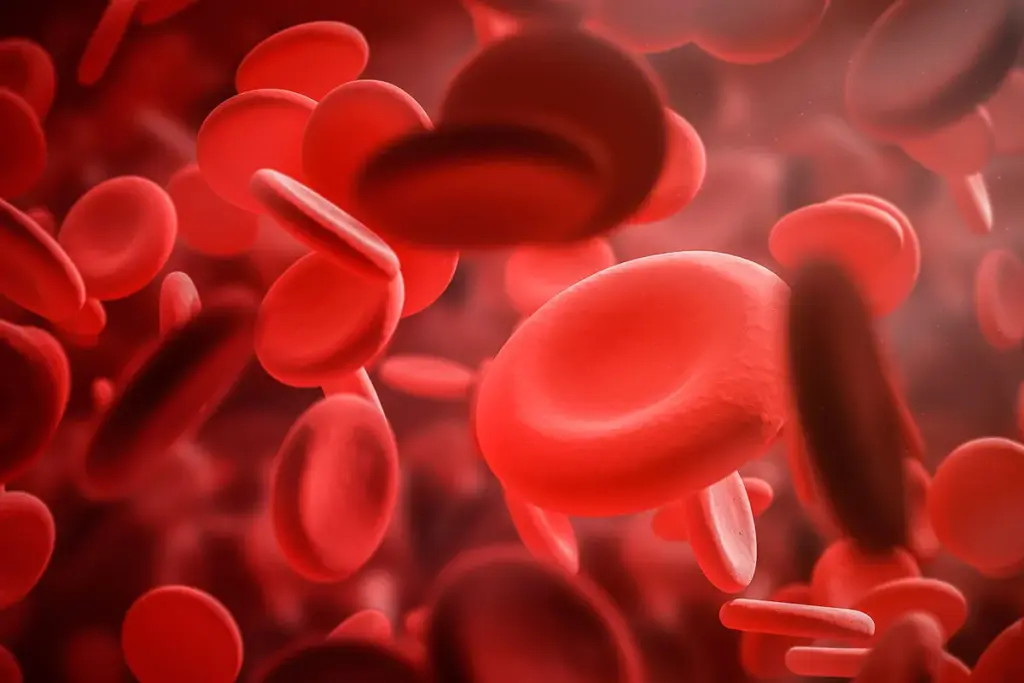
Hemophilia is a genetic disorder that makes it hard for the body to form blood clots. Blood clots are essential to stop bleeding. There are two main types: Hemophilia A and Hemophilia B.
Hemophilia A, or classic hemophilia, is caused by a lack of factor VIII. Hemophilia B is caused by a lack of factor IX.
The severity of hemophilia depends on the level of the missing clotting factor in the blood. This can range from mild to severe. Severe hemophilia is the most serious form.
Global Prevalence: The 400,000 Diagnosed Cases
The World Federation of Hemophilia says about 400,000 people worldwide have hemophilia. This number shows how widespread the disorder is. It highlights the need for awareness and effective management.
It also shows the importance of ongoing research and support for those affected. Healthcare systems around the world need to be ready to diagnose and treat hemophilia.
Classic Symptoms and Presentation of Hemophilia

Hemophilia presents differently in each person, making it essential to understand its bleeding patterns. It’s a genetic disorder that affects blood clotting. It can cause bleeding that ranges from mild to severe.
Characteristic Bleeding Patterns
Bleeding into joints and muscles is a hallmark of hemophilia. This can cause long-term pain and disability if not treated. Common spots for bleeding are the knees, elbows, and ankles.
Bleeding can happen without a reason or from minor injuries. Frequent bleeding in the same joint can lead to chronic joint disease.
People with hemophilia also face bleeding after surgery or dental work. This bleeding can be hard to stop. They might also notice easy bruising and long bleeding from cuts.
Severity Spectrum and Clinical Manifestations
The severity of hemophilia depends on the clotting factor level. Severe hemophilia has very low levels of factor VIII or IX. Those with severe hemophilia risk frequent, life-threatening bleeding.
How hemophilia shows up can vary a lot. Some people might have mild symptoms, while others face severe bleeding. It’s important to understand this to treat each person right.
Von Willebrand Disease: The Primary Hemophilia Mimicker
Von Willebrand Disease (VWD) often looks like hemophilia, causing confusion. It’s a bleeding disorder that affects both men and women. It happens when there’s not enough or not working well of von Willebrand factor, a key clotting protein.
Why VWD Cases Are Misdiagnosed as Hemophilia
Up to 15% of VWD cases are mistaken for hemophilia because of similar symptoms. Symptoms like easy bruising, nosebleeds, and heavy periods can be mistaken for hemophilia. This mistake often happens because not enough doctors know about VWD and there aren’t many tests available.
VWD is more than just a simple bleeding issue. It needs a detailed diagnosis. Being mistaken for hemophilia can lead to the wrong treatment and delayed care.
Overlapping Symptoms and Diagnostic Confusion
Symptoms of VWD and hemophilia can look the same, making diagnosis hard. Both can cause bleeding in joints and soft tissues. But, there are important differences in how they show up and in lab tests.
Doctors use tests like VWF and factor VIII/IX assays to tell VWD from hemophilia apart. Here’s a table showing the main differences and similarities:
|
Characteristics |
Von Willebrand Disease (VWD) |
Hemophilia A/B |
|---|---|---|
|
Bleeding Manifestations |
Easy bruising, nosebleeds, heavy menstrual bleeding |
Hemarthrosis, soft tissue bleeding |
|
Deficient Protein |
Von Willebrand Factor (VWF) |
Factor VIII (Hemophilia A) or Factor IX (Hemophilia B) |
|
Inheritance Pattern |
Autosomal dominant or recessive |
X-linked recessive |
|
Diagnostic Tests |
VWF antigen and activity assays |
Factor VIII and IX assays |
Knowing the differences and similarities helps doctors make better diagnoses and treatments. It’s important to spread the word about VWD and its challenges to help patients get better care.
Other Bleeding Disorders Commonly Confused with Hemophilia
Other bleeding disorders can look like hemophilia, making it key to tell them apart. Hemophilia is when you don’t have enough clotting factors VIII or IX. But, other disorders also cause long bleeding times, making diagnosis tricky.
Factor XI Deficiency and Its Similarities
Factor XI deficiency is a bleeding disorder that looks like hemophilia. It’s caused by a lack of factor XI, a key protein in blood clotting. This condition is often passed down and can cause serious bleeding after injuries or surgery.
Key similarities between factor XI deficiency and hemophilia include:
- Prolonged bleeding after injury or surgery
- Potential for spontaneous bleeding episodes
- Variable severity depending on the level of factor XI deficiency
To tell it apart from hemophilia, specific tests are needed to check factor XI levels.
Platelet Function Disorders That Resemble Hemophilia
Platelet function disorders are another group that can be mistaken for hemophilia. These disorders make it hard for platelets to stick together and form clots. This leads to long bleeding times. Glanzmann thrombasthenia and Bernard-Soulier syndrome are examples of these disorders.
Characteristics of platelet function disorders include:
- Mucocutaneous bleeding symptoms, such as bruising and petechiae
- Prolonged bleeding after trauma or surgical procedures
- Normal coagulation tests, with abnormalities detected through platelet function assays
A leading hematologist notes, “Platelet function disorders are often missed and can be mistaken for hemophilia. A detailed diagnostic process is needed to find the cause of bleeding symptoms.”
“The diagnosis of bleeding disorders requires a combination of clinical evaluation, laboratory testing, and sometimes genetic analysis to determine the underlying cause of bleeding symptoms.”
It’s important for healthcare providers to know about these disorders and their similarities to hemophilia. This helps them make the right diagnosis and treatment plans.
Non-Hematological Conditions That Mimic Hemophilia
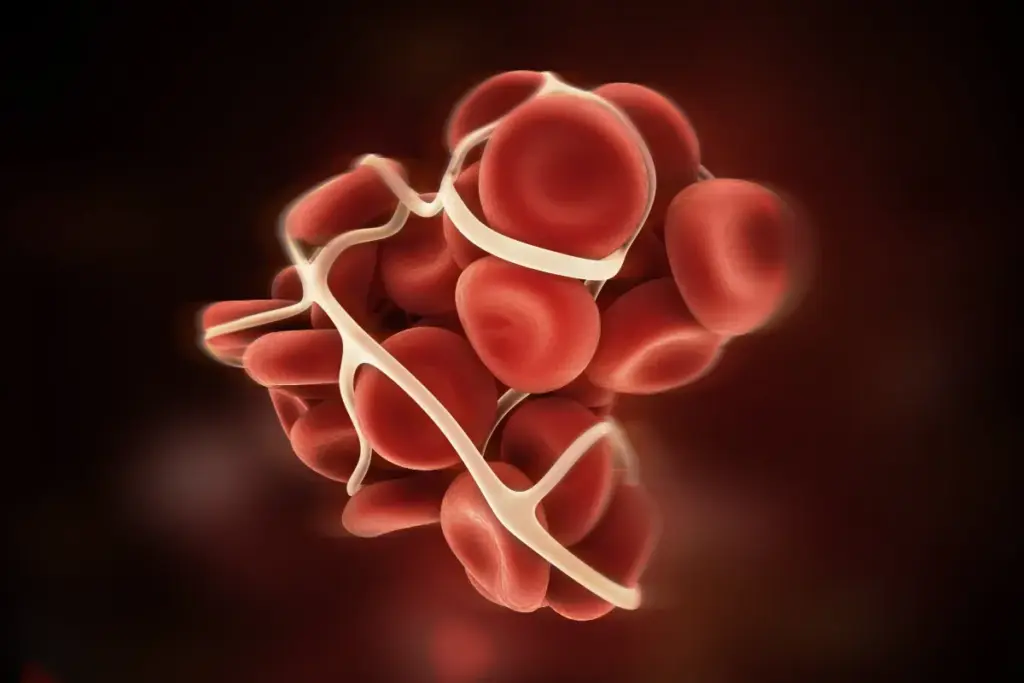
Non-hematological conditions often mimic hemophilia, making accurate diagnosis key. Hemophilia is a genetic disorder where blood can’t clot properly, leading to prolonged bleeding. But, other conditions can also cause similar bleeding issues, making diagnosis tough.
Connective Tissue Disorders with Bleeding Tendencies
Conditions like Ehlers-Danlos syndrome (EDS) can cause bleeding that looks like hemophilia. EDS is marked by skin that stretches too far, joints that move too much, and tissues that are very fragile. People with EDS might bruise easily and bleed a lot because of blood vessel and tissue problems.
Medication-Induced Bleeding Disorders
Some medicines can cause bleeding disorders that look like hemophilia. Medications like warfarin, heparin, and NOACs are meant to stop blood clots but can lead to bleeding. It’s hard to tell if the bleeding is from these medicines or from hemophilia or other disorders.
|
Condition |
Bleeding Characteristics |
Diagnostic Clues |
|---|---|---|
|
Hemophilia |
Prolonged bleeding into joints or muscles |
Family history, genetic testing, factor VIII/IX assay |
|
Ehlers-Danlos Syndrome |
Easy bruising, skin and joint manifestations |
Clinical evaluation, skin biopsy, genetic testing |
|
Medication-Induced Bleeding |
Varies depending on anticoagulant used |
Medication history, coagulation assays (e.g., INR, aPTT) |
It’s vital for healthcare providers to understand non-hematological conditions that mimic hemophilia. This knowledge helps in making correct diagnoses and treatment plans. By knowing the unique signs of these conditions, doctors can better care for their patients and improve their health outcomes.
Hemophilia in Women: Breaking the “Male Disease” Myth
The idea that hemophilia is only a ‘male disease’ is being questioned. We now know that women can also be affected. It’s important to understand how hemophilia shows up in women.
X-Chromosome Inactivation and Symptomatic Female Carriers
Female carriers of hemophilia genes can show symptoms due to X-chromosome inactivation. This is when one X chromosome is turned off in female cells. If the normal gene is turned off in many cells, the carrier may bleed like a male with hemophilia.
Symptomatic female carriers can have bleeding issues, but how bad it is varies. The more the mutated gene is turned off, the worse the symptoms. Knowing this helps doctors diagnose and treat hemophilia in women.
The Spectrum of Bleeding Severity in Women with Hemophilia
The severity of bleeding in women with hemophilia or symptomatic carriers can vary. It depends on how much clotting factor is missing, if they have other bleeding disorders, and how much of the X chromosome is turned off. Women may have heavy periods, bruise easily, and bleed a lot after surgeries or injuries.
Accurate diagnosis is key to managing the condition well. Tests like clotting factor assays help figure out how severe hemophilia is in women. They also help decide the best treatment.
Heavy Menstrual Bleeding: A Key Indicator of Undiagnosed Bleeding Disorders
Heavy menstrual bleeding is not just a normal part of life. It can be a sign of a serious condition. Women with heavy bleeding might have an undiagnosed bleeding disorder, like von Willebrand disease (VWD).
The Prevalence of Undiagnosed VWD Among Women with Heavy Periods
Research shows many women with heavy bleeding might have VWD. It’s thought that 5-24% of these women might not know they have it. This highlights the need for more awareness and proper diagnosis.
Heavy menstrual bleeding is not just a minor issue. It can be a sign of a serious condition that needs medical attention. The fact that many women with heavy periods might have undiagnosed VWD shows how important it is to get checked out.
|
Study |
Prevalence of VWD Among Women with Heavy Menstrual Bleeding |
|---|---|
|
Study 1 |
13% |
|
Study 2 |
18% |
|
Study 3 |
20% |
Distinguishing Pathological from Normal Menstrual Bleeding
Telling normal from abnormal menstrual bleeding can be tricky. But, some signs can point to a problem. For example, bleeding that lasts over 7 days or needs constant changing might be a sign of a disorder.
Key indicators of pathological menstrual bleeding include:
- Prolonged menstrual bleeding lasting more than 7 days
- Frequent need to change sanitary products (every 1-2 hours)
- Passage of large clots
- Significant impact on daily activities
Knowing these signs helps doctors better diagnose and treat women with heavy bleeding. It’s all about being aware and proactive.
Laboratory Diagnostic Challenges and Errors
Getting a correct diagnosis of hemophilia can be tough. This is because of challenges in lab tests. These tests are key for spotting bleeding disorders. But, many things can mess up their accuracy.
Common Misinterpretations in Coagulation Testing
Coagulation tests are vital for diagnosing hemophilia and other bleeding disorders. Yet, wrong readings can lead to wrong diagnoses. For example, factor assays need careful handling and understanding to avoid mistakes.
Some common mistakes include not understanding the importance of clotting factor levels. Also, misreading results from tests like prothrombin time (PT) and activated partial thromboplastin time (aPTT).
The Impact of Preanalytical Variables on Test Results
Things like how samples are handled and patient prep can really affect test results. Sample contamination or improper storage can cause wrong results. We must follow strict rules to avoid these mistakes.
Also, things like patient fasting status and medication use can change test results. Knowing about these factors is key to getting accurate readings.
Gender Bias in Hemophilia Diagnosis and Care
Hemophilia was once seen as a male disease, leading to a big gap in care for women. This belief came from the genetic link to the X chromosome. But, it doesn’t excuse ignoring women with hemophilia.
Historical Perspectives
Early studies made hemophilia seem like a male-only issue. They showed it’s linked to the X chromosome. This led to a bias where only men were diagnosed.
Recent studies have shown that female carriers can also have symptoms. But, the focus was always on men. This left a big gap in understanding and treating hemophilia in women.
|
Year |
Study Findings |
Impact on Female Diagnosis |
|---|---|---|
|
1990s |
Early genetic studies emphasized X-linked recessive pattern |
Limited understanding of hemophilia in females |
|
2000s |
Research highlighted symptomatic female carriers |
Beginning of shift towards recognizing female hemophilia |
|
2010s |
Increased awareness and studies on hemophilia in women |
Improved diagnosis and care for female patients |
Current Challenges
Even with progress, there are ongoing issues in diagnosing and treating hemophilia in women. The criteria for diagnosis often favor men. Healthcare providers also need more awareness about female hemophilia.
Current challenges include:
- Lack of specific diagnostic criteria for female hemophilia
- Insufficient awareness among healthcare providers
- Limited data on the prevalence and manifestation of hemophilia in women
To tackle these issues, we need education, awareness, and research. We must focus on the unique needs of female hemophilia patients.
Differential Diagnosis: Key Distinctions Between Hemophilia and Similar Conditions
Differential diagnosis is key in telling hemophilia apart from other bleeding disorders. It’s important for the right treatment. Each condition needs a different approach.
Clinical Features That Help Differentiate Diagnoses
Some signs can help tell hemophilia apart. For example, how often and how badly someone bleeds matters. Also, if they have bleeding in joints or muscles, and their family history are important. Knowing these details is essential for a correct diagnosis.
Hemophilia mainly affects males because it’s X-linked recessive. But, female carriers can also show symptoms. On the other hand, von Willebrand disease (VWD) can hit both men and women. It shows up differently, like in mucocutaneous bleeding.
“The diagnosis of hemophilia and other bleeding disorders requires a thorough approach. This includes clinical checks, lab tests, and genetic studies.” – Expert in Hematology
Laboratory Parameters for Accurate Distinction
Lab tests are vital in telling hemophilia apart from other disorders. Key tests include:
- Coagulation factor assays to check clotting factor levels.
- Von Willebrand factor (VWF) antigen and activity tests for VWD.
- Platelet function tests for bleeding disorders related to platelets.
It’s important to understand these lab results well. Hemophilia A lacks factor VIII, while B lacks factor IX. VWD is diagnosed by VWF levels and function.
By using both clinical checks and lab tests, doctors can accurately diagnose hemophilia. This ensures the right treatment and care.
The Consequences of Misdiagnosis on Patient Outcomes
Misdiagnosing hemophilia has big effects on patients. It can harm them physically and mentally. When hemophilia is not diagnosed right, treatment is delayed. This leads to many problems.
Physical Complications of Delayed or Incorrect Treatment
Not treating hemophilia right can cause serious physical issues. Joint damage is a big problem, from bleeding into the joints. This can cause chronic pain, swelling, and make moving hard.
Also, bleeding over and over can cause muscle atrophy and neurological damage. This happens when nerves get compressed by blood clots.
Studies show that wrong diagnoses can lead to bad surgeries or wrong treatments. For example, a patient thought to have another bleeding disorder might get surgery without the right treatment. This can cause serious bleeding problems.
Psychological Impact of Diagnostic Uncertainty
Living with uncertainty about a diagnosis is tough. Patients who wait a long time for a diagnosis feel frustration, anxiety, and depression. Not knowing what’s wrong makes it hard for them to get support from loved ones and doctors.
This uncertainty also raises stress levels. It can really lower their quality of life. Doctors need to care for patients’ mental health as much as their physical health.
Understanding the harm of misdiagnosis is key. It shows why we must diagnose correctly and quickly. This knowledge helps us work on better diagnosis and care for hemophilia patients.
Advanced Diagnostic Approaches for Accurate Identification
Advanced diagnostic methods are key in spotting hemophilia, mainly in women. These new ways have changed how we diagnose and treat hemophilia. They help doctors do a better job.
Genetic Testing and Molecular Diagnostics
Genetic tests and molecular diagnostics are vital for finding hemophilia. They find the genetic changes that cause the disease. This makes it easier to diagnose and find carriers.
- Genetic sequencing: This looks at the DNA of the genes for factor VIII or IX to find mutations.
- PCR (Polymerase Chain Reaction): PCR makes copies of specific DNA parts. This helps spot genetic changes.
- Next-generation sequencing (NGS): NGS quickly and cheaply checks many genes at once. It makes diagnosis more accurate.
These tests are great for finding carriers, checking for hemophilia before birth, and when it’s hard to tell if someone has it.
Specialized Coagulation Assays and Their Interpretation
Special tests are needed to diagnose and manage hemophilia. These tests check the levels and activity of clotting factors. They help figure out how severe the condition is.
- Factor VIII and IX assays: These tests check the levels of clotting factors VIII and IX. This is key for diagnosing hemophilia A and B.
- Von Willebrand factor (VWF) assays: VWF tests are important for diagnosing von Willebrand disease. It’s often mistaken for hemophilia.
- Thrombin generation assays: These tests look at the coagulation process. They help understand the patient’s risk of bleeding.
Understanding these tests well is important. Doctors need to know the test results and the patient’s symptoms. This helps them make the right diagnosis.
Management Strategies for Women with Hemophilia
Managing hemophilia in women requires a detailed plan. This includes controlling heavy menstrual bleeding and looking at reproductive health. Good management strategies are key to a better life and avoiding complications.
Controlling Heavy Menstrual Bleeding in Hemophilia Patients
Heavy menstrual bleeding is a big issue for women with hemophilia. It affects their daily life a lot. To tackle this, we suggest a few steps:
- Hormonal therapies to regulate menstrual cycles and reduce bleeding
- Tranexamic acid to stabilize clots and minimize blood loss
- Desmopressin to stimulate the release of factor VIII and von Willebrand factor
- In some cases, surgical options like endometrial ablation may be considered
It’s vital to work with a healthcare provider to find the right treatment. Each woman reacts differently to these therapies.
Reproductive Health Considerations and Family Planning
Reproductive health is a big part of managing hemophilia in women. It includes:
- Genetic counseling to understand the risk of passing hemophilia to offspring
- Family planning options, including the use of contraception to manage menstrual bleeding and prevent unintended pregnancies
- Pregnancy management, as hemophilia can affect pregnancy and childbirth; close monitoring is necessary
By looking into these reproductive health matters, women with hemophilia can make smart choices about their care and well-being.
We stress the need for a personalized management plan. It should fit the unique needs and health goals of each woman with hemophilia. This approach can greatly enhance their quality of life and health outcomes.
Pregnancy and Childbirth with Hemophilia: Special Considerations
Hemophilia in pregnancy is a complex condition. It needs a team effort for the best results. Women with hemophilia or who carry the gene face special challenges during pregnancy and childbirth.
Monitoring and Management During Pregnancy
Managing hemophilia during pregnancy is key. It’s important to watch both the mother’s and the baby’s health closely. Regular visits with a hematologist and an experienced obstetrician are recommended.
- Regular monitoring of factor levels to assess the risk of bleeding
- Ultrasound examinations to monitor fetal development and detect any complications
- Genetic counseling to discuss the risks of transmitting hemophilia to the offspring
Factor replacement therapy may be needed for women with hemophilia A or B. This is often necessary in the third trimester and after giving birth. The goal is to keep factor levels safe to avoid bleeding.
Delivery Planning and Postpartum Care
Planning the delivery is vital for women with hemophilia. We suggest a planned delivery to lower the risk of problems.
- Coordination between the hematologist, obstetrician, and other healthcare providers to develop a delivery plan
- Avoidance of invasive procedures during delivery, such as fetal scalp electrodes or vacuum extraction, to reduce the risk of bleeding
- Availability of factor concentrates in the delivery room to manage any bleeding that may occur
Postpartum care is also critical, as the risk of bleeding is high after delivery. Close monitoring and factor replacement therapy can help manage this risk.
|
Aspect of Care |
Considerations |
|---|---|
|
Monitoring During Pregnancy |
Regular factor level checks, ultrasound examinations, genetic counseling |
|
Delivery Planning |
Coordinated care plan, avoidance of invasive procedures, availability of factor concentrates |
|
Postpartum Care |
Close monitoring, factor replacement therapy as needed |
By taking a detailed and coordinated approach to managing hemophilia during pregnancy and childbirth, we can greatly improve outcomes for both mother and baby.
Recent Research and Advancements in Hemophilia Diagnosis
Hemophilia diagnosis has improved a lot thanks to new research and technology. We’re seeing big changes in how we diagnose hemophilia. This is all thanks to new ideas and teamwork around the world.
New Biomarkers for Improved Diagnostic Accuracy
New biomarkers have been key in making hemophilia diagnosis better. These include propeptides and specific coagulation factor activity markers. They help us understand how severe hemophilia is and the risk of bleeding.
Genetic testing is also playing a big role. It helps find the mutations that cause hemophilia. This not only helps diagnose but also find carriers and predict the chance of passing the condition to future generations.
|
Biomarker |
Diagnostic Utility |
Clinical Implication |
|---|---|---|
|
Propeptides |
Indicates coagulation factor activation |
Helps in assessing bleeding risk |
|
Specific Coagulation Factor Activity |
Measures the activity level of specific clotting factors |
Aids in diagnosing hemophilia severity |
|
Genetic Mutations |
Identifies hemophilia-causing mutations |
Useful for carrier detection and genetic counseling |
Global Initiatives to Reduce Misdiagnosis Rates
There are global efforts to lower hemophilia misdiagnosis rates. These include training for doctors, public awareness, and standardizing diagnosis methods.
Hemophilia treatment centers are also being set up. They offer complete care, including diagnosis and support. These centers are key to better patient care by ensuring accurate diagnosis and treatment.
Key components of global initiatives include:
- Education and training for healthcare professionals
- Public awareness campaigns to recognize symptoms early
- Standardization of diagnostic criteria and protocols
- Access to advanced diagnostic technologies
By using these strategies, we can lower misdiagnosis rates. This will greatly improve the lives of people with hemophilia.
Conclusion: Improving Recognition and Diagnosis of Hemophilia
Getting hemophilia right, and that includes women, is key to better care. We’ve talked about how bleeding disorders like Von Willebrand Disease (vWD) can be confused with hemophilia. vWD affects about 580,000 people worldwide who show symptoms.
It’s important to know the difference between hemophilia and other conditions. Tools like the MCMDM-1 bleeding questionnaire and vWF:Ag measurement help. For more on vWD diagnosis and care, check out.
To better diagnose and treat hemophilia, we need more awareness and research. Understanding hemophilia better helps us care for patients better. Raising awareness is essential for this.
FAQ
What is hemophilia, and how does it affect women?
Hemophilia is a bleeding disorder often linked to men. But women can also have it. They might carry the mutated gene or show symptoms due to X-chromosome inactivation.
Can women be affected by hemophilia?
Yes, women can have hemophilia, though it’s less common than in men. They might be symptomatic carriers or rarely, have the full disease.
What are the symptoms of hemophilia in women?
Women with hemophilia might experience heavy menstrual bleeding. They could also bruise easily or bleed a lot after injuries or surgeries.
How is hemophilia diagnosed in women?
Diagnosing hemophilia in women is tricky. Symptoms vary, and other bleeding disorders can confuse the issue. A detailed diagnostic process, including genetic tests and coagulation assays, is needed.
What is the difference between hemophilia A and hemophilia B?
Hemophilia A is due to a lack of factor VIII. Hemophilia B is caused by a deficiency in factor IX. Both lead to bleeding issues but need different treatments.
How is heavy menstrual bleeding related to hemophilia?
Heavy menstrual bleeding is common in women with bleeding disorders like hemophilia and von Willebrand Disease. It might signal an underlying issue.
Can hemophilia be misdiagnosed as another condition?
Yes, hemophilia can be mistaken for other bleeding disorders, such as von Willebrand Disease or platelet function disorders. Accurate diagnosis needs a thorough evaluation, including lab tests and clinical assessment.
What are the management strategies for women with hemophilia?
Managing hemophilia in women involves controlling heavy menstrual bleeding and addressing reproductive health. Family planning is also key. A team approach is essential for care.
How does pregnancy affect women with hemophilia?
Pregnancy can impact women with hemophilia. It’s important to monitor and manage it carefully. A team effort is needed to ensure a safe pregnancy and delivery.
What are the latest advancements in hemophilia diagnosis?
New biomarkers and global initiatives aim to improve hemophilia diagnosis. These advancements are vital for better accuracy and patient care.
Is hemophilia a male-only disease?
No, hemophilia is not exclusive to men. While more common in males, women can also be affected. It’s important to recognize and diagnose it in women for proper care.
What is von Willebrand Disease, and how is it related to hemophilia?
Von Willebrand Disease is a bleeding disorder often mistaken for hemophilia. It’s caused by a lack or dysfunction of von Willebrand factor, a key blood clotting protein.
References
National Institutes of Health (NIH) – PMC. Quality of life and psychiatric morbidity among women with inherited bleeding disorders. https://pmc.ncbi.nlm.nih.gov/articles/PMC8380198/
ScienceDaily. Severity of hemophilia determines quality of life for women carriers. https://www.sciencedaily.com/releases/2011/02/110216170958.htm
Factor My Way. Recent Research Focus on Women and Girls with Bleeding Disorders. https://factormyway.com/learn/recent-research-focus-women-girls-bleeding-disorders.html
National Institutes of Health (NIH) – PMC. Assessment of joint health in women with hemophilia. https://pmc.ncbi.nlm.nih.gov/articles/PMC8919699/
World Federation of Hemophilia (WFH). The Global Survey. https://www.wfh.org/en/resources/the-global-survey/
Blood Journal. Joint problems in symptomatic carriers of hemophilia. https://www.bloodjournal.org/content/119/2/468.short