
We often think of hemophilia as a genetic disorder found in kids. But, some adults can get a rare form called acquired hemophilia later on. This is when the body’s immune system attacks clotting factors, like factor VIII, causing severe bleeding.
Acquired hemophilia makes it hard for the body to form blood clots. This leads to long and dangerous bleeding episodes. We’ll look into how common it is, who’s at risk, and how it affects people. We’ll also talk about how to diagnose and treat it.
Key Takeaways
- Acquired hemophilia is a rare autoimmune disorder that affects clotting factors.
- It can cause severe bleeding complications in adults.
- The condition is distinct from the traditional genetic form of hemophilia.
- Understanding the risk factors is key for diagnosis and treatment.
- Acquired hemophilia needs quick medical care to manage bleeding episodes.
Understanding Hemophilia: The Basics
Hemophilia is a rare bleeding disorder that affects how blood clots. It makes it hard for blood to form clots, leading to long-lasting bleeding. This can cause serious health problems if not treated right.
What is Hemophilia?
Hemophilia is a genetic disorder that stops the body from making blood clots. The condition is often linked to a lack of clotting factors, proteins that help blood clot. “Hemophilia is often called ‘the bleeding disease,'” because it can cause bleeding without injury, or after injuries, surgeries, or dental work.
Types of Hemophilia
There are two main types of hemophilia: Hemophilia A and Hemophilia B. Hemophilia A is caused by a lack of factor VIII, while Hemophilia B is due to a deficiency in factor IX. The severity of hemophilia depends on the level of the missing clotting factor in the blood. Both types can lead to serious bleeding issues, but they need different treatments.
The Role of Clotting Factors
Clotting factors are essential proteins in the blood that facilitate the clotting process, playing a crucial role in preventing excessive bleeding. When a blood vessel is injured, these factors form a fibrin clot to stop bleeding. In hemophilia, a lack or malfunction of clotting factors (factor VIII for Hemophilia A and factor IX for Hemophilia B) stops this process.
“Understanding the role of clotting factors is key in managing hemophilia, as it guides treatment choices.”
Treatment often involves replacing the missing clotting factor to help the blood clot right.
Inherited vs. Acquired Hemophilia

It’s important to know the difference between inherited and acquired hemophilia. This knowledge helps in diagnosing and treating the condition. Hemophilia is a disorder where blood can’t clot properly, leading to long bleeding times. It comes in two main types: inherited and acquired.
Genetic Hemophilia: The Common Form
Inherited hemophilia, or genetic hemophilia, is caused by a gene mutation. This mutation is usually passed down from parents. It mainly affects males. Genetic hemophilia is the most common type and is often diagnosed in childhood.
- X-linked recessive inheritance pattern
- Primarily affects males
- Symptoms often appear early in life
Acquired Hemophilia: The Later-Life Development
Acquired hemophilia, by contrast, develops later in life and is not inherited. It happens when the immune system attacks the body’s clotting factors, usually factor VIII. This can be triggered by autoimmune diseases, cancer, or certain medications. Acquired hemophilia is rare but can be life-threatening if not treated quickly.
- Autoimmune response against clotting factors
- Can be associated with other autoimmune diseases or conditions
- Typically diagnosed in adults, often after the age of 60
Key Differences Between Forms
The main differences between inherited and acquired hemophilia are their causes, age of onset, and underlying reasons. Inherited hemophilia is a genetic disorder present from birth. Acquired hemophilia, on the other hand, develops later due to an autoimmune response. Knowing these differences helps healthcare providers create effective treatment plans.
|
Characteristics |
Inherited Hemophilia |
Acquired Hemophilia |
|---|---|---|
|
Cause |
Genetic mutation |
Autoimmune response |
|
Age of Onset |
Early in life, often in childhood |
Later in life, typically after age 60 |
|
Gender Affected |
Primarily males |
Affects both males and females equally |
What is Acquired Hemophilia?
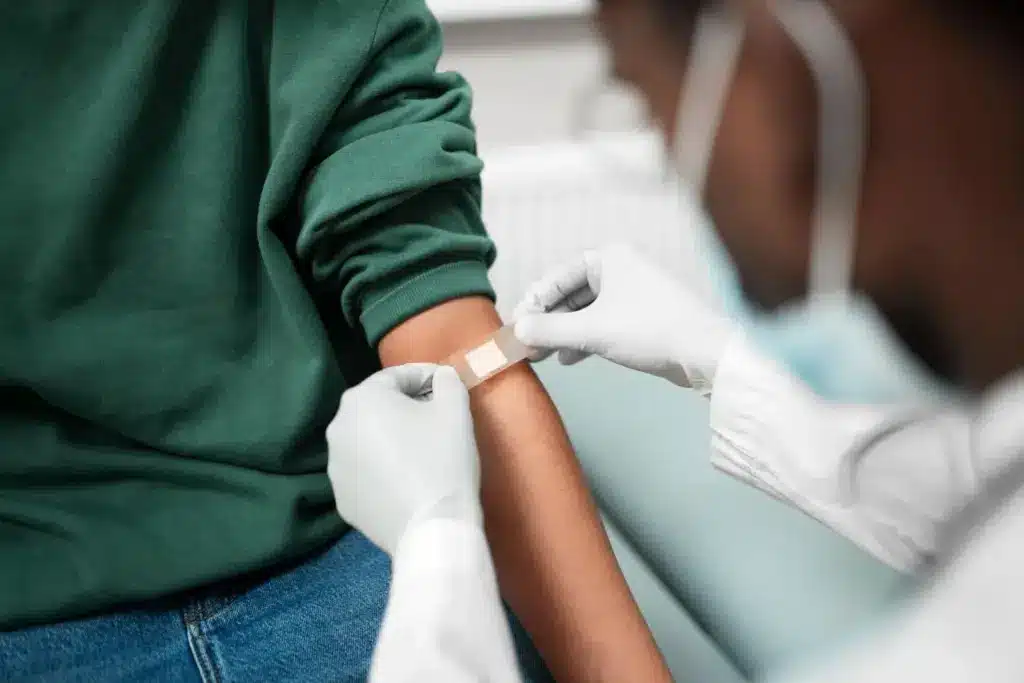
Acquired hemophilia is a rare bleeding disorder. It happens when the body’s immune system attacks its own clotting factors. This is different from inherited hemophilia, which people are born with.
Acquired hemophilia starts later in life. It often doesn’t run in families.
Definition and Mechanism
Acquired hemophilia is caused by inhibitors, or antibodies, against factor VIII. This protein is key for blood clotting. The presence of these inhibitors makes it hard for blood to clot, leading to more bleeding.
The autoimmune nature of acquired hemophilia means the body sees factor VIII as a foreign invader. It makes autoantibodies against it. This severely hampers the blood’s ability to clot.
Autoimmune Nature of the Condition
The autoimmune aspect of acquired hemophilia sets it apart from other bleeding disorders. It shows the body’s immune system attacking its own proteins. This is a complex issue that researchers are studying.
“The development of autoantibodies against clotting factors is a hallmark of acquired hemophilia, underscoring the need for a complete understanding of the immune system’s role in this condition.”
Factor VIII Inhibitors
Factor VIII inhibitors are key in acquired hemophilia. They block factor VIII, reducing its activity and causing bleeding. The level of these inhibitors is important for diagnosing and treating the condition.
- Diagnosis: Detects the presence and level of factor VIII inhibitors.
- Management: Uses strategies to bypass or neutralize the inhibitors to help clotting.
Epidemiology of Acquired Hemophilia
The study of acquired hemophilia shows us how common it is and who it affects. It’s a rare condition where the body attacks its own clotting factors, like factor VIII. This usually happens when the immune system gets confused.
Incidence Rates in the United States
In the United States, about 0.2–1 per 1,000,000 people get acquired hemophilia each year. It’s rare, so doctors need to be very careful when looking for it. This is true, even if there’s no family history of bleeding problems.
Age and Gender Distribution
Most people with acquired hemophilia are between 60–80 years old. Both men and women can get it. This means it’s more common in older adults.
Canadian Study Findings
Studies in Canada and other places have helped us learn more about acquired hemophilia. These studies are key to understanding who gets it and how often. They help us spot trends and patterns.
|
Epidemiological Characteristic |
Detail |
|---|---|
|
Incidence Rate (US) |
0.2–1 per 1,000,000 people annually |
|
Age Distribution |
Predominantly 60–80 years |
|
Gender Distribution |
Equal in men and women |
Risk Factors for Developing Hemophilia Later in Life
It’s important to know the risk factors for acquired hemophilia. This helps in early detection and treatment. Certain factors can increase the chance of getting hemophilia later in life.
Age-Related Factors
Age is a big risk factor for acquired hemophilia. Most cases happen in people over 60. As we get older, our immune system weakens. This makes us more likely to get autoimmune diseases like hemophilia.
Underlying Medical Conditions
Some medical conditions can also raise the risk of acquired hemophilia. These include:
- Autoimmune diseases: Conditions like rheumatoid arthritis, lupus, and other autoimmune disorders can increase the risk.
- Cancer: Certain types of cancer, like lymphoproliferative disorders, can raise the risk of acquired hemophilia.
- Infections and inflammatory conditions: Chronic infections and inflammatory diseases can trigger acquired hemophilia in some people.
Medications and Treatments
Some medications and treatments can also increase the risk of acquired hemophilia. These include:
- Certain antibiotics and medications: Exposure to specific drugs can lead to inhibitors against clotting factors.
- Cancer treatments: Chemotherapy and other cancer treatments can sometimes trigger acquired hemophilia.
Pregnancy and Postpartum Period
Acquired hemophilia can also happen in women during pregnancy or after giving birth. The exact reasons are not fully understood. But, changes in the immune system during pregnancy might play a role. It’s important to watch for bleeding disorders during and after pregnancy.
Knowing these risk factors helps doctors identify and manage the condition better. This way, they can take steps to prevent and treat acquired hemophilia effectively.
Signs and Symptoms of Acquired Hemophilia
Knowing the signs of acquired hemophilia is key for early treatment. This condition shows severe bleeding signs that can really hurt.
Common Bleeding Manifestations
The symptoms of acquired hemophilia vary but often include:
- Spontaneous bleeding into muscles or joints
- Prolonged bleeding after surgery or trauma
- Easy bruising
- Nosebleeds or bleeding gums
- Bleeding into the gastrointestinal tract or urinary tract
These symptoms can be life-threatening if not treated quickly.
Differences from Inherited Hemophilia Symptoms
Acquired and inherited hemophilia both cause bleeding issues. But, there are big differences. Acquired hemophilia usually starts later in life and is more unpredictable.
Warning Signs to Watch For
It’s important to know the warning signs of acquired hemophilia, such as:
- Unexplained bruising or swelling
- Prolonged or recurrent bleeding
- Joint pain or swelling without a clear cause
- Bleeding that doesn’t stop after minor injuries
Spotting these signs early can help get the right treatment sooner. This can greatly improve the outcome for those with acquired hemophilia.
Diagnostic Challenges in Acquired Hemophilia
Diagnosing acquired hemophilia is tough for doctors. It’s rare and can look like other bleeding disorders. This often means it’s missed or diagnosed late.
Why Diagnosis is Often Delayed
It’s hard to spot acquired hemophilia quickly because its symptoms are not clear. Delayed diagnosis happens when symptoms are thought to be from something else, like an injury. This can lead to more time wasted before the real cause is found.
Also, people with acquired hemophilia often don’t have a history of bleeding problems. This makes doctors less likely to think of it first. So, tests might not be done right away, causing more delays.
Atypical Presentations
Acquired hemophilia can show up in different ways than inherited types. It often causes cutaneous or mucosal bleeding, not just in joints or muscles. This can confuse doctors and make diagnosis harder.
In some cases, the bleeding might not seem related to blood clotting problems at first. For example, bleeding in the gut or bladder might be thought of as something else. This can make finding the right diagnosis even harder.
Impact of Delayed Diagnosis on Outcomes
When acquired hemophilia is not caught early, it can cause big problems. Prolonged bleeding can lead to serious issues like anemia and organ damage. Prompt diagnosis and treatment are key to avoiding these problems and improving chances of recovery.
Research shows that quick diagnosis and treatment can greatly reduce the risks of acquired hemophilia. It’s important for doctors to be on the lookout for this condition, even if it’s not the first thing they think of. This is because unexplained bleeding can be a sign of acquired hemophilia.
Laboratory Tests and Diagnosis

To diagnose acquired hemophilia, we use lab tests. These tests check how well blood clots and find inhibitors.
Coagulation Studies
Coagulation studies are key in diagnosing acquired hemophilia. They look at how blood clots and find any problems.
Some important coagulation studies include:
- Activated Partial Thromboplastin Time (aPTT): This test shows how long it takes for blood to clot. A long aPTT can mean a clotting issue.
- Prothrombin Time (PT): This test checks the extrinsic clotting pathway. It’s usually normal in acquired hemophilia but helps rule out other disorders.
Factor VIII Activity Levels
Testing factor VIII activity levels is vital in diagnosing acquired hemophilia. Low levels of factor VIII activity suggest inhibitors against it.
We use special tests to measure factor VIII activity in the blood. These tests show how severe the condition is.
Inhibitor Assays
Inhibitor assays find and measure inhibitors against factor VIII. Finding these inhibitors is a key sign of acquired hemophilia.
Differential Diagnosis
Differential diagnosis is important for accurate diagnosis of acquired hemophilia. We must exclude other bleeding disorders and conditions with similar symptoms.
The table below lists the main lab tests for diagnosing acquired hemophilia:
|
Test |
Purpose |
Significance in Acquired Hemophilia |
|---|---|---|
|
aPTT |
Measures clotting time |
Prolonged aPTT may indicate clotting disorder |
|
Factor VIII Activity Assay |
Measures factor VIII activity |
Low levels indicate presence of inhibitors |
|
Inhibitor Assay |
Detects and quantifies inhibitors |
Presence of inhibitors confirms acquired hemophilia |
Complications of Untreated Acquired Hemophilia
Untreated acquired hemophilia can cause major bleeding and long-term health issues. It’s vital to treat it early to avoid severe problems. Understanding these risks highlights the need for quick and effective treatment.
Major Bleeding Events
Major bleeding is a big risk with untreated acquired hemophilia. This can include:
- Severe bruising and hematomas
- Prolonged bleeding from minor cuts or injuries
- Spontaneous bleeding into joints or muscles
- Gastrointestinal or genitourinary bleeding
These bleeding events can be deadly and need fast medical help. A study found that patients with acquired hemophilia face a higher risk of major bleeding than those with inherited hemophilia.
Morbidity and Mortality Rates
Untreated acquired hemophilia has high morbidity and mortality rates. Studies show it increases the risk of death from bleeding or related conditions.
A study in a medical journal found that patients with acquired hememia face a higher death rate. This is often due to severe bleeding or treatment complications.
Long-term Health Consequences
Untreated acquired hemophilia can also lead to long-term health issues. These may include:
- Chronic joint pain and limited mobility due to repeated joint bleeds
- Muscle weakness and atrophy from recurrent muscle hemorrhages
- Potential for long-term disability
Early treatment is key to avoiding these long-term effects. Healthcare experts stress that timely intervention can greatly reduce complications and improve patient quality of life.
Treatment Approaches for Acquired Hemophilia
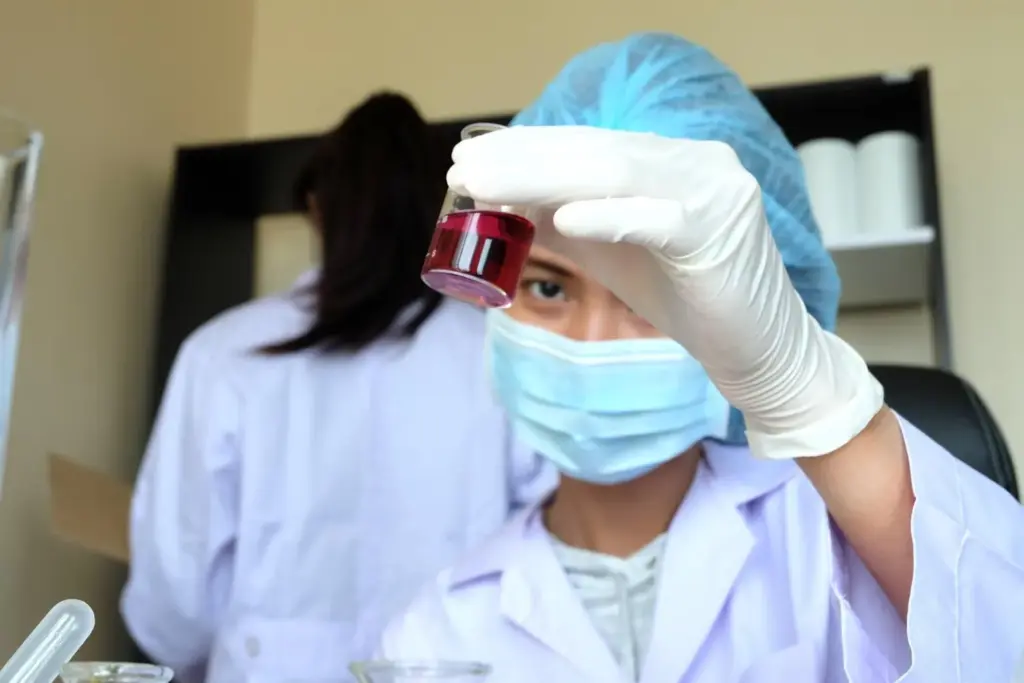
Dealing with acquired hemophilia needs a detailed plan. This includes managing acute bleeding, using bypassing agents, and immunosuppressive therapy. The goal is to help patients get better.
Acute Bleeding Management
Stopping bleeding quickly is key in treating acquired hemophilia. Bleeding control is done with agents that help blood clot. It’s vital to act fast to avoid serious bleeding.
- Administering clotting factor concentrates to replace the deficient factor
- Using antifibrinolytic agents to prevent clot lysis
- Employing local hemostatic measures, such as compression and topical hemostatic agents
Bypassing Agents
Bypassing agents are very important for managing acquired hemophilia, mainly for those with inhibitors. These agents bypass the inhibitor’s effect, helping blood to clot properly.
|
Bypassing Agent |
Mechanism of Action |
Clinical Use |
|---|---|---|
|
Recombinant Factor VIIa |
Activates the coagulation cascade, promoting thrombin generation |
Used for acute bleeding episodes in patients with inhibitors |
|
Activated Prothrombin Complex Concentrate (aPCC) |
Provides factors II, IX, and X, and activated Factor VII, enhances thrombin generation |
Effective for managing bleeding in patients with high inhibitor titers |
Immunosuppressive Therapy
Immunosuppressive therapy is a key part of treating acquired hemophilia. It aims to lower the amount of inhibitors in the body. We use different drugs to control the immune system.
- Corticosteroids, such as prednisone, to suppress inflammation and inhibitor production
- Cyclophosphamide and other immunosuppressive drugs to reduce inhibitor titers
- Rituximab, a monoclonal antibody targeting CD20-positive B cells, to decrease inhibitor production
Novel Treatment Options
New treatments are being explored for acquired hemophilia. Gene therapy and novel bypassing agents could lead to better care. They aim to improve treatment results and lessen the side effects of current therapies.
We keep up with the latest research. We add new findings to our treatment plans to give patients the best care possible.
Living with Acquired Hemophilia

Managing acquired hemophilia is more than just medical treatment. It also means making lifestyle changes and getting ongoing care. Patients need to be proactive to avoid complications and improve their life quality.
Lifestyle Adjustments
Patients should avoid activities that could cause injuries, like contact sports. Instead, they can do low-impact exercises like swimming or yoga. This keeps them physically healthy without risking injury.
Also, keeping a healthy weight is key to reduce joint strain. This is important for people with hemophilia.
Monitoring and Follow-up Care
Patients need to work closely with their healthcare providers. They should monitor their condition and adjust their treatment plans as needed.
Regular blood tests are vital. They check clotting factor levels and inhibitors. This helps healthcare providers tailor treatment to the patient’s needs.
Support Resources
Support groups, both in-person and online, are great. They let patients share their experiences and learn from others facing similar challenges.
Also, educational resources and counseling services help. They help patients and their families understand and cope with the condition.
|
Aspect |
Description |
Benefit |
|---|---|---|
|
Lifestyle Adjustments |
Avoiding high-risk activities, maintaining a healthy weight |
Reduces risk of bleeding episodes and joint strain |
|
Monitoring and Follow-up |
Regular blood tests, adjusting treatment plans |
Ensures effective management of the condition |
|
Support Resources |
Support groups, educational resources, counseling |
Provides emotional support and enhances understanding of the condition |
Specialized Care for Hemophilia Patients
Managing hemophilia requires a special care plan. It must be both team-based and focused on the patient. At Liv Hospital, we get how complex hemophilia is. We know a full care plan is needed.
Multidisciplinary Approach
A team effort is key in treating hemophilia. Our team includes doctors, nurses, and physiotherapists. We work together to create care plans that fit each patient’s needs.
This team work leads to better health outcomes and a better life for patients. It also helps manage hemophilia’s complications. Our goal is to support our patients’ overall health.
Hemophilia Treatment Centers
Hemophilia treatment centers are essential for care. They have the right tools and staff. They offer everything from diagnosis to education and support.
These centers focus on hemophilia, leading to better care. Being part of these centers means our patients get top-notch care.
Liv Hospital’s Approach to Hemophilia Care
At Liv Hospital, we’re all about the latest in hemophilia care. Our plans follow the latest research and guidelines. We aim to provide the best care possible for each patient.
We don’t just treat the medical side of hemophilia. We also offer support to improve our patients’ lives. We want to give our patients the tools to manage their condition well.
Research and Future Directions in Acquired Hemophilia

Acquired hemophilia is a major focus of research today. We’re working hard to find better treatments and ways to diagnose it. This research aims to improve how we care for patients with this condition.
Current Clinical Trials
Many clinical trials are underway to test new treatments for acquired hemophilia. These trials look at how well and safely different treatments work. For example, a study in the Journal of Thrombosis and Haemostasis found a new bypassing agent might help reduce bleeding.
Here are some ongoing clinical trials:
- A phase III trial is looking at a new recombinant factor VIII for acquired hemophilia A.
- Another study is checking if immunosuppressive therapy can lower inhibitor titers in patients.
- There’s also a trial on a new bypassing agent for managing bleeding episodes.
|
Trial Name |
Objective |
Status |
|---|---|---|
|
Recombinant Factor VIII Trial |
Evaluate the efficacy of a novel recombinant factor VIII in patients with acquired hemophilia A. |
Ongoing |
|
Immunosuppressive Therapy Study |
Assess the efficacy of immunosuppressive therapy in reducing inhibitor titers. |
Recruiting |
|
Bypassing Agent Trial |
Evaluate the safety and efficacy of a new bypassing agent in managing bleeding episodes. |
Active |
Emerging Therapies
New therapies are also being explored for acquired hemophilia. These include gene therapy, new anticoagulant reversal agents, and personalized treatments. Gene therapy, in particular, could be a game-changer by addressing the condition’s genetic causes.
Improving Diagnostic Methods
Improving how we diagnose acquired hemophilia is also a key area of research. Early and accurate diagnosis is vital for effective treatment. Studies are working on making diagnostic tests more sensitive and specific.
With better diagnostic methods, new therapies, and ongoing trials, the future of acquired hemophilia management looks promising. As research advances, we can expect better outcomes for those affected by this condition.
Conclusion
Acquired hemophilia is a rare but serious bleeding disorder that can happen later in life. We’ve covered what it is, who’s at risk, its symptoms, how it’s diagnosed, and how it’s treated. Knowing about and managing acquired hemophilia is key to better patient care.
Good care for hemophilia involves a team effort. This includes managing bleeding, using special treatments, and suppressing the immune system. We stress the need for awareness and full care to improve lives of those with acquired hemophilia. Quick diagnosis and right treatment can greatly help patients.
In short, treating acquired hemophilia needs a team effort. We need more research and learning in this area to get better at diagnosing and treating it. This way, we can give the best care to those with acquired hemophilia, making their lives better.
FAQ
What is hemophilia, and can it be developed later in life?
Hemophilia is a bleeding disorder where blood can’t clot properly. This leads to long bleeding times. It’s often genetic, but rare cases can start later in life due to the body attacking its own clotting factors.
What are the main types of hemophilia?
There are two main types: Hemophilia A and Hemophilia B. These are caused by a lack of clotting factors VIII and IX, respectively.
What is acquired hemophilia, and how does it differ from inherited hemophilia?
Acquired hemophilia is when the body attacks its own clotting factors, like factor VIII. It’s different from inherited hemophilia, which comes from genes and starts early in life.
What are the risk factors for developing acquired hemophilia?
Risk factors include age, health conditions, certain medicines, and being pregnant or postpartum.
What are the common signs and symptoms of acquired hemophilia?
Signs include bruising, joint pain, and muscle weakness. These are different from symptoms of inherited hemophilia.
How is acquired hemophilia diagnosed?
Diagnosing it involves lab tests like coagulation studies and measuring factor VIII levels. It’s also important to rule out other conditions.
What are the complications of untreated acquired hemophilia?
Without treatment, it can cause severe bleeding, increase death rates, and lead to long-term health issues.
What are the treatment approaches for acquired hemophilia?
Treatments include managing bleeding, using bypassing agents, and immunosuppressive therapy to reduce inhibitors.
How can individuals live with acquired hemophilia?
Living with it means making lifestyle changes, regular check-ups, and using support resources.
What is the role of specialized care in managing hemophilia?
Specialized care, like at Liv Hospital, is key. It offers a team approach and improves patient outcomes.
What is the current research landscape for acquired hemophilia?
Research includes clinical trials, new therapies, and better diagnostic methods. This will shape future treatments.
What is von Willebrand disease, and how is it related to hemophilia?
Von Willebrand disease is a bleeding disorder caused by a protein deficiency. It’s different from hemophilia but shares some symptoms and treatments.
How does hemostasis work, and what is its relevance to hemophilia?
Hemostasis stops bleeding after an injury. Understanding it is key to managing hemophilia. It involves clotting factors like VIII and IX.
References
Centers for Disease Control and Prevention (CDC). Data and Statistics on Hemophilia. https://www.cdc.gov/hemophilia/data-research/index.html
National Organization for Rare Disorders (NORD). Acquired Hemophilia. https://rarediseases.org/rare-diseases/acquired-hemophilia/
Wiley Online Library (Haemophilia). Diagnostic delay in women with haemophilia: A systematic review and meta‐analysis. https://onlinelibrary.wiley.com/doi/abs/10.1111/hae.14845
American Society of Hematology (ASH) – Blood. Prevalence and Risk Factors of Diagnostic Delays in People with Rare Bleeding Disorders in the United States: A Report from the ATHN Dataset. https://ashpublications.org/blood/article/142/Supplement%201/2627/503852/Prevalence-and-Risk-Factors-of-Diagnostic-Delays
National Bleeding Disorders Foundation (NBDF). Hemophilia A (Factor VIII Deficiency). https://www.bleeding.org/bleeding-disorders-a-z/types/hemophilia-a