Hemophilia is a genetic disorder that affects blood clotting. It can cause prolonged bleeding, leading to serious health problems. About 1 in 5,000 males worldwide are born with it. So, finding out if someone has hemophilia early is very important.
To diagnose hemophilia genetic disorder, several tests are used. These tests show how severe and what type of hemophilia a person has. Knowing how is hemophilia diagnosed helps in managing and treating it well.
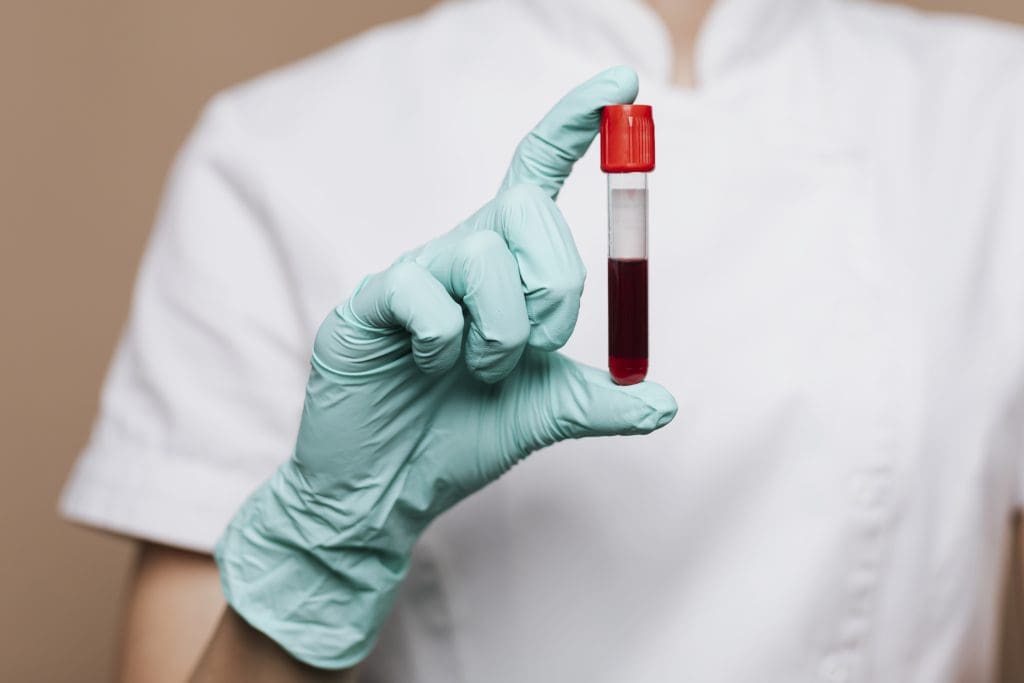
Key Takeaways
- Understanding the genetic basis of hemophilia is key for diagnosis.
- Many tests are used to find out if someone has hemophilia and how severe it is.
- Getting a diagnosis early is vital for managing the condition well.
- Family history is important in figuring out the risk of hemophilia.
- Tests for hemophilia include blood tests and genetic analysis.
Understanding Hemophilia: A Brief Overview
Hemophilia makes it hard for blood to clot, leading to long-lasting bleeding. It’s usually passed down through genes and affects clotting factors. Knowing about hemophilia helps in early detection and better management.
What is Hemophilia?
Hemophilia is a genetic disorder that stops the body from making blood clots. This is needed to stop bleeding. It’s known for causing prolonged or spontaneous bleeding.
The severity of hemophilia depends on the clotting factor levels in the blood. People with hemophilia might bleed into joints, muscles, or other tissues. This can cause serious problems if not treated quickly.
Types of Hemophilia: A, B, and C
There are three main types of hemophilia: A, B, and C. Hemophilia A is caused by a lack of factor VIII. Hemophilia B is due to a deficiency in factor IX. Hemophilia C is rarer and involves a lack of factor XI.
Hemophilia A and B are the most common types. They are clinically similar but caused by different genetic mutations. Hemophilia A is more common, making up about 80% of cases.
The symptoms of hemophilia A and B include frequent bruising and joint pain. This is due to bleeding into the joints. They also have prolonged bleeding after injuries or surgery. Knowing the difference between hemophilia A and B is key for accurate diagnosis and treatment.
Prevalence and Demographics
Hemophilia mainly affects males, as it’s an X-linked recessive disorder. Females can carry the mutated gene but usually don’t show symptoms. They can pass the condition to their sons.
The prevalence of hemophilia is about 1 in 5,000 male births for Hemophilia A. It’s 1 in 20,000 for Hemophilia B. The condition is found worldwide, with varying severity and frequency.
Early detection and diagnosis of hemophilia are vital for effective management. Advances in genetic testing and clotting factor assays have improved diagnosis. This allows for timely interventions to prevent complications.
The Genetic Basis of Hemophilia
Hemophilia is caused by mutations in genes that control blood clotting. It follows an X-linked recessive pattern, which means the genes are on the X chromosome.
X-Linked Inheritance Pattern
Because males have only one X chromosome, they are more likely to have hemophilia. Females can carry the mutated gene and pass it to their children.
Here’s a table to help understand how hemophilia is passed down:
| Parent | Genotype | Probability of Passing the Mutated Gene |
| Mother (Carrier) | XcX | 50% chance to sons (affected), 50% chance to daughters (carriers) |
| Father (Affected) | XcY | All daughters will be carriers, sons will not be affected |
Common Genetic Mutations
Hemophilia A and B come from mutations in the F8 and F9 genes. These genes code for clotting factors VIII and IX. The mutations can be deletions, insertions, or point mutations, causing the clotting factors to not work right.
Carrier Status and Inheritance Risk
Female carriers have a 50% chance of passing the mutated gene to each son, who will be affected, and to each daughter, who will likely become a carrier. Knowing if someone is a carrier is key for family planning and genetic counseling.
Genetic screening can find carriers and affected individuals. It uses DNA analysis to spot specific mutations linked to hemophilia. This helps in managing the condition early on.
Signs and Symptoms That Warrant Hemophilia Testing
It’s important to know the signs of hemophilia early. This genetic disorder makes it hard for the body to clot blood. It affects people of all ages and in different ways.
Early Warning Signs in Infants
Babies with hemophilia might bleed or bruise more than usual. Look out for:
- Excessive bleeding after circumcision or heel prick tests
- Large or deep bruises
- Bleeding into joints or muscles
These signs could mean a bleeding disorder. They need more checking.
Common Symptoms in Children and Adults
Kids and adults with hemophilia might have:
- Frequent nosebleeds
- Bleeding into joints, causing pain and stiffness
- Prolonged bleeding after injuries or surgeries
How often and how bad these symptoms are depends on the clotting factor level.
Differentiating Hemophilia A vs B Symptoms
Hemophilia A and B have similar symptoms because of different clotting factor issues. But, the severity and some signs can be different.
| Symptom | Hemophilia A | Hemophilia B |
| Bleeding into joints | Common | Common |
| Muscle bleeding | Frequent | Less frequent |
| Severity | More severe forms are more common | Milder forms are more common |
Knowing these differences helps in getting the right diagnosis and treatment.
When Should You Get Tested for Hemophilia?
Deciding to get tested for hemophilia depends on family history and symptoms. If you have a family history of hemophilia, you might want to get tested. This is because hemophilia is passed down through genes.
Family History Considerations
A family history of hemophilia is key. Hemophilia is an X-linked genetic disorder. This means it’s passed through the X chromosome. Females can carry the gene, while males are more likely to have it.
If you have a male relative with hemophilia, you should think about getting tested. This is important for your health.
Symptom-Based Testing Recommendations
Signs like frequent bruising or long bleeding after injuries might mean you need a test. Infants with unusual bruising or bleeding after circumcision should also be tested. For kids and adults, joint pain or swelling could be a sign.
Routine Screening vs. Diagnostic Testing
It’s important to know the difference between routine screening and diagnostic testing for hemophilia. Routine screening isn’t usually needed for everyone. But, if you have a family history or symptoms, you should get tested.
Diagnostic tests are more detailed. They help confirm if you have hemophilia and how severe it is. This is important for managing the condition.
The Hemophilia Test Process: What to Expect
Diagnosing hemophilia involves several tests. These tests check for the condition and its severity. Blood tests are key, measuring clotting factors in the blood.
Preparing for Testing
Before the tests, tell your doctor about any medicines you take. Some can change clotting factor levels or test results. Also, share your medical history, including any bleeding disorders in your family.
Sample Collection Procedures
Blood samples are taken from a vein in your arm. This is called venipuncture. The blood is then analyzed in a lab. Sometimes, special handling is needed for certain tests.
Timeline for Results
How long it takes to get test results varies. It depends on the test and the lab. Usually, results are ready in a few days to a week. For urgent cases, some tests can give quick results.
| Test Type | Typical Turnaround Time | Factors Assessed |
| Clotting Factor Assays | 3-7 days | Factor VIII and IX levels |
| aPTT Test | 1-3 days | Clotting time |
| Genetic Testing | 7-14 days | Specific genetic mutations |
Knowing about the hemophilia test process can make you feel less anxious. It helps you prepare for your diagnosis and treatment plan.
Initial Screening Tests for Hemophilia
Hemophilia screening includes tests like CBC, aPTT, and PT/INR. These tests check how well blood clots. They help find people with hemophilia and tell it apart from other bleeding issues.
Complete Blood Count (CBC)
A Complete Blood Count (CBC) is often the first test for hemophilia. It doesn’t directly find hemophilia but shows blood health. It looks at platelets and hemoglobin levels. If it shows something off, more tests might follow.
Activated Partial Thromboplastin Time (aPTT)
The Activated Partial Thromboplastin Time (aPTT) test checks how fast blood clots. It’s key for finding clotting factor VIII and IX issues. These are linked to hemophilia A and B. An elevated aPTT might mean a clotting problem, hinting at hemophilia.
Prothrombin Time (PT) and INR
Prothrombin Time (PT) and International Normalized Ratio (INR) test the blood’s clotting pathway. They’re mainly for checking anticoagulant therapy. But, they also help rule out other bleeding causes. In hemophilia, PT and INR are usually normal, helping to rule out other clotting issues.
These tests are key in diagnosing hemophilia. By looking at CBC, aPTT, and PT/INR results, doctors can decide if more tests are needed. This helps confirm if someone has hemophilia.
Definitive Diagnostic Tests for Hemophilia
Accurate tests are key to diagnosing hemophilia and figuring out how severe it is. These tests help understand the clotting disorder and guide treatment.
Factor Assays: Measuring Clotting Factor Levels
Factor assays are blood tests that check clotting factor levels. For hemophilia A, they look at factor VIII. For hemophilia B, they check factor IX. The results show how much activity is normal.
Interpreting Factor Assay Results:
| Factor Level (%) | Severity Classification | Clinical Implications |
| 50-150 | Normal | No bleeding disorder |
| 5-50 | Mild | Bleeding after trauma or surgery |
| 1-5 | Moderate | Occasional spontaneous bleeding |
| <1 | Severe | Frequent spontaneous bleeding |
Bethesda Assay for Inhibitor Detection
The Bethesda assay is a test for inhibitors against factor VIII or IX. Inhibitors are antibodies that make treatment hard.
Understanding Inhibitor Titers:
- Low titer: <5 Bethesda Units (BU)
- High titer: >5 BU
Thrombin Generation Test
The thrombin generation test (TGT) looks at a patient’s blood’s clotting ability. It measures thrombin production over time, giving insights into coagulation.
Clinical Utility of TGT: The thrombin generation test helps check treatment success and spot bleeding or clotting risks.
Genetic Testing for Hemophilia
Genetic testing has changed how we diagnose hemophilia. It gives us clear insights into the genetic causes of this bleeding disorder. By looking at an individual’s DNA, we can find specific mutations linked to hemophilia A and B. This leads to a sure diagnosis.
DNA Analysis Techniques
There are several DNA analysis methods used in genetic testing for hemophilia:
- Polymerase Chain Reaction (PCR): This method amplifies specific DNA sequences to spot mutations.
- Sanger Sequencing: It determines the order of DNA’s four chemical bases.
- Next-Generation Sequencing (NGS): This technology analyzes many genes at once.
Identifying Specific Mutations
Genetic testing can find the exact mutations causing hemophilia. This is key for:
- Confirming a diagnosis of hemophilia A or B
- Finding carriers in families
- Knowing the risk of passing the condition to future generations
Benefits and Limitations of Genetic Testing
Genetic testing has many advantages:
- Early and accurate diagnosis: It helps start treatment early.
- Family planning: It helps people decide about having children.
- Personalized treatment plans: Therapy can be tailored to the specific mutation.
But, there are also downsides:
- Cost and accessibility: Testing can be pricey and not available everywhere.
- Interpretation of results: It needs experts to understand the genetic findings.
- Emotional impact: Getting a diagnosis or learning about passing on a condition can be tough.
Prenatal Testing and Diagnosis of Hemophilia
For families at risk, prenatal testing can tell if their unborn child has hemophilia. It’s a key step for expectant parents with a family history of the disorder. Thanks to medical progress, we can now diagnose hemophilia in the fetus. This gives parents and healthcare providers important information.
Chorionic Villus Sampling (CVS)
Chorionic Villus Sampling (CVS) is a prenatal test. It takes a small sample of cells from the placenta, usually between 10 and 12 weeks. These cells are checked for genetic mutations linked to hemophilia. CVS offers early insight into whether the fetus has inherited the condition.
Amniocentesis
Amniocentesis is another test. It involves taking a sample of amniotic fluid around the fetus, usually between 15 and 20 weeks. The fluid contains cells that can be tested for genetic disorders, including hemophilia. Though it has a slightly higher risk, amniocentesis is a valuable tool.
Non-Invasive Prenatal Testing Options
Non-invasive prenatal testing (NIPT) is a new area in prenatal diagnosis. It looks at cell-free DNA in the mother’s blood. While mainly for chromosomal abnormalities, research aims to include genetic disorders like hemophilia. For more on hemophilia treatment and research, visitManaged Healthcare Executive.
Prenatal testing for hemophilia is vital for families and healthcare providers. Knowing about the testing options and their meanings is key for making informed pregnancy decisions.
Newborn Screening for Hemophilia
Newborn screening is key in finding and managing hemophilia early. It tests newborns for hemophilia right after birth. This helps start treatment early.
Current Screening Protocols
Newborn screening for hemophilia changes by area but usually includes a blood test. This test checks for clotting factors linked to hemophilia. Early detection through screening greatly helps those with hemophilia by starting treatment early.
The test takes a small blood sample from the newborn’s heel. New technology has made these tests more accurate and quick. Now, it’s easier to spot hemophilia A and B in newborns.
Umbilical Cord Blood Testing
Umbilical cord blood testing is another way to find hemophilia in newborns. It looks at the blood from the umbilical cord for clotting factor levels. This method is less invasive than traditional blood tests.
| Testing Method | Description | Benefits |
| Heel-prick Blood Test | Involves collecting a blood sample from the newborn’s heel | Established method, widely available |
| Umbilical Cord Blood Testing | Analyzes blood from the umbilical cord for clotting factor levels | Less invasive, provides early diagnosis |
Follow-up Testing for Positive Screens
For newborns who test positive for hemophilia, more tests are needed. These tests check clotting factor levels and may include genetic testing. This helps figure out how severe the condition is.
These tests are key for making a treatment plan that fits the individual. They also help parents learn how to manage their child’s condition.
Newborn screening is vital in early detection of hemophilia. It plays a big role in improving outcomes for those affected. As screening methods get better, so will early treatment and management of hemophilia.
Carrier Testing for Women
Knowing if a woman is a carrier of the hemophilia gene is key for family planning. Carrier testing can tell if a woman might pass on the gene to her kids. This info is vital for making choices about having children.
Factor Level Analysis in Potencial Carriers
Factor level analysis is a big part of carrier testing. It checks the blood for clotting factors VIII and IX. If these are low, it means she might be a carrier.
Table: Clotting Factor Levels in Carriers vs. Non-Carriers
| Category | Factor VIII/IX Levels | Implications |
| Carriers | Reduced levels | Increased risk of passing hemophilia to offspring |
| Non-Carriers | Normal levels | No increased risk |
Genetic Testing for Carrier Status
Genetic testing is also important for finding out if a woman is a carrier. It looks at the genes for hemophilia to find mutations. This helps in planning families and knowing future risks.
Genetic testing can provide definitive answers about carrier status, helping women make informed decisions.
Importance of Family Pedigree Analysis
Family pedigree analysis is also useful. It looks at the family history of hemophilia. This helps doctors guess if a woman might be a carrier. Together with genetic and factor tests, it gives a full picture of risks.
By using all these methods, women can understand their carrier status better. This helps them plan their families well. It’s a key part of managing hemophilia.
Interpreting Hemophilia Test Results
Understanding hemophilia test results is key. It involves knowing about clotting factor levels and their impact on care. When results come in, it’s vital to grasp their meaning for diagnosis and treatment.
Understanding Factor Level Percentages
Factor level percentages are vital in hemophilia test results. They show the amount of clotting factors VIII or IX in the blood. This is important for figuring out how severe hemophilia A or B is. Normal levels are between 50% and 150%.
People with hemophilia have lower levels, which can vary a lot.
Factor Level Categories:
- Normal: 50% to 150%
- Mild: 5% to 40%
- Moderate: 1% to 5%
- Severe: Less than 1%
Severity Classification Based on Test Results
The severity of hemophilia depends on clotting factor levels. Test results help sort it into mild, moderate, or severe. This guides treatment and care plans.
| Severity | Factor Level (%) | Clinical Implications |
| Mild | 5% to 40% | Occasional bleeding, usually after trauma or surgery |
| Moderate | 1% to 5% | Spontaneous bleeding sometimes, more often than mild |
| Severe | Less than 1% | Spontaneous bleeding often, can be life-threatening without proper care |
False Positives and Negatives
Hemophilia tests are not perfect. False positives and negatives can happen, but they’re rare. Knowing about these errors is important for correct diagnosis and treatment.
False Positives: These are when tests show hemophilia or being a carrier when it’s not. This can cause unnecessary worry and more tests.
False Negatives: On the other hand, false negatives are when tests miss hemophilia or being a carrier. This can delay getting the right treatment.
The Role of Specialists in Hemophilia Diagnosis
Specialists are key in diagnosing and managing hemophilia. They use a detailed approach that involves many medical experts. This is because diagnosing hemophilia is complex.
Hematologists are doctors who focus on blood disorders. They are vital in interpreting tests and creating treatment plans. This is tailored to each patient’s needs.
Hematologists
Hematologists lead in diagnosing and treating hemophilia. They run and understand tests like clotting factor assays. Their knowledge helps ensure patients get the right care.
Genetic Counselors
Genetic counselors are important in diagnosing hemophilia. They do genetic tests and counseling for families. They help find carriers and guide families on genetic risks.
Hemophilia Treatment Centers (HTCs)
Hemophilia Treatment Centers (HTCs) focus on hemophilia care. They have a team of specialists like hematologists and genetic counselors. This team works together to improve patient care and life quality.
Together, these specialists give patients the best care. They help from the start of diagnosis to ongoing treatment and management.
Advanced Diagnostic Procedures for Complex Cases
Diagnosing complex hemophilia cases gets a big boost from advanced diagnostic procedures. These methods give a clearer picture of the condition. This helps doctors create better treatment plans.
Dealing with complex hemophilia needs a detailed approach. Advanced diagnostic techniques are key in figuring out the condition’s specifics in these cases.
Thromboelastography (TEG)
Thromboelastography (TEG) is a point-of-care viscoelastic test. It gives instant info on how blood clots. It shows how strong and stable the clot is.
TEG is great for checking a patient’s clotting ability. It helps doctors make better treatment choices.
Rotational Thromboelastometry (ROTEM)
Rotational Thromboelastometry (ROTEM) is another viscoelastic assay. It looks at how blood clots. Like TEG, it gives insights into clot formation and breakdown.
ROTEM is useful for tracking treatment success. It also spots any complications in hemophilia patients.
Next-Generation Sequencing
Next-generation sequencing (NGS) is a big leap in genetic testing. It checks many genes at once. This gives a full genetic picture.
NGS is great for finding genetic changes in hemophilia. It helps in precise diagnosis and finding carriers.
In summary, tests like TEG, ROTEM, and NGS are vital for complex hemophilia cases. They give doctors the info they need for targeted treatments.
Living with a Hemophilia Diagnosis
Getting a hemophilia diagnosis means you need ongoing care to avoid problems and improve your life. You’ll need to manage your condition with medical treatment, lifestyle changes, and regular check-ups.
Treatment Options Overview
Hemophilia treatment mainly involves replacing the missing clotting factor to stop or control bleeding. You can do this through:
- Clotting Factor Replacement Therapy: This is the main treatment for hemophilia. It involves giving a clotting factor that concentrates into your bloodstream.
- Desmopressin: For mild hemophilia A, desmopressin can help by releasing factor VIII into your bloodstream.
- Gene Therapy: New gene therapies aim to introduce a working gene to make the missing clotting factor. This could mean fewer infusions.
Lifestyle Adjustments
Living with hemophilia means making lifestyle changes to lower the risk of bleeding and injury. These include:
- Regular Exercise: Doing low-impact activities like swimming or cycling helps keep your joints healthy without risking injury.
- Diet and Nutrition: Eating a balanced diet full of essential nutrients is key for your overall health.
- Avoiding Certain Medications: People with hemophilia should stay away from medications that can affect blood clotting, like aspirin and NSAIDs.
Monitoring and Follow-up Testing
Regular monitoring and follow-up tests are vital for managing hemophilia well. This includes:
| Test | Frequency | Purpose |
| Factor Level Assays | Regularly, as advised by healthcare provider | To check the clotting factor level in your blood |
| Bleeding Episode Assessment | After each bleeding episode | To find out the cause and right treatment |
| Inhibitor Screening | At least annually | To see if you have inhibitors against clotting factors |
By knowing your treatment options, making lifestyle changes, and sticking to a regular monitoring and testing schedule, people with hemophilia can live active and meaningful lives.
Conclusion: The Future of Hemophilia Testing
Genetic testing and new diagnostic technologies are changing how we diagnose hemophilia. The future is bright, with new ways to find specific genetic problems. This will lead to more accurate tests.
New research is helping us understand hemophilia better. This means we can use better tests and treatments. Next-generation sequencing and other advanced tests are key in diagnosing hemophilia.
The future will mix old and new ways to test for hemophilia. This mix will help doctors diagnose and treat better. It will make life better for those with hemophilia.
As we keep improving diagnosis, patients will get better, faster care. This will lead to better health and treatment results.
FAQ
What is hemophilia, and how is it diagnosed?
Hemophilia is a genetic disorder that makes it hard for the body to form blood clots. This is important for stopping bleeding. Doctors use physical checks, medical history, and lab tests to diagnose it. These tests include clotting factor assays and genetic testing.
What are the different types of hemophilia?
There are mainly three types of hemophilia. Hemophilia A is when there’s a lack of factor VIII. Hemophilia B is when there’s a lack of factor IX. Hemophilia C is caused by a lack of factor XI.
How is hemophilia A different from hemophilia B?
Hemophilia A and B differ in the clotting factor they lack. Hemophilia A is due to a factor VIII deficiency. Hemophilia B is due to a factor IX deficiency. Both lead to bleeding issues, but the type depends on the missing factor.
What are the signs and symptoms that warrant hemophilia testing?
Signs that might need hemophilia testing include bleeding that won’t stop after an injury. Also, bleeding in joints or muscles without injury, and frequent nosebleeds. Babies might bleed a lot after circumcision or from the umbilical cord.
When should you get tested for hemophilia?
You should get tested for hemophilia if you have a family history of it. Or if you experience bleeding that won’t stop or happens on its own. Pregnant women with a family history of hemophilia should also get tested.
What is involved in the hemophilia test process?
The test process starts with a blood test to check clotting factor levels. First, tests like CBC, aPTT, and PT/INR are done. Then, more specific tests like factor assays confirm the diagnosis.
What is the role of genetic testing in diagnosing hemophilia?
Genetic testing finds the genetic mutation causing hemophilia. It helps confirm the diagnosis, find carriers, and helps with family planning.
Can hemophilia be detected prenatally?
Yes, tests like CVS or amniocentesis can detect hemophilia before birth. They find the genetic mutation in the fetus.
How are hemophilia test results interpreted?
Test results show the clotting factor activity level. Low levels mean hemophilia. The severity is based on how much factor activity is left.
What is the importance of monitoring and follow-up testing for hemophilia?
Regular monitoring and follow-up tests are key. They help manage hemophilia, adjust treatments, and catch any problems early.
How does a diagnosis of hemophilia affect treatment and lifestyle?
Getting diagnosed with hemophilia means regular treatment, like factor replacement therapy. You also need to make lifestyle changes to manage bleeding risks and keep a good quality of life.
What is the role of specialists in hemophilia diagnosis and management?
Specialists, like hematologists and genetic counselors, are vital. They provide care, help with treatment decisions, and manage hemophilia.
What advancements are being made in hemophilia testing and diagnosis?
New genetic testing and diagnostic technologies are improving diagnosis. This could lead to better management and outcomes for those with hemophilia.