
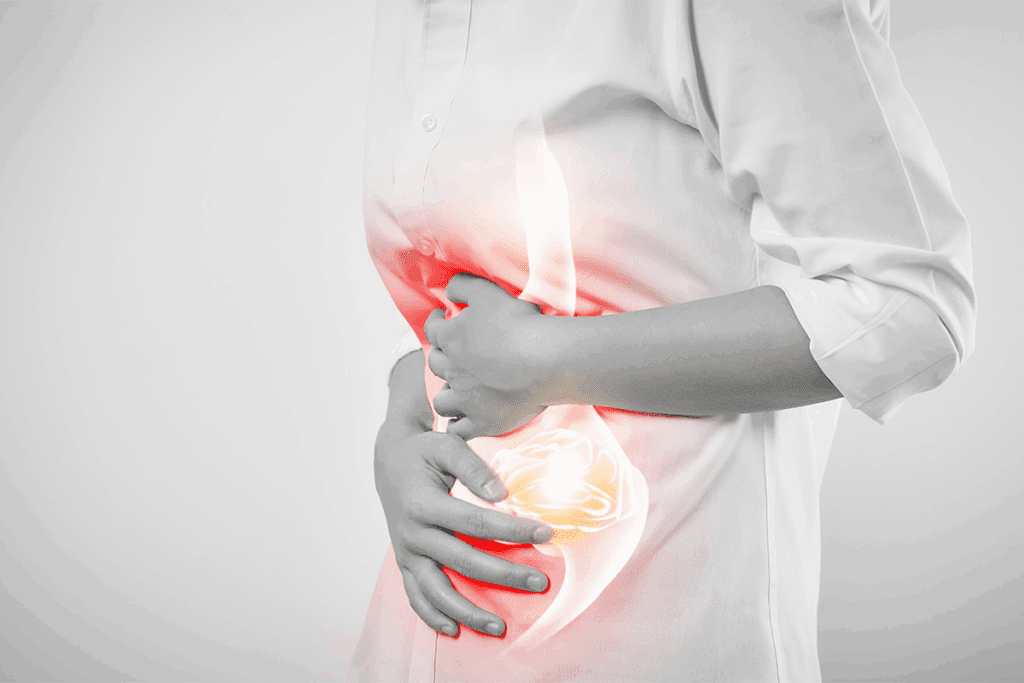
Inguinal hernias are a common issue that affects millions globally. A significant number of individuals with inguinal hernias experience changes in their digestive health, including alterations in bowel movements.hernia bowelCan a Hernia Change Bowel Movements? Explained
We will explore the complex relationship between inguinal hernias and bowel movements. We will look at how the condition can impact digestive health.
Understanding the connection between inguinal hernias and bowel movements is key. It’s important for effective management and treatment.
Key Takeaways
- Inguinal hernias can potentially disrupt normal bowel movements.
- The relationship between inguinal hernias and digestive health is complex.
- Understanding the symptoms of inguinal hernias is essential for diagnosis.
- Effective management of inguinal hernias can help alleviate digestive problems.
- Seeking medical attention is critical for individuals experiencing symptoms.
Understanding Inguinal Hernias
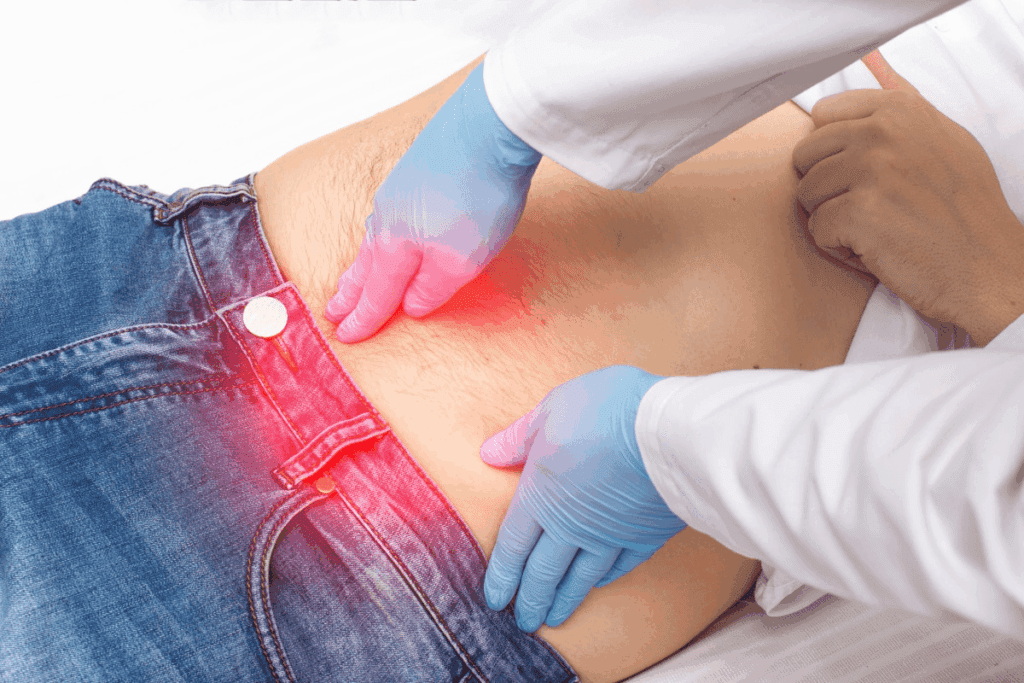
To understand how inguinal hernias affect bowel movements, we must first know what they are. An inguinal hernia happens when tissue, like part of the intestine, bulges through a weak spot in the abdominal muscles. This condition is quite common and can affect people of all ages.
Definition and Anatomy
An inguinal hernia is when contents from the abdominal cavity bulge through the inguinal canal. The inguinal canal is a passageway in the groin area. It usually lets the spermatic cord in males and the round ligament in females pass through. But, if there’s a weakness or opening, it can cause a hernia.
The anatomy of the inguinal canal is quite complex. It involves layers of muscle and fascia. Knowing this anatomy helps us understand how hernias happen and how to treat them.
Types of Inguinal Hernias
There are two main types of inguinal hernias: indirect and direct. Indirect inguinal hernias happen when tissue pushes through the internal inguinal ring. This type is more common and often present at birth.
Direct inguinal hernias occur when tissue pushes through the abdominal wall in the inguinal canal area but not through the internal inguinal ring. This type is usually acquired, often due to muscle weakness that develops over time.
Risk Factors and Causes
Several factors can increase the risk of getting an inguinal hernia. These include genetic predisposition, age, gender, and lifestyle factors. Men are more likely to get inguinal hernias because of how the male reproductive system develops. Activities that involve heavy lifting, straining, or sudden movements can also increase the risk.
Other risk factors include chronic coughing, obesity, and conditions that cause increased pressure in the abdominal cavity. Knowing these risk factors is key for prevention and early detection.
The Connection Between Hernias and Bowel Function
Hernias and bowel function are closely linked, with many factors affecting digestive health. Inguinal hernias, in particular, can greatly impact the bowel’s normal function.
Normal Bowel Function
Good bowel function is key to health, involving waste moving smoothly through the digestive tract. This includes eating, digestion, nutrient absorption, and waste elimination. A healthy bowel moves waste regularly without pain.
Many things can change bowel function. Diet and exercise are big factors. For example, a low-fiber diet can cause constipation, while a high-fiber diet helps regular bowel movements. Exercise can also help, while a sedentary lifestyle can slow down bowel function.
How Inguinal Hernias Interact with the Digestive Tract
Inguinal hernias can affect the digestive tract in several ways, disrupting normal bowel function. An inguinal hernia allows intestine to bulge through a weak spot in the abdominal wall. This can block or compress the intestine, slowing waste movement.
An inguinal hernia can also put pressure on nearby tissues and nerves, causing pain or discomfort during bowel movements. In severe cases, the hernia can become incarcerated or strangulated, which are serious and need immediate medical care.
It’s important to understand how inguinal hernias affect the digestive tract. This knowledge helps manage bowel symptoms and prevent serious complications. We’ll explore common symptoms and complications of inguinal hernias next.
Common Bowel-Related Symptoms of Inguinal Hernias
Inguinal hernias can significantly impact bowel movements and overall digestive health. People with inguinal hernias often face bowel-related symptoms. These symptoms can really affect their quality of life.
Constipation and Difficult Bowel Movements
Constipation is a big problem for those with inguinal hernias. The hernia can press on the intestines, causing bowel obstruction or slowing down bowel movements. This makes it hard to pass stools.
To help with constipation, eating a high-fiber diet and drinking plenty of water is key. Sometimes, medical help is needed for severe constipation.
Abdominal Pain and Discomfort
Abdominal pain and discomfort are common in people with inguinal hernias. The pain can be mild or severe and can get worse if not treated.
Table: Common Symptoms and Their Impact
| Symptom | Description | Impact on Quality of Life |
| Constipation | Difficult or infrequent bowel movements | Discomfort, bloating, and possible bowel obstruction |
| Abdominal Pain | Pain or discomfort in the abdominal area | Affects daily activities and overall well-being |
| Changes in Bowel Habits | Alterations in the frequency or consistency of bowel movements | Can cause anxiety and affect nutritional intake |
Changes in Bowel Habits
People with inguinal hernias may notice changes in their bowel habits. This can include changes in how often or how solid their bowel movements are. It can lead to diarrhea or constipation.
It’s important to watch for these changes and see a doctor if they don’t get better or get worse.
We’ll talk more about why medical care is important for these symptoms next.
The Hernia Bowel Relationship: Mechanisms of Interference
It’s important to know how inguinal hernias can mess with bowel function. This knowledge helps us understand the possible problems they can cause. We’ll look at how inguinal hernias can affect bowel movements.
Mechanical Obstruction
Inguinal hernias can block bowel movements by trapping part of the intestine. This can cause severe pain, nausea, and constipation. It’s a serious issue that needs attention.
Mechanical obstruction happens when the intestine gets compressed or kinked. This blocks the flow of intestinal contents. If not treated, it can lead to more serious problems like bowel ischemia.
Pressure and Compression Effects
Inguinal hernias can also put pressure on nerves and blood vessels. This pressure can cause pain and discomfort, affecting bowel habits. It can also reduce blood flow, leading to complications like bowel ischemia.
The pressure from the hernia can also cause inflammation and irritation. This makes bowel function even harder.
Nerve Involvement
Nerve involvement is another way inguinal hernias can affect bowel function. The nerves around the hernia can get compressed or irritated. This can lead to changes in bowel habits and discomfort.
Nerve compression can cause a variety of symptoms. These include pain, numbness, and changes in bowel movements. It’s key to understand nerve involvement to manage hernia-related bowel issues well.
| Mechanism | Description | Potential Complications |
| Mechanical Obstruction | Trapping of intestine, impeding normal flow | Bowel obstruction, ischemia |
| Pressure and Compression Effects | Pressure on surrounding tissues and nerves | Pain, bowel dysfunction, ischemia |
| Nerve Involvement | Compression or irritation of surrounding nerves | Pain, numbness, altered bowel habits |
Incarcerated Hernias and Bowel Function
An incarcerated hernia can really mess with your digestion, like making it hard to go to the bathroom. This happens when the hernia stuff gets stuck and can’t go back inside. It can cause a big blockage in your bowel and lead to serious problems.
What Is an Incarcerated Hernia?
An incarcerated hernia is when the hernia gets stuck and can’t move back into your belly. It happens when the hernia sac gets too tight, cutting off blood to the intestine. Incarcerated hernias are a medical emergency that needs quick help.
Signs of Incarceration
It’s important to know the signs of incarceration to get help fast. Look out for:
- Severe abdominal pain
- Nausea and vomiting
- Abdominal tenderness and swelling
- Constipation or trouble passing stools
- Fever
These signs mean the hernia might be stuck and affecting your bowel.
Immediate Actions Needed
If you think you have an incarcerated hernia, get medical help right away. Waiting too long can cause serious issues, like bowel ischemia and necrosis. Surgery is usually needed to fix the blockage and get blood flowing again.
Dealing with a possible emergency can be scary. Our team is here to help and support you through this.
Strangulated Hernias: A Medical Emergency
A strangulated hernia is a serious condition where the blood supply to the herniated tissue is cut off. It needs immediate medical attention to avoid severe complications.
The Process of Strangulation
Strangulation starts when a hernia gets stuck and can’t go back into the abdomen. If not treated, the blood vessels get compressed. This cuts off the blood supply, causing ischemia.
Key factors that contribute to strangulation include:
- Delayed treatment of an incarcerated hernia
- Tightening of the hernial orifice around the herniated content
- Increased intra-abdominal pressure
Bowel Ischemia and Necrosis
When the blood supply is cut off, the bowel tissue can become ischemic. This leads to cell death or necrosis. Bowel ischemia and necrosis are serious complications that can result in perforation of the bowel, peritonitis, and sepsis.
| Complication | Description | Consequence |
| Bowel Ischemia | Lack of blood flow to the bowel tissue | Tissue damage, cell death |
| Necrosis | Death of bowel tissue due to lack of blood supply | Perforation, peritonitis, sepsis |
Emergency Symptoms Requiring Immediate Care
It’s important to recognize the symptoms of a strangulated hernia for prompt medical intervention. Emergency symptoms include:
- Severe abdominal pain
- Nausea and vomiting
- Fever
- Tenderness and redness around the hernia site
- Inability to pass gas or have a bowel movement
If you or someone else is experiencing these symptoms, seek immediate medical attention. A strangulated hernia is a medical emergency that requires prompt surgical intervention to restore blood flow and prevent further complications.
Diagnosing Hernia-Related Bowel Issues
Healthcare providers use a mix of clinical checks and tests to find hernia-related bowel problems. Getting the right diagnosis is key for good treatment and avoiding serious issues.
Physical Examination
A detailed physical check is the first step in finding hernia-related bowel issues. The doctor will look for signs of a hernia, like a bulge or swelling in the groin. They also check for tenderness or pain when they press on the area. A good physical check helps find out if there’s a hernia and how bad it is.
Imaging Studies
Imaging tests are very important in confirming the diagnosis and seeing how bad the hernia is. Common tests include:
- Ultrasound: Good for spotting hernias and checking if the bowel is working right.
- Computed Tomography (CT) scan: Gives clear pictures of the hernia and the tissues around it.
- Magnetic Resonance Imaging (MRI): Helps see how the hernia affects nearby structures.
These tests let doctors see the hernia and plan the best treatment.
Differential Diagnosis
Differential diagnosis is a key part of finding the right diagnosis. Doctors rule out other conditions that might look like a hernia. This includes things like appendicitis, diverticulitis, or other problems in the belly. A careful differential diagnosis makes sure patients get the right diagnosis and treatment.
By using physical checks, imaging tests, and differential diagnosis, doctors can accurately find hernia-related bowel issues. They can then create a good treatment plan.
Treatment Options for Inguinal Hernias
There are several ways to treat inguinal hernias. The right choice depends on how bad the symptoms are, the size of the hernia, and the patient’s health.
Watchful Waiting Approach
For those with mild or no symptoms, watchful waiting might be suggested. This means keeping an eye on the hernia for any signs of trouble. It’s important to watch for pain or problems with bowel movements.
- Regular check-ups with a healthcare provider
- Avoiding heavy lifting or strenuous activities
- Monitoring for changes in hernia size or symptoms
Surgical Repair Methods
Many people choose surgical repair for their hernias. There are two main types: open repair and laparoscopic repair. The choice depends on the patient’s health and the surgeon’s skill.
- Open Repair: This method involves an incision in the groin to fix the hernia.
- Laparoscopic Repair: It’s a less invasive option using small cuts and a camera.
Recovery and Return to Normal Bowel Function
After surgery, recovery is key. Patients may need to change their diet and activities. It’s best to slowly get back to normal to avoid problems. Most people can get back to normal bowel function in a few weeks.
- Eating a high-fiber diet to prevent constipation
- Avoiding heavy lifting for several weeks
- Following post-operative instructions from your healthcare provider
Managing Bowel Symptoms Before Surgery
Before surgery for an inguinal hernia, managing bowel symptoms is key. It helps ease discomfort and avoids complications. This makes the surgery smoother.
Dietary Modifications
Changing your diet can greatly help with bowel symptoms. Increasing fiber from fruits, veggies, and whole grains helps with regular bowel movements. Drinking lots of water is also good.
It’s wise to avoid foods that can cause constipation or gas. Keeping a food diary can help figure out which foods are troublemakers.
| Food Type | Recommended | Avoid |
| Fruits | Apples, Berries | Dried Fruits (in excess) |
| Vegetables | Leafy Greens, Broccoli | Cabbage, Cauliflower |
| Grains | Whole Grains | Refined Grains |
Physical Activity Guidelines
Right physical activity can help with bowel symptoms and health. Light to moderate exercise, like walking or yoga, helps with digestion and bowel movements.
But, avoid heavy lifting or hard activities that might hurt the hernia. Talk to your doctor about a safe exercise plan.
“Regular physical activity can help prevent constipation and reduce the risk of complications associated with inguinal hernias.”
When to Seek Immediate Medical Attention
Knowing when to get medical help is important. Severe abdominal pain, vomiting, or fever mean serious issues like hernia strangulation.
- Severe or worsening abdominal pain
- Vomiting or inability to pass gas or stool
- Fever or chills
- Swelling or redness around the hernia
Long-term Effects of Untreated Inguinal Hernias on Digestive Health
Inguinal hernias can cause serious problems if not treated. They can lead to chronic constipation and bowel issues. These problems affect your quality of life.
Chronic Constipation and Bowel Dysfunction
Untreated inguinal hernias often cause constipation. The hernia puts pressure on the intestines. This makes it hard to move your bowels and can cause discomfort.
This pressure can also lead to bowel dysfunction. You might have irregular bowel movements and feel pain in your abdomen.
Quality of Life Impact
An untreated inguinal hernia can really lower your quality of life. You might feel pain, discomfort, and have trouble with bowel movements. It can also make you anxious and affect your mood.
It’s important to manage the symptoms of inguinal hernias. This can help improve your life and deal with bowel problems.
Potential Complications
Untreated hernias can lead to serious problems. Incarceration happens when the hernia gets trapped. Strangulation occurs when the blood supply is cut off. Both are emergencies that need quick medical help.
The table below shows the long-term effects and complications of untreated inguinal hernias on digestive health:
| Complication | Description | Impact on Digestive Health |
| Chronic Constipation | Slowed bowel movements due to hernia pressure | Bowel dysfunction and abdominal discomfort |
| Incarceration | Hernia becomes trapped | Severe abdominal pain and bowel obstruction |
| Strangulation | Blood supply to the hernia is cut off | Medical emergency; risk of bowel necrosis |
In conclusion, untreated inguinal hernias can have serious effects on your digestive health. They can cause constipation, bowel problems, and even life-threatening complications. It’s vital to get medical help to avoid these issues and improve your life.
Special Considerations for Different Patient Groups
Inguinal hernias affect many people, each with their own needs. When we diagnose and treat these hernias, we must think about each group’s special needs.
Pediatric Patients
In kids, inguinal hernias often come from being born with them. It’s hard to diagnose because they can’t tell us how they feel. Early diagnosis is critical to stop serious problems like incarceration or strangulation. We need to be careful and use gentle ways to check them.
Elderly Patients
Older people face different challenges because of other health issues and weaker tissues. Comprehensive geriatric assessment helps find the best treatment. This includes looking at their health, how well they move, and their thinking skills. Surgery for them needs careful planning to reduce risks.
Patients with Pre-existing Digestive Conditions
People with digestive problems, like chronic constipation or inflammatory bowel disease, need special care for inguinal hernias. Coordination between gastroenterologists and surgeons is key to treat both the hernia and the digestive issue. Changes in diet and other non-surgical steps may help symptoms and prevent problems.
Understanding the unique challenges of each patient group helps us give better care for inguinal hernias. This personalized approach not only improves health outcomes but also makes life better for our patients.
Prevention of Hernia-Related Bowel Complications
Hernia-related bowel problems can be lessened with lifestyle changes and early action. Knowing the risks and taking steps early can help avoid complications from inguinal hernias.
Lifestyle Modifications
Living a healthy lifestyle is key to avoiding hernia-related bowel issues. Keeping a healthy weight helps reduce pressure on the belly. Regular exercise improves bowel health, and a balanced diet with fiber prevents constipation.
- Eating a diet high in fiber to promote regular bowel movements
- Staying hydrated to prevent constipation
- Avoiding heavy lifting and bending to reduce strain on the abdominal wall
A healthcare expert notes, “A balanced diet and regular exercise can greatly lower hernia complication risks.”
“A well-balanced diet and regular exercise can significantly reduce the risk of hernia-related complications.”
Healthcare Professional
Early Intervention Strategies
Acting early is vital to stop hernia complications. Seeing a doctor at the first sign of symptoms, like a bulge or discomfort, is important.
Timely diagnosis and treatment can stop serious issues like incarceration or strangulation. These need quick medical help.
| Intervention Strategy | Benefits |
| Watchful waiting | Monitoring the hernia for any changes or complications |
| Surgical repair | Preventing incarceration and strangulation, relieving symptoms |
Post-Surgical Care
After hernia surgery, post-surgical care is essential for a smooth recovery. Following the surgeon’s advice on activity, wound care, and check-ups is important.
By following these steps, people can lower the chance of complications and get back to normal activities, including bowel function, quickly.
Conclusion
It’s important to understand how inguinal hernias affect bowel movements. This is key for those dealing with digestive issues. We’ve seen how hernias can cause constipation, pain, and changes in bowel habits.
Knowing the signs of hernia-related bowel problems is critical. This includes symptoms like incarceration and strangulation. Getting medical help quickly is essential to avoid serious damage.
Making lifestyle changes and seeking early treatment can help. It’s vital to talk to doctors if symptoms don’t go away or get worse. This ensures the best care for your health.
FAQ
What is an inguinal hernia and how does it affect bowel movements?
An inguinal hernia happens when part of the intestine bulges through a weak spot in the abdominal muscles. This can lead to symptoms like constipation, pain, and changes in bowel habits.
Can inguinal hernias cause bowel obstruction?
Yes, they can. If the hernia gets stuck or cut off, it can block the bowel. This causes severe pain, nausea, vomiting, and constipation.
What are the symptoms of an incarcerated inguinal hernia?
Symptoms include severe pain, tenderness, and swelling in the groin. You might also feel nauseous, vomit, and have trouble going to the bathroom.
How is a strangulated hernia diagnosed?
Doctors use a physical exam, medical history, and imaging like ultrasound or CT scans to diagnose it. If you have severe pain, fever, or vomiting, get help right away.
What are the treatment options for inguinal hernias?
Treatment options include watching it, making lifestyle changes, or surgery. The best choice depends on your symptoms, health, and risk of complications.
Can inguinal hernias be prevented?
While not all can be prevented, making healthy lifestyle choices can help. This includes keeping a healthy weight, avoiding heavy lifting, and managing coughing or constipation.
How do inguinal hernias affect bowel function in different patient groups?
They can affect bowel function differently in kids, the elderly, and those with digestive issues. These groups may need special care in diagnosis and treatment.
What are the possible long-term effects of untreated inguinal hernias on digestive health?
Untreated hernias can cause chronic constipation, bowel dysfunction, and lower quality of life. Complications include bowel obstruction, strangulation, and perforation.
How can bowel symptoms be managed before surgery?
Before surgery, manage symptoms with diet, exercise, and knowing when to seek medical help. Proper care can ease symptoms and prevent complications.
What is the recovery process like after inguinal hernia surgery?
Recovery involves rest, managing pain, and slowly getting back to normal. Most people can expect to have normal bowel function within a few weeks after surgery.
References
National Center for Biotechnology Information. Evidence-Based Medical Insight. Retrieved from https://pubmed.ncbi.nlm.nih.gov/23519867/



 Departments
 Related Videos
 Our Doctors
 News
News