
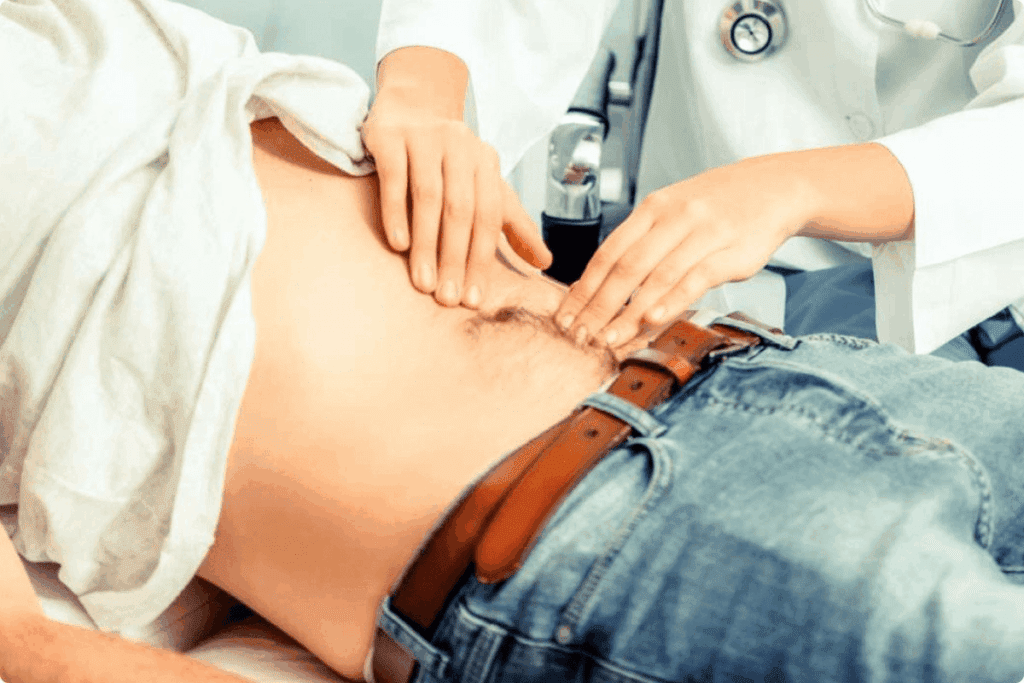
A strangulated hernia is a serious medical issue. It happens when blood flow to the tissue or intestine in the hernia stops. This can lead to tissue death if not treated quickly (Source: Medical organization). It’s a condition that affects thousands of people globally, making it key to know the signs of a hernia rupture. Know the hernia rupture warning signs. This critical guide reveals the shocking symptoms of a burst hernia that require immediate ER care.
Knowing the signs of a hernia problem can save lives. Look out for sudden severe pain, a swelling hernia lump that gets bigger, and other serious symptoms. At our international healthcare service, we are committed to delivering exceptional care. We offer personalized VIP service and full medical support.
Key Takeaways
- Recognizing the warning signs of a hernia rupture is key to avoid serious issues.
- Sudden severe hernia pain is a sign of a medical emergency.
- A swelling hernia lump that gets bigger may mean a strangulated hernia.
- Quick medical treatment is vital to stop tissue death.
- Our healthcare service provides personalized VIP care and full medical support.
Understanding Hernias and Their Types
A hernia happens when an organ or tissue bulges through a weak spot in the muscle. This can occur in different parts of the body. Each type of hernia has its own set of symptoms and treatment options.
We will look at the most common hernias. We’ll talk about their causes, symptoms, and how to treat them. Knowing about these differences helps patients make better choices for their health.
Inguinal Hernias
Inguinal hernias are very common. They happen when tissue bulges through a weak spot in the abdominal muscles. The Medical organization says men are more likely to get them because of their body structure.
Symptoms: You might see a bulge in the groin area. You could also feel pain or discomfort, which gets worse when you cough, lift, or bend over.
Femoral Hernias
Femoral hernias happen just below the inguinal ligament. They are more common in women and can be more serious.
Key Characteristics: Femoral hernias are usually smaller than inguinal ones. But they are more likely to cut off blood supply to the bulging tissue.
Umbilical Hernias
Umbilical hernias appear around the navel and are common in babies. In adults, they can be caused by strain or weakness in the abdominal wall.
Symptoms: You might see a bulge or swelling near the belly button. You could also feel pain or discomfort, which gets worse when you lift heavy or strain.
Hiatal Hernias
Hiatal hernias happen when the stomach bulges up into the chest. This can cause symptoms like heartburn and chest pain.
Types: There are two main types. Sliding hiatal hernias happen when the stomach and esophagus slide up into the chest. Paraesophageal hernias happen when part of the stomach pushes up beside the esophagus.
Common Symptoms of Hernias

It’s key to know the signs of hernias early for quick treatment. Hernias show up in different ways. Spotting these signs early can lead to faster medical help.
Visible Bulge
A visible bulge or lump is a common sign of a hernia. This bulge gets bigger when you cough, strain, or stand up. It might go away when you lie down. For example, groin area bulges are often from inguinal hernias.
Pain or Discomfort
Pain or discomfort is a common symptom of hernias. The pain can feel like a mild ache or sharp, severe pain. It often gets worse at the end of the day or after a lot of activity. Sometimes, the pain can be unbearable and sudden, which means it might be a serious issue.
Indigestion or Nausea
Some hernias, like hiatal hernias, can cause indigestion or nausea. This happens when the hernia messes with the stomach’s position or function. It’s important to remember that these symptoms can also be from other things. So, getting a doctor’s check-up is key.
The Medical organization says common hernia symptoms include a visible bulge, pain or discomfort, and indigestion or nausea. Knowing these signs can help you spot hernias early and get medical help.
- A visible bulge or lump in the affected area
- Pain or discomfort that worsens with activity
- Indigestion or nausea, mainly with hiatal hernias
We stress the need to recognize these symptoms for timely medical care. If you notice any of these signs, seeing a healthcare professional is vital. They can give you the right diagnosis and treatment plan.
Early Warning Signs of Hernia Complications
It’s important to know the early signs of hernia complications to avoid serious health problems. A complication can happen if the hernia cuts off blood supply. We’ll talk about the key signs to watch for, so you know when to get medical help fast.
Sudden Increase in Pain
A sharp increase in pain around the hernia is a warning sign. This pain can be very intense and doesn’t go away with rest or medicine. Keep an eye on your pain levels and get medical help if it gets worse suddenly.
Persistent Vomiting
Continuous vomiting is another sign of trouble. If you’re vomiting a lot, it might mean the hernia is blocking your intestine. You need to see a doctor right away to avoid dehydration and other problems.
Changes in Bowel Habits
Changes in how you go to the bathroom, like constipation or diarrhea, can also be a sign. A hernia can cause a blockage, leading to severe pain and vomiting. Talk to a healthcare provider if you notice any big changes in your bowel habits.
The Medical organization says a strangulated hernia can cause a lot of pain, nausea, vomiting, and changes in bowel habits. Knowing these symptoms and getting medical help quickly is key to avoiding serious issues.
When to Seek Medical Attention
It’s important to know when a hernia needs immediate medical help. Hernias can cause serious problems if not treated quickly. We’ll help you spot the signs that mean you should see a doctor right away.
Recognizing Severe Symptoms
Some symptoms mean you need to see a doctor fast. If you notice any of these, don’t wait:
- Sudden increase in pain or discomfort at the hernia site.
- Changes in the color of the hernia bulge, such as turning red, purple, or dark.
- Severe nausea or vomiting that lasts a long time.
- Constipation or inability to pass gas, which can be signs of bowel obstruction.
The Medical organization says if your hernia bulge turns red, purple, or dark, or if you have severe symptoms, get medical help fast. These signs might mean the hernia is strangulated, which needs emergency surgery.
Importance of Timely Diagnosis
Getting a diagnosis early is key to good treatment and avoiding problems. Seeing a doctor early lets them figure out what’s wrong and how to fix it. This can make a big difference in how well you recover and prevent serious issues.
It can be hard to know when to go to the doctor. But if you’re not sure or your symptoms get worse, it’s safer to talk to a healthcare professional.
Knowing the serious symptoms and the importance of quick diagnosis helps you take care of your health. We’re here to support you every step of the way during your treatment.
Risk Factors for Hernia Ruptures
Hernia rupture risk comes from many factors. These include age, gender, lifestyle, and genetics. Knowing these can help spot who’s at higher risk.
Age and Gender Considerations
Age is a big factor in hernia risk. As we get older, our muscles and tissues get weaker. This makes hernias more likely. Some hernias are more common in certain age groups.
For example, older adults often get inguinal hernias. Young kids and babies are more likely to have umbilical hernias.
Gender also matters. Men are more at risk for inguinal hernias because of their body structure. Women, on the other hand, are more likely to get femoral hernias, which are more common in older women or those who have been pregnant.
Lifestyle Factors
Lifestyle choices can greatly affect hernia risk. Being overweight, smoking, and eating poorly can weaken tissues and increase pressure. Activities like heavy lifting or bending also raise the risk.
- Obesity: Extra weight strains muscles and tissues.
- Smoking: It can cause chronic coughing, raising abdominal pressure.
- Poor Nutrition: A bad diet can harm tissue health.
Genetic Predispositions
Genetics also play a part in hernia risk. People with a family history of hernias are more likely to get one. Certain genetic conditions can also increase the risk.
Understanding these factors can help lower the risk of hernias or ruptures. It’s important to know these and talk to a doctor if you have concerns.
Diagnostic Methods for Hernias
Diagnosing hernias involves a detailed physical check and sometimes imaging tests. We’ll explain how to spot hernias, making the diagnosis process clear.
Physical Examination
A physical check is the first step in finding hernias. A healthcare expert will look for signs of a hernia, feel for tenderness, and ask you to cough or strain. This makes the hernia easier to see.
- Inspect the area for visible signs of a hernia, such as a bulge.
- Check for tenderness or pain in the affected area.
- Ask the patient to cough or strain to make the hernia more pronounced.
Imaging Tests
If the diagnosis is not clear after the physical check, imaging tests might be needed. These include ultrasound, CT scans, and MRI.
- Ultrasound: Uses high-frequency sound waves to create images of the internal structures.
- Computed Tomography (CT) scan: Provides detailed cross-sectional images of the body, helping to identify the hernia and any complications.
- Magnetic Resonance Imaging (MRI): Offers detailed images of the soft tissues, useful in diagnosing hernias and assessing their severity.
Imaging tests are key for confirming the diagnosis and planning treatment.
Treatment Options for Hernias
It’s important to know the treatment options for hernias. Different types and severities of hernias need different approaches. We’ll look at these options to help you make the best choice for your care.
Surgical Repair
Surgical repair is a common and effective way to treat hernias. There are two main techniques: open repair and laparoscopic repair. The choice depends on your health, the type of hernia, and the surgeon’s skill.
- Open Repair: This method involves making a big incision in the abdomen to fix the hernia.
- Laparoscopic Repair: It’s a minimally invasive method. It uses small incisions for a laparoscope and tools.
Non-surgical Management
Not every hernia needs surgery. For small, symptom-free hernias or those who can’t have surgery, non-surgical management is an option. This means watching the hernia and managing symptoms.
- Watchful Waiting: Regular check-ups with a healthcare provider to watch for changes in the hernia.
- Avoiding heavy lifting: This helps reduce strain on the hernia.
- Managing symptoms: Using medicines or other methods to ease discomfort or pain from the hernia.
Preventative Strategies for Hernias
Knowing how to prevent hernias is key to staying healthy. Simple lifestyle changes can greatly lower your risk. This is important for your overall health.
Healthy Weight Maintenance
Keeping a healthy weight is a top way to prevent hernias. Extra weight strains your muscles and tissues, raising your risk. A balanced diet and regular exercise help you stay at a healthy weight.
Tips for Healthy Weight Maintenance:
- Eat a balanced diet rich in fruits, vegetables, and whole grains.
- Engage in regular physical activity, such as walking or swimming.
- Monitor your calorie intake to avoid overeating.
Safe Lifting Techniques
Safe lifting is critical to prevent hernias, more so for those who lift heavy often. Incorrect lifting stresses the abdominal muscles, leading to hernias.
Safe Lifting Practices:
- Bend at the knees, not the waist, when lifting heavy objects.
- Keep the object close to your body as you lift.
- Avoid twisting or turning while lifting.
Regular Exercise
Regular exercise keeps you healthy and strong, making hernias less likely. Focus on exercises that strengthen your core. These muscles support your abdominal wall.
Effective Exercises:
- Planks to strengthen core muscles.
- Bridges to improve pelvic floor strength.
- Leg raises to target lower abdominal muscles.
Preventative Strategy | Description | Benefits |
Healthy Weight Maintenance | Balanced diet and regular exercise | Reduces strain on muscles and tissues |
Safe Lifting Techniques | Bend at knees, keep object close, avoid twisting | Prevents undue stress on abdominal muscles |
Regular Exercise | Target core muscles with planks, bridges, and leg raises | Strengthens muscles, supports abdominal wall |
By following these strategies, you can lower your risk of hernias. This keeps you healthy and avoids complications.
Lifestyle Changes to Reduce Risks
Preventative measures can lower the risk of getting a hernia. We suggest a holistic approach. This includes dietary changes and lifestyle adjustments to prevent hernias.
Diet Modifications
A balanced diet is key to staying healthy and reducing hernia risk. Include foods high in fiber like fruits, veggies, and whole grains. This helps avoid constipation and eases bowel movements.
Eating smaller meals more often can help with hernia symptoms, like hiatal hernias. Also, skip foods that upset your stomach, like citrus fruits, tomatoes, and spicy or fatty foods.
Smoking Cessation
Smoking increases hernia risk due to chronic coughing and abdominal pressure. We urge smokers to quit. Look for programs or support groups to help.
Quitting smoking has many health benefits, not just for hernia prevention. It improves overall health and lowers the risk of other health problems.
The table below shows important lifestyle changes and their benefits in reducing hernia risk:
Lifestyle Change | Benefit |
Diet Modifications | Reduces constipation and straining during bowel movements |
Smoking Cessation | Decreases chronic coughing and abdominal pressure |
Maintaining a Healthy Weight | Reduces strain on abdominal muscles |
By making these lifestyle changes, you can greatly lower your hernia risk. We stress the importance of proactive health care. Always consult with healthcare professionals for tailored advice.
Living with a Hernia: What to Expect
When you’re diagnosed with a hernia, knowing what to expect is key. It’s important to understand how to manage symptoms and follow-up care. We’ll help you navigate daily life with a hernia.
Managing Symptoms at Home
Managing symptoms at home is vital. Know which activities might make your hernia worse. Avoid heavy lifting and bending to reduce strain.
Wearing a supportive device or truss can help with discomfort. Also, keeping a healthy weight can lessen pressure on your abdominal wall. This reduces the risk of complications.
Follow-up Care After Treatment
After hernia treatment, follow-up care is essential. It ensures you heal properly and catches any issues early. You’ll need to see a healthcare provider several times.
Here’s what a typical follow-up care plan might look like:
Follow-up Visit | Timeline | Purpose |
First Follow-up | 1-2 weeks post-surgery | Assess wound healing, remove sutures/staples |
Second Follow-up | 6-8 weeks post-surgery | Evaluate recovery progress, address concerns |
Final Follow-up | 6-12 months post-surgery | Confirm complete recovery, discuss long-term care |
Living with a hernia means being proactive and following your care plan. By managing symptoms and attending follow-up visits, you can live a full and active life.
Myths and Misconceptions About Hernias
Hernias are often misunderstood, making it key to know the truth. Many people have wrong ideas about hernias, which can impact how they get treated. We aim to clear up these myths and share accurate info.
Debunking Common Myths
Many myths surround hernias. For example, some think hernias only happen to older people. But, hernias can happen to anyone, at any age, due to genetics, injury, or strain.
Another myth is that hernias always hurt. While some do, others might not show symptoms at first. It’s important to know that not having pain doesn’t mean you don’t have a hernia.
Some think hernias can be fixed without surgery. While small ones might not need it, big ones usually do. Surgery is often needed to avoid serious problems like the hernia getting stuck or cut off.
Clarifying Misunderstandings
There’s confusion about what causes hernias and how to prevent them. Hernias happen when something bulges through a weak spot in the muscle or tissue. Things like being overweight, lifting heavy, and coughing a lot can raise your risk.
Some people don’t understand the risks of a hernia rupture infection. A burst hernia can cause serious infections. If you have severe pain, nausea, or vomiting, get medical help right away.
Knowing the truth about hernias can help you make better choices. Always talk to a doctor for advice tailored to you.
Conclusion: Staying Informed and Proactive
It’s important to stay informed and proactive about hernias. The Medical organization says this is key. Knowing the warning signs and taking care of your health can lower the risk of hernia ruptures and other problems.
Awareness is Key
Knowing the symptoms and risk factors of hernias is critical. Spotting signs like a visible bulge or sudden pain is important. If a hernia gets serious, the skin might turn dark, which is a bad sign.
Empowering Your Health
We urge you to be active in managing your health. A proactive approach can help avoid hernia risks. This means staying at a healthy weight, lifting safely, and getting medical help for unusual symptoms.
By being informed and proactive, you can get the best results. This helps lower the chance of hernia-related issues.
FAQ
What are the warning signs of a hernia rupture?
Warning signs include sudden severe pain and a swelling lump. A hard bulge and skin color changes are also signs. If you notice these, get emergency help.
What are the common symptoms of a hernia?
Symptoms include a visible bulge and pain. You might also feel indigestion or nausea. The symptoms depend on the hernia type.
How is a hernia diagnosed?
Doctors use a physical exam and imaging tests like ultrasound. These methods help find hernias and plan treatment.
What are the treatment options for a hernia?
Treatments are surgical repair or non-surgical management. The choice depends on the hernia type and severity, and the patient’s needs.
Can lifestyle changes help prevent hernias?
Yes, healthy habits can prevent hernias. Keeping a healthy weight and exercising regularly help reduce risk.
What are the risk factors for hernia ruptures?
Risk factors include age, gender, lifestyle, and genetics. Knowing these can help manage health risks.
How can I manage symptoms of a hernia at home?
Avoid heavy lifting and take breaks to rest. Our doctors can offer personalized advice for managing symptoms.
What are the benefits of seeking medical attention for a hernia?
Medical attention can prevent serious issues like bowel obstruction. Our team provides care to ensure the best outcomes.
Can a hernia be treated without surgery?
Sometimes, non-surgical methods like watchful waiting can work. But often, surgery is needed to avoid complications.
How can I reduce my risk of developing a hernia?
A healthy lifestyle, including a balanced diet and exercise, can help. Our doctors can offer specific advice to lower your risk.
References
World Health Organization. Evidence-Based Medical Insight. Retrieved from https://www.who.int/news-room/fact-sheets/detail/hernia