
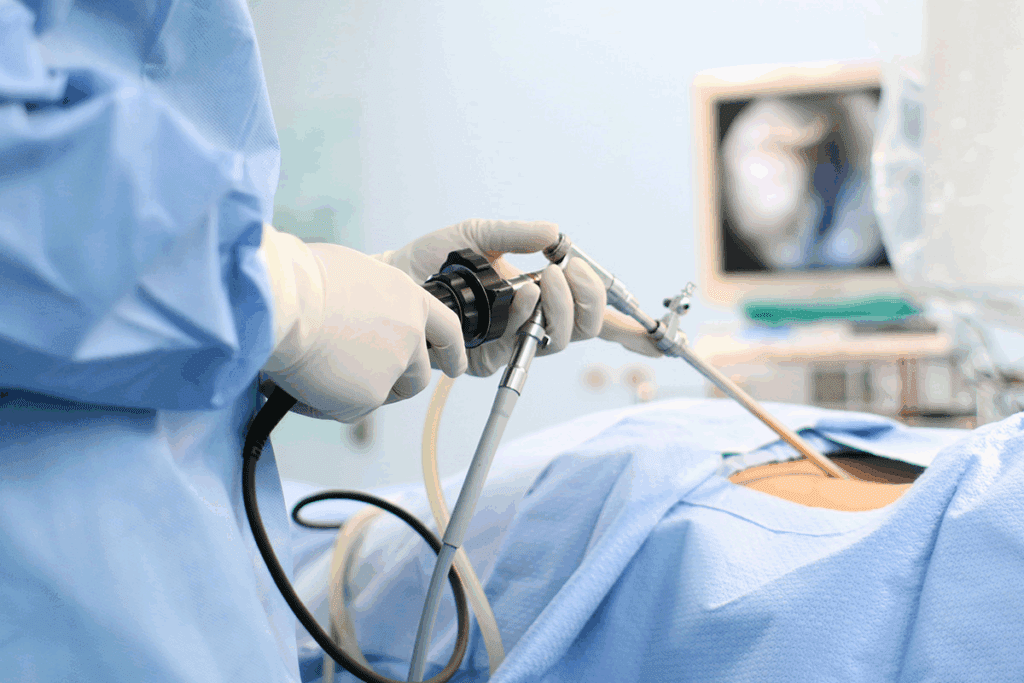
Did you know over 1 million hernia repair surgeries happen every year in the U.S.? The duration of hernia surgery changes a lot. This depends on the type of hernia and the surgery method. What is the hernia surgery duration? Get the surprising, simple facts. We explain the critical timeline for this common procedure.
At our place, we use the latest techniques and materials. For example, laparoscopic hernia repair. Knowing how long a hernia surgery takes helps patients get ready.
Key Takeaways
- The average duration of hernia surgery varies based on the surgical technique.
- Laparoscopic hernia surgery typically has a shorter recovery time.
- The type of hernia being repaired influences the surgery length.
- Newer surgical materials and methods improve outcomes.
- Understanding the factors affecting surgery time helps in preparation.
Understanding Hernia Surgery Duration
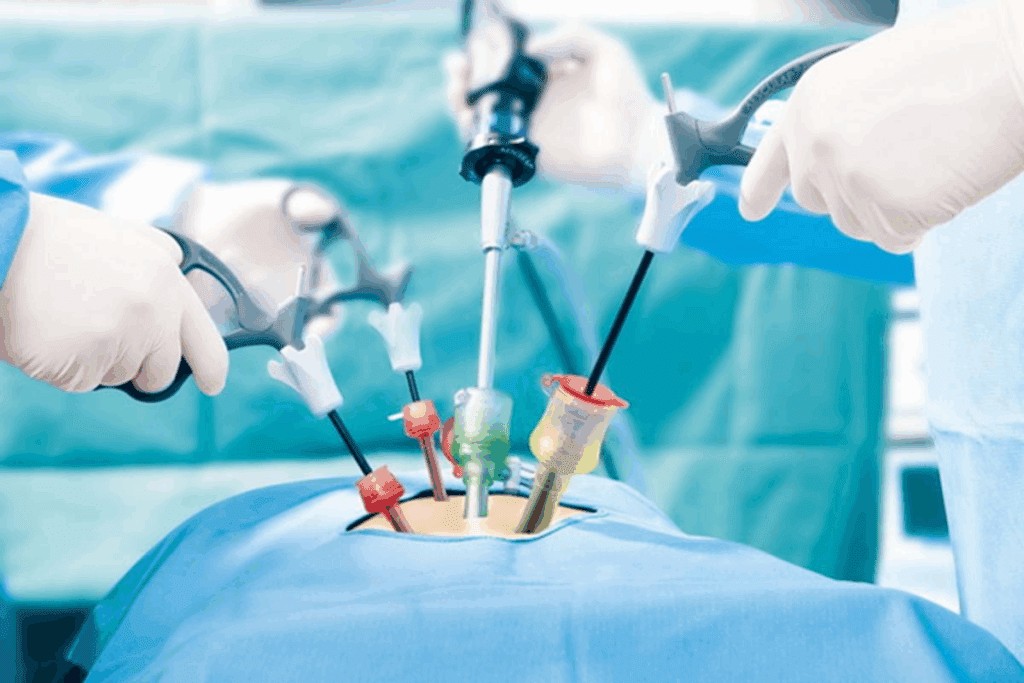
Hernia surgery fixes a hernia, where a part of the body bulges through a weak spot. Doctors say, “A hernia happens when something inside pushes through a weak spot in the muscle or tissue.” Knowing about hernia surgery helps patients understand their treatment options.
What is Hernia Surgery?
Hernia surgery, or herniorrhaphy, fixes the weak spot where the hernia bulges. There are different ways to do this surgery, each with its own benefits and risks.
The main goal is to stop pain and prevent serious problems like the hernia getting stuck or cut off.
Types of Hernia Surgery
There are several hernia surgery types, like open repair, laparoscopic, and robotic repair. Each has its own use, benefits, and risks.
- Open Repair: This traditional method uses one big cut in the belly to fix the hernia. It’s often used for big hernias or when other methods can’t be used.
- Laparoscopic Surgery: This is a minimally invasive method with small cuts and a camera. It’s known for quick recovery and less pain.
- Robotic Repair: This is a high-tech version of laparoscopic surgery. It uses a robot to help the surgeon work more precisely and flexibly.
Surgical Method | Description | Recovery Time |
Open Repair | Traditional method with a single incision | Several weeks |
Laparoscopic Surgery | Minimally invasive with multiple small incisions | 1-2 weeks |
Robotic Repair | Advanced laparoscopic surgery with robotic assistance | 1-2 weeks |
The right surgery depends on the hernia’s type and size, the patient’s health, and the surgeon’s skill. Knowing these factors helps choose the best surgery.
“The choice between open, laparoscopic, and robotic hernia repair depends on several factors, including the patient’s condition and the surgeon’s experience.”
— Expert Opinion
Factors Affecting Surgery Duration

The time needed for hernia surgery changes based on several factors. Each patient’s situation is different. The specifics of their condition greatly affect how long the surgery will take.
Type of Hernia
The type of hernia a patient has is a big factor in surgery time. For example, umbilical hernia repair timing can be different from other types. This is because of its location and the complexity involved. Also, ventral hernia operation length can change based on the hernia’s size and location.
Different hernias need different surgical methods. This affects the surgery time. Our skilled surgeons look at each case to find the best and most efficient way to operate.
Surgeon’s Experience
The surgeon’s experience also plays a big role in surgery time. A more experienced surgeon can usually do the surgery faster. They have honed their skills through many procedures.
As we talked to medical experts, “The type of surgery you have depends on which method suits you and your surgeon’s experience.” This shows why choosing a skilled and experienced surgeon is important.
Surgical Method
The surgical method used is also key in determining surgery time. For instance, robotic hernia surgery time can differ from traditional or laparoscopic surgery. This is because of the precision and technology involved.
Surgical Method | Typical Duration | Factors Influencing Duration |
Open Surgery | 1-3 hours | Complexity of the hernia, patient’s overall health |
Laparoscopic Surgery | 30 minutes to 2 hours | Surgeon’s experience, size and location of the hernia |
Robotic Surgery | 1-2 hours | Precision required, surgeon’s familiarity with robotic systems |
Knowing these factors helps patients prepare for their surgery. It lets them plan better.
Average Duration of Hernia Surgery
Knowing how long hernia surgery takes is key for patients. The time needed can change based on the surgery type and hernia complexity.
Laparoscopic vs. Open Surgery
Laparoscopic hernia surgery, or keyhole surgery, is quicker than open surgery. It uses smaller cuts, causing less damage and faster healing. Laparoscopic surgery usually lasts from 30 to 45 minutes, but it can vary.
Open hernia surgery, with its larger cut, takes longer. It’s a more traditional method but often takes longer than laparoscopic. The time for open surgery can be anywhere from 45 minutes to over an hour, depending on the case.
Typical Timeframes
The time in the operating room for hernia surgery can be affected by several things. These include preparation time and anesthesia. Generally, patients can expect the following:
- Laparoscopic hernia surgery: 30 to 45 minutes
- Open hernia surgery: 45 minutes to over an hour
Remember, these are just estimates. The actual surgery time can change. Things like the surgeon’s experience, the patient’s health, and any unexpected issues during surgery can affect the time.
Preoperative Preparations
Before hernia surgery, patients must do several things to prepare well. Preparing for surgery can seem scary, but our guidelines can help you feel ready.
Doctor Consultations
First, you’ll talk to your doctor. You’ll discuss your health history, the hernia, and the best surgery for you. Your doctor will also check your overall health for any risks.
Our team will do tests like blood work and imaging to get you ready for surgery. It’s a good time to ask questions and share any worries.
Pre-surgery Instructions
After talking to your doctor, you’ll get detailed instructions. These help your body get ready for surgery and reduce risks. You’ll learn when to stop eating and drinking before the big day.
It’s important to follow these instructions closely. They help keep you safe and ensure the surgery goes well. You’ll also know which medicines to avoid and how to manage your health conditions.
By following our instructions and attending all your appointments, you help make the surgery a success. Our team is here to support you, giving you the best care possible.
Anesthesia and Its Impact
Anesthesia is key in hernia surgery, making sure patients are comfortable and the surgery goes well. The kind of anesthesia used greatly affects the surgery’s outcome and how the patient feels.
Types of Anesthesia Used
Most hernia repairs are done under general anesthesia. This means the patient is asleep during the surgery. General anesthesia makes sure the patient doesn’t feel pain and stays very calm, helping the surgeon work safely.
Sometimes, local anesthesia or regional anesthesia is used. This is for simpler repairs or when general anesthesia isn’t safe. Local anesthesia numbs just the area being operated on. Regional anesthesia numbs a bigger area.
“The operation is usually carried out under general anaesthetic.”
Third web source
Anesthesia Administration Time
The time it takes to give anesthesia can change based on several things. These include the type of anesthesia, the patient’s health, and the anesthesiologist’s skill.
For general anesthesia, it usually takes 10 to 30 minutes. This time is for getting ready, starting the anesthesia, and making sure the patient is ready for surgery.
Type of Anesthesia | Administration Time | Factors Affecting Time |
General Anesthesia | 10-30 minutes | Patient health, anesthesiologist experience |
Local/Regional Anesthesia | 5-20 minutes | Type of procedure, patient condition |
Knowing about anesthesia in hernia surgery helps patients prepare better. It also helps them know what to expect on surgery day.
Postoperative Recovery Timeline
Knowing the postoperative recovery timeline is key for hernia surgery patients. This phase is vital after surgery. Being informed helps manage expectations and eases the recovery process.
Immediate Recovery Phase
The immediate recovery starts right after surgery. Patients are watched for any bad reactions to anesthesia or the surgery. Most patients go home the same day or the next day, as a reliable source says.
This initial recovery phase can be tough. But, with the right care and following instructions, patients can get through it well.
Hospital Stay Duration
The hospital stay after hernia surgery varies. It depends on the surgery type (laparoscopic vs. open), the patient’s health, and any surgery complications.
Laparoscopic hernia surgery usually means a shorter hospital stay. But, the stay length is decided based on the patient’s condition and the surgeon’s judgment.
As another source says, “Most people go home the same day or the next day.” This shows the common trend in hernia surgery recovery, making it possible to go home soon after.
“The key to a successful recovery lies in following the postoperative instructions provided by your healthcare team and being aware of the signs of possible complications.”
In summary, the postoperative recovery timeline for hernia surgery depends on several factors. These include the surgery type and the patient’s health. By understanding these and following care instructions, patients can have a smoother and more effective recovery.
Complications That May Extend Surgery Time
Hernia repair is usually a simple procedure. But, some complications can make it longer. Knowing about these risks helps you prepare and feel more at ease.
Potential Risks of Surgery
Hernia surgery, like any surgery, has risks. These include infection, bleeding, obstruction, and strangulation of the hernia. Doctors say complications like obstruction and strangulation can happen.
Risks can be immediate or delayed. Immediate ones happen during or right after surgery. Delayed ones can show up days or weeks later.
- Immediate Complications:Bleeding or hematoma formation
- Infection
- Reaction to anesthesia
- Delayed Complications:Recurrence of the hernia
- Chronic pain
- Adhesions or bowel obstruction
How Complications Affect Duration
Complications during surgery can make it longer. For example, too much bleeding means the team has to spend more time fixing it. If the hernia is strangulated or obstructed, more repairs are needed, making the surgery longer.
Complication | Impact on Surgical Time |
Bleeding or Hematoma | More time to control bleeding and stabilize the patient |
Strangulation or Obstruction | Needs careful assessment and complex repair, making it longer |
Infection | May need antibiotics and careful wound care, possibly longer recovery |
Knowing about these complications helps us prepare for your surgery. We aim to give you the best care for your needs.
Preparing for Your Surgery Day
Getting ready for hernia surgery can make you feel less anxious. We’re here to help you understand what to expect. This way, you’ll be ready for a successful surgery and a smooth recovery.
What to Expect Before Surgery
On surgery day, you’ll arrive at the hospital. Our staff will welcome you. You’ll meet the nurse, anaesthetist, and surgeon. This is a chance to ask any questions you have.
This meeting is key. It helps us address any concerns and make sure you’re comfortable and informed.
Before surgery, you’ll get specific instructions. This might include fasting for a certain time. It’s important to follow these instructions to stay safe during the procedure.
Key Items to Bring
To make your experience smooth and stress-free, bring these items to the hospital:
- Identification and Insurance Cards: Bring a valid ID and your insurance cards for the admission process.
- Comfortable Clothing: Wear loose, comfortable clothes to make your stay more pleasant.
- Personal Items: Bring personal items like a phone charger, reading material, or a book to pass the time.
- Medications: Tell us about any medications you’re taking. We’ll let you know which ones to bring and when to take them.
Knowing about the hernia surgery recovery duration and being ready for surgery day can improve your experience. We’re committed to giving you the best care and support throughout your journey.
Item to Bring | Description |
ID and Insurance Cards | Valid identification and insurance cards for admission. |
Comfortable Clothing | Loose, comfortable clothing for your stay. |
Personal Items | Phone charger, reading material, or a book. |
Medications | Inform us about your current medications and follow our advice. |
Frequently Asked Questions
Patients often wonder how long hernia surgery will take. It’s normal to have questions about surgery time. We’re here to help answer some common concerns.
Common Concerns About Surgery Duration
Many ask about the average time for hernia repair. The time can change based on several things. For example, laparoscopic hernia surgery is usually quicker than open surgery, but times can vary.
Several factors affect how long surgery lasts:
- The complexity of the hernia
- The type of anesthesia used
- The surgeon’s level of experience
- Any unexpected complications
What if Surgery Takes Longer Than Expected?
Sometimes, surgery can take longer than expected. This might happen due to unexpected complications or the need for extra repair. Our team is ready to handle these situations and keep you safe.
Here’s a look at typical surgery times:
Surgical Method | Average Duration |
Laparoscopic Hernia Surgery | 1-2 hours |
Open Hernia Surgery | 1-3 hours |
We hope this info helps ease your concerns about your surgery. Our team is dedicated to giving you the best care and support during your journey.
Seeking the Right Surgical Team
Choosing the right surgical team is key for a successful hernia surgery. The type of surgery depends on what’s best for you and your surgeon’s skills. This choice affects how long your surgery will take and its success, whether it’s an open repair or an outpatient surgery.
Qualities of a Qualified Surgeon
A good surgeon has lots of experience and knowledge. They make sure your surgery goes smoothly and works well. Look at their credentials, read patient reviews, and check their success rates with hernia surgeries.
Researching Your Surgeon
To find the right surgeon, check their qualifications and experience with hernia surgeries. Talk about your needs and worries. This way, you can choose wisely and feel sure about your decision.
FAQ
What is the average time for hernia repair surgery?
The time for hernia repair surgery varies. It depends on the hernia type and surgery method. Laparoscopic surgery takes 30 minutes to 2 hours. Open surgery can take 30 minutes to several hours.
How long does laparoscopic hernia surgery take?
Laparoscopic hernia surgery lasts 30 minutes to 2 hours. The exact time depends on the case’s complexity and the surgeon’s experience.
What factors affect the duration of hernia surgery?
Several factors influence hernia surgery time. These include the hernia type, surgeon’s experience, and surgery method. The patient’s health and any complications also play a role.
How long does it take to recover from hernia surgery?
Recovery time varies based on surgery type and health. Patients usually spend a few days to a week at home. Full recovery takes several weeks.
What type of anesthesia is used during hernia surgery?
Anesthesia types vary, but common ones are general, local, and regional anesthesia. The choice depends on surgery type, patient health, and surgeon preference.
How long does it take to administer anesthesia?
Anesthesia administration time varies. It’s usually done in 10-30 minutes before surgery. Time can be longer based on anesthesia type and patient response.
What are the possible complications of hernia surgery?
Complications include infection, bleeding, and adhesions. Choosing a qualified surgeon and following instructions can minimize risks.
How do I prepare for hernia surgery day?
Follow your surgeon’s instructions for preparation. This may include dietary restrictions and medication adjustments. Arrange for a driver and have support during recovery.
What should I bring to the hospital for hernia surgery?
Bring necessary documents, comfortable clothing, and prescribed medications. It’s helpful to have a friend or family member for support.
How do I choose a qualified surgeon for hernia surgery?
Research the surgeon’s credentials and experience. Ask about their approach, complication rates, and post-operative care during the consultation.
References
The Lancet. Evidence-Based Medical Insight. Retrieved from https://www.thelancet.com/journals/lancet/article/PIIS0140-6736(03)14656-5/fulltext



 Departments
 Related Videos
 Our Doctors
 News
News