
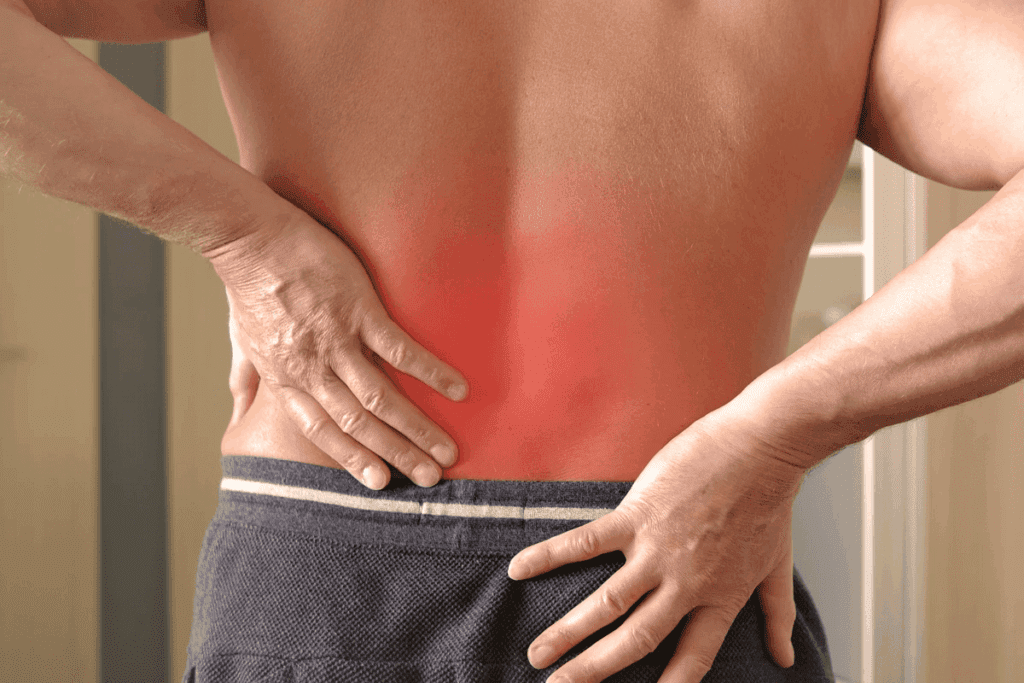
Many people with inguinal hernia also face urinary problems. This raises questions about a possible connection between the two.hernia urine problemsPooping After Hernia Surgery: 9 Essential Safe Tips
We look into how a hernia might affect urine flow. This is true when the hernia is in the inguinal canal. It can push the bladder into it, causing urinary frequency.
It’s important to understand this link. It helps people know when to see a doctor for urinary issues.
Key Takeaways
- A hernia can potentially affect urine flow, especially if it involves the inguinal canal.
- Bladder herniation into the inguinal canal can cause urinary symptoms.
- Urinary frequency is a common symptom associated with inguinal hernias.
- It is essential to seek medical attention if urinary symptoms persist or worsen.
- Early treatment can ease symptoms and avoid bigger problems.
Understanding Hernias: Definition and Types
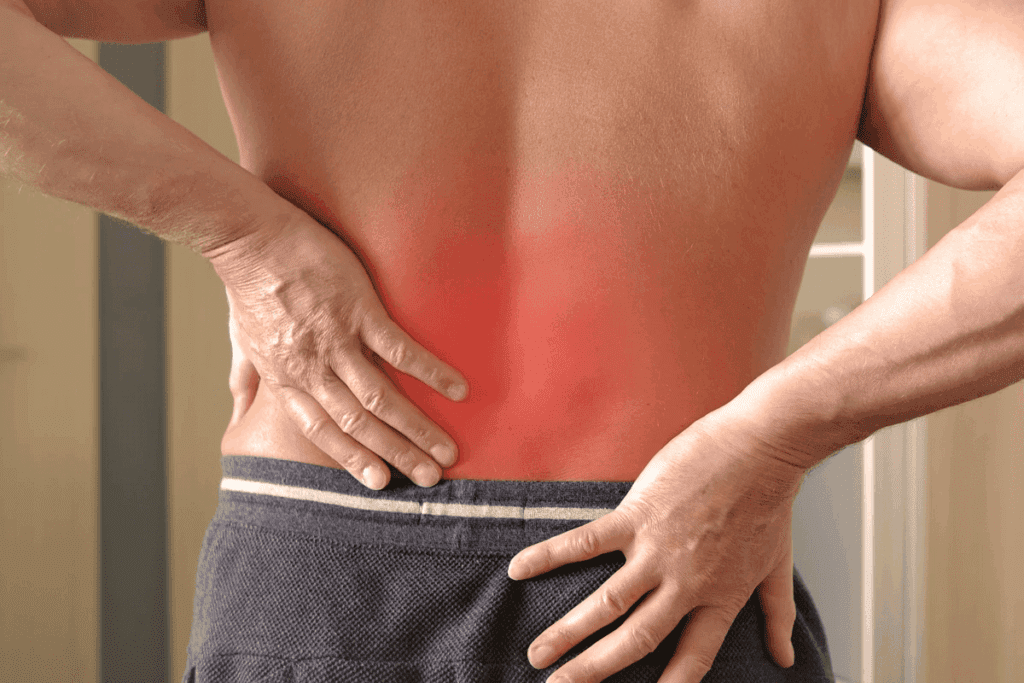
A hernia happens when an organ or tissue pushes through a weak spot in the muscle. This can cause pain and serious problems if not treated. We’ll look at what hernias are, their types, and why they happen.
What is a Hernia?
A hernia is when something bulges out of its usual place through a weak spot in the body wall. This usually happens in the belly area. Knowing about hernias helps us spot symptoms and get the right treatment.
Common Types of Hernias
There are many kinds of hernias, each with its own features. Here are some of the most common ones:
- Inguinal Hernia: This happens when tissue bulges through a weak spot in the belly muscles near the groin.
- Umbilical Hernia: This occurs around the belly button, due to a weak spot in the abdominal wall.
- Incisional Hernia: It happens through a scar or cut in the belly wall, often from surgery.
- Hiatal Hernia: This is when the stomach pushes up into the chest through a diaphragm opening.
| Type of Hernia | Description | Common Symptoms |
| Inguinal Hernia | Protrusion through the abdominal muscles in the groin. | Pain or discomfort in the groin, often when coughing, lifting, or bending. |
| Umbilical Hernia | Protrusion around the navel. | A bulge or swelling near the belly button, with pain. |
| Incisional Hernia | Protrusion through a surgical scar. | Pain or a bulge at the site of a previous surgical incision. |
| Hiatal Hernia | Protrusion of the stomach into the chest. | Heartburn, chest pain, and trouble swallowing. |
Causes and Risk Factors
Hernias come from weakened muscles, strain, and genetics. Some common risk factors include:
- Age: As we get older, our muscles get weaker, increasing hernia risk.
- Family History: If your family has hernias, you’re more likely to get one too.
- Chronic Coughing or Sneezing: These can strain the abdominal muscles.
- Heavy Lifting: Lifting heavy things can put too much pressure on the belly.
- Obesity: Being overweight adds extra strain on the belly muscles.
Knowing about hernias, their types, and risk factors helps us spot symptoms early. This way, we can get medical help when needed.
The Anatomy of Urinary Function

Understanding the urinary system’s anatomy is key to knowing how urine production and flow can be affected. This includes factors like hernias. The urinary system is complex, involving many organs and pathways that work together to make and get rid of urine.
How Urine is Produced
The kidneys filter waste from the blood to produce urine. This is vital for removing toxins and extra substances from the body. The kidneys have tiny units called nephrons where this filtering happens.
The steps to make urine include:
- Filtration of blood by the nephrons
- Reabsorption of essential nutrients and water
- Secretion of waste products into the filtrate
- Concentration of the filtrate to form urine
The Pathway of Urine Flow
After it’s made, urine goes through the ureters into the bladder. It’s stored there until it’s time to leave the body through the urethra. This path is key for the urinary system to work right.
The normal flow of urine is:
- Urine moves from the kidneys through the ureters
- It’s stored in the bladder
- When it’s time, urine leaves the bladder through the urethra
Factors That Influence Urine Flow
Many things can affect urine flow, like obstructions, neurological conditions, and certain medications. Hernias, in the groin or abdomen, can also impact urine flow by putting pressure on the urinary tract.
| Factor | Description | Potential Impact on Urine Flow |
| Obstructions | Blockages in the urinary tract, such as kidney stones or tumors | Can significantly reduce or block urine flow |
| Neurological Conditions | Conditions affecting the nerves that control the urinary system, such as spinal cord injuries or multiple sclerosis | Can disrupt normal urine flow by affecting bladder control |
| Hernias | Protrusions of an organ or tissue through a weakened area, potentially putting pressure on the urinary tract | Can potentially obstruct or impede urine flow |
Relationship Between Hernias and Urinary Issues
Hernias, like those in the inguinal canal, can cause urinary problems. We’ll look at how hernias affect urine flow. We’ll focus on which hernias are most likely to cause these issues and the symptoms that may appear.
Can a Hernia Block Urinary Flow?
A hernia might block urine flow if it affects the bladder or presses on the urinary tract. Inguinal hernias are often to blame, as they can push the bladder into the inguinal canal.
Several factors can influence if a hernia blocks urine flow. These include the hernia’s size, location, and if it touches the urinary system.
Types of Hernias that May Cause Urine Problems
Many hernias exist, but inguinal hernias are most linked to urine issues. This is because they are close to the bladder and urethra.
- Inguinal Hernias: These happen when tissue, like part of the intestine or bladder, bulges through a weak spot in the abdominal muscles in the inguinal canal.
- Incisional Hernias: Though rarer, these can also cause urine problems if they press on the urinary tract.
Symptoms of Urinary Issues due to Hernias
The symptoms of urinary problems from hernias vary. But common signs include:
- Weak Urine Stream: A weaker urine flow.
- Urinary Frequency: Needing to pee more often than usual.
- Urinary Retention: Trouble fully emptying the bladder.
It’s important to recognize these symptoms to get the right medical care and fix the problem.
Diagnosing Urinary Issues Caused by Hernias
Diagnosing urinary problems linked to hernias requires a detailed medical check-up. Hernias can sometimes cause urinary issues. It’s important to find out why these problems occur to treat them properly.
Initial Assessment and Symptoms
The first step is an initial assessment of symptoms. Symptoms like trouble urinating, needing to urinate often, and pain while doing so might point to a hernia.
We also look for signs like abdominal tenderness, a visible hernia bulge, and changes in how often you urinate.
Diagnostic Tests and Procedures
To confirm the diagnosis, we use several tests and procedures. These include:
- Imaging Tests: CT scans and ultrasound help us see the hernia and its effects on nearby areas.
- Urodynamic Tests: These tests check how well the bladder and urethra work in storing and releasing urine.
- Urinalysis: This test analyzes a urine sample for infections or other issues.
| Diagnostic Test | Purpose | Key Findings |
| CT Scan | Visualize hernia and its impact | Size and location of the hernia, effect on urinary tract |
| Ultrasound | Assess hernia and urinary tract | Presence of hernia, urinary tract obstruction |
| Urodynamic Tests | Evaluate bladder and urethra function | Urinary flow rate, bladder pressure |
Importance of Medical History
A patient’s medical history is key in diagnosing urinary issues caused by hernias. We look at past surgeries, current health conditions, and any medications that might affect urine function.
By combining medical history with test results, we can accurately diagnose and plan effective treatment.
Treatment Options for Hernias
Hernias can be treated in many ways, from surgery to non-surgical methods. Each case is different, and the right treatment depends on several things. These include the type and size of the hernia and the patient’s health.
Surgical Treatments for Hernias
Surgery is often the best choice for hernias, mainly for big, painful ones. There are a few surgical methods:
- Open repair: A traditional method where a single incision is made to access the hernia.
- Laparoscopic repair: A minimally invasive technique involving several small incisions and a camera to guide the repair.
- Robotic repair: An advanced form of laparoscopic surgery that uses a robotic system to enhance precision and control.
A leading medical expert says, “Surgical techniques have evolved significantly, giving patients more options and better results.”
“The choice of surgical technique depends on the patient’s condition, the surgeon’s expertise, and the specific characteristics of the hernia.”
– Medical Expert
Non-Surgical Management Techniques
Not every hernia needs surgery. For small, painless ones, or in those who can’t have surgery, non-surgical methods might be better. These include:
- Watchful waiting: Monitoring the hernia for any changes or development of symptoms.
- Lifestyle modifications: Avoiding heavy lifting, maintaining a healthy weight, and managing chronic coughing or constipation.
When to Seek Treatment
If you have severe pain, vomiting, or if your hernia becomes trapped or cut off, get medical help right away. Early treatment can stop serious problems and help you heal better. Always talk to a doctor to find the best treatment for you.
Impact of Hernia on Men vs. Women
Gender affects how hernias impact urine flow and urinary health. Hernias can happen to anyone, but they affect men and women differently. We’ll look at these differences and how hernias impact urinary health in both genders.
How Hernias Differ Between Genders
Hernias, like inguinal hernias, are more common in men. This is because of a natural weakness in the abdominal wall where the spermatic cord passes. Women are more likely to have femoral hernias, which are less common than inguinal hernias. The main reason for these differences is the anatomy and strength of the abdominal wall.
Key differences in hernia occurrence between genders include:
- Men are more prone to inguinal hernias.
- Women are more likely to have femoral or umbilical hernias.
- The risk factors and anatomical weaknesses vary between genders.
Urine Flow Problems in Men
In men, hernias can lead to urinary issues. This is often due to compression or obstruction of the urinary tract. Inguinal hernias, being more common in men, can cause urinary retention or difficulty urinating if they press on the bladder or urethra.
Symptoms of urine flow problems in men due to hernias may include:
- Weak or interrupted urine flow.
- Difficulty starting urination.
- Frequent urination or urgency.
Urine Flow Problems in Women
While less common, hernias in women can also lead to urinary problems. This is often seen in pelvic region hernias. Conditions like pelvic organ prolapse can be associated with hernias and may lead to urinary incontinence or difficulty in emptying the bladder.
Urinary symptoms in women due to hernias can include:
- Stress urinary incontinence.
- Urinary frequency or urgency.
- Sensation of incomplete bladder emptying.
It’s important for both men and women with urinary symptoms to seek medical evaluation. Early diagnosis and treatment can improve outcomes and reduce complications.
Preventative Measures for Hernias
Hernias can’t always be prevented, but some steps can lower the risk. A healthier lifestyle and knowing risk factors can help. This way, people can reduce their chance of getting a hernia.
Lifestyle Changes to Reduce Hernia Risk
Changing your lifestyle can help prevent hernias. Here are some key changes:
- Maintaining a Healthy Weight: Being overweight strains the abdominal muscles, raising hernia risk.
- Eating a Balanced Diet: A fiber-rich diet prevents constipation, a major hernia risk factor.
- Avoiding Heavy Lifting: Use proper lifting techniques to lower risk when lifting is necessary.
- Not Smoking: Smoking causes chronic coughing, increasing abdominal pressure and hernia risk.
Exercises that May Help
Exercises can strengthen abdominal muscles, possibly reducing hernia risk. Here are some:
- Core Strengthening Exercises: Planks and bridges strengthen core muscles.
- Pelvic Tilts: This exercise targets lower abdominal muscles.
- Avoiding Strain: Steer clear of exercises that strain the abdominal muscles too much.
When to Consult a Doctor
If you’re at risk of a hernia or have one, knowing when to see a doctor is key. See a doctor if you:
- Notice any unusual lumps or bulges.
- Experience persistent pain or discomfort.
- Have a family history of hernias.
Seeking medical advice early can lead to early detection and treatment. This can prevent complications.
Long-Term Effects of Hernias on Urinary Health
It’s important to know how hernias affect urinary health over time. If not treated, hernias can cause serious urinary problems. We’ll look at these issues and how to manage them.
Potential Complications
Untreated hernias can lead to urinary tract obstruction. This can cause a lot of pain and make it hard to urinate. They also raise the risk of urinary tract infections (UTIs) because of urine retention.
Chronic Urinary Problems
Hernias can lead to long-term urinary issues. These include frequent UTIs, incontinence, and trouble starting or stopping urine flow. Managing these problems often needs a detailed treatment plan.
Lifelong Management Strategies
Managing urinary health issues from hernias requires lifestyle changes, medical treatments, and sometimes surgery. It’s key to work with healthcare providers to create a personalized plan.
| Complication | Description | Management Strategy |
| Urinary Tract Obstruction | Blockage of the urinary tract causing pain and difficulty urinating | Surgical intervention, catheterization |
| Urinary Tract Infections (UTIs) | Infections caused by urine retention | Antibiotics, increased fluid intake |
| Urinary Incontinence | Involuntary leakage of urine | Pelvic floor exercises, lifestyle changes |
In conclusion, hernias can have lasting effects on urinary health. But, with the right care and treatment, these problems can be managed. It’s vital to seek medical help to avoid long-term urinary issues.
Living with a Hernia: Daily Life Impacts
Living with a hernia can be tough, but there are ways to stay active and happy. It’s important to manage your hernia well to keep your life good.
Finding Relief from Symptoms
Relieving hernia symptoms is key. We suggest trying different ways to ease pain and make daily tasks easier.
- Using supportive devices or clothes to help with the hernia
- Doing gentle exercises to make muscles stronger
- Staying away from heavy lifting or bending to avoid more strain
These steps can lessen symptoms and improve your life.
Managing Pain and Discomfort
It’s important to manage pain from a hernia to keep up with daily life. We have some tips to help with pain.
| Pain Management Strategy | Description | Benefits |
| Medication | Using prescribed or over-the-counter pain relief medication | Reduces pain, improves comfort |
| Physical Therapy | Doing exercises to strengthen muscles and improve flexibility | Enhances mobility, reduces discomfort |
| Lifestyle Adjustments | Making changes to daily routines to avoid making the condition worse | Reduces strain, promotes healing |
Healthy Lifestyle Choices
Living a healthy lifestyle is important when you have a hernia. We recommend habits that help your health and lower the chance of problems.
Some good lifestyle changes include:
- Keeping a healthy weight to lessen pressure on the hernia
- Eating a diet full of fiber to avoid constipation
- Not smoking to improve health and lower surgery risks
By making these choices, you can manage your condition better and live a better life.
FAQs About Hernias and Urinary Problems
Understanding hernias and urinary problems can be tough. Our FAQs aim to help you through it. We cover common questions and how hernias affect your urinary health.
Common Questions Answered
Many people wonder if hernias can affect urine flow. Can a hernia affect urine flow? Yes, some hernias can impact how you urinate.
Questions like “What are the symptoms of a hernia affecting urine flow?” and “How is this condition diagnosed?” are common. We’ll answer these and more, giving you a clear understanding.
- Symptoms to Watch For: Difficulty urinating, frequent urination, and pain while urinating.
- Diagnostic Approaches: Physical examinations, imaging tests like ultrasound or CT scans, and urodynamic tests.
Myths vs. Facts
There’s a lot of wrong information about hernias and urinary problems. Let’s set the record straight:
“Hernias are only a concern for older adults.”
This is a myth; hernias can occur at any age due to various factors, including genetics, lifestyle, and injury.
While older adults are at higher risk, anyone can get a hernia. Knowing the truth helps you make better health choices.
Resources for Further Information
Looking for more info on hernias and urinary problems? There are many trustworthy sources:
- National health websites, such as the National Institutes of Health (NIH).
- Professional medical organizations and their publications.
- Support groups for individuals dealing with hernias and urinary issues.
We suggest checking out these resources to learn more and stay current with new research and treatments.
By staying informed and getting medical advice when needed, you can manage your health better. This includes any concerns about hernias and urinary problems.
The Importance of Early Intervention
Early intervention is key when it comes to hernias. It greatly affects treatment success and prevents complications.
Consequences of Delayed Treatment
Waiting too long to treat a hernia can cause serious problems. These include more pain, hernia incarceration, and even strangulation. Strangulation cuts off blood to the trapped tissue.
Patients who get help early usually have better results and fewer issues. Here’s a comparison of delayed treatment and early action:
| Complications | Delayed Treatment | Early Intervention |
| Pain Levels | Increased pain due to hernia progression | Minimal pain with prompt treatment |
| Hernia Incarceration | Higher risk of incarceration | Lower risk with timely medical care |
| Tissue Strangulation | Risk of strangulation, a medical emergency | Reduced risk with early treatment |
Recognizing Warning Signs
It’s important to know the signs of a hernia. Look for a bulge, pain when coughing or lifting, and a feeling of heaviness.
If you notice these symptoms, see a doctor right away. This can help avoid serious problems.
Building a Support System
Having a strong support system is essential for hernia patients. This includes family, friends, and healthcare professionals. They offer emotional support, practical help, and medical advice.
We suggest talking to your healthcare provider. Discuss your condition and plan for managing your hernia. This includes lifestyle changes and treatment options.
Conclusion: The Connection Between Hernias and Urine Flow
It’s important to know how hernias and urine flow are connected. This knowledge helps in managing and treating related issues. We’ve looked at how hernias affect urine flow in this article.
Key Takeaways
We’ve covered the basics, like what hernias are and how they impact urine flow. It’s key to know the symptoms and get medical help if you notice any unusual issues.
Seeking Medical Help
If you’re showing signs of a hernia or urinary problems, see a doctor. Early treatment can make a big difference and lower the risk of serious issues.
Promoting Health Awareness
Being aware of your health is critical in preventing and managing hernias and urinary issues. Knowing the risks and taking action can help avoid these problems. It also improves your overall health.
FAQ
Can a hernia cause urinary frequency?
Yes, a hernia can lead to frequent urination. This is often seen in inguinal hernias. They put pressure on the bladder or urinary tract.
How does a hernia affect urine flow?
A hernia can impact urine flow by applying pressure on the urinary tract. This might result in a weak stream, difficulty urinating, or even urinary retention. The severity depends on the hernia’s location and size.
What are the symptoms of urinary issues due to hernias?
Symptoms include frequent urination and a weak stream. You might also experience difficulty urinating or urgency. In some cases, urinary retention or pain while urinating can occur, depending on the hernia’s type and severity.
Can hernias cause bladder outlet obstruction?
Yes, certain hernias can cause bladder outlet obstruction. This is when pressure on the bladder or urethra leads to urinary retention or difficulty urinating.
Are there specific types of hernias more likely to cause urinary problems?
Inguinal hernias are often linked to urinary issues. They can press on the bladder or urinary tract. Other types, like femoral or obturator hernias, can also cause problems.
How are urinary issues related to hernias diagnosed?
Diagnosis involves a detailed medical history and physical exam. Tests like ultrasound or CT scans might be needed to assess the hernia’s impact on the urinary tract.
What are the treatment options for hernias causing urinary issues?
Treatment varies. Small, asymptomatic hernias might be monitored. But, for significant symptoms, including urinary problems, surgery is often necessary. The choice depends on the hernia’s severity and the patient’s health.
Can lifestyle changes help prevent hernias that cause urinary problems?
Yes, maintaining a healthy weight and avoiding heavy lifting can help. Exercises that strengthen abdominal muscles also reduce the risk of hernias, including those causing urinary issues.
How do hernias impact urinary health in men versus women?
Both men and women can face urinary issues from hernias. But, men are more likely to have inguinal hernias that affect urine flow. The specific symptoms can differ between genders.
What are the potentially long-term effects of hernias on urinary health?
Untreated hernias can lead to chronic urinary problems. This includes recurrent infections, persistent difficulty urinating, or ongoing frequency and urgency. Seeking medical attention is key to avoid these issues.
When should I seek medical treatment for a hernia causing urinary issues?
Seek medical help for significant urinary symptoms or if the hernia causes pain or discomfort. Timely treatment can prevent long-term urinary health problems.
References
National Center for Biotechnology Information. Evidence-Based Medical Insight. Retrieved from https://pmc.ncbi.nlm.nih.gov/articles/PMC8817767/