
Did you know that nearly 40% of adults will experience back pain due to a herniated disc at some point in their lives? This condition happens when the soft inner part of the spinal disc pushes through the outer wall. It then touches nerve roots, causing pain.
We will look at the five stages of a herniated disc. This condition can affect any part of the spine but often hits the neck and lower back. Knowing these stages is key to finding the right treatment and easing disc herniation symptoms. Understand the five crucial stages of a herniated disc. Learn how to identify your condition and find the best path to a successful recovery.
Key Takeaways
- Herniated discs are a common cause of back pain.
- The condition involves the soft inner disc pushing through the outer wall.
- Symptoms can vary depending on the location and stage of the herniation.
- Understanding the stages is key to appropriate treatment.
- Herniated discs can occur in any part of the spine.
Understanding Herniated Discs

To understand herniated discs, we need to know what they are and how they work. We must first look at the role of intervertebral discs in our spine.
Spinal discs are the soft cushions between our spine bones. They help our spine move and bend easily. These discs are key for absorbing shock and keeping our spine flexible.
Definition and Basic Anatomy
A herniated disc happens when the soft center of the disc leaks out. This can cause back or neck pain and stiffness. The lumbar spine often gets herniated discs because it bears a lot of weight.
The spine has vertebrae, discs, and nerves. The discs act as shock absorbers. When a disc herniates, it can press on nerves, causing symptoms.
|
Component |
Function |
Impact of Herniation |
|---|---|---|
|
Vertebrae |
Provide structural support |
Can be affected by the herniated disc |
|
Intervertebral Discs |
Act as shock absorbers |
Herniation can cause pain and discomfort |
|
Nerves |
Transmit signals |
Can be compressed, causing pain or numbness |
How Common are Herniated Discs?
Herniated discs are quite common, affecting many people at some point. Research shows 1% to 3% of people have a herniated disc. This number goes up in older age groups and jobs that involve lifting or bending.
“The prevalence of herniated discs is significant, and understanding their causes and symptoms is key for managing and treating them.” – Spine Health Expert
As we get older, our discs can wear down, making them more likely to herniate. Genetics, lifestyle, and job can also play a role in getting a herniated disc.
Causes and Risk Factors of Herniated Discs
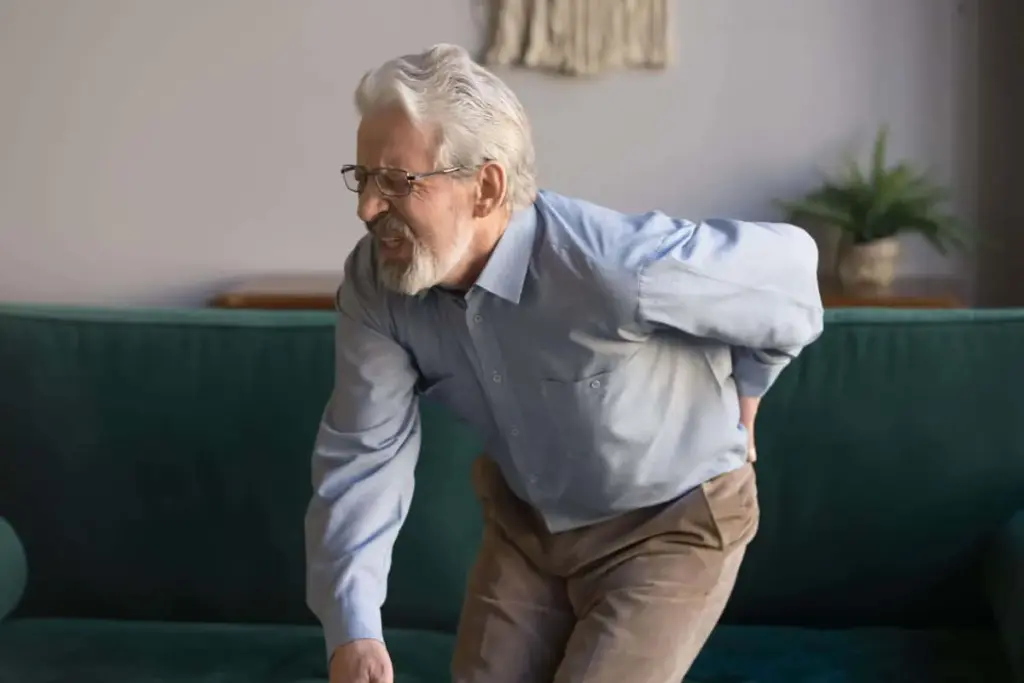
It’s important to know what causes herniated discs to prevent and treat them. A herniated disc can happen due to many factors that harm the spine.
Common Causes
Several things can lead to a herniated disc. These include:
- Age: As we get older, our spinal discs dry out and crack more easily.
- Lifestyle Choices: Not moving much, smoking, and not exercising can weaken the back muscles and harm the discs.
- Traumatic Injury: A sudden, severe injury to the spine can cause a disc to herniate.
- Genetics: Some people might be more likely to get herniated discs because of their genes.
These factors can cause back pain and sciatica. Sciatica is pain that goes down the sciatic nerve.
Who is at Risk?
Some people are more likely to get a herniated disc. These include:
- Young Adults: People in their 30s to 50s are more likely to get a herniated disc because of aging.
- Overweight Individuals: Being overweight puts extra strain on the spine, mainly in the lower back.
- People with Jobs Involving Heavy Lifting: Jobs that require lifting, bending, or twisting a lot can increase the risk of a herniated disc.
Knowing these risk factors and causes helps us take steps to avoid spinal injury and keep our spines healthy.
The Difference Between Bulging, Slipped, and Herniated Discs
It’s important to know the difference between bulging, slipped, and herniated discs. These terms are often mixed up, but they mean different things when it comes to the spine.
Terminology Clarification
A bulging disc happens when the disc pushes out a bit but doesn’t break its outer layer. This can put pressure on nerves, leading to pain.
A slipped disc is a common term for a herniated disc. But, it’s not accurate because the disc doesn’t really “slip.” Instead, it herniates, with the soft inside pushing out through a tear.
A herniated disc is when the outer layer of the disc tears. This lets the soft inside gel push out. It can irritate nerves, causing pain, numbness, or weakness.
Why Accurate Diagnosis Matters
Getting the right diagnosis is key because treatment changes a lot depending on the disc issue. Here’s a quick look at the differences:
|
Condition |
Description |
Typical Symptoms |
|---|---|---|
|
Bulging Disc |
Disc bulges without rupturing the outer layer |
Mild to moderate back pain, possible nerve irritation |
|
Slipped Disc (Herniated Disc) |
Soft inner gel pushes out through a tear in the outer layer |
Severe back pain, numbness, tingling, or weakness in limbs |
|
Herniated Disc |
Outer layer tears, allowing inner gel to protrude |
Pain, numbness, or weakness, potentially radiating to limbs |
Knowing these differences helps doctors create better treatment plans. This ensures patients get the right care for their specific issue.
Stage 1: Disc Degeneration and Bulging
Stage 1 of a herniated disc is when the spinal disc starts to break down. This is the first stage and is very important. It can lead to bigger problems if not treated.
What Happens in Stage 1
In Stage 1, the spinal disc starts to weaken. This happens as we age and the disc loses water. It becomes less flexible and more likely to get hurt. Disc degeneration can also be caused by genetics, lifestyle, and past injuries.
This weakening can cause the disc to bulge out. Even if it doesn’t hurt, it can be a sign of a herniated disc.
|
Characteristics |
Normal Disc |
Degenerated Disc |
|---|---|---|
|
Water Content |
High |
Low |
|
Flexibility |
High |
Low |
|
Prone to Damage |
No |
Yes |
Early Warning Signs
It’s important to know the early signs of disc degeneration. Some common symptoms include:
- Mild back pain or stiffness
- Reduced flexibility
- Pain that worsens with certain activities
These symptoms might be mild at first. But knowing them can help you get medical help early. This can stop things from getting worse.
Understanding disc degeneration and its early signs is key. It helps manage and prevent a herniated disc. By acting early, you can keep your spine healthy and feel better overall.
Stage 2: Disc Prolapse
In Stage 2, the disc prolapse stage, the herniated disc shows more symptoms. This is because the pressure on the nerves increases. The nucleus pushes against the annulus, causing the disc to bulge.
The Progression to Prolapse
The progression to prolapse is a key phase in herniated disc development. The nucleus pushing against the annulus can make the disc bulge outward. This can compress nearby nerves, leading to pain, numbness, and weakness.
Medical experts say, “The prolapse stage is significant because it often marks the point at which symptoms become more pronounced and potentially debilitating.”
“The prolapse stage is significant because it often marks the point at which symptoms become more pronounced and potentially debilitating.”
Symptoms at This Stage
Symptoms at the disc prolapse stage vary based on the herniated disc’s location and nerve compression. Common symptoms include:
- Sharp or dull pain in the back or neck
- Numbness or tingling sensations in the arms or legs
- Muscle weakness in the affected limbs
The severity of these symptoms can range from mild to severe. It depends on the herniation’s size and the individual’s health.
|
Symptom |
Description |
Possible Location |
|---|---|---|
|
Pain |
Sharp or dull pain due to nerve compression |
Back, neck, arms, or legs |
|
Numbness/Tingling |
Numbness or tingling sensations due to nerve compression |
Arms or legs |
|
Weakness |
Muscle weakness in the affected limbs |
Arms or legs |
Understanding disc prolapse symptoms and progression is key for seeking medical care. We will discuss further stages in the next section.
Stage 3: Disc Extrusion
Disc extrusion is the third stage of a herniated disc. Here, the nucleus pushes through a tear in the annulus. This makes the disc condition worse, leading to more severe symptoms.
How Extrusion Differs from Prolapse
Many confuse disc extrusion with prolapse. But they are different. In prolapse, the nucleus bulges but stays inside the annulus. In extrusion, the nucleus breaks through, causing a more serious herniation. This difference is key for choosing the right treatment.
The move from prolapse to extrusion shows a big change in the disc’s health. The nucleus’s escape can harm the spinal structures more.
Impact on Surrounding Nerves
The nucleus’s escape can hurt nearby nerves. This can cause more pain, numbness, or weakness. The severity of these symptoms depends on where and how much the disc is extruded.
Nerve compression from disc extrusion can cause many problems, like radiculopathy. Knowing how the extruded disc affects nerves is vital for finding the right treatment.
We will look at treatments for disc extrusion next. We’ll cover both non-surgical and surgical options.
Stage 4: Disc Sequestration
The fourth stage of a herniated disc is called disc sequestration. It happens when the disc ruptures and its nucleus is released. At this point, the herniated disc material has not only pushed through the annulus fibrosus but has also broken away from the disc. This can cause a lot of irritation to the nerves around it.
Severe Stage of Herniation
Disc sequestration is the most severe stage of herniation. The disc material that breaks away can move away from the main disc. This can lead to complex and severe neurological symptoms.
The symptoms at this stage can vary. For example, if the sequestration happens in the lumbar region, it might cause sciatica. Sciatica is sharp, shooting pain down the leg due to irritation of the sciatic nerve.
Potential Complications
Disc sequestration can cause several complications:
- Chronic Pain: Ongoing pain due to nerve irritation.
- Nerve Damage: Long-term nerve damage if the sequestered fragment compresses or irritates nerves.
- Muscle Weakness: Weakness or paralysis in muscles innervated by affected nerves.
- Loss of Bladder or Bowel Control: In severe cases, large disc sequestrations in the lumbar region can cause cauda equina syndrome. This leads to loss of bladder or bowel control.
Understanding the severity of disc sequestration is key to choosing the right treatment. While some cases might be managed without surgery, others might need surgery to relieve nerve compression and remove the sequestered disc material.
Stage 5: Recovery and Healing
Recovery and healing mark the fifth stage of a herniated disc. At this stage, most patients feel a lot better. This is due to the body’s healing and the success of treatments.
Natural Healing Process
The body can heal itself amazingly. With a herniated disc, it reduces inflammation and fixes the disc. Treatments like physical therapy and pain management help this process.
Key parts of healing include:
- Inflammation Reduction: The body first gets inflamed when injured. This inflammation causes pain. As it heals, this inflammation goes down.
- Disc Repair: The herniated disc can change over time. This helps reduce pressure on nerves, easing symptoms.
- Nerve Regeneration: Damaged nerves can sometimes heal. This helps in the recovery process.
Timeline for Recovery
Recovery time for a herniated disc varies. It depends on the injury’s severity, treatment success, and individual healing.
Here’s what patients usually go through:
- Initial Improvement: Many start feeling better in 6-12 weeks. This is when inflammation goes down and pain management works.
- Continued Progress: With more physical therapy and lifestyle changes, patients get even better over time.
- Full Recovery: Some may take up to a year to fully recover. But, most see big improvements in a few months.
It’s key for patients to work with their healthcare providers. They need to create a treatment plan that fits their recovery needs.
What Does a Herniated Disc Feel Like?
A herniated disc can cause different kinds of pain. It depends on where and how bad it is. This can really hurt your daily life.
Pain Characteristics and Patterns
The pain from a herniated disc can feel sharp, dull, or aching. It might be there all the time or come and go. Pain characteristics depend on where the disc is and how bad it’s herniated. For example, a herniated disc in the lower back can hurt the back and legs. A herniated disc in the neck can hurt the neck and arms.
Pain patterns can change too. Some people feel worse when they bend, lift, or twist. Others feel better when they rest or do certain exercises.
Sensory Changes and Weakness
A herniated disc can also cause sensory changes like numbness, tingling, or a pins-and-needles feeling. This happens when the disc presses on nearby nerves.
Weakness is another symptom. The nerve pressure can make the muscles weak. This makes simple tasks hard to do.
Variation in Symptoms by Location
The symptoms of a herniated disc change based on its location. A herniated disc in the lower back can cause sciatica, pain down the sciatic nerve. A herniated disc in the neck can cause pain or numbness in the neck, shoulder, or arm.
Knowing these differences is key to treating herniated discs right. Doctors can create better treatment plans by understanding the symptoms and where the disc is. This helps to ease pain and improve function.
Herniated Disc Locations and Their Unique Symptoms
Knowing where herniated discs happen is key to dealing with their symptoms. They can pop up in the neck or lower back. Each spot has its own set of symptoms and challenges.
Cervical Herniated Discs
A herniated disc in the neck, or cervical herniated disc, can be quite painful. It affects the neck area, which has seven vertebrae.
Neck pain and arm pain are common symptoms. You might also feel numbness or tingling in your arm or hand. In bad cases, it can cause serious nerve problems.
Lumbar Herniated Discs
The lower back, or lumbar spine, is another common spot for herniated discs. A lumbar herniated disc can lead to lower back pain and leg pain.
Lower back pain and sciatica are common symptoms. You might also feel numbness or tingling in your legs. Muscle weakness is another symptom. The severity of symptoms depends on the size and location of the herniation.
|
Location |
Common Symptoms |
Potential Complications |
|---|---|---|
|
Cervical (Neck) |
Neck pain, arm pain, numbness or tingling in arm/hand |
Neurological issues, chronic pain |
|
Lumbar (Lower Back) |
Lower back pain, sciatica, numbness or tingling in legs |
Sciatica, chronic lower back pain, muscle weakness |
It’s important to know that symptoms vary by location. But, getting medical help quickly can really help. We’ll look at treatment options next.
Sciatica: A Common Complication of Herniated Discs
Sciatica is a common problem linked to herniated discs. It causes pain that spreads along the sciatic nerve. This nerve runs from the lower back, through the hips, and down each leg. We’ll look at how herniated discs cause sciatica and how to handle the pain.
Nerve Compression and Sciatica
The sciatic nerve is the biggest nerve in the body. When it gets compressed or irritated, it can hurt a lot. Herniated discs in the lower back often cause sciatica by pressing on the nerve roots.
This pressure leads to pain, numbness, and sometimes weakness in the legs.
Understanding the Link
Herniated discs and sciatica are connected through the spine’s anatomy. The lower back is prone to herniated discs because of its stress and movement. When a disc bulges, it can press on nerves, including the sciatic nerve. This is what causes sciatica pain.
Managing Sciatic Pain
Dealing with sciatic pain requires a mix of self-care, physical therapy, and sometimes medical help. Knowing what causes the pain is key to managing it well.
- Physical therapy to strengthen the back muscles and improve posture.
- Exercises to improve flexibility and reduce pressure on the sciatic nerve.
- Pain management through medication or injections.
- Lifestyle changes, such as maintaining a healthy weight and improving sleeping conditions.
Treatment Outcomes
|
Treatment |
Success Rate |
Recovery Time |
|---|---|---|
|
Physical Therapy |
70-80% |
6-12 weeks |
|
Pain Management |
50-70% |
Variable |
|
Surgery |
80-90% |
Several months |
Understanding the link between herniated discs and sciatica helps manage symptoms. It’s important to talk to healthcare professionals to find the right treatment for each person.
Treatment Options for Each Stage of a Herniated Disc
Choosing the right treatment for herniated discs depends on the condition’s stage and how severe it is. The stage of the disc is key in picking the best treatment. We’ll look at different methods, from non-surgical treatments to surgery, to help manage herniated discs.
Conservative Treatments
For early stages of herniated discs, non-surgical treatments are often the first choice. These methods aim to ease pain, reduce swelling, and boost movement. Common non-surgical treatments include:
- Physical therapy to strengthen the muscles around the spine and improve flexibility
- Chiropractic care to realign the spine and relieve pressure on the disc
- Medications such as NSAIDs to reduce pain and inflammation
- Lifestyle modifications, including maintaining a healthy weight and improving posture
The American Academy of Orthopaedic Surgeons says, “Non-surgical treatment is often effective in managing symptoms and avoiding surgery.”
“Most people with herniated discs can be treated successfully with non-surgical care.”
Interventional Procedures
If non-surgical treatments don’t work, interventional procedures might be needed. These are less invasive and aim to lessen pain and swelling. Common interventional procedures for herniated discs include:
|
Procedure |
Description |
Benefits |
|---|---|---|
|
Epidural Steroid Injections |
Injecting steroids into the epidural space to reduce inflammation |
Reduces pain and inflammation, improves mobility |
|
Nerve Root Blocks |
Injecting medication into the nerve root to block pain signals |
Provides targeted pain relief |
Surgical Options
In severe cases, surgery might be needed if other treatments fail. Surgery aims to remove the herniated part of the disc and ease pressure on nerves. Common surgeries include:
- Discectomy: Removing the herniated portion of the disc
- Microdiscectomy: A minimally invasive version of discectomy
- Spinal fusion: Fusing the vertebrae together to stabilize the spine
A study in the Journal of Neurosurgery: Spine found, “Surgery can offer significant relief for those with severe herniated discs who didn’t respond to other treatments.”
Dealing with a herniated disc can be tough, but the right treatment can help manage symptoms and improve life quality. Healthcare providers tailor treatment plans based on the condition’s stage and severity.
Conclusion
Knowing the five stages of a herniated disc is key to getting better. We’ve looked at how a herniated disc starts with disc degeneration and bulging. It then moves to prolapse, extrusion, sequestration, and ends with recovery and healing.
A herniated disc can really hurt your life, causing pain and discomfort. But, with the right treatment, you can get better. The treatment depends on the disc’s stage, from simple methods to more serious surgeries.
Seeing a doctor early can really help your recovery. By understanding the disc’s stages and treatment options, you can start your way to feeling better. This helps you get back to your normal life.
FAQ
What is a herniated disc?
A herniated disc happens when the soft center of the disc leaks out. This is due to a tear in the outer disc. It can irritate nerves, leading to pain, numbness, or weakness.
What are the common causes of herniated discs?
Herniated discs can be caused by age or wear and tear. Lifestyle choices like heavy lifting or bending also play a role. Being overweight or having a job that’s physically demanding can increase the risk.
What is the difference between a bulging disc and a herniated disc?
A bulging disc means the disc bulges out but doesn’t tear. A herniated disc has a tear, letting the soft center leak out. Both can cause discomfort, but a herniated disc is more likely to irritate nerves.
What are the symptoms of a herniated disc in the neck?
Symptoms of a herniated disc in the neck include neck, shoulder, or arm pain. You might also feel numbness or weakness in the arm or hand.
How is a herniated disc diagnosed?
To diagnose a herniated disc, doctors look at your medical history and do a physical exam. They might also use MRI or CT scans to see the disc’s condition.
What is sciatica, and how is it related to herniated discs?
Sciatica is pain that follows the sciatic nerve from the lower back to the legs. A herniated disc in the lower back can irritate this nerve, causing sciatica.
What are the treatment options for a herniated disc?
Treatment options include physical therapy and pain management. In some cases, injections or surgery like discectomy or spinal fusion might be needed.
Can a herniated disc heal on its own?
In some cases, a herniated disc can heal with time and conservative treatment. But, the healing process can be slow. Some people might need more treatments to manage their symptoms.
What is the recovery time for a herniated disc?
Recovery time varies. It depends on the herniation’s severity, treatment success, and individual factors. Some people feel better in weeks, while others take months.
How can I prevent herniated discs?
To prevent herniated discs, maintain a healthy weight and exercise regularly. Good posture and avoiding heavy lifting or bending are also important.
What are the stages of a herniated disc?
The stages include disc degeneration and bulging, then prolapse and extrusion. The final stages are sequestration and recovery. Each stage shows a worsening of the condition.
References
National Center for Biotechnology Information. Evidence-Based Medical Insight. Retrieved from https://pubmed.ncbi.nlm.nih.gov/19380839/



 Departments
 Related Videos
 Our Doctors
 News
News