
A herniated disc can cause significant discomfort and pain, disrupting daily life. When it comes to managing this pain, two common methods are often debated: heat therapy and ice therapy. Explore effective herniated disc treatments using ice and heat. Learn which one provides the most amazing relief for your back pain today.
Understanding the effectiveness of these therapies is crucial for those seeking relief from herniated disc pain. While some individuals swear by the soothing effects of heat, others prefer the numbing sensation of ice.
The choice between heat and ice therapy depends on various factors, including the severity of the condition and personal preference. Exploring the benefits of each can help determine the best approach for herniated disc self-care.
Key Takeaways
- Heat therapy can provide relief by relaxing muscles.
- Ice therapy can help reduce inflammation.
- The choice between heat and ice depends on personal preference and condition severity.
- Understanding the benefits of each therapy is crucial for effective pain management.
- Consulting a healthcare professional can provide personalized guidance.
What Happens When You Have a Herniated Disc
Understanding what happens when you have a herniated disc is crucial for effective management and treatment. A herniated disc, often referred to as a bulging disk in back or slipped disc in lumbar region, occurs when the soft, gel-like center of the disc bulges out through a tear or crack in the outer, tougher layer.
Anatomy of a Healthy vs. Herniated Disc
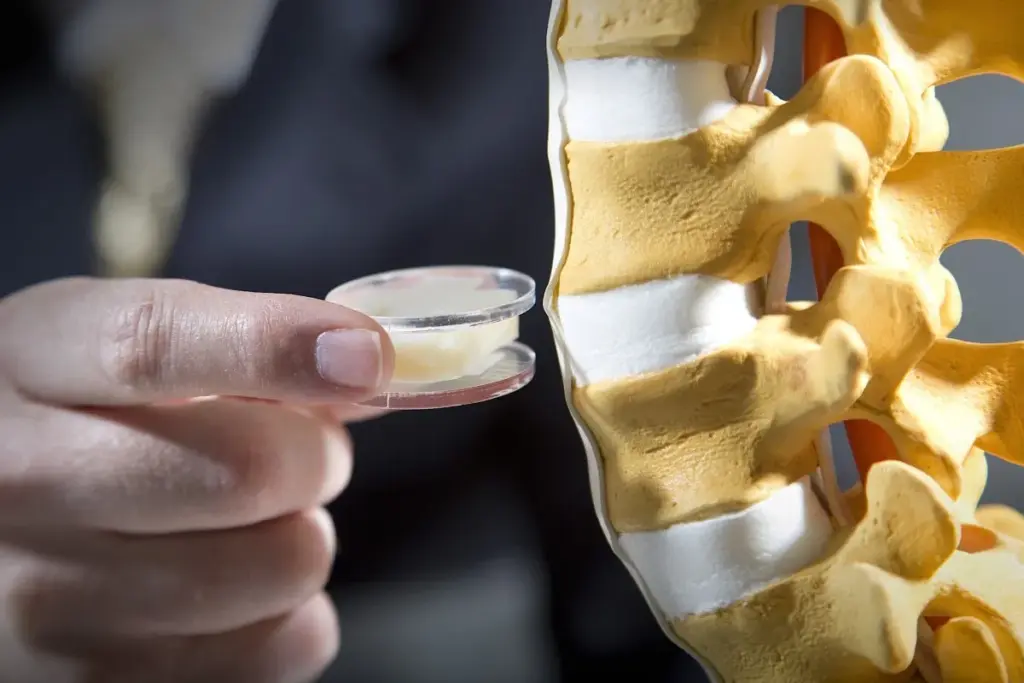
A healthy spinal disc acts as a shock absorber between the vertebrae, providing cushioning and facilitating smooth movement of the spine. It consists of a tough outer layer called the annulus fibrosus and a soft, gel-like center known as the nucleus pulposus. When a disc herniates, the nucleus pulposus pushes through the annulus fibrosus, potentially irritating nearby nerves and causing pain, numbness, or weakness.
The anatomy of a herniated disc can vary, with some experiencing a protrusion where the disc bulges but doesn’t rupture, while others may have an extrusion where the gel-like substance breaks through the outer layer.
Common Causes of Disc Herniation
Several factors can contribute to disc herniation, including:
- Aging: As we age, the spinal discs lose water content, becoming drier and more prone to cracking.
- Trauma: Sudden injuries from accidents or falls can cause disc herniation.
- Strain: Lifting heavy objects improperly can put undue stress on the spine, leading to herniation.
- Genetics: Some people may be more predisposed to disc problems due to their genetic makeup.
Understanding these causes can help in both prevention and treatment, potentially avoiding the need for more invasive procedures and aiding in knowing how to get a slipped disc back in place naturally.
Recognizing Herniated Disc Symptoms
Understanding the symptoms of a herniated disc is crucial for effective treatment and relief. A herniated disc can cause a variety of symptoms, ranging from mild to severe, depending on the location and the extent of the herniation.
Pain Patterns and Locations
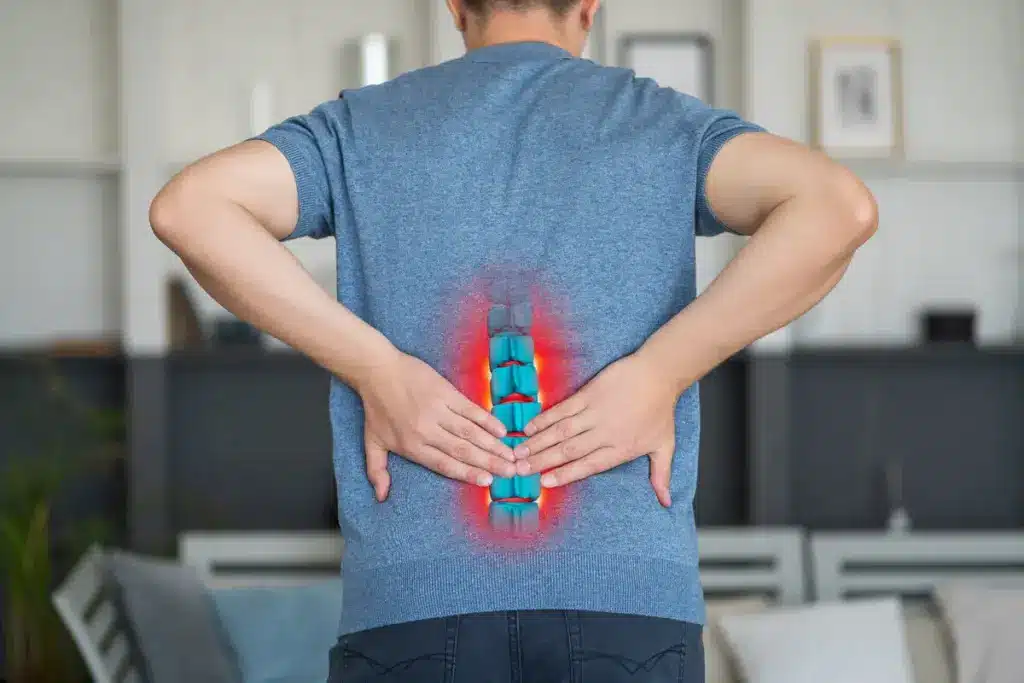
The pain associated with a herniated disc can vary significantly. It often manifests as nerve pain, particularly along the path of the sciatic nerve, which runs down the back of the leg. This type of pain is commonly referred to as sciatica. The location of the pain depends on the disc’s position in the spine; for instance, a herniated disc in the lower back (lumbar spine) typically causes pain in the lower back and legs, while a herniated disc in the neck (cervical spine) can cause pain in the neck, shoulders, and arms.
Neurological Symptoms
In addition to pain, a herniated disc can cause neurological symptoms due to the compression or irritation of nearby nerves. These symptoms may include numbness, tingling, or weakness in the affected limb. In severe cases, a herniated disc can lead to more serious neurological issues, such as loss of bladder or bowel control, although this is rare.
Recognizing these symptoms early is vital for seeking appropriate medical attention and relieving herniated disk pain. Treatment options, including herniated disc medication, can vary based on the severity and nature of the symptoms.
The Heat vs. Ice Debate for Disc Injuries
Both heat and ice therapies are popular for managing herniated disc pain, but understanding their differences is key. The debate between heat and ice for disc injuries centers around their distinct mechanisms of action and the specific benefits they offer.
Contrasting Mechanisms of Action
Cold therapy, or cryotherapy, is known for its ability to reduce inflammation and numb pain. When applied to a herniated disc, ice can help decrease swelling around the affected nerve, thus alleviating pain. On the other hand, heat therapy works by relaxing muscles, improving blood flow, and reducing stiffness. Heat can be particularly beneficial for chronic pain, as it promotes healing and provides comfort.
The choice between heat and ice often depends on the stage of injury and the nature of the pain. For acute injuries with significant inflammation, cold therapy is typically recommended. In contrast, heat therapy is often preferred for chronic pain conditions where muscle tension is a significant factor.
What Medical Research Shows
Medical research provides insights into the effectiveness of both heat and ice therapies for herniated disc pain. Studies have shown that cold therapy can be effective in the acute phase of injury by reducing inflammation and pain. Conversely, heat therapy has been found to be beneficial for chronic pain management by improving circulation and relaxing muscles.
A study published in a reputable medical journal highlighted that patients who used a combination of physical therapy and heat or cold therapy experienced significant pain relief. While the study didn’t conclusively favor one over the other, it underscored the importance of choosing the right therapy based on individual patient needs.
Ultimately, the decision to use heat or ice for a herniated disc should be based on the specific symptoms and the stage of the condition. Consulting with a healthcare professional can provide personalized guidance on the most effective treatment approach.
Benefits of Heat Therapy for Herniated Discs
For individuals suffering from herniated disc pain, heat therapy offers a promising avenue for relief. Heat therapy is known to relax muscles, increase blood flow, and reduce stiffness, making it an effective treatment for various musculoskeletal conditions, including herniated discs.
How Heat Affects Injured Tissues
Applying heat to the affected area helps in several ways. It increases blood flow, which aids in the healing process by delivering oxygen and nutrients to the damaged tissues. Heat also relaxes muscles, reducing spasms and pain. Furthermore, it decreases stiffness, making it easier to move and perform daily activities.
Heat therapy works by penetrating deep into the tissue, providing warmth that soothes the pain. This warmth stimulates the sensory receptors in the skin, overriding the pain signals sent to the brain, thus providing relief.
Conditions Where Heat Works Best
Heat therapy is particularly beneficial for chronic pain conditions, such as those associated with herniated discs. It is most effective when the pain is related to muscle tension and stiffness. Conditions characterized by chronic pain, rather than acute injury, tend to benefit more from heat therapy.
- Chronic back pain
- Muscle spasms
- Stiffness and reduced mobility
By understanding how heat therapy works and applying it under the right conditions, individuals with herniated discs can find significant relief from their symptoms.
Benefits of Cold Therapy for Herniated Discs
Cold therapy, also known as cryotherapy, is a simple yet effective method for managing herniated disc pain. The application of cold therapy has been shown to be effective in alleviating the discomfort associated with herniated discs.
How Ice Affects Injured Tissues
When ice is applied to the affected area, it reduces inflammation by constricting blood vessels. This reduction in inflammation helps to alleviate pressure on the nerves, thereby reducing pain. Additionally, cold therapy numbs the pain by reducing the transmission of nerve signals.
Cold therapy is particularly beneficial in the initial stages of injury, as it helps to minimize swelling and promote healing. By reducing muscle spasms and inflammation, cold therapy provides relief from the pain associated with herniated discs.
Conditions Where Ice Works Best
Cold therapy is most effective for acute injuries, such as recent herniated disc injuries. It is also beneficial for managing flare-ups of chronic back pain.
|
Condition |
Benefits of Cold Therapy |
|---|---|
|
Acute Herniated Disc Injury |
Reduces inflammation and pain |
|
Chronic Back Pain Flare-ups |
Provides relief from pain and muscle spasms |
In conclusion, cold therapy is a valuable treatment option for individuals suffering from herniated disc pain. Its ability to reduce inflammation and numb the pain makes it an effective solution for managing discomfort.
Effective Heat Therapy Methods
For those experiencing discomfort due to a herniated disc, applying heat therapy can be an effective relief method. Heat therapy works by increasing blood flow to the affected area, relaxing muscles, and reducing pain.
Dry Heat Options
Dry heat applications are a common method for delivering heat therapy. These include:
- Using a heating pad on the affected area. It’s essential to follow the manufacturer’s instructions to avoid burns.
- Electric blankets or heated wraps designed for therapeutic use.
These dry heat options can be easily incorporated into daily routines, providing consistent relief from herniated disc pain.
Moist Heat Options
Moist heat is another effective way to apply heat therapy. Moist heat penetrates deeper into the tissue, providing more significant relief. Methods include:
- Taking a warm bath or shower. The warm water helps relax the muscles and increase blood flow.
- Using a warm compress on the affected area. This can be made by soaking a towel in warm water, wringing it out, and applying it to the lower back.
Moist heat therapy is particularly beneficial for relieving stiffness and pain associated with herniated discs.
Both dry and moist heat therapies offer effective ways to manage herniated disc pain. It’s crucial to experiment with different methods to find what works best for individual needs.
Effective Cold Therapy Methods
Effective cold therapy methods can significantly alleviate the discomfort associated with herniated discs. Cold therapy, also known as cryotherapy, is a popular treatment option for managing pain and inflammation.
Cold therapy works by constricting blood vessels and reducing inflammation in the affected area. There are several methods to apply cold therapy, each with its own benefits.
Ice Pack Applications
Ice pack applications are one of the simplest and most effective cold therapy methods. To use an ice pack, wrap it in a towel to avoid direct contact with the skin, which can cause ice burn. Apply the ice pack to the affected area for 15-20 minutes, several times a day.
Benefits of Ice Pack Therapy:
- Reduces pain and inflammation
- Easy to apply at home
- Cost-effective
Cold Compression Therapy
Cold compression therapy combines the benefits of cold therapy with compression to reduce swelling and relieve pain. This method is particularly useful for herniated discs as it helps to reduce inflammation and promote healing.
Cold compression wraps are available for purchase or can be homemade using an elastic bandage and an ice pack. The compression helps to constrict blood vessels, further reducing inflammation.
Benefits of Cold Compression Therapy:
- Reduces swelling and inflammation
- Provides additional pain relief through compression
- Can be used in conjunction with other treatments
When to Use Heat for a Herniated Disc
Understanding when to apply heat can significantly enhance the recovery process for herniated disc patients. Heat therapy is often recommended after the initial inflammatory phase, typically a few days after the onset of symptoms.
Timing in the Recovery Process
The initial phase of a herniated disc is usually characterized by inflammation. During this period, cold therapy is often preferred as it helps reduce swelling and numbs the pain. However, as the inflammation subsides, typically after 48 to 72 hours, heat therapy can be introduced to promote healing and relaxation.
Heat therapy works by increasing blood flow to the affected area, which helps in repairing damaged tissues. It also relaxes the muscles around the herniated disc, reducing stiffness and discomfort.
Duration and Frequency Guidelines
When using heat therapy, it’s essential to follow some guidelines. Apply heat for 15 to 20 minutes at a time, and repeat this process 2 to 3 times a day. Ensure you have a break between applications to avoid overheating the skin.
You can use various forms of heat therapy, such as warm baths, heating pads, or warm compresses. The key is to maintain a comfortable temperature that doesn’t cause burns or discomfort.
By incorporating heat therapy at the right stage of your recovery, you can potentially enhance the healing process and find significant relief from herniated disc pain.
When to Use Ice for a Herniated Disc
For individuals suffering from herniated disc pain, knowing when to use ice can significantly impact the recovery process. Ice therapy, also known as cryotherapy, is commonly recommended for reducing pain and inflammation.
Timing in the Recovery Process
Ice is typically used in the first 48 hours after the onset of herniated disc symptoms. During this period, ice helps to reduce inflammation and numb the pain.
- Acute Phase: Use ice during the acute phase when pain is most severe.
- Pain Management: Ice is particularly effective for managing sharp, acute pain.
Duration and Frequency Guidelines
To maximize the benefits of ice therapy, it’s crucial to follow the correct duration and frequency guidelines.
- Apply ice for 15-20 minutes at a time.
- Repeat every 2-3 hours as needed.
- Use a barrier, such as a towel, to protect the skin from direct ice contact.
By understanding when to use ice and following these guidelines, individuals can effectively manage their herniated disc pain and support their recovery.
Combining Heat and Ice for Maximum Relief
Contrast therapy, which involves alternating between heat and ice, can be a valuable tool in treating herniated discs. This approach allows patients to benefit from both the pain-relieving properties of heat and the anti-inflammatory effects of cold therapy.
Contrast Therapy Protocols
To implement contrast therapy effectively, patients should start with heat therapy to relax the muscles and increase blood flow to the affected area. This can be followed by cold therapy to reduce inflammation and numb the pain.
A typical contrast therapy protocol might involve:
- Applying heat for 15-20 minutes
- Switching to cold therapy for 5-10 minutes
- Repeating the cycle 2-3 times
Sample Treatment Schedules
For maximum relief, contrast therapy can be performed multiple times a day. Here’s a sample treatment schedule:
|
Time |
Therapy |
Duration |
|---|---|---|
|
Morning |
Heat |
15 minutes |
|
Morning |
Cold |
5 minutes |
|
Afternoon |
Heat |
15 minutes |
|
Afternoon |
Cold |
5 minutes |
It’s essential to listen to your body and adjust the treatment schedule as needed. If you experience any increase in pain or discomfort, discontinue the therapy and consult with a healthcare professional.
Comprehensive Herniated Disc Treatments
Treating a herniated disc requires a comprehensive approach that includes both conservative and medical interventions. A herniated disc can cause significant discomfort and pain, but various treatment options can provide relief.
Conservative approaches are often the first line of treatment for herniated discs. These methods focus on managing symptoms and promoting healing without surgical intervention.
Conservative Approaches
- Physical Therapy: Customized exercise programs can help strengthen the muscles around the spine, improve flexibility, and reduce pain.
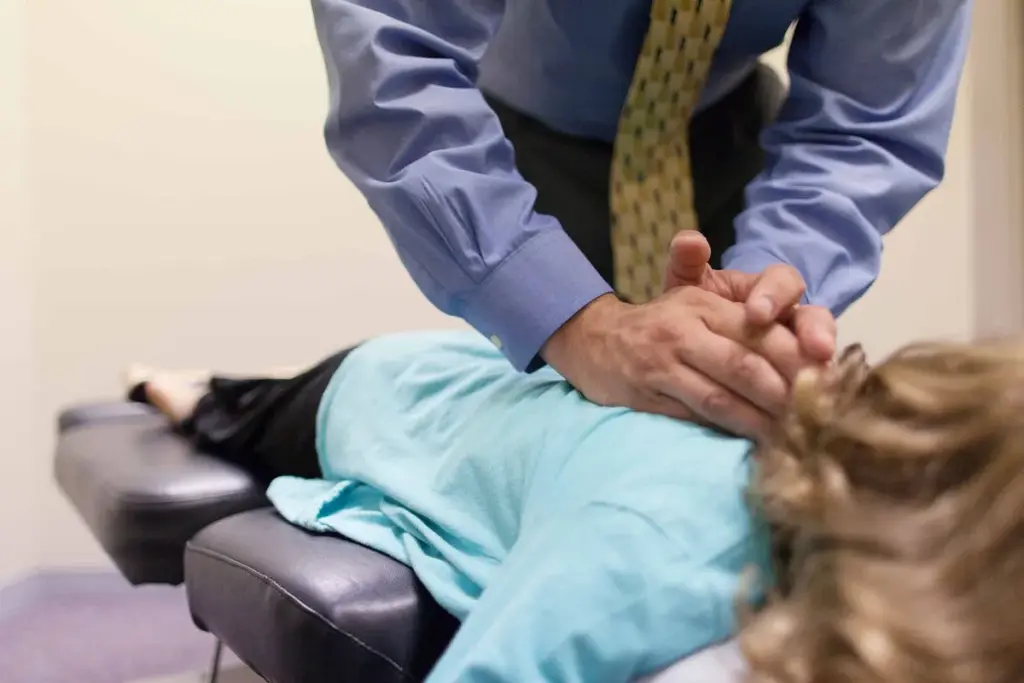
- Chiropractic Care: Spinal manipulation and adjustments can help realign the spine, reduce pressure on the herniated disc, and promote healing.
- Herniated Disc Self-Care: Techniques such as maintaining proper posture, taking regular breaks to stretch, and using ergonomic furniture can help alleviate symptoms.
Conservative approaches also include pain management through medication. Over-the-counter pain relievers and anti-inflammatory drugs can help manage pain and reduce inflammation.
Medical Interventions
When conservative treatments fail to provide adequate relief, medical interventions may be necessary. These can range from injections to surgical procedures.
- Epidural Steroid Injections: Injecting corticosteroids into the epidural space around the spinal cord can reduce inflammation and relieve pain.
- Surgical Options: Procedures such as discectomy or spinal fusion may be considered in severe cases where other treatments have failed.
It’s essential to consult with a healthcare professional to determine the best course of treatment for a herniated disc. They can help develop a personalized treatment plan that addresses specific needs and promotes optimal recovery.
Combining different treatment approaches can often lead to the best outcomes. For example, using physical therapy in conjunction with pain management techniques can enhance recovery and reduce symptoms.
Best Painkillers for Herniated Disc Pain
Herniated disc pain can be debilitating, and the right medication can significantly improve quality of life. Effective pain management is crucial for individuals dealing with this condition, as it enables them to maintain their daily activities and undergo necessary treatments.
Over-the-Counter Medications
Over-the-counter (OTC) medications are often the first line of defense against herniated disc pain. Acetaminophen and ibuprofen are two commonly used OTC pain relievers. Acetaminophen is effective for reducing pain, while ibuprofen, being an anti-inflammatory drug, can also help reduce swelling around the herniated disc.
It’s essential to follow the recommended dosage instructions for these medications to avoid potential side effects. For instance, excessive use of acetaminophen can lead to liver damage, while prolonged use of ibuprofen can cause stomach issues.
Prescription Pain Management
For more severe cases of herniated disc pain, prescription medications may be necessary. Muscle relaxants can help alleviate muscle spasms associated with herniated discs, while stronger pain relievers, such as opioids, may be prescribed for short-term use in cases of severe pain.
It’s critical to use prescription painkillers under the guidance of a healthcare professional due to their potential for dependency and side effects. Other prescription options might include corticosteroids to reduce inflammation.
When considering painkillers for herniated disc pain, it’s vital to weigh the benefits against the potential risks and side effects. Consulting with a healthcare provider can help determine the most appropriate pain management strategy.
How to Heal a Herniated Disc Quickly
Healing a herniated disc quickly requires a combination of gentle exercises and lifestyle adjustments. When you have a herniated disc, it’s essential to be proactive about your recovery to minimize pain and prevent further injury.
Gentle Exercises for Recovery
Gentle exercises play a crucial role in the recovery process of a herniated disc. These exercises help strengthen the muscles around the spine, improve flexibility, and promote healing. Some beneficial exercises include:
- Pelvic Tilt: Lie on your back with your knees bent and feet flat on the floor. Tilt your pelvis upwards and then back down, repeating the motion for 10-15 repetitions.
- Knee to Chest Stretch: Lie on your back and bring one knee towards your chest. Hold for 30 seconds and then switch legs.
- Cat-Cow Stretch: Start on your hands and knees. Arch your back, lifting your tailbone and head towards the ceiling (like a cat). Then, round your back, tucking your chin to your chest and your tailbone towards the floor (like a cow). Repeat for 10-15 repetitions.
Lifestyle Factors That Speed Healing
In addition to gentle exercises, certain lifestyle factors can significantly impact the healing process of a herniated disc. These include:
|
Lifestyle Factor |
Benefit |
|---|---|
|
Maintaining a Healthy Weight |
Reduces pressure on the spine, promoting faster healing. |
|
Improving Posture |
Proper posture reduces strain on the herniated disc, allowing it to heal more effectively. |
|
Avoiding Heavy Lifting |
Minimizes further injury to the disc, giving it time to heal. |
|
Quitting Smoking |
Smoking cessation improves blood flow and overall health, aiding in the recovery process. |
By incorporating these gentle exercises and lifestyle adjustments, individuals can potentially speed up their recovery from a herniated disc. It’s essential to consult with a healthcare professional before starting any new exercise or treatment plan.
Relieving Herniated Disc Pain at Home
For individuals suffering from herniated disc pain, implementing ergonomic adjustments and adopting specific daily movement strategies can significantly alleviate discomfort. Managing pain effectively at home involves a combination of changing how you interact with your environment and being mindful of your movements.
Ergonomic Adjustments
Making ergonomic adjustments is crucial for reducing strain on your back. Simple changes can make a significant difference in alleviating herniated disc pain. Consider the following adjustments:
- Ensure your workspace is set up to promote good posture. This includes having your monitor at eye level, keyboard directly in front of you, and chair at a height that allows your feet to rest flat on the floor or on a footrest.
- Use a supportive chair with adequate lumbar support. If your chair doesn’t provide sufficient support, consider using a lumbar roll or back support.
- When lifting objects, use proper lifting techniques by bending at the knees, keeping the object close to your body, and lifting with your leg muscles.
Ergonomic adjustments can significantly reduce the strain on your back, thereby alleviating some of the pain associated with a herniated disc.
|
Ergonomic Adjustment |
Benefit |
|---|---|
|
Proper Workspace Setup |
Reduces strain on the neck and back |
|
Lumbar Support |
Maintains the natural curve of the lower back |
|
Proper Lifting Techniques |
Reduces the risk of further injury to the herniated disc |
Daily Movement Strategies
Incorporating daily movement strategies can also play a significant role in relieving herniated disc pain. Gentle exercises and mindful movements can help strengthen the muscles around the spine and improve flexibility.
Some effective daily movement strategies include:
- Gentle stretching exercises to improve flexibility and reduce stiffness.
- Low-impact aerobic exercises, such as walking or swimming, to promote circulation and strengthen the back muscles.
- Strengthening exercises targeting the core and back muscles to provide better support for the spine.
By combining ergonomic adjustments with daily movement strategies, individuals can significantly reduce herniated disc pain and improve their overall quality of life.
When to Seek Professional Help
Knowing the right moment to consult a specialist can significantly impact the outcome of your herniated disc treatment. While mild cases may be managed with home remedies, severe or worsening symptoms require professional medical attention.
Red Flag Symptoms
Certain symptoms indicate a need for immediate medical evaluation. These include:
- Severe pain that doesn’t improve with rest or medication
- Numbness or tingling in the legs or arms
- Weakness in the muscles of the arms or legs
- Loss of bladder or bowel control
- Progressive neurological deficits
If you’re experiencing any of these symptoms, especially in the context of a slipped disc in the lumbar region, it’s crucial to seek help promptly.
Finding the Right Specialist
When deciding when to seek help, it’s equally important to choose the right healthcare provider. For herniated disc issues, you may start by consulting:
- A primary care physician for initial assessment
- An orthopedic specialist or neurosurgeon for further evaluation and treatment
- A physical therapist for rehabilitation and pain management
Ensure that the specialist you choose has experience in treating herniated discs and related conditions.
Preventing Future Disc Herniations
Maintaining a healthy back after a herniated disc involves a combination of proper exercise, weight management, and good posture. By adopting these habits, individuals can significantly reduce the risk of experiencing another herniated disc.
Long-term Back Health Strategies
Effective long-term strategies for back health include maintaining a healthy weight, engaging in regular physical activity, and practicing good lifting techniques. These habits not only help prevent future herniations but also contribute to overall well-being.
- Maintaining a Healthy Weight: Excess weight can put additional strain on the spine, increasing the risk of disc herniation. A balanced diet combined with regular exercise can help manage weight.
- Regular Exercise: Engaging in low-impact activities such as walking, swimming, or cycling can strengthen the muscles around the spine without causing excessive strain.
- Good Lifting Techniques: Learning how to lift correctly by bending at the knees and keeping the back straight can prevent unnecessary stress on the spinal discs.
Strengthening the Core and Back
Strengthening the core and back muscles is crucial for supporting the spine and preventing future disc herniations. Specific exercises can help achieve this.
|
Exercise |
Description |
Repetitions |
|---|---|---|
|
Plank |
Hold a position with your body in a straight line from head to heels, supported by your forearms and toes. |
3 sets of 30-second hold |
|
Bridges |
Lie on your back with knees bent and feet flat on the floor. Lift your hips towards the ceiling, squeezing your glutes. |
3 sets of 15 repetitions |
|
Pelvic Tilts |
Lie on your back with knees bent and feet flat. Tilt your pelvis upwards and then back down. |
3 sets of 10 repetitions |
By incorporating these exercises into a regular routine and maintaining a healthy lifestyle, individuals can significantly reduce the risk of future disc herniations and promote long-term back health.
Conclusion
Treating herniated discs requires a multifaceted approach that incorporates various therapies and lifestyle adjustments. By understanding the benefits of heat and ice therapy, individuals can make informed decisions about their care. Effective herniated disc treatments often involve a combination of these methods, alongside other conservative approaches and medical interventions.
Implementing herniated disc self-care strategies is crucial for relieving herniated disk pain and promoting recovery. This includes gentle exercises, ergonomic adjustments, and daily movement strategies. By adopting these practices, individuals can alleviate discomfort and improve their overall quality of life.
A comprehensive treatment plan, tailored to the individual’s specific needs, is essential for optimal recovery. By combining professional guidance with self-care techniques, individuals can effectively manage their condition and reduce the risk of future disc herniations.
FAQ
What is the best painkiller for a herniated disc?
Over-the-counter pain relievers such as ibuprofen (Advil, Motrin) or acetaminophen (Tylenol) are often recommended for herniated disc pain. In some cases, prescription medications like muscle relaxants or stronger painkillers may be prescribed by a healthcare provider.
How can I relieve herniated disc pain at home?
Relieving herniated disc pain at home can be achieved through ergonomic adjustments, such as maintaining proper posture and taking regular breaks to stretch. Applying heat or ice therapy, engaging in gentle exercises, and practicing stress-reducing techniques can also help alleviate pain.
What are the benefits of heat therapy for a herniated disc?
Heat therapy can help relax muscles, increase blood flow, and reduce stiffness, making it an effective treatment for herniated disc pain, especially during the chronic phase.
When should I use ice therapy for a herniated disc?
Ice therapy is typically used during the acute phase of a herniated disc, as it helps reduce inflammation and numb the pain. It’s usually applied for 15-20 minutes, several times a day.
Can I combine heat and ice therapy for a herniated disc?
Yes, combining heat and ice therapy, also known as contrast therapy, can be an effective way to manage herniated disc pain. Alternating between heat and ice can help reduce inflammation and promote healing.
How can I prevent future disc herniations?
Preventing future disc herniations involves maintaining a healthy weight, engaging in regular exercise, practicing good posture, and strengthening the core and back muscles.
What are the symptoms of a herniated disc?
Common symptoms of a herniated disc include back pain, numbness, tingling, and weakness in the affected limb. The pain can radiate to the arms or legs, depending on the location of the herniated disc.
How long does it take to heal a herniated disc?
The healing time for a herniated disc varies depending on the severity of the condition and the effectiveness of treatment. With proper care and treatment, most people can recover within a few weeks to several months.
When should I seek professional help for a herniated disc?
If you experience severe pain, numbness, tingling, or weakness that persists or worsens over time, it’s essential to seek professional help from a healthcare provider or a specialist, such as an orthopedic doctor or a physical medicine and rehabilitation physician.
What are the best exercises to strengthen the core and back?
Exercises that strengthen the core and back include pelvic tilts, bridges, planks, and gentle stretching exercises. It’s essential to consult with a healthcare provider or a physical therapist to develop a personalized exercise program.
Can a herniated disc be fixed without surgery?
In many cases, a herniated disc can be treated without surgery, using conservative approaches such as physical therapy, pain management, and lifestyle modifications. However, in some cases, surgery may be necessary to relieve pressure on the affected nerve.
How can I get a slipped disc back in place?
While it’s not possible to “get a slipped disc back in place,” treatment options like physical therapy, chiropractic care, and pain management can help alleviate symptoms and promote healing.
References
National Center for Biotechnology Information. Evidence-Based Medical Insight. Retrieved from https://pubmed.ncbi.nlm.nih.gov/9886952/



 Departments
 Related Videos
 Our Doctors
 News
News