We’re focusing on a big health issue with Herpes Zoster Without Complication, known as ICD-10 B02.9. This is when the varicella-zoster virus comes back, causing a painful rash. It’s key to know the right code for treating patients and for billing.
The ICD-10 code B02.9 is for Zoster without any extra issues in medical records and claims. Accurate coding is vital for billing and keeping records right. It helps make sure patients get the right care and doctors get paid right.
Key Takeaways
- Herpes Zoster Without Complication is coded as ICD-10 B02.9.
- The condition results from the reactivation of the varicella-zoster virus.
- Accurate coding is key for patient care and billing.
- ICD-10 code B02.9 is for cases without extra issues.
- Right diagnosis means right treatment and care.
Understanding Herpes Zoster and Its Pathophysiology

The varicella-zoster virus causes chickenpox. It stays dormant in nerve tissue and can come back years later, causing herpes zoster.
Herpes zoster, or shingles, is a viral infection. It happens when the virus in the nerves comes back to life. This can happen because the body’s immune system weakens with age, illness, or some medicines.
Varicella-Zoster Virus Reactivation
First, the virus infects someone, usually as a child, causing chickenpox. Then, it goes to the nerve cells and stays there. When it comes back, it causes herpes zoster. This is marked by a painful rash that usually stays in one area.
Key factors influencing reactivation include:
- Decline in immune function due to aging
- Immunosuppressive therapies or conditions
- Stress and other possible triggers
Risk Factors and Epidemiology
Herpes zoster gets more common with age, hitting older adults hard. Some medicines that weaken the immune system also raise the risk.
| Risk Factor | Description | Impact on Herpes Zoster Risk |
| Aging | Decline in immune function | Increased risk with age |
| Immunosuppressive Conditions | Conditions or therapies that weaken the immune system | Elevated risk due to reduced immune surveillance |
| Stress | Potential trigger for reactivation | May contribute to increased risk |
Knowing these risk factors is key to managing and preventing herpes zoster. As more people get older, the number of herpes zoster cases will likely go up. This makes it important to find good ways to prevent and treat it.
Herpes Zoster Without Complication: Clinical Presentation
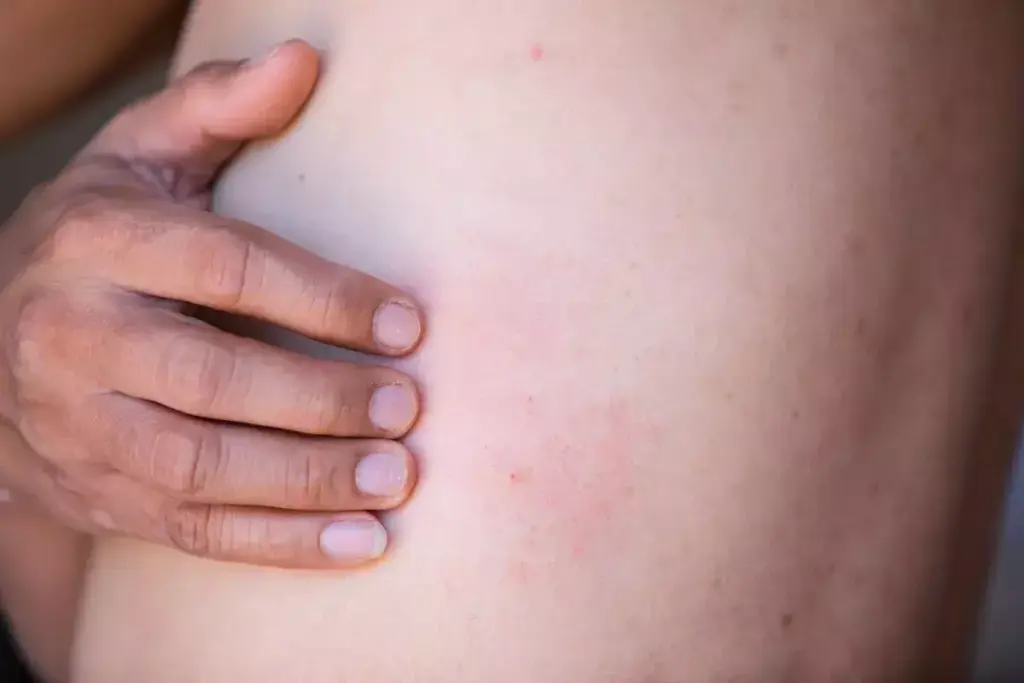
Shingles, or Herpes Zoster, starts with early signs before the rash shows up. We’ll look at these signs, how the condition gets worse, and what happens during healing.
Early Warning Signs and Symptoms
The first signs of Herpes Zoster include burning or shooting pain and tingling or itching sensations. These happen on one side of the body or face. Days or weeks before the rash, these signs can start.
According to the CDC, the pain can be very bad. It’s often with fever and headache Clinical Signs and Symptoms of Shingles.
Progression of the Condition
After the first symptoms, the rash of Herpes Zoster appears, usually on one side. It turns into blisters that crust over. The rash getting worse can make pain and discomfort worse.
Typical Duration and Healing Process
The time it takes for Herpes Zoster to heal varies. But, the rash usually goes away in 2 to 4 weeks. During this time, antiviral meds, pain relievers, and creams can help.
Knowing how long it takes to heal helps patients plan and stick to their treatment.
Doctors use the ICD-10 code B02.9 for Herpes Zoster without complication. This code is important for records and insurance, making sure patients get the right care and coverage.
ICD-10 Code B02.9: Classification and Documentation
Herpes zoster without complications is coded as B02.9 in the ICD-10 system. This code is key for accurate medical records. It helps healthcare providers to bill correctly for shingles treatments without complications.
Understanding the B02.9 Code Designation
The ICD-10 code B02.9 is for herpes zoster without serious complications. B02.9 is for zoster cases without neurological issues. This makes it important for simple shingles cases.
Herpes zoster is caused by the varicella-zoster virus coming back. The B02.9 code is for uncomplicated cases. It’s different from codes for more complex cases.
Distinguishing from Other Herpes Zoster Codes
ICD-10 has many codes for herpes zoster. These codes change based on the disease’s complications. B02.9 is for uncomplicated cases. This shows the importance of accurate diagnosis and records.
| ICD-10 Code | Description |
| B02.0 | Herpes zoster with neurological complications |
| B02.9 | Herpes zoster without complications |
Documentation Requirements for Accurate Coding
Correct coding starts with accurate documentation. Healthcare providers must show that there are no complications. They might use CPT codes for services like vaccine shots or injections.
Good documentation is key for accurate coding. It helps in better patient care and billing. By using ICD-10 code B02.9 correctly, providers can improve their records and billing.
Conclusion
We’ve looked into Herpes Zoster without complication, caused by the Varicella-Zoster virus coming back to life. It’s key for doctors to understand how it works, how it shows up, and how to use the ICD-10 code B02.9 correctly.
The ICD-10 code B02.9 is for diagnosing Herpes Zoster without any extra issues. It helps doctors tell it apart from other forms that might have more problems. Getting the coding right is important for billing and taking care of patients.
For patients, knowing their diagnosis and the ICD-10 code, like “icd 10 herpes zoster” or “shingle icd 10,” helps them understand their treatment. The “b029 diagnosis code” is vital for doctors to make sure patients get the right care.
By correctly diagnosing and coding Herpes Zoster without complication with the B02.9 code, doctors can give better treatment and support. This helps improve how well patients do.
FAQ
What is herpes zoster without complication?
Herpes zoster without complication, also known as shingles, is a viral infection. It happens when the varicella-zoster virus reactivates. This leads to a painful rash on one side of the body or face, without any neurological complications.
What is the ICD-10 code for herpes zoster without complication?
The ICD-10 code for herpes zoster without complication is B02.9. It’s used for accurate medical billing and documentation.
What are the symptoms of herpes zoster?
Symptoms of herpes zoster include pain, burning, or tingling sensations. These sensations are usually on one side of the body. Then, a characteristic rash and blister formation develop.
How is herpes zoster diagnosed?
Herpes zoster is diagnosed based on its clinical presentation. This includes the characteristic rash and symptoms. Laboratory tests may also be used to rule out other conditions.
What is the difference between ICD-10 code B02.9 and other herpes zoster codes?
ICD-10 code B02.9 is for herpes zoster without complication. Other codes are used for cases with complications, like neurological involvement.
What are the risk factors for developing herpes zoster?
Risk factors for developing herpes zoster include increasing age and immunosuppressive conditions. A history of chickenpox is also a risk factor.
How is herpes zoster treated?
Treatment for herpes zoster includes antiviral medications and pain management. Supportive care is also used to manage symptoms and promote healing.
What is the typical duration of herpes zoster?
The typical duration of herpes zoster is several weeks. The rash and symptoms usually resolve within 2-4 weeks. Some patients may experience lingering pain.
Can herpes zoster recur?
Yes, herpes zoster can recur. The frequency of recurrence varies among individuals.
How can accurate documentation and coding impact patient care?
Accurate documentation and coding, including ICD-10 code B02.9, are essential. They ensure proper patient care, billing, and epidemiological tracking.
REFERENCES:
Herpes zoster. In StatPearls (Internet). StatPearls Publishing. https://www.ncbi.nlm.nih.gov/books/NBK441824/