
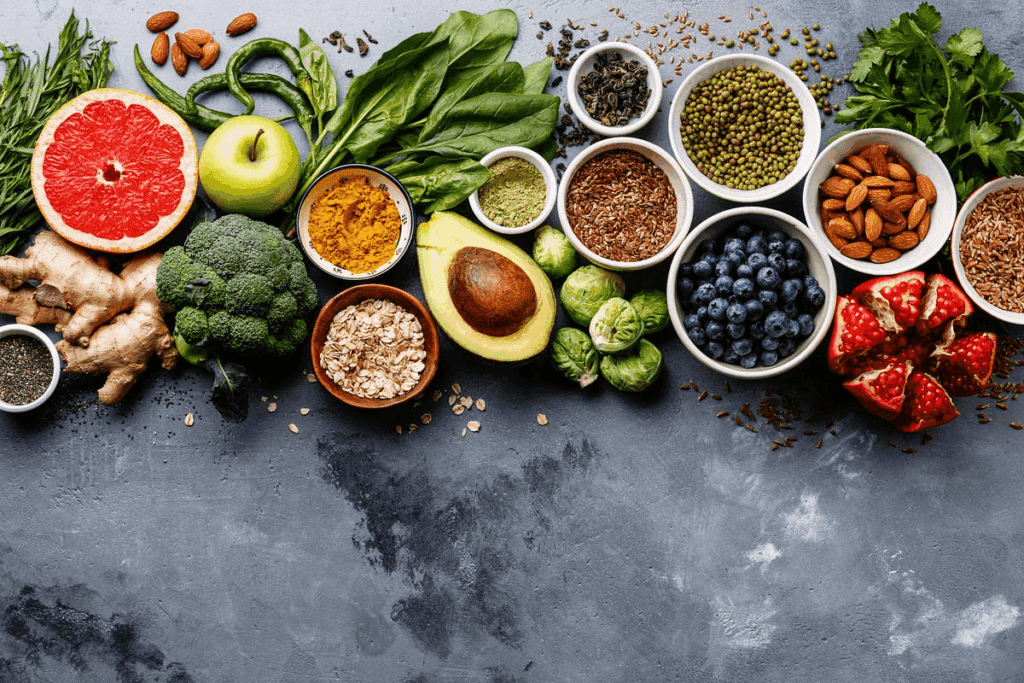
Creating a 7-day high fiber diet meal plan can change your life if you’re trying to lose weight and improve your health. Studies show that a fiber-rich diet boosts gut health, regular bowel movements, heart health, and lowers the risk of type 2 diabetes. Get our free ‘high fiber diet meal plan.’ This simple, 7-day guide is the best, proven way to boost digestion and get amazing health results.
At Liv Hospital, we know how important good nutrition is. A high fiber meal plan can help you lose weight, lower blood pressure, and improve insulin sensitivity. Adding the right foods to your diet can bring these benefits to you.
We focus on care that lasts and is centered on you at Liv Hospital. We help you create a meal plan that fits your life. This way, you can take charge of your health and reach your wellness goals.
Key Takeaways
- A 7-day high fiber diet meal plan can lead to significant weight loss and improved overall health.
- Increasing fiber intake can improve gut bacteria, regularity, and heart health.
- A well-designed meal plan can enhance insulin sensitivity and reduce blood pressure.
- Personalized nutrition plans are key to sustainable health benefits.
- Liv Hospital’s approach focuses on evidence-based nutrition and patient-centered care.
The Science Behind High Fiber Diets

Research shows that high fiber diets are good for our health. They do more than just help us go to the bathroom regularly.
Research-Backed Health Benefits
Studies say high fiber diets are very beneficial. The POUNDS Lost Study found that fiber helps with weight loss and sticking to a diet. Eating 30 grams of fiber a day can lead to weight loss, lower blood pressure, and better insulin control.
Key Health Benefits of High Fiber Diets:
- Weight loss and improved body composition
- Lower blood pressure
- Enhanced insulin sensitivity
- Improved digestive health
Weight Loss and Blood Pressure Improvements
High fiber diets help with weight loss. They make you feel full and eat fewer calories. The POUNDS Lost Study showed that more fiber means more weight loss.
Study | Findings | Benefits |
POUNDS Lost Study | Dietary fiber strongly predicts weight loss and adherence | Weight loss, improved dietary adherence |
Various Studies | High fiber diets lower blood pressure | Cardiovascular health, reduced hypertension |
Enhanced Insulin Response and Digestive Health
High fiber diets also improve insulin response and digestive health. Soluble fiber slows down sugar absorption, which helps insulin sensitivity. Plus, fiber promotes good gut bacteria, keeping your gut healthy.
The importance of a balanced gut microbiome cannot be overstated. It helps with digestion, boosts the immune system, and supports overall health.
Eating high fiber foods can greatly improve your health. As we learn more about high fiber diets, it’s clear that choosing the right foods is key to good health.
Understanding Different Types of Fiber

A high fibre eating plan works best when you know about soluble and insoluble fiber. Fiber isn’t just one thing; it’s many types, each with its own benefits.
Soluble vs. Insoluble Fiber
Fiber is mainly two types: soluble and insoluble. Soluble fiber mixes with water to form a gel in your stomach. You can find it in oats, barley, fruits, and veggies.
Insoluble fiber doesn’t mix with water and makes your stool bulkier. This helps you go to the bathroom regularly. You can find it in whole grains, veggies, and nuts.
Best Food Sources for Each Type
It’s key to know which foods are high in each type of fiber for a fiber rich meal plan. For soluble fiber, eat:
- Oats and oat bran
- Barley
- Fruits like apples, berries, and bananas
- Vegetables like carrots and broccoli
For insoluble fiber, try:
- Whole grains like whole wheat bread and brown rice
- Vegetables like cauliflower and green beans
- Nuts and seeds
How Different Fibers Affect Your Body
Soluble fiber helps lower cholesterol and control blood sugar. It slows down sugar absorption, which improves insulin use.
Insoluble fiber helps you go to the bathroom regularly and prevents constipation. It keeps your digestive system healthy by making stool bulkier and easier to pass.
Knowing how different fibers affect you helps you make a balanced high fiber food plan. This plan supports your health and meets your nutritional needs.
Essential Components of a High Fiber Diet Meal Plan
To get the most from a high fiber diet, knowing the key foods is key. A good high fiber diet meal plan includes many fiber-rich foods. This ensures you get all the nutrients you need every day.
Vegetables and Fruits to Prioritize
Vegetables and fruits are vital for a high fiber diet menu. They give you fiber and important vitamins and minerals. Broccoli, carrots, and Brussels sprouts are high in fiber. Apples, bananas, and berries are great for fruits.
Try to eat a variety of colors to get lots of nutrients. Leafy greens like spinach and kale are also good for fiber. They’re great in salads, smoothies, or sautéed dishes. Choose whole fruits over juices to get more fiber.
Whole Grains and Their Fiber Content
Whole grains are a must in a sample high fiber diet. Foods like oatmeal, quinoa, and whole wheat bread are full of fiber. They give you energy all day. Always pick whole grains over refined or processed ones for more fiber.
Here are some high fiber whole grains:
- Oatmeal
- Quinoa
- Whole wheat bread
- Brown rice
- Barley
Incorporating Legumes, Nuts, and Seeds
Legumes, nuts, and seeds are packed with fiber, protein, and healthy fats. Chickpeas, lentils, and black beans are great for a 7-day high fiber diet plan. Almonds, chia seeds, and flaxseeds are easy to add to meals or snacks.
It’s simple to add these foods to your diet. Put beans in salads, use nuts and seeds on yogurt or oatmeal, or snack on raw veggies with hummus.
Balancing Macronutrients with Fiber
Fiber is important, but so are other nutrients. Make sure you get enough protein and healthy fats with your fiber. This keeps your diet balanced.
A balanced high fiber diet meal plan should think about all your nutritional needs. You need protein for muscles, healthy fats for your brain, and complex carbs for energy.
Planning Your 7-Day High Fiber Journey
Starting a 7-day high fiber journey is more than just eating foods high in fiber. It’s about planning carefully. You need to know your fiber goals, slowly add more fiber to your diet, and watch your body’s hydration and digestion.
Setting Realistic Fiber Goals
The Academy of Nutrition and Dietetics says women should eat 25 grams of fiber daily, and men should eat 38 grams. It’s important to set fiber goals that are realistic. Start by checking how much fiber you eat now and aim for a bit more each day.
- Assess your current fiber intake
- Set a realistic target based on your current intake
- Plan your meals to achieve your target
Gradually Increasing Fiber Intake
Jumping straight to a high fiber diet can upset your stomach. Slowly adding more fiber lets your gut adjust. Try to increase your fiber by 2-3 grams each day until you hit your goal. This way, you avoid side effects like bloating.
- Day 1-2: Consume your usual fiber intake
- Day 3-4: Increase fiber intake by 2-3 grams
- Day 5-7: Continue to increase fiber intake until you reach your target
Hydration Requirements with High Fiber Diets
Drinking enough water is key when you’re eating more fiber. Fiber helps make stool soft and bulky. Without enough water, fiber can cause constipation. Drink at least 8-10 glasses of water a day. Also, eat hydrating foods like fruits and veggies to help meet your fluid needs.
Planning for Possible Digestive Adjustments
Some people might feel bloated, gassy, or have changes in bowel movements when they eat more fiber. To ease these issues, try eating smaller meals more often, eating different types of fiber, and not eating too much fiber before bed.
- Eating smaller, more frequent meals
- Incorporating a variety of fiber sources
- Avoiding high fiber intake before bedtime
By understanding these tips and planning well, you can smoothly go through your 7-day high fiber journey. This will help you succeed with your high fiber diet meal plan in the long run.
Complete 7-Day High Fiber Diet Meal Plan
Starting a 7-day high fiber diet can change your digestive health and overall health. A good meal plan helps you meet your daily fiber needs. We’re here to help you through it.
Our 7-day high fiber diet menu slowly increases your fiber intake. This makes it easy on your digestive system. You’ll enjoy a variety of meals for breakfast, lunch, dinner, and snacks.
Days 1-2: Getting Started with Fiber
Days 1 and 2 introduce high fiber foods into your diet. Sample meals include:
- Breakfast: Oatmeal with fruits and nuts
- Lunch: Whole grain sandwiches with vegetables
- Dinner: Quinoa and black bean bowls
- Snacks: Fresh fruits and raw vegetables with hummus
Medical Expert, a renowned nutritionist, notes, “Starting with small fiber increases can reduce digestive discomfort.”
“A high fiber diet is not just about digestive health; it’s about overall well-being.”
Days 3-5: Increasing Your Fiber Intake
Days 3 to 5 increase your fiber intake with more diverse foods. Examples include:
- Breakfast: Smoothies with chia seeds and berries
- Lunch: Lentil soups with whole grain bread
- Dinner: Grilled chicken with roasted vegetables and brown rice
- Snacks: Apple slices with almond butter
More fiber can improve blood sugar control and make you feel fuller.
Days 6-7: Reaching the 30g Daily Target
Days 6 and 7 aim to reach 30 grams of fiber daily. Include more fiber-rich foods in your meals, such as:
- Breakfast: Whole grain cereals with banana and walnuts
- Lunch: Chickpea salads with mixed greens
- Dinner: Vegetable stir-fries with tofu and brown rice
- Snacks: Carrot sticks with guacamole
Meeting your daily fiber goal can improve your digestive health and lower disease risks.
By following this 7-day high fiber meal plan, you’ll meet your fiber goals and develop lasting healthy eating habits.
Low-Fat High Fiber Diet Plan Options
Mixing a low-fat diet with lots of fiber is great for losing weight. It helps keep the weight off and boosts health.
Benefits of Combining Low-Fat and High Fiber Approaches
Eating less fat and more fiber has many perks. It can lower cholesterol, control blood sugar, and make you feel full. This combo makes for a healthy, lasting diet plan.
Research on Sustained Weight Loss Results
People who eat less fat and more fiber tend to lose weight better. Studies show this diet beats others for weight loss over a year. Fiber keeps you full, and less fat means fewer calories.
Sample Low-Fat High Fiber Daily Menus
Planning a low-fat, high-fiber diet is easy. Here’s a simple menu:
Meal | Food | Fiber Content (g) | Fat Content (g) |
Breakfast | Oatmeal with fruits and nuts | 8 | 4 |
Lunch | Grilled chicken with quinoa and vegetables | 10 | 6 |
Dinner | Salmon with brown rice and steamed broccoli | 8 | 8 |
Modifications for Different Caloric Needs
Adjusting portion sizes is key for different calorie needs. For more calories, add healthy fats like avocado or nuts. For fewer calories, eat less of foods like quinoa or brown rice.
High Fiber Recipes for Your Meal Plan
We’ve picked out tasty high fiber recipes for all meals. Adding these to your diet can help you reach your fiber goals. Plus, you’ll enjoy every bite.
Fiber-Rich Breakfast Recipes
Start your day with a fiber-packed breakfast. Our baked banana-nut oatmeal cups are a great choice. They mix rolled oats, banana, and nuts for a fiber boost.
- Oatmeal with Fresh Fruits: Mix cooked oatmeal with berries and chia seeds for extra fiber.
- Avocado Toast: Toast whole grain bread, mash an avocado, and add a sliced egg and red pepper flakes.
Nutritious High Fiber Lunch Ideas
For lunch, try a Brussels sprouts salad with chickpeas, greens, and a light dressing. It’s full of fiber, vitamins, and antioxidants.
Lunch Idea | Fiber Content (g) | Additional Benefits |
Brussels Sprouts Salad | 8 | Rich in Vitamins C and K |
Quinoa and Black Bean Salad | 10 | High in Protein |
Whole Grain Wrap with Hummus and Veggies | 7 | Good Source of Healthy Fats |
Dinner Recipes Packed with Fiber
Dinner is a great time to add more fiber to your diet. Our slow-cooker turkey chili with butternut squash is a filling, fiber-rich choice for any weeknight.
- Slow-Cooker Chili: Ground turkey, butternut squash, and beans make this dish both nutritious and satisfying.
- Roasted Vegetables: Roasting broccoli, carrots, and Brussels sprouts brings out their sweetness. Serve with quinoa or brown rice.
Healthy High Fiber Snacks and Desserts
Snacking can be healthy with the right choices. Make your own trail mix with nuts, seeds, and dried fruits. Or, try a fiber-rich dessert like a fruit crisp with oats and almond butter.
- Trail Mix: A mix of nuts, seeds, and dried fruits is a great snack.
- Fruit Crisp: Use fresh or frozen fruits with an oat, nut, and cinnamon topping. Bake until crispy.
Adding these high fiber recipes to your meals will help you meet your fiber goals. Plus, you’ll enjoy a variety of tasty, nutritious dishes.
Shopping Guide and Meal Prep Strategies
To follow a 7-day high fiber diet, you need a good shopping guide and meal prep plan. A well-thought-out plan helps you stay on track with your high fiber food plan. It also helps you reach your dietary goals.
Complete Grocery List for the 7-Day Plan
First, make a detailed grocery list for a successful fiber meal plan. Here are some key items to include:
- Fruits: apples, bananas, berries
- Vegetables: broccoli, carrots, spinach
- Whole Grains: brown rice, quinoa, whole wheat bread
- Legumes: lentils, chickpeas, black beans
- Nuts and Seeds: almonds, chia seeds, flaxseeds
Budget-Friendly High Fiber Food Options
Eating high fiber doesn’t have to cost a lot. Some budget-friendly options are:
- Oats
- Beans
- Frozen vegetables
- Whole grain pasta
Adding these foods to your high fiber shopping guide helps keep your diet healthy without spending a lot.
Reading Labels for Fiber Content
When buying high fiber foods, always check the labels. Look for “high in fiber” or “good source of fiber” labels. Make sure the nutrition facts show enough fiber per serving.
Batch Cooking Tips for Fiber-Rich Foods
Batch cooking saves time and ensures healthy, high fiber meals all week. Here are some tips:
- Cook large batches of grains like brown rice and quinoa.
- Roast a variety of vegetables in advance.
- Prepare lentil or bean soups that can be reheated.
By using these meal prep strategies, you can stick to your fiber meal plan. Enjoy the benefits of a high fiber diet.
Conclusion: Sustaining Your High Fiber Lifestyle
Keeping up a high fiber lifestyle needs dedication and planning. Studies show it can help you lose weight and stay healthy. This 7-day meal plan is just the start of your journey to better health.
To keep eating high fiber, focus on whole foods like veggies, fruits, and grains. A good high fiber diet plan can help you lose weight and feel better.
Adding a high fiber lifestyle to your daily life brings many benefits. You’ll have better digestion and lower disease risk. Try new recipes to keep your diet exciting and full of variety.
With a long-term commitment, you can enjoy lasting weight loss and better health. Choose healthy foods and drink plenty of water. This way, you’ll get the most from a high fiber diet and live a balanced life.
FAQ
What is a high fiber diet and why is it important?
A high fiber diet includes lots of foods like fruits, veggies, whole grains, and nuts. It helps keep your digestive system healthy. It also aids in weight loss, improves blood pressure, and makes insulin work better.
How much fiber should I consume daily?
Women should aim for 25 grams of fiber daily. Men should go for 38 grams.
What are the differences between soluble and insoluble fiber?
Soluble fiber turns into a gel in water, helping lower cholesterol and control blood sugar. Insoluble fiber doesn’t dissolve in water. It helps keep your bowels regular and prevents constipation.
How can I gradually increase my fiber intake?
Start by adding fruits or veggies to your meals. Then, add whole grains, legumes, nuts, and seeds. Increase your fiber by 2-3 grams each day until you hit your goal.
What are some high fiber foods I can include in my diet?
Include fruits like berries, apples, and bananas. Add veggies like broccoli, carrots, and leafy greens. Whole grains, legumes, and nuts are also good. Try brown rice, quinoa, whole-wheat bread, lentils, chickpeas, black beans, almonds, chia seeds, and flaxseeds.
Can a high fiber diet help with weight loss?
Yes, it can. A high fiber diet makes you feel full, reduces hunger, and boosts digestive health. This can help with weight loss.
How can I plan a 7-day high fiber diet meal plan?
First, set realistic fiber goals. Then, plan meals with high fiber foods like fruits, veggies, whole grains, and nuts. Gradually increase your fiber intake and drink plenty of water.
What are some tips for sustaining a high fiber lifestyle?
To keep up a high fiber lifestyle, plan your meals and shop for fiber-rich foods. Prep meals in advance. Stay committed and adjust as needed for long-term health benefits.
Can I combine a high fiber diet with a low-fat diet?
Yes, combining them can help with weight loss and health. Focus on whole foods and limit high-fat foods.
How can I read labels to ensure I’m getting enough fiber?
Check the nutrition facts panel for fiber content. Look for foods with at least 3-4 grams of fiber per serving. Choose foods low in added sugars, sodium, and unhealthy fats.
References
National Center for Biotechnology Information. Evidence-Based Medical Guidance. Retrieved from https://www.ncbi.nlm.nih.gov/pmc/articles/PMC6213340/)



 Departments
 Related Videos
 Our Doctors
 News
News