
Elevated hemoglobin levels can quietly harm your health, leading to serious problems if ignored. High hb symptoms show up in different ways, making it important to spot these signs early.
Feeling unusual symptoms can worry you. Issues like COPD and heart failure can cause symptoms of high hemoglobin levels. These include headaches, fatigue, dizziness, and itchy skin. At Liv Hospital, our team is ready to help those with these symptoms.
Key Takeaways
- High hemoglobin levels can cause a range of symptoms.
- Recognizing the signs early is key to avoiding serious health risks.
- Conditions like COPD and heart failure can lead to elevated hemoglobin.
- Liv Hospital offers expert, patient-centered care for those affected.
- Understanding the causes and complications is vital.
Understanding High Hemoglobin Levels
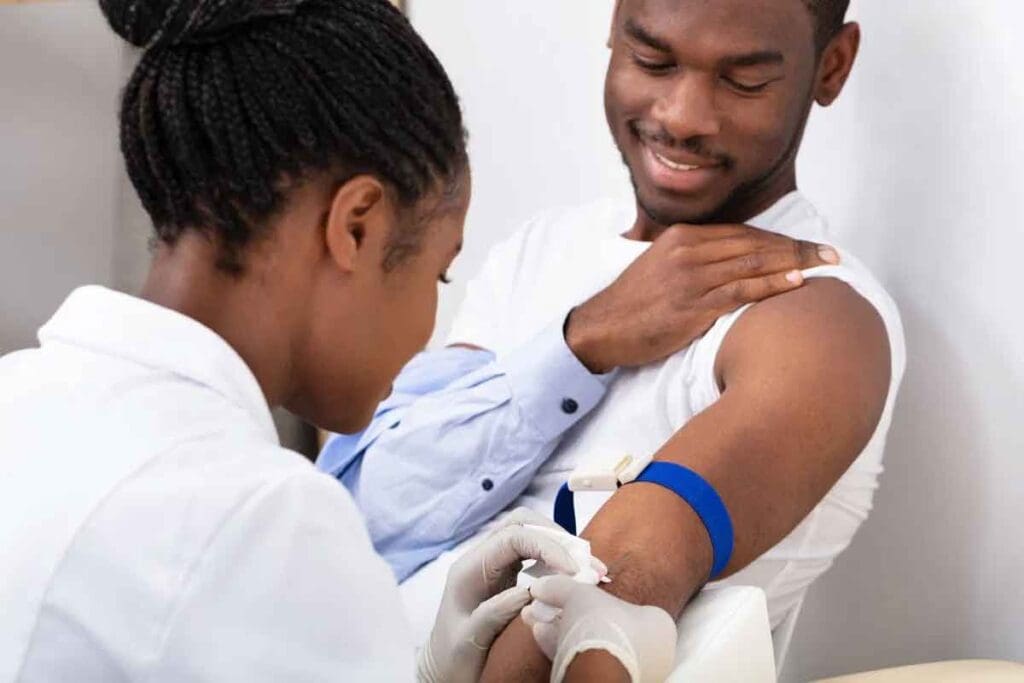
To understand high hemoglobin levels, we first need to know what hemoglobin is. It’s a protein in red blood cells that carries oxygen. This is key for our body’s tissues and organs to work right.
What Is Hemoglobin and Normal Ranges
Hemoglobin levels are measured in grams per deciliter (g/dL) of blood. These levels change based on age, sex, and altitude. For adult men, normal levels are between 13.8 and 17.2 g/dL. For women, it’s between 12.1 and 15.1 g/dL.
Key factors that influence hemoglobin levels include:
- Age: Hemoglobin levels can change with age.
- Sex: Men generally have higher hemoglobin levels than women.
- Altitude: People living at high altitudes may have higher hemoglobin levels due to lower oxygen levels in the air.
Defining Erythrocytosis and Polycythemia
Erythrocytosis and polycythemia are conditions with high hemoglobin levels. Erythrocytosis means more red blood cells, which raises hemoglobin. Polycythemia is when all blood cells increase, not just red ones. Both can make blood thicker, causing circulation issues.
It’s important to know about these conditions. They can lead to serious health problems, like blood clots and heart issues.
12 Key High Hb Symptoms and Warning Signs
High hemoglobin levels can cause many symptoms that affect our daily lives. It’s important to know these signs to manage high hemoglobin well. We will look at the main symptoms of high hemoglobin, helping you spot warning signs.
1. Persistent Headaches and Pressure
High hemoglobin often leads to headaches. The blood’s increased thickness can reduce blood flow and oxygen to the brain. This causes headaches and pressure feelings.
2. Dizziness and Vertigo Sensations
Dizziness and vertigo can also happen with high hemoglobin. The blood’s thickening can harm circulation. This affects the inner ear and balance, causing dizziness and vertigo.
3. Unusual Fatigue and Weakness
Even with more oxygen, some people with high hemoglobin feel unusually tired and weak. This might be due to the reasons for high hemoglobin or the body’s strain.
4. Itchy Skin (Pruritus) After Bathing
Itchy skin, or pruritus, after bathing is another symptom of high hemoglobin. This is believed to be caused by the release of histamine from more basophils in the blood.
These symptoms can be severe and greatly affect our daily lives. Knowing and recognizing these signs is key to getting the right medical care.
Common Causes and Risk Factors for High Hemoglobin
Knowing why hemoglobin levels are high is key to managing it. High hemoglobin, or erythrocytosis, can be caused by many health issues and lifestyle choices. We’ll dive into these causes to help you understand better.
Medical Conditions That Elevate Hemoglobin
Many health problems can cause high hemoglobin levels. These include:
- Chronic Obstructive Pulmonary Disease (COPD): This condition leads to low oxygen, making the body make more red blood cells.
- Heart Failure: When the heart doesn’t pump well, it makes more red blood cells.
- Polycythemia Vera: A rare disorder where the body makes too many red blood cells.
- Kidney Disease: Some kidney issues cause too much of a hormone that makes red blood cells.
Lifestyle Factors Contributing to High Hb
Our lifestyle also affects hemoglobin levels. These include:
- Smoking: It lowers oxygen to tissues, making the body make more red blood cells.
- High Altitude: Living high up means less oxygen, so the body makes more red blood cells.
- Dehydration: It can make hemoglobin readings seem higher than they are.
Can Dehydration Cause High Hemoglobin?
Dehydration can make hemoglobin seem higher. This is because without enough fluids, red blood cells seem more concentrated. This is something to think about when checking hemoglobin levels.
Treatment Approaches for Different Causes
Treatment for high hemoglobin depends on why it’s happening. For example:
- Medical Conditions: Fixing the underlying issue, like managing COPD or heart failure, can lower hemoglobin levels.
- Lifestyle Changes: Stopping smoking and drinking more water can also help.
- Polycythemia Vera: Treatment might include removing blood to lower the red blood cell count.
It’s important to talk to a doctor to figure out the best treatment for high hemoglobin.
High Hemoglobin Side Effects and Complications
High hemoglobin levels can cause serious health problems if not treated. High hemoglobin can lead to issues in different parts of the body. We will look at the side effects and complications of high hemoglobin levels.
Blood Thickening and Circulation Problems
High hemoglobin can make blood thicker, known as hyperviscosity. This can cause circulation problems because the heart has to work harder to move blood.
This can lead to symptoms like:
- Dizziness and lightheadedness
- Headaches
- Fatigue
- Cold hands and feet
Increased Risk of Blood Clots and Stroke
Thickened blood is more likely to clot. This can cause serious problems. Blood clots can form in the legs or travel to the lungs, leading to a stroke if they reach the brain.
High hemoglobin levels increase the risk of blood clots and stroke. It’s important to monitor and manage high hemoglobin levels.
Heart Strain and Cardiovascular Complications
The heart works harder with thick blood, leading to heart strain. This can cause cardiovascular problems over time, including:
- Hypertension
- Heart failure
- Cardiac arrhythmias
Managing high hemoglobin is key to avoiding these heart problems.
When to Seek Emergency Medical Attention
It’s important to know when to seek emergency care. If you have symptoms like:
- Severe chest pain
- Sudden numbness or weakness
- Difficulty speaking
- Severe headache
You should go to the emergency room. These could be signs of a heart attack, stroke, or other serious conditions.
Understanding the risks of high hemoglobin is vital for managing and preventing serious health issues. By recognizing the risks and taking action, individuals can reduce the effects of high hemoglobin.
Conclusion: Managing and Monitoring High Hb Levels
We’ve looked into high hemoglobin (Hb) levels, including symptoms, causes, and risks. It’s important to know the symptoms of high hemoglobin levels early. This helps in getting the right treatment quickly.
To manage high hemoglobin, you need to treat the root cause. Sometimes, you might need to lower your hemoglobin levels. Knowing the high hemoglobin count symptoms helps you get medical help fast. This reduces the chance of serious problems.
Understanding the reasons and signs helps you and your doctor create a treatment plan. It’s vital to manage high hemoglobin well. This prevents long-term health issues and improves your life quality.
Regular check-ups and care are key to controlling high hemoglobin levels. We suggest staying informed and working with your doctor. This way, you can manage your condition effectively.
FAQ
What is considered a high hemoglobin level?
For men, high hemoglobin is above 17.5 g/dL. For women, it’s above 16 g/dL. But these numbers can change based on the lab.
Can dehydration cause high hemoglobin?
Yes, dehydration can make hemoglobin levels seem higher. This happens because it makes the blood cells more concentrated.
What are the symptoms of high hemoglobin?
Signs include headaches, dizziness, and feeling very tired. Itchy skin and other symptoms can also show high hemoglobin levels.
What are the risks associated with high hemoglobin levels?
High hemoglobin can make blood thicker. This raises the risk of blood clots, stroke, and heart problems.
How is high hemoglobin treated?
Treatment varies based on the cause. It might include fixing the underlying issue, changing your lifestyle, or phlebotomy to lower red blood cells.
What lifestyle factors contribute to high hemoglobin levels?
Smoking, high altitudes, and some medicines can raise hemoglobin levels.
What medical conditions can cause high hemoglobin?
Polycythemia vera, kidney disease, and tumors can increase hemoglobin levels.
How does polycythemia vera affect hemoglobin levels?
Polycythemia vera causes the bone marrow to make too many red blood cells. This raises hemoglobin levels.
Can high hemoglobin levels cause itchy skin?
Yes, itchy skin, or pruritus, is a symptom of high hemoglobin. It often happens after bathing or showering.
When should I seek medical attention for high hemoglobin symptoms?
Seek emergency care for severe symptoms like trouble breathing, chest pain, or severe headaches.
Are there any long-term complications of untreated high hemoglobin?
Yes, untreated high hemoglobin can lead to serious problems like stroke and heart attack.
How can I manage high hemoglobin levels?
Management includes treating the cause, making lifestyle changes, and sometimes phlebotomy to lower red blood cells.
References
- Desnoyers, A., & Gaudet, M. (2018). Retrospective study of high hemoglobin levels in 56 patients. Clinical Case Reports, 6(6), 1161–1167. https://www.ncbi.nlm.nih.gov/pmc/articles/PMC7155863/



 Departments
 Related Videos
 Our Doctors
 News
News