
Back pain is a big problem worldwide, affecting millions. It makes daily life hard and lowers our quality of life. At Liv Hospital, we get how complex back pain is and how it can spread to other areas, like the hip.
A herniated or bulging disc in the lumbar spine can press on nerves that reach the hip, groin, or leg. This can cause hip pain. Our team of experts offers reliable, patient-focused solutions for those looking for answers and relief.
We’ll look into how lumbar disc problems can lead to hip pain. We’ll talk about why getting the right diagnosis and treatment is key. Our conversation will be backed by the latest medical studies and expert advice.
Key Takeaways
- Herniated or bulging discs can cause hip pain by compressing or irritating nerves.
- Proper diagnosis is key to find out why hip pain happens.
- There are treatments to help ease hip pain from lumbar disc problems.
- Our expert teams offer patient-focused solutions for those seeking relief.
- Liv Hospital is dedicated to top-notch healthcare with full support.
Understanding the Relationship Between Spinal Discs and Hip Pain
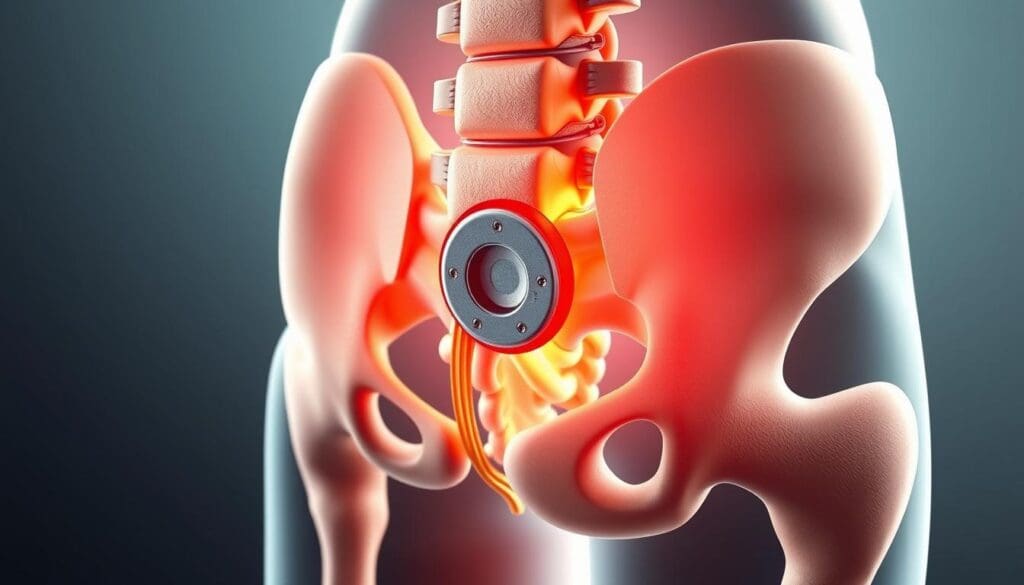
The spine and hip are connected by nerves. Problems with spinal discs can cause pain in the hip. Knowing how spinal discs work is key to understanding this connection.
The Anatomy of Spinal Discs and Their Function
Spinal discs are vital for the spine. They act as shock absorbers between vertebrae. The discs have a tough outer layer and a soft center.
The main functions of spinal discs include:
- Absorbing shock and distributing pressure
- Facilitating spinal flexibility and movement
- Maintaining spinal stability
How Spinal Issues Can Manifest as Hip Pain
Damage to spinal discs can irritate nerves. These nerves send pain signals to the hip. The L4-L5 region is often affected, causing pain and numbness in the hip.
Nerve pathways from the spine to the hip are important for diagnosing hip pain. Knowing these pathways helps in treating the pain.
| Spinal Disc Condition | Possible Symptoms | Common Nerve Roots Affected |
|---|---|---|
| Herniated Disc | Pain, numbness, weakness in lower back and hip | L4, L5 |
| Bulging Disc | Pain, stiffness in lower back and hip | L4, L5 |
| Degenerated Disc | Chronic pain, reduced mobility | Variable |
Understanding spinal discs and their role in hip pain is essential. The connection between the spine and hip involves nerve pathways and pain mechanisms.
Can a Herniated Disc Cause Hip Pain? The Scientific Connection

To understand how herniated discs cause hip pain, we need to look at nerve paths from the lumbar spine to the hip. The lumbar spine has discs, vertebrae, and nerves that reach the lower legs.
Nerve Pathways from the Lumbar Spine to the Hip
Nerves from the lumbar spine send pain signals to the hip. The L2, L3, and L4 nerve roots are key. When these nerves are compressed or irritated, hip pain can occur.
The sciatic nerve, made from L4, L5, and S1 nerve roots, also plays a role. It’s known for lower back and leg pain but can also cause hip pain when irritated.
Research Evidence on Disc Problems and Referred Hip Pain
Studies show that disc issues, like herniated discs, can cause hip pain. Patients with lumbar disc herniation often feel pain in the hip and groin. This pain usually comes from nerve root compression or irritation.
One study found that L2, L3, or L4 nerve root compression leads to hip and groin pain. This research supports the link between herniated discs and hip pain. It shows why spinal disc problems should be considered when diagnosing hip pain.
Knowing about nerve paths and research helps us diagnose and treat hip pain from herniated discs. This knowledge is key for creating effective treatment plans that tackle the pain’s source.
Types of Disc Problems That May Lead to Hip Pain
Different disc problems can cause hip pain. Knowing these issues is important for treatment. Problems in the lower back can lead to hip pain because of the nerves connecting them.
Herniated Discs vs. Bulging Discs vs. Slipped Discs
Herniated, bulging, and slipped discs are often confused, but they’re different. A herniated disc happens when the soft center leaks out. A bulging disc bulges without a tear. A slipped disc is another name for a herniated disc, but it’s not accurate.
The main difference is in the damage and how it affects nerves. These issues can irritate nerves, causing hip pain.
The L4-L5 Region: A Common Culprit for Hip Pain
The L4-L5 area of the spine is often affected by disc problems. Its high mobility and stress make it prone to issues. When problems occur here, they can irritate nerves going to the hips, causing pain.
Common symptoms of disc problems leading to hip pain include:
- Pain from the lower back to the hips
- Numbness or tingling in the hips or legs
- Weakness in hip muscles
Specific Nerve Root Compression and Hip Pain Patterns
Specific nerve root compression can lead to distinct hip pain patterns. This is key for effective treatment. We will look at how different nerve roots affect hip pain, focusing on L2-L4 and L4-L5.
L2-L4 Nerve Root Compression and Groin Pain
Nerve root compression in the L2-L4 region can cause groin pain. This pain is often linked to sciatica and hip pain. It’s important to understand this connection to diagnose hip pain correctly.
The L2-L4 nerve roots control many functions in the lower extremities. Compression here can cause pain, numbness, and weakness. To relieve hip pain, it’s often necessary to address the nerve compression.
L4-L5 and L5-S1 Compression Effects on Hip Function
Compression at the L4-L5 and L5-S1 levels can greatly affect hip function. These areas are prone to disc herniation, which can compress nerves. This can cause pain in the hip, making it hard to move.
Those with back and hip pain from L4-L5 or L5-S1 compression may find relief in treatments like physical therapy and medication. Knowing which nerve root is involved is key to creating an effective treatment plan.
| Nerve Root Compression Level | Common Pain Patterns | Impact on Hip Function |
|---|---|---|
| L2-L4 | Groin pain, anterior thigh pain | Weakness in hip flexion |
| L4-L5 | Lateral hip pain, radiating to the thigh | Impaired hip abduction |
| L5-S1 | Posterior hip pain, radiating to the leg | Reduced hip extension strength |
Understanding the specific nerve root compression and its effects on hip pain is vital. Healthcare providers can then create targeted treatment plans for better hip pain relief.
Recognizing Symptoms of Disc-Related Hip Pain
Disc-related hip pain shows up in many ways. It’s important to know its signs. This condition is often misdiagnosed, so understanding it well is key.
Characteristic Pain Patterns and Sensations
Pain from disc-related hip issues varies a lot. People might feel a dull ache or sharp pain in their hip. This pain can spread to the groin or down the leg.
The pain’s pattern often shows which nerve is affected by the herniated disc. For example, pain from the L4-L5 nerve root might go down to the knee or lower leg.
Activities like bending, lifting, or twisting can make the pain worse. Resting can help it feel better. Knowing these patterns helps doctors diagnose the issue.
Neurological Symptoms: Numbness, Weakness, and Tingling
Many people with disc-related hip pain also have neurological symptoms. These include numbness, weakness, or tingling in the leg. These symptoms suggest nerve compression or irritation.
Numbness or tingling in the thigh or leg might mean the lumbar nerve roots are compressed. Weakness in the leg muscles can also happen. This can make it hard to move and do everyday tasks.
Differentiating Disc-Related Hip Pain from Other Hip Conditions
Telling disc-related hip pain from other hip issues is hard but important. Conditions like osteoarthritis, tendinitis, or hip fractures can have similar symptoms. Imaging studies like MRI are often needed to find the real cause of hip pain.
| Condition | Common Symptoms | Diagnostic Clues |
|---|---|---|
| Disc-Related Hip Pain | Pain radiating to groin or leg, numbness, weakness | Positive nerve root compression signs, MRI findings |
| Osteoarthritis | Joint pain, stiffness, limited mobility | X-ray evidence of joint degeneration |
| Tendinitis | Pain on movement, tenderness | Localized tenderness, ultrasound findings |
A medical expert says, “Getting the right diagnosis is key to treating hip pain. A detailed history and the right imaging are vital to tell different hip pain causes apart.”
“Understanding disc-related hip pain’s complex signs and telling it from other hip issues through a detailed diagnosis is the way to manage it.”
Getting a correct diagnosis is critical. MRI and other tests help tell apart hip disc problems from true hip joint issues. Chronic back pain can really affect daily life, making it hard to move and causing emotional stress.
The Diagnostic Process for Disc-Related Hip Pain
Figuring out the cause of disc-related hip pain takes a detailed approach. We look at medical history, physical checks, and use advanced imaging. Knowing the exact cause is key to finding the right treatment.
Physical Examination Techniques
First, we do a thorough physical check to find out about hip pain. We check how flexible you are and where it hurts. We also look at muscle strength and if nerves are being pressed.
- Range of motion tests to evaluate flexibility and pain triggers
- Muscle strength assessments to identify possible weaknesses
- Neurological examinations to check for nerve compression or damage
Imaging Studies: MRI, CT Scans, and X-rays
Imaging tests are very important for finding out about hip pain. We often suggest:
- MRI (Magnetic Resonance Imaging): Shows detailed pictures of soft tissues like discs and nerves.
- CT Scans (Computed Tomography): Gives clear views of bones and can spot problems like bone spurs.
- X-rays: Helps see bone alignment and any wear and tear.
These tests let us see the spine and hip clearly. This helps us make a precise diagnosis.
Differential Diagnosis Procedures
It’s important to rule out other reasons for hip pain. We look at things like osteoarthritis and muscle strains. By combining what we find and imaging results, we can pinpoint disc-related hip pain. Then, we can plan the right herniated disc treatment.
Getting the diagnosis right is key for hip pain relief. Knowing the cause lets us tailor treatment to fit your needs. This way, we can help you feel better.
Non-Surgical Treatment Options for Herniated Disc Hip Pain
Managing herniated disc hip pain without surgery is a multi-faceted approach. We look at non-surgical treatments that can help. These options can improve your quality of life.
Physical Therapy Approaches and Exercises
Physical therapy is key in treating herniated disc hip pain. It includes exercises and techniques made for each person. Our physical therapists create a plan that may include stretching, strengthening, and aerobic exercises.
These exercises aim to improve mobility and reduce pain. They are tailored to your condition.
Some exercises you might do include:
- Pelvic tilts to help stabilize the lower back
- Knee to chest stretches to relieve tension
- Hamstring stretches to improve flexibility
Medication Management Strategies
Medication is important in managing herniated disc pain. We consider different options, like over-the-counter pain relievers and muscle relaxants. Sometimes, corticosteroid injections are used too.
The goal is to reduce pain and inflammation. This makes it easier for you to do physical therapy and daily activities.
| Medication Type | Purpose | Examples |
|---|---|---|
| Over-the-counter pain relievers | Reduce pain and inflammation | Ibuprofen, Acetaminophen |
| Muscle relaxants | Relieve muscle spasms | Cyclobenzaprine |
| Corticosteroid injections | Reduce inflammation | Triamcinolone |
Alternative Therapies and Their Effectiveness
Alternative therapies can also help with herniated disc hip pain. These include acupuncture, chiropractic care, and massage therapy. Many patients find these therapies helpful in managing their symptoms.
For example, acupuncture uses fine needles to stimulate healing and pain relief. Chiropractic care focuses on spinal manipulation to improve alignment. Massage therapy relaxes tense muscles and improves circulation.
By combining these treatments, we can create a detailed plan for patients with herniated disc hip pain.
When Surgery Becomes Necessary: Surgical Interventions
When other treatments don’t work, surgery can help with herniated disc hip pain. It’s considered when the condition really affects a person’s life.
“Surgery is typically recommended when there is significant nerve compression causing severe pain, weakness, or numbness in the leg.” This is often when symptoms like loss of bladder or bowel control happen, or when the spine is unstable.
Indicators That Surgery May Be Required
Some signs show surgery might be needed for herniated disc hip pain. These include:
- Severe pain that doesn’t get better with other treatments
- Significant neurological deficits, such as weakness or numbness
- Loss of bladder or bowel control
- Significant spinal instability
Talking to a healthcare professional is key to figure out the best treatment. Spine specialists say,
“The decision to undergo surgery is typically made after a thorough evaluation of the patient’s condition and a trial of conservative management.”
Common Surgical Procedures for Herniated Discs
There are several surgeries for herniated discs:
| Procedure | Description |
|---|---|
| Discectomy | Removal of the herniated disc material compressing the nerve |
| Laminectomy | Removal of part or all of the vertebra (lamina) to relieve pressure on the spinal cord or nerves |
| Spinal Fusion | Fusing two or more vertebrae together to stabilize the spine |
Each surgery has its own use and benefits. The right surgery depends on the patient’s specific situation.
Recovery and Rehabilitation After Disc Surgery
Recovery from disc surgery varies. Generally, patients can expect:
- Initial recovery at home with limited activity
- Physical therapy to regain strength and mobility
- Gradual return to normal activities over several weeks to months
Following post-operative instructions carefully is key for a smooth recovery. As with any surgery, there are risks and complications. These should be talked about with a healthcare provider.
Self-Care Strategies for Managing Disc-Related Hip Pain
Managing disc-related hip pain can be done with the right self-care steps. It’s important to use both medical treatments and lifestyle changes. This approach helps a lot.
Home Exercises and Stretches
Doing certain exercises and stretches can help with hip pain. We suggest these to make your muscles stronger and more flexible.
- Piriformis Stretch: This stretch targets the piriformis muscle, which runs from the base of the spine to the top of the thigh bone. Tightness in this muscle can make hip pain worse.
- Knee to Opposite Shoulder: This exercise stretches the lower back and gluteal muscles, helping to ease pain.
- Cat-Cow Stretch: A gentle stretch that keeps the spine flexible and reduces stiffness.
Lifestyle Modifications to Reduce Pain
Changing your lifestyle can also help with hip pain. Here are some tips to lessen discomfort.
| Lifestyle Change | Benefit |
|---|---|
| Maintaining a Healthy Weight | Reduces pressure on the spine and hips |
| Regular Exercise | Improves strength and flexibility, reducing pain |
| Good Posture Practices | Minimizes strain on the lower back and hips |
By adding these self-care steps to your daily routine, you can manage hip pain better. This will also improve your overall life quality.
Multidisciplinary Approaches to Treating Herniated Disc Hip Pain
Dealing with herniated disc hip pain needs a team effort. At Liv Hospital, we use a mix of medical fields to help our patients. This way, we offer a complete care plan.
Managing chronic back pain is a team job. It includes doctors, physical therapists, chiropractors, and more. Working together, we tackle all parts of a patient’s pain, leading to better results.
The Role of Different Specialists in Your Care Team
Our team has many experts working together. Orthopedic specialists and neurologists help find and fix herniated discs. Physical therapists help patients get stronger and move better with exercises and therapies.
Medical experts say,
“A team-based approach to managing chronic pain has been shown to improve patient outcomes and reduce healthcare costs.”
Liv Hospital’s Integrated Treatment Protocols
Liv Hospital follows the latest care standards. We use many treatments, from non-surgical methods to surgery. Our goal is to give each patient the best care for herniated disc hip pain.
We combine the skills of many specialists and use the latest treatments. This way, we aim for the best results for our patients. Our focus on quality care shows in how we treat herniated disc hip pain.
Conclusion: Living Well Despite Disc-Related Hip Pain
Managing disc-related hip pain needs a full plan, starting with the right diagnosis and treatment. Knowing the causes and how to treat herniated disc hip pain helps patients live better. They can improve their life quality.
We talked about how spinal discs and hip pain are connected. It’s key to get a correct diagnosis through medical history, physical checks, and scans. Treating disc-related hip pain often means using many methods. This includes physical therapy, medicine, and sometimes surgery.
At Liv Hospital, we focus on a team effort for treatment. We bring together experts for a complete care plan. This way, patients can feel better and move more easily.
Living well with disc-related hip pain is doable with the right care and support. We urge patients to get professional advice. This helps them create a plan to manage their condition and feel better overall.
Can a herniated disc cause hip pain?
Yes, a herniated disc can cause hip pain. The disc can press on nerves, leading to pain in the hip.
What are the common symptoms of disc-related hip pain?
Symptoms include pain in the hip or groin, numbness, and weakness. You might also feel tingling in the leg. Pain gets worse with certain movements.
How is disc-related hip pain diagnosed?
Doctors use a physical exam, MRI or CT scans, and other tests. They rule out other causes of hip pain.
What are the treatment options for herniated disc hip pain?
Treatments include physical therapy, medicine, and alternative therapies. Sometimes, surgery is needed. A team works together to find the best plan.
Can exercises help alleviate disc-related hip pain?
Yes, exercises can help. They improve flexibility, strengthen muscles, and reduce pressure on the disc.
When is surgery necessary for a herniated disc?
Surgery is needed if other treatments don’t work. It’s also needed for severe nerve compression, like weakness or loss of bladder control.
What lifestyle modifications can help reduce disc-related hip pain?
Keeping a healthy weight, good posture, and regular exercise help. Avoid heavy lifting or bending.
How can Liv Hospital’s integrated treatment protocols help manage herniated disc hip pain?
Liv Hospital’s team works together to create a plan for each patient. This ensures a complete approach to managing herniated disc hip pain.
References
NCBI Bookshelf (National Library of Medicine): Lumbar Disc Herniation