Potassium is an essential mineral and electrolyte that our bodies cannot make. The National Institutes of Health say it’s key for health. It helps with nerve signals, muscle control, and heart function.how can i raise my potassiumCan Kids Get Kidney Stones?
Many people don’t get enough potassium from their food. While bananas are known for it, foods like potatoes, spinach, beans, and dried fruits have more. These foods are good for your heart.
At Liv Hospital, we know how important good food choices are. This article will show you the best foods to eat for more potassium. It’s all about keeping you healthy.
Key Takeaways
- Potassium is vital for health, helping with many body functions.
- Many whole foods are rich in potassium, not just bananas.
- Eating more potassium can help your heart and overall health.
- What you eat affects how much potassium you get.
- Potassium-rich foods include potatoes, spinach, beans, and dried fruits.
The Essential Role of Potassium in Your Body
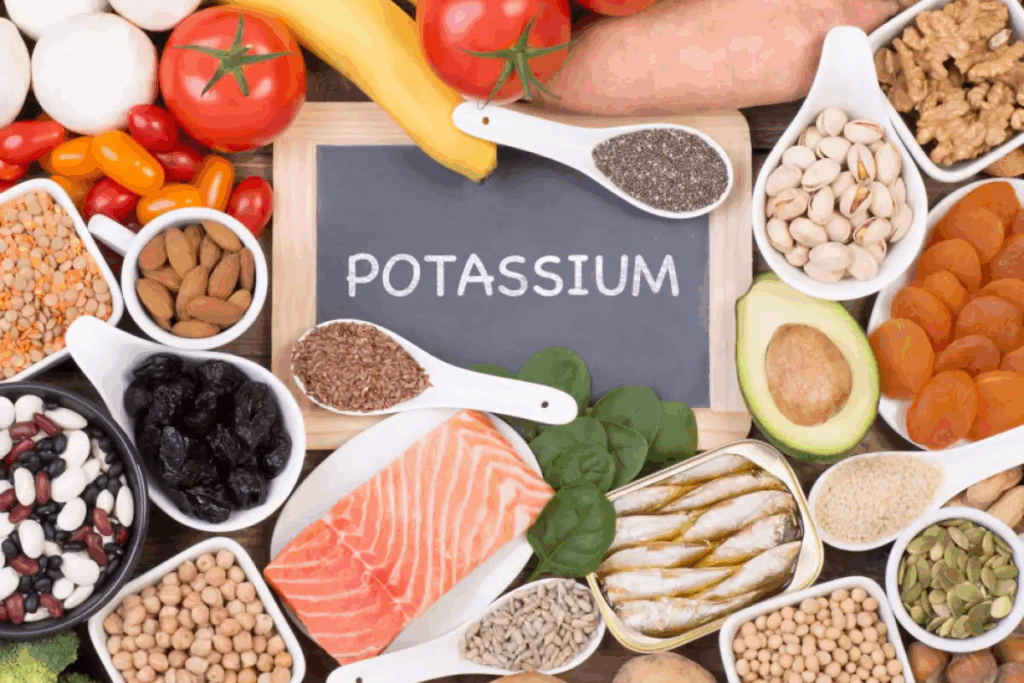
Our bodies need enough potassium for many important functions. This includes nerve signals and muscle control. Potassium is a mineral we can’t make ourselves, so we must eat foods that have it.
Why Your Body Can’t Produce Potassium
Potassium isn’t made by our bodies like some other nutrients. So, we need to eat foods that are rich in potassium. Foods that are high in potassium include fruits, vegetables, and legumes.
Some of the best sources of potassium are:
- Leafy greens like spinach
- Fruits such as bananas and apricots
- Root vegetables like potatoes and sweet potatoes
- Legumes, including white beans and lentils
Key Functions in Nerve Transmission and Muscle Control
Potassium is key for nerve signals and muscle contractions. It helps control the heart’s electrical activity. Eating enough potassium helps muscles work right and prevents cramps.
Research shows potassium helps in:
- Regulating nerve signals
- Controlling muscle contractions
- Maintaining healthy heart function
How Potassium Affects Heart Function
Potassium is important for a healthy heart rhythm. It balances sodium and lowers blood pressure. Studies show eating enough potassium can lower heart disease and stroke risks.
A study in the Journal of the American Heart Association found eating foods like avocados can lower heart disease risk. This shows why we should eat potassium-rich foods often.
To wrap it up, potassium does a lot for us. It helps with nerve signals, muscle control, and heart health. Eating enough potassium is key for staying healthy.
America’s Potassium Problem: Are You Getting Enough?
The United States faces a big problem with not getting enough potassium. Potassium is key for keeping blood pressure healthy and supporting other body functions.
The 4700mg Daily Recommendation
The Centers for Disease Control and Prevention say we need foods high in potassium for blood pressure. We should aim for 4700 milligrams of potassium each day. It’s tough, but it’s vital for our health.
Here’s a look at some foods high in potassium and how much they have:
Food | Potassium Content (mg) |
Medium Potato with Skin | 940 |
Cooked Spinach (1 cup) | 839 |
Banana (1 medium) | 422 |
Why Most Americans Only Get Half the Potassium They Need
Most Americans only get about half of the 4700 milligrams they need each day. This is a big worry, as not enough potassium can cause health problems.
“A diet rich in potassium can help lower blood pressure, reduce the risk of cardiovascular disease, and prevent kidney stones.”
Risk Factors for Low Potassium Levels
Some people are more likely to have low potassium levels. These include those who:
- Eat a diet low in potassium-rich foods
- Have kidney disease
- Take medications that affect potassium
Health Benefits of Optimal Potassium Intake
Getting enough potassium is key for our health. It helps our bodies work well. Eating foods rich in potassium is important for our well-being.
Blood Pressure Regulation and Cardiovascular Protection
Potassium helps control blood pressure. The National Institutes of Health say it balances sodium’s effects. This can lower the risk of heart disease and stroke.
Potassium also benefits our heart in other ways:
- It lowers blood pressure by fighting sodium’s effects
- It reduces the risk of heart disease and stroke
- It supports heart function
Kidney and Bone Health Advantages
Potassium is good for our kidneys and bones. It can lower the risk of kidney stones and help keep bones strong. This might prevent osteoporosis.
The benefits of potassium for our kidneys and bones are:
- It helps keep calcium in bones, supporting bone density
- It lowers the risk of kidney stones
- It supports kidney function
Hormone Regulation and Metabolic Benefits
Potassium also helps with hormone balance and metabolism. It keeps fluid balance right. This supports our metabolic health.
Some metabolic benefits of enough potassium are:
- It helps with fluid balance
- It aids in hormone regulation
- It boosts metabolic health
Knowing how potassium benefits us helps us eat right. Next, we’ll look at the best foods for potassium and how to add them to our meals.
Potassium Powerhouse Vegetables
Vegetables are great sources of potassium. They offer a natural way to meet your body’s needs. Adding them to your diet can be tasty and good for your health.
Potatoes with Skin: 940mg Per Medium Potato
A medium baked potato with skin has about 940 milligrams of potassium. This is roughly one-fifth of what you need daily. The USDA says potatoes are among the top potassium-rich veggies. Make sure to eat them with their skin on for the most potassium.
Spinach: 839mg Per Cooked Cup
Spinach is very high in potassium. One cooked cup has about 839 milligrams. It’s easy to add spinach to many dishes, like salads or pasta sauces. This makes it simple to increase your potassium.
Sweet Potatoes and Other Root Vegetables
Sweet potatoes are also packed with potassium, best when eaten with their skin. Other root veggies, like carrots and beets, have potassium too, but less. You can steam, roast, or boil these to make tasty, healthy sides.
Here’s a table to show the potassium in different veggies:
Vegetable | Potassium Content (mg) | Serving Size |
Potato with skin | 940 | 1 medium |
Spinach | 839 | 1 cooked cup |
Sweet Potato | 542 | 1 medium |
Carrots | 390 | 1 cup, chopped |
Beets | 518 | 1 cup, cooked |
Adding these potassium-rich veggies to your diet is easy and fun. By mixing them into your meals, you can easily meet your daily potassium needs.
Fruits That Can Help You Raise Your Potassium Levels
Fruits are a tasty way to boost your potassium levels. Adding different fruits to your meals can make sure you get enough potassium.
Dried Apricots: 755mg in Just Half a Cup
Dried apricots pack a lot of potassium, with 755 milligrams in half a cup. They’re a great snack for your health. Dried fruits are also full of fiber and antioxidants, making them even better.
Bananas and Other Fresh Fruits
Bananas are famous for their potassium. But, the amount can change with ripeness and size. A medium banana has about 422 milligrams of potassium, says the USDA. Oranges, grapefruits, and avocados are also good for potassium.
Fruit Juices and Smoothies for Potassium Intake
Fruit juices and smoothies are tasty ways to get more potassium. Orange juice is a good choice. Mixing bananas and avocados in smoothies makes a drink full of nutrients.
Fruit | Potassium Content (mg) | Serving Size |
Dried Apricots | 755 | Half Cup |
Banana | 422 | Medium |
Orange Juice | 496 | 1 Cup |
Avocado | 708 | 1 Medium |
Adding these fruits to your diet can add flavor and support your health and potassium levels.
Legumes and Beans: Superior Sources of Potassium
Legumes and beans are great for boosting potassium. They are full of protein, fiber, and other nutrients. Adding them to your diet is a smart move for health.
White Beans: 829mg Per Cup
White beans are a top choice for potassium. A cup of white beans has about 829 milligrams of potassium. They also have fiber, protein, and folate, making them very nutritious.
Other Bean Varieties and Their Potassium Content
Other beans like kidney beans, black beans, and lima beans are also good for potassium. The USDA says they help with digestion and heart health too.
Simple Ways to Include More Beans in Your Diet
It’s easy to add beans to your meals. Here are some ideas:
- Add white beans to soups or stews for potassium.
- Use black beans or kidney beans in salads or tacos.
- Make a bean chili or a bean salad.
- Try different beans in your cooking to keep things interesting.
By eating more beans, you can meet your potassium needs. This supports your health in many ways.
How Can I Raise My Potassium Through Other Food Groups?
We can find potassium in foods beyond the usual ones. Other food groups also help us meet our daily potassium needs. This includes foods from different categories that are rich in potassium.
Dairy Products and Alternatives
Dairy products are great for a potassium-rich diet. A cup of milk has about 366mg of potassium. Yogurt also has a lot, with one cup giving you around 380mg.
If you can’t have dairy, soy milk and almond milk are good alternatives. Some brands add extra potassium to these non-dairy options.
Dairy products and their potassium content:
- Milk (1 cup): 366mg
- Yogurt (1 cup): 380mg
- Cheese (varies by type): 28-100mg per ounce
Nuts, Seeds, and Their Potassium Benefits
Nuts and seeds are full of healthy fats and potassium. Some top choices include:
- Pistachios: 291mg per ounce
- Almonds: 718mg per cup
- Sunflower seeds: 918mg per cup
- Chia seeds: 993mg per cup
Eating a mix of nuts and seeds can help you get enough potassium. They also offer other health benefits.
Whole Grains and Fortified Foods
Whole grains like brown rice, quinoa, and whole-wheat bread add potassium to your diet. The amount of potassium varies based on the grain and how it’s prepared.
Fortified foods, like some breakfast cereals, are also good for potassium. They make it easy to increase your intake.
Examples of whole grains and their potassium content:
- Brown rice (1 cup cooked): 154mg
- Quinoa (1 cup cooked): 318mg
- Whole-wheat bread (1 slice): 57mg
Creating a Balanced Potassium-Rich Meal Plan
To get enough potassium, plan your meals with foods high in it. The Academy of Nutrition and Dietetics suggests eating a variety of these foods. This helps meet the daily goal of 4700mg.
Breakfast Options That Boost Potassium
Start your day with foods that are rich in potassium. Add bananas, avocados, and spinach to your breakfast.
- Banana Oatmeal: Mix cooked oatmeal with sliced bananas and nuts for potassium.
- Avocado Toast: Spread mashed avocado on whole-grain bread. Add a fried egg or spinach for more nutrition.
- Spinach Smoothie: Blend spinach with fruits and milk or yogurt for a nutritious breakfast.
Potassium-Packed Lunch and Dinner Ideas
For lunch and dinner, choose foods like potatoes, sweet potatoes, and legumes. They’re not just high in potassium but also in other nutrients.
Food | Potassium Content (mg) |
Medium Potato with Skin | 940 |
Cooked White Beans (1 cup) | 829 |
Cooked Spinach (1 cup) | 839 |
Smart Snacking for Steady Potassium Intake
Snack on foods high in potassium between meals. Choose dried apricots, oranges, and almonds for healthy snacks.
- Dried Apricot Snack: Enjoy a handful of dried apricots for a quick, nutritious snack.
- Orange Slices: Snack on fresh orange slices for a refreshing potassium boost.
- Almond Trail Mix: Mix almonds with other nuts and dried fruits for a potassium-rich trail mix.
By adding these foods to your meals, you’ll meet your daily potassium needs. This supports your overall health.
Cooking Methods That Maximize Potassium Retention
To get more potassium, it’s key to know how cooking methods affect it. Potassium is a mineral that dissolves in water. This means it can be lost when foods are boiled.
Steaming vs. Boiling: What Research Shows
A study in the Journal of Food Science found steaming keeps more potassium in veggies than boiling. Steaming uses less water and cooks food quicker, which helps keep more potassium.
Steaming: Steaming is great for keeping potassium. For example, steaming broccoli for 5 minutes can keep up to 90% of its potassium.
Boiling: Boiling can cause a big loss of potassium, mainly if you throw away the cooking water. But, using the water in soups or stews can help keep some potassium.
“Steaming vegetables is a simple yet effective way to maximize potassium retention in your diet.”
Food Combinations That Enhance Absorption
Mixing foods high in potassium with other nutrient-rich foods can boost nutrient absorption. For example, eating foods high in vitamin C (like citrus fruits or bell peppers) with foods high in potassium can help the body absorb more potassium.
- Pair bananas with almonds and a drizzle of honey for a potassium-rich snack.
- Add spinach to your omelets or salads to boost potassium intake.
- Combine cooked potatoes with steamed vegetables and a source of vitamin C for a balanced meal.
Meal Prep Tips for Busy Lifestyles
Preparing meals ahead can help keep potassium levels up, even when you’re busy. Here are some tips:
- Steam a large batch of vegetables on the weekend and store them in the refrigerator for up to 3 days.
- Make a potassium-rich soup with white beans, potatoes, and spinach, and freeze it in portions.
- Keep a bowl of fresh fruit (like bananas and oranges) on your counter as a quick potassium-rich snack.
By using these cooking methods and meal prep tips, we can boost our potassium intake and support our health.
Potassium Supplements: When Food Isn’t Enough
Some people might need potassium supplements due to health issues. Getting nutrients from food is best, but sometimes supplements are needed. This is to avoid or manage health problems.
Medical Conditions That May Require Supplementation
The National Institutes of Health say people with kidney disease need to watch their potassium. In some cases, supplements help keep potassium levels right. Here are conditions where supplements might be needed:
- Kidney disease or failure
- Crohn’s disease or other gastrointestinal disorders that affect nutrient absorption
- Certain medications that deplete potassium levels
People with these conditions should talk to their doctor about managing potassium levels.
Potential Risks of Excessive Potassium
Potassium supplements are helpful for those who need them. But, too much can be dangerous. High potassium levels can cause heart problems and even cardiac arrest. So, it’s important to use supplements carefully.
Potassium Level | Health Impact |
Normal (3.5-5.0 mmol/L) | Optimal bodily functions |
Low ( | Muscle weakness, fatigue |
High (>5.0 mmol/L) | Heart arrhythmias, cardiac arrest |
When to Consult Your Healthcare Provider
Always talk to a doctor before starting potassium supplements. They can decide if you need them and how much. Your doctor will look at your health, any conditions, and medications to give advice.
Working with your doctor and watching your potassium intake helps keep your levels right. This supports your health overall.
Conclusion: Building Sustainable Potassium-Rich Eating Habits
It’s key to build lasting eating habits for good potassium levels. We’ve looked at foods high in potassium, like potatoes and spinach. Fruits like dried apricots and bananas are also good. Legumes, such as white beans, are another great option.
The Academy of Nutrition and Dietetics stresses the need for long-term diet changes. Making smart food choices helps you get enough potassium. Adding foods like sweet potatoes to your meals is easy and beneficial.
To boost your potassium, focus on a balanced diet with whole foods. The best potassium sources include various veggies, fruits, legumes, and whole grains. Adding these to your meals helps keep your potassium levels up and supports your health.
FAQ
What are some of the best foods to eat to raise potassium levels?
Foods high in potassium include potatoes with skin, spinach, and sweet potatoes. Dried apricots, bananas, and white beans are also good. Don’t forget dairy products, nuts, and seeds.
Why is potassium essential for the body?
Potassium is key for nerve signals, muscle control, and heart health. It’s vital for our overall well-being.
How much potassium should I consume daily?
Aim for 4700mg of potassium daily. Many people don’t get enough, which can be risky for health.
What are the health benefits of optimal potassium intake?
Eating enough potassium helps control blood pressure and keeps your heart healthy. It also supports your kidneys, bones, and helps with hormone balance and metabolism.
Can cooking methods affect potassium retention in food?
Yes, cooking can change how much potassium is kept in food. Steaming is better, but boiling can lose potassium in the water.
Are potassium supplements necessary for everyone?
No, not everyone needs potassium supplements. They should only be used under a doctor’s advice, mainly for those with specific health issues.
What are some potassium-rich breakfast options?
Good breakfasts include oatmeal with bananas, spinach omelets, and yogurt with nuts and dried fruits.
How can I incorporate more potassium-rich foods into my diet?
Add foods like legumes, leafy greens, and fruits to your meals. Try different cooking methods to keep more potassium in your food.
What are some high potassium fruits and vegetables?
Bananas, dried apricots, and avocados are high in potassium. So are potatoes, sweet potatoes, and spinach.
Can I get enough potassium from plant-based sources?
Yes, you can get enough potassium from plants like legumes, greens, and fruits. A well-planned diet can meet your daily needs.
Are there any risks associated with excessive potassium intake?
Too much potassium can be harmful. It’s important to know the risks and talk to a doctor if you’re concerned.
How can I create a balanced potassium-rich meal plan?
For a balanced meal plan, include a variety of potassium-rich foods. Consider different food groups and use healthy cooking methods.
References
National Center for Biotechnology Information. Evidence-Based Medical Guidance. Retrieved from https://www.ncbi.nlm.nih.gov/books/NBK109812/