Last Updated on September 18, 2025 by Hozen
Medical technology has made big strides in treating burns, making recovery better. Stem cell therapy is a key part of this progress. It helps wounds heal faster and might cut down on the need for skin grafts.
Fiona Wood, a leading plastic surgeon, created “spray-on skin” technology. This shows how new treatments can help burn patients. It uses a patient’s own stem cells to speed up healing.
Key Takeaways
- Stem cell therapy offers a promising approach to burn wound care.
- Innovative treatments like “spray-on skin” technology are revolutionizing burn injury treatment.
- The use of a patient’s own stem cells can enhance the healing process.
- Advanced therapies may reduce the need for traditional skin grafts.
- Stem cell therapy has the potential to improve outcomes for burn victims.
Understanding Burns: Types, Severity, and Impact
It’s key to know the different types of burns and how severe they are. This knowledge helps in creating the right treatment plans. Burns are a big health issue, affecting millions and causing physical and mental challenges.
Classification of Burns by Depth and Severity
Burns are sorted by how deep and severe they are. This decides the best way to treat them. Here’s how they’re classified:
- First-degree burns: Only the outer skin layer is affected, leading to redness and pain.
- Second-degree burns: They go deeper, causing blisters, redness, and pain.
- Third-degree burns: They reach deeper tissues, possibly harming nerves and needing quick medical help.
Physiological and Psychological Impact of Severe Burns
Severe burns deeply affect both body and mind. The physiological impact includes skin damage, infections, and fluid loss. The psychological impact can lead to trauma, anxiety, and depression.
The healing process for burns is complex. It goes from inflammation to new tissue growth. Good burn injury treatment is key to avoid complications and better outcomes.
Long-term Complications and Quality of Life Concerns
Severe burns can lead to long-term issues like scarring and contractures. Scar management for burn victims is vital to reduce scar appearance and improve function.
Conditions like recessive dystrophic epidermolysis bullosa (RDEB) have fragile skin like severe burns. Knowing about these can help improve burn care products and treatment methods.
Current Standard Treatments for Burn Injuries
Today, treating burn injuries involves many steps. We focus on quick action, managing the wound, and helping the patient recover. It’s key to avoid complications and get the best results.
Initial Emergency Care and Wound Cleaning
The first thing we do is check how bad the burn is. We cool the wound to stop more damage and clean it to fight off infection. Proper wound cleaning is vital for the next steps.
We also give fluids to prevent shock, manage pain, and dress the wound. Our goal is to keep the patient stable and infection-free. This is very important in the early stages.
Traditional Skin Grafting Techniques
For serious burns, skin grafting is often needed. We take healthy skin from the patient and put it on the burn. The method used depends on the burn’s size and where it is.
Fiona Wood has made big improvements in skin grafting. Her work has helped make burn care better.
Limitations of Conventional Burn Treatments
Even with progress, traditional treatments have their downsides. They can leave scars, and there’s a limit to how much skin we can use. There’s also a chance of infection and graft failure. Plus, they might not fully fix the affected area.
This shows we need new ways to treat burns. Stem cell therapy is one promising area for better burn care.
Introduction to Stem Cells: The Building Blocks of Regeneration
Stem cells are key in new burn treatments. They can change how we treat burns, bringing hope for healing.
Stem cells can fix damaged tissue, as seen in a trial with paralyzed patients. This shows their power in healing, which is now being looked at for burns.
What Are Stem Cells and Their Unique Properties
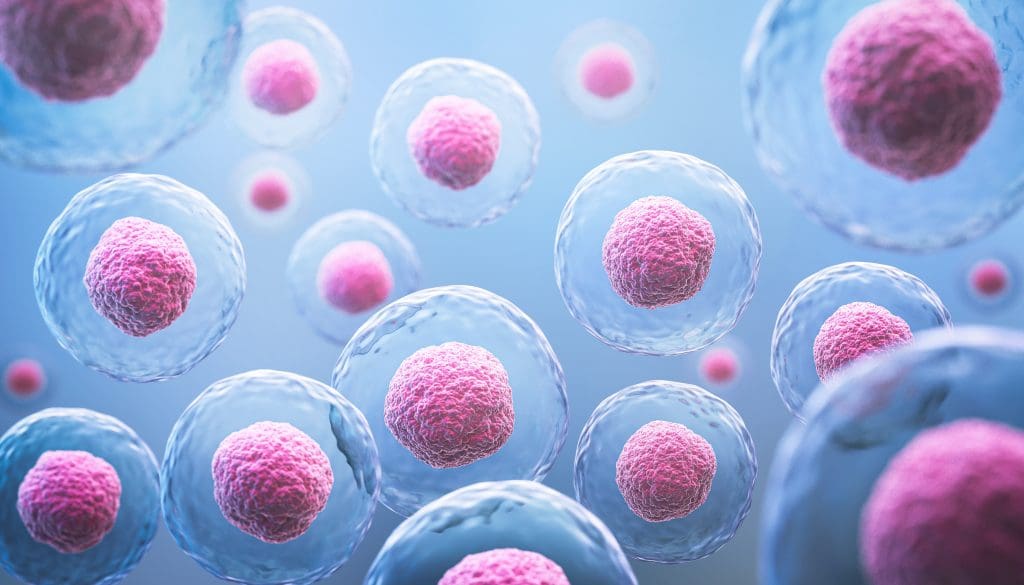
Stem cells are undifferentiated cells that can become many cell types. They can grow themselves and turn into specific cells. This makes them important for fixing and growing new tissue.
Stem cells are special because they can:
- Self-renew, keeping their numbers up.
- Turn into different cell types, like skin or muscle cells.
- Help control the immune system and lower inflammation.
Different Types of Stem Cells Used in Medical Applications
There are many stem cell types used in medicine, including:
- Embryonic Stem Cells: From embryos, these can become any cell type.
- Adult Stem Cells (Mesenchymal Stem Cells): In adult tissues, these can repair but are more limited.
- Induced Pluripotent Stem Cells (iPSCs): Made from adult cells, these have embryonic-like abilities, great for personalized medicine.
Stem cells, in stem cell therapy, are changing burn care. They help grow new tissue and heal wounds, helping burn victims.
As research grows, stem cells’ role in burn treatment is clearer. Using celuas madres (stem cells) in medicine could greatly improve burn survivor lives.
The Science Behind Stem Cell Therapy for Burns
Stem cell therapy is changing how we treat burns. It helps grow new tissue and heal wounds faster. This new method uses stem cells’ special abilities to fix burn damage.
How Stem Cells Promote Tissue Regeneration
Stem cells can turn into different cell types. This makes them great for fixing damaged tissues. In burns, they help fix the skin by growing new tissue.
Studies show that mesenchymal stromal cells (MSCs) work well. They help grow skin cells and close wounds faster.
Stem cells move to the injury site. There, they help fix the damaged tissue. This speeds up healing and makes the new tissue better.
Mechanisms of Wound Healing Enhancement
Stem cell therapy boosts wound healing in several ways. It helps grow new blood vessels. This is key for bringing oxygen and nutrients to the healing area.
It also helps control inflammation. This reduces complications and helps the healing process.
Stem cells can turn into skin cells. This helps grow the skin’s outer and inner layers. Their dual action makes them a strong tool in burn care.
Anti-inflammatory and Immunomodulatory Effects
Stem cell therapy has anti-inflammatory and immunomodulatory effects. MSCs, in particular, can calm the immune system. This reduces inflammation and stops tissue damage.
This is vital for burn patients. They often have too much inflammation. This can cause more damage and problems. Stem cell therapy can help avoid these issues and improve outcomes.
Skin for Burn Victims: How Stem Cells Create New Tissue
Stem cells are being used to make new skin for burn victims. This could be a cure for severe burns. It uses stem cells’ ability to grow new tissue to help burn patients.
The Process of Generating New Skin Tissue
Creating new skin tissue starts with getting stem cells from a lab. These cells are then made into skin cells. This makes a skin graft that can replace damaged skin.
Stem cell skin grafts have big benefits. They match the patient’s skin better, lowering rejection risks. This makes the treatment more effective.
Advantages Over Traditional Skin Grafts
Stem cell skin grafts beat traditional ones in many ways. They include:
- Improved compatibility and reduced risk of rejection
- Enhanced wound healing and tissue regeneration
- Potential for reduced scarring and improved cosmetic outcomes
Using stem cells gives burn victims a better treatment option. It helps them heal faster and reduces long-term problems.
Reducing Scarring and Improving Functionality
Stem cells can also reduce scarring and improve skin function. They help grow healthy skin, making it look and work better. This improves the life quality of burn victims.
Spray-on skin technology, developed by Fiona Wood, is a good example. It sprays skin cells on damaged skin. This helps grow new tissue and reduces scarring.
With new technologies like this, doctors can help burn victims recover better. They get better function and look in their skin.
Types of Stem Cell Therapies Used in Burn Treatment
Stem cell therapies are changing how we treat burns. They help in healing wounds and growing new tissue. This is a big step forward in regenerative medicine.
Autologous vs. Allogeneic Stem Cell Approaches
There are two main types of stem cell therapy. Autologous stem cell therapy uses cells from the patient. This method is safer because it avoids immune rejection.
Allogeneic stem cell therapy uses cells from donors. While these cells are easier to get, they might cause immune problems.
Both methods are being studied for treating burns. Autologous cells are safer, but allogeneic cells are quicker to use in emergencies.
Mesenchymal Stem Cells in Burn Care
Mesenchymal stem cells (MSCs) are important in burn care. They can turn into different types of cells, including skin cells. MSCs help wounds heal by growing new tissue, reducing inflammation, and improving blood flow.
Studies show MSCs can speed up burn wound healing and reduce scarring. They also help prevent complications by controlling the immune system.
Induced Pluripotent Stem Cells: Future Possibilities
Induced pluripotent stem cells (iPSCs) are a new hope for burn treatment. They are made by changing adult cells into cells that can become many types of cells. This is useful for fixing damaged tissue.
iPSCs are just starting to be used in burn care. They could lead to personalized skin treatments and better healing. They offer a big chance to change how we treat burns.
In summary, different stem cell therapies are giving new hope to burn patients. As research grows, these treatments could greatly improve burn care and patient lives.
Stem Cell Skin Grafts: Revolutionary Approach to Burn Care
Stem cell skin grafts are changing burn care with a new way to heal. They use stem cells to make skin in a lab. This skin is then put on burns to heal faster and leave less scar.
Creating Lab-Grown Skin Using Stem Cells
Making lab-grown skin is a detailed process. First, stem cells are taken and grown in a lab. Then, these cells turn into different skin types, like the outer layer and the layer beneath.
Lab-grown skin could change burn care a lot. It gives a lot of skin for grafting. This is great for people with big burns, where there’s not enough healthy skin to use.
Integration with Host Tissue and Vascularization
Stem cell skin grafts can blend in with the body’s skin and get blood flow. This is key for the skin to work right. New blood vessels form, bringing oxygen and nutrients.
Stem cells help the skin graft blend in better. They release growth factors that help healing and growing new tissue.
Comparison with Traditional Skin Grafting Methods
Stem cell skin grafts have big benefits over old methods. They give a lot of skin for grafting. They can also be made to look like the patient’s skin, reducing rejection and improving looks.
- Enhanced healing and tissue regeneration
- Reduced scarring and improved cosmetic outcomes
- Potential for treating large burn areas
In summary, stem cell skin grafts are a big step forward in burn care. They offer better results for patients and solve problems with old grafting methods.
The Burn Healing Process Enhanced by Stem Cells
Stem cells are key in improving burn healing. They help from the start to long-term tissue health. Stem cell therapy in burn care shows great promise in bettering patient results and simplifying burn injury treatment.
Accelerating Wound Closure and Epithelialization
Stem cell therapy speeds up wound healing and boosts epithelial growth. Mesenchymal stem cells (MSCs) are special in this area. They help grow back epithelial tissue, which is vital for healing.
Studies show MSC treatments cut down healing time. This is good because it lowers infection risks and other issues.
A clinical trial found MSCs help wounds heal faster in patients with RDEB. This is key for burn victims, as it lessens long-term damage and boosts recovery.
Improving Dermal Regeneration and Structure
Stem cell therapy also boosts dermal layer repair. This is important for severe burns. It helps restore the skin’s barrier and lowers scarring risk.
In vitro and in vivo studies show stem cells can turn into needed skin cells. This is key for a healthy dermal layer.
Long-term Outcomes and Tissue Quality
Stem cell therapy’s long-term effects are encouraging. It improves dermal layer and tissue quality, reducing scarring. Patients often see better skin elasticity and function, which boosts their quality of life.
More studies are needed to fully grasp stem cell therapy’s benefits and limits in burn care. But, current data suggest lasting tissue quality and patient outcome improvements.
Burn Wound Care: Integrating Stem Cell Approaches
Stem cell technology is changing burn wound care. It offers new ways to heal wounds and grow new tissue. This change is making care better and improving patient results.
Advanced Wound Dressings with Stem Cell Technology
New advanced wound dressings use stem cells. These dressings help wounds heal faster. They also lower the chance of infection and improve tissue growth.
- Biocompatible materials that support stem cell viability
- Enhanced wound healing through the release of growth factors
- Reduced scarring and improved tissue functionality
Wound Assessment and Treatment Planning
Good burn wound care starts with a detailed wound assessment. Doctors use special tools to check the burn’s severity. Then, they create a treatment plan that might include stem cell therapies.
- Initial assessment of burn severity and extent
- Development of a detailed treatment plan
- Ongoing monitoring and adjusting the treatment as needed
Infection Control and Management
Stopping infections is key in burn wound care. Stem cell therapies help the body heal faster, lowering infection risk. Also, special wound dressings fight off infections.
- Antimicrobial wound dressings to prevent infection
- Watching for infection signs and acting quickly
- Stem cell therapies to boost the immune system
Using stem cells in burn care gives doctors better ways to help patients. This leads to better results and fewer complications.
Scar Management for Burn Victims Using Stem Cell Therapy
Burn survivors often struggle with scarring. But, stem cell therapy is showing promise. Scarring is part of healing, but severe burns can cause lasting scars and limit movement.
Preventing Hypertrophic Scarring and Contractures
Stem cell therapy can help prevent severe scarring and contractures. It works by reducing inflammation and helping new tissue grow. Studies suggest it can make skin more elastic and reduce scars.
- Modulation of the inflammatory response
- Promotion of healthy tissue regeneration
- Improvement in skin elasticity and appearance
Treating Established Scars with Stem Cell Applications
For those with existing scars, stem cell therapy is a new hope. It can make raised scars less noticeable and improve movement. Injecting stem cells into scars is being tested for its effectiveness.
Key advantages of stem cell therapy for established scars include:
- Minimally invasive procedures
- Potential for significant improvement in scar appearance
- Enhanced mobility and reduced discomfort
Combination Approaches for Optimal Scar Management
Managing scars often requires a mix of treatments. Stem cell therapy can be paired with methods like silicone gel sheeting and physical therapy. This combination helps tailor care to each patient’s needs, leading to better results.
“Fiona Wood’s ‘spray-on skin’ technology has helped reduce scarring in burn patients,” highlighting the promise of stem cell-based treatments for scars.
By adding stem cell therapy to care plans, burn victims can see better scar management. This leads to improved recovery and a higher quality of life.
Clinical Applications and Success Stories
The use of stem cell therapy in burn treatment is changing patient care. It has led to better outcomes and happier patients. This new method not only speeds up recovery but also makes life better for those with burns.
Notable Case Studies and Patient Outcomes
Many case studies show how well stem cell therapy works for burns. For example, Gabrielius Misurenkovas, a child with RDEB, got better thanks to stem cells. His story shows how burn treatment is getting better with stem cells.
Documented Improvements in Recovery Time and Quality
Studies and real-life use of stem cell therapy have shown big wins for burn patients. They heal faster, scar less, and their skin gets better. These gains are key to better patient outcomes and happier patients.
Patient Testimonials and Quality of Life Improvements
Patients’ stories tell us a lot about stem cell therapy‘s benefits for burn recovery. They say they feel less pain, move better, and can do things they loved again. These stories show how stem cells can change lives for the better.
In summary, stem cell therapy in burn treatment is making a big difference. It’s changing how we care for burn victims. With more research, the future of burn care looks bright, full of hope and better results for patients.
Current Research and Clinical Trials
Stem cell therapy is leading the way in burn treatment. Many clinical trials are underway. Researchers are looking into how stem cells can help with wound healing and reduce scarring.
Ongoing Studies in Stem Cell Therapy for Burns
Studies are checking if stem cell therapy works for burns. They’re using different stem cells to see if they can help heal tissues better. This could lead to better care for burn patients.
Key areas of research include:
- Improving wound closure rates
- Reducing the incidence of infection
- Minimizing scarring and promoting tissue regeneration
- Enhancing the functionality of healed skin
A study is using stem cells from noses of paralyzed patients in spine transplants. This shows the wide range of stem cell research.
Promising Experimental Approaches
New methods in stem cell therapy for burns are showing great promise. For example, lab-grown skin from stem cells is being tested. It could offer better and longer-lasting solutions for burn care.
Some of the promising experimental approaches include:
- The development of bioactive wound dressings that incorporate stem cells
- The use of stem cell-conditioned media to enhance wound healing
- The application of 3D printing technology to create skin substitutes using stem cells
These new methods could change burn care. They could lead to more effective treatments and better results for patients.
Challenges and Future Directions in Stem Cell Burn Treatment
Stem cell therapy shows promise in treating burns, but there are hurdles to overcome. This therapy is complex, facing biological, technical, and regulatory challenges.
Biological Challenges: One big challenge is getting stem cells to the burn site safely and effectively. Researchers need to figure out the best dosage, timing, and method for healing wounds and growing new tissue.
There are also concerns about side effects, like immune reactions or tumors. Scientists are working hard to test and monitor stem cells to reduce these risks.
Technical and Regulatory Challenges: Making stem cells on a large scale and at a lower cost is key. Also, rules need to change to fit the unique needs of stem cell treatments, ensuring they are safe and work well.
Looking ahead, stem cell therapy for burns might include:
- Using induced pluripotent stem cells (iPSCs) for treatments tailored to each person
- Creating biomaterials and bioengineered scaffolds to help stem cells work better
- Using gene editing technologies to make stem cells even more helpful
- Learning more about the microenvironment and how it affects stem cell success
As research keeps moving forward, stem cell therapy could become a big part of burn care. It could bring new hope for better recovery and quality of life for those with burns.
Conclusion: The Transformative Stem Cells in Burn Care
Stem cell therapy is changing burn care in big ways. It helps skin grow back and wounds heal faster. This gives burn victims new hope.
Stem cells are being used in burn therapy, and it’s working well. Patients are getting better faster and living better lives.
New burn care products with stem cells are coming out. These products are making treatment better for everyone. Doctors now have more ways to help patients.
More research is showing stem cells’ benefits in burn care. They could make skin better, reduce scars, and help patients recover faster. With more studies, we’ll see even more ways stem cells can help.
FAQ
What are stem cells and how can they help burn victims?
Stem cells are the body’s building blocks. They can turn into different cell types. This helps burn victims by growing new tissue, healing wounds faster, and reducing scars. Stem cell therapy is showing great promise in treating burns.
How do stem cells promote tissue regeneration in burn wounds?
Stem cells help by turning into skin cells and releasing growth factors. These factors help repair tissue. This leads to new skin, better wound closure, and less scarring.
What are the different types of stem cell therapies used in burn treatment?
There are several types of stem cell therapies for burns. These include using cells from the patient (autologous) or a donor (allogeneic). There are also mesenchymal stem cells (MSCs) and induced pluripotent stem cells (iPSCs). Each type has its own benefits for burn care.
How do stem cell skin grafts work, and what are their advantages?
Stem cell skin grafts create new skin in a lab using stem cells. This new skin is then applied to the burn. It’s a natural and functional option that reduces scarring and improves skin quality. It’s also better than traditional grafting methods because it doesn’t harm the donor site as much.
Can stem cell therapy improve scar management for burn victims?
Yes, stem cell therapy can help with scar management. It promotes new tissue growth and reduces inflammation. This can prevent thick scarring and improve the look and function of scarred skin.
What is the current state of research in stem cell therapy for burns?
Research on stem cell therapy for burns is ongoing. Many clinical trials and studies are looking into its safety and effectiveness. New approaches, like using MSCs and iPSCs, are being explored to improve burn treatment.
Are there any success stories or case studies of stem cell therapy in burn care?
Yes, there are many documented cases of stem cell therapy success in burn care. These stories show faster recovery times, better wound closure, and improved tissue quality. They also highlight enhanced patient outcomes and quality of life.
How do stem cells enhance the burn healing process?
Stem cells speed up wound closure and improve skin regeneration. They promote tissue growth. This leads to better long-term results, like less scarring and better tissue quality.
What is the role of stem cells in burn wound care?
Stem cells are key in burn wound care. They help grow new tissue, heal wounds, and reduce scarring. New treatments and dressings that use stem cells are being developed to improve care.
Can stem cell therapy be used in conjunction with traditional burn treatments?
Yes, stem cell therapy can be used with traditional treatments like skin grafting and wound care. Combining stem cell therapy with these treatments may lead to better results and improved patient care.