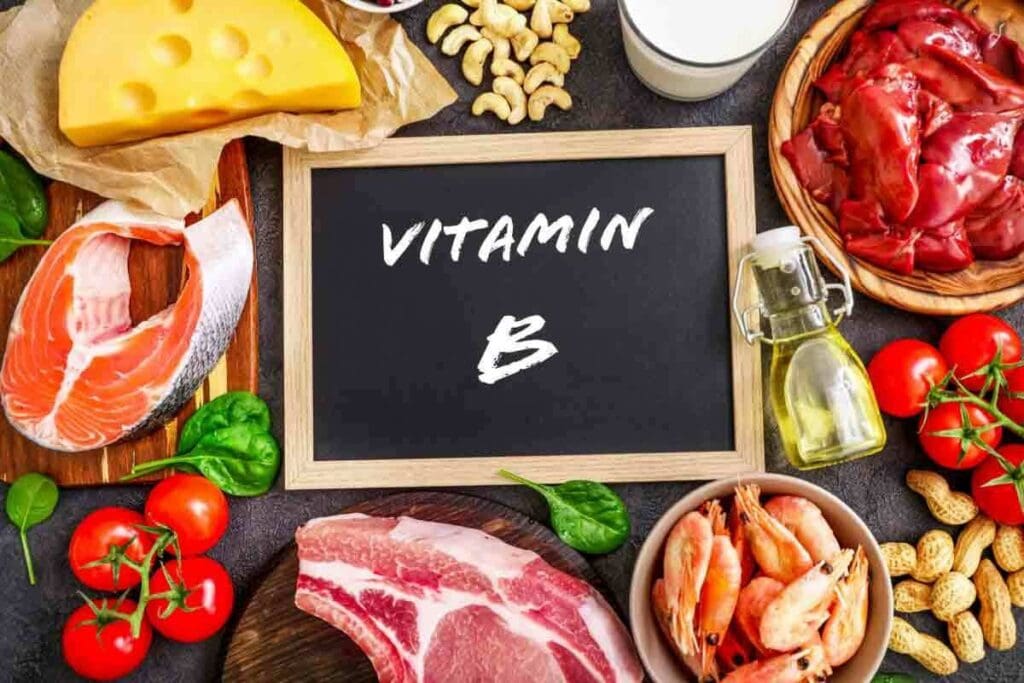
Eating foods rich in Vitamin B is essential for maintaining good health. Vitamin B supports energy production, nerve function, and the formation of red blood cells.
At LivHospital, we emphasize the importance of a balanced diet for overall wellness. If you’re wondering how can you get Vitamin B, the answer lies in adding nutrient-dense foods to your daily meals. Whole grains, meat, fish, poultry, eggs, and leafy greens are excellent sources of B vitamins such as B6, B12, and folic acid. Including these foods in your diet helps you stay energized, healthy, and feeling your best.
Key Takeaways
- Eat whole grains, meat, and leafy greens to boost energy and nerve health.
- Foods packed with B vitamins prevent deficiencies and keep you healthy.
- A balanced diet is vital for healthy red blood cells.
- LivHospital offers top-notch healthcare to help your overall health.
- Eating foods rich in vitamin B supports your body’s energy needs.
The Vital Role of B Vitamins in Your Health

B vitamins are key to our health, playing a big role in many body functions. They help keep our skin, hair, eyes, liver, and nerves healthy. We’ll see how B vitamins help with energy, nerve function, and making red blood cells.
Energy Production and Metabolism
B vitamins are vital for turning food into energy. They help break down carbs, fats, and proteins. Vitamin B6 and B12 are key in this process, helping our bodies make energy.
Nerve Function and Brain Health
B vitamins are essential for nerve health. Vitamin B6 and B12 are vital for the brain and nerves. They help make neurotransmitters, which are important for nerve signals. This is key for our brain health and preventing nerve problems.
Red Blood Cell Formation
B vitamins, like folate (Vitamin B9) and Vitamin B12, are important for making red blood cells. They help make DNA, which is needed for new red blood cells. Without enough, we might get anemia, leading to tiredness, weakness, and shortness of breath.
Knowing how B vitamins help our body shows how important they are in our diet. Making sure we get enough is key for staying healthy and avoiding serious health problems.
How Can You Get Vitamin B Through Your Diet?
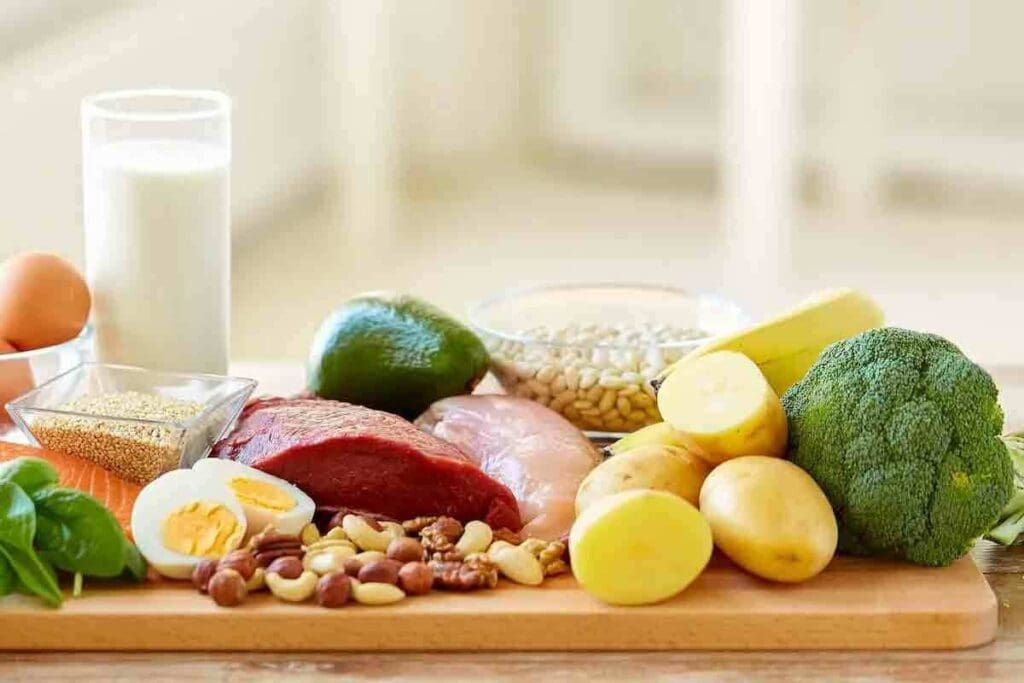
Getting enough Vitamin B is key for energy, nerve health, and overall well-being. A balanced diet with various foods can help meet Vitamin B needs.
Recommended Daily Intake
The daily Vitamin B needs change based on age, sex, and pregnancy status. For example, adults need 2.4 micrograms of Vitamin B12 daily. Foods like whole grains, meat, fish, poultry, eggs, and leafy greens are rich in B vitamins.
Eating a wide variety of foods is important to get enough Vitamin B. Whole grains like brown rice and oats are full of B vitamins. Meat and poultry are good sources of B6 and B12.
Absorption Factors
Many things can affect how well our body absorbs Vitamin B from food. These include age, some medications, and stomach health. For example, older adults might find it harder to absorb Vitamin B12 because of less stomach acid.
People with stomach problems or who have had certain surgeries might also struggle to absorb Vitamin B. In these cases, supplements or fortified foods can help meet daily needs.
Signs of Deficiency
It’s important to know the signs of Vitamin B deficiency early. Common signs include feeling very tired, weak, and neurological issues like numbness or tingling in hands and feet.
Not getting enough of certain B vitamins can cause specific health problems. For instance, not enough Vitamin B12 can lead to anemia and nerve issues. Not enough folate can cause anemia and increase the risk of birth defects in pregnant women.
Salmon: The Ultimate B12 and B6 Superfood
Salmon is a nutritional powerhouse, packed with Vitamin B12 and B6. It’s a great source of these vitamins and other nutrients that boost health.
Nutritional Profile
Salmon has a lot of Vitamin B12 in just 3 ounces, more than you need daily. It’s also full of Vitamin B6 and other B vitamins like niacin and riboflavin. Plus, it has omega-3 fatty acids, protein, and minerals like selenium and potassium.
| Nutrient | Amount per 3 oz serving | % Daily Value |
| Vitamin B12 | 2.6 mcg | 108% |
| Vitamin B6 | 0.5 mg | 25% |
| Omega-3 fatty acids | 1.8 g | Varies |
| Protein | 20 g | 40% |
Health Benefits Beyond B Vitamins
Salmon is more than just B vitamins. It’s rich in omega-3 fatty acids. These fats are good for your heart by lowering inflammation and improving blood fats. They also help your brain and might ease depression symptoms.
Key Health Benefits of Salmon:
- Supports heart health
- Reduces inflammation
- Promotes brain health
- May help manage depression symptoms
Preparation Tips for Maximum Nutrition
To get the most from salmon, cook it right. Grilling, baking, or poaching keeps its nutrients. Don’t overcook, as it loses important nutrients.
Tips for Cooking Salmon:
- Grill or bake for a crispy exterior and tender interior
- Poach for a moist and flaky texture
- Use herbs and lemon for flavor instead of salt
Eggs: Nature’s Perfect B Vitamin Package
Eggs are a great source of B vitamins. They have B12, B2 (riboflavin), and biotin. This makes them a key part of a healthy diet.
B Vitamin Content Breakdown
Eggs are packed with important B vitamins. One large egg gives you:
- About 0.6 micrograms of vitamin B12, which is key for nerve health and making red blood cells.
- Approximately 0.2 milligrams of riboflavin (B2), which helps with energy and can lower migraine risk.
- A lot of biotin, needed for skin, hair, and nails, and for metabolism.
The Importance of the Whole Egg
Egg whites have protein, but the yolk has most B vitamins. So, eating whole eggs is best to get all the B vitamins. Egg yolks are full of biotin and B12, making them a great choice.
Versatile Ways to Include Eggs in Your Diet
Adding eggs to your diet is easy and tasty. Here are some ways to enjoy eggs:
- Scrambled or boiled for a quick breakfast.
- Added to salads for extra protein.
- Made into omelets with veggies for a healthy meal.
- Used in baking to bind and add moisture.
Eating eggs can help you get the B vitamins you need. Whether scrambled, boiled, or in an omelet, eggs are a smart and healthy choice.
Chicken and Turkey: Lean Protein with B6 and B12
Chicken and turkey are top picks for lean protein and B vitamins. They’re favorites worldwide and pack health benefits.
Comparing B Vitamin Content
Chicken and turkey offer B vitamins like B6 and B12. B6 is key for brain health and mood. B12 is vital for making red blood cells and nerve function.
Turkey has a bit more B6 than chicken. But, B12 levels change with the cut and cooking. Dark meat has more B vitamins than white meat.
Best Cuts for Maximum Nutrition
Choosing the right cuts boosts B vitamin intake. Dark meat, like thighs and legs, has more B vitamins. Chicken thighs are rich in B6. Turkey thighs and drumsticks are also good sources.
- Chicken thighs: Rich in B6 and B12
- Turkey thighs and drumsticks: High in B6 and B12
- Ground turkey or chicken: Can be a versatile option for various recipes
Healthy Preparation Methods
Preparation methods affect chicken and turkey’s nutrition. Grilling, baking, or roasting are better than frying. Removing the skin cuts down on saturated fat.
Cooking these meats right keeps B vitamins intact. Avoid overcooking to preserve nutrients. Gentle heat and proper cooking time are key.
Leafy Greens: Folate Powerhouses
Leafy greens are full of folate, making them great for your health. They are rich in vitamins and minerals. Eating them as part of a balanced diet offers many health benefits.
Spinach, Kale, and Other Top Choices
Some leafy greens have more folate than others. Spinach, kale, collard greens, and romaine lettuce are among the best. Spinach is easy to add to many dishes, like salads, smoothies, and pasta.
Here’s a comparison of the folate content in some popular leafy greens:
| Leafy Green | Folate Content per 100g |
| Spinach | 194 μg |
| Kale | 141 μg |
| Collard Greens | 129 μg |
| Romaine Lettuce | 136 μg |
Cooking Methods That Preserve Nutrients
Cooking leafy greens right is key to keeping their nutrients. Steaming is best because it uses less heat and water. This helps keep folate and other nutrients in the greens.
Steaming Tips: Place a steamer basket over boiling water, cover, and steam for 3-5 minutes. This method keeps folate and the greens’ flavor and texture.
Creative Ways to Add More Greens Daily
Adding leafy greens to your diet is easy and tasty. Here are some ideas:
- Add spinach to your morning smoothie for a nutritional boost.
- Use kale in salads or as a crunchy snack on its own.
- Sauté collard greens with garlic as a flavorful side dish.
- Include romaine lettuce in wraps or as a crunchy addition to sandwiches.
By adding these greens to your meals, you boost your folate intake. Enjoy the health benefits they offer.
Fortified Cereals: Convenient B Vitamin Sources
Fortified cereals are a great way to get more B vitamins. They are perfect for those who don’t eat meat. These cereals are packed with B vitamins, helping to keep your diet balanced.
Reading Labels for B Vitamin Content
When picking a fortified cereal, always check the labels. Look for cereals that list the B vitamins they have. Make sure they have B12, B6, and folate for energy and nerve health. Remember, the Daily Value percentages can differ a lot between brands.
Best Brands for B Vitamins
Some brands are known for their B vitamin-enriched cereals. Here are a few:
- Kellogg’s All-Bran Original
- General Mills Whole Grain Total
- Post Shredded Wheat
These brands offer cereals that are not just full of B vitamins but also fiber and other nutrients.
Combining with Other B-Rich Foods
While fortified cereals are a good start, mixing them with other B-rich foods is even better. Try adding milk or yogurt, which are also rich in B vitamins like B12 and riboflavin. Nuts or seeds like almonds or sunflower seeds can also add more B vitamins.
Incorporating fortified cereals into our diet is a simple way to meet our B vitamin needs. By choosing cereals with good nutrition and adding other nutrient-rich foods, we can keep our diet balanced and healthy.
Legumes: Plant-Based B Vitamin Champions
Legumes like lentils, chickpeas, and black beans are not just versatile. They are also full of B vitamins, making them a nutritional powerhouse. These plant-based foods are key for a balanced diet, giving you a rich source of B vitamins.
Lentils, Chickpeas, and Black Beans
Lentils, chickpeas, and black beans are among the most nutritious legumes. Each offers a unique mix of B vitamins. Lentils are high in folate (B9). Chickpeas are good for thiamin (B1). Black beans are rich in folate and thiamin.
B Vitamin Profile Comparison
To understand the B vitamin content in these legumes, let’s compare their nutritional profiles:
| Legume | B1 (Thiamin) | B2 (Riboflavin) | B6 | B9 (Folate) |
| Lentils | 0.87 mg | 0.21 mg | 0.54 mg | 358 mcg |
| Chickpeas | 0.64 mg | 0.06 mg | 0.54 mg | 282 mcg |
| Black Beans | 0.87 mg | 0.10 mg | 0.21 mg | 256 mcg |
This comparison shows the diverse B vitamin content in different legumes. It highlights their value in a balanced diet.
Delicious Ways to Incorporate Legumes
Adding legumes to your diet is easy and delicious. Here are some ideas:
- Add lentils to soups and stews for an extra boost of B vitamins.
- Use chickpeas in salads or as a topping for your favorite dishes.
- Make black bean tacos or burritos for a flavorful and nutritious meal.
By adding these plant-based B vitamin champions to your meals, you can boost your nutritional intake. This supports your overall health.
Nutritional Yeast: The Vegan B12 Solution
Nutritional yeast is great for vegans because it has all the B vitamins. It’s also loved for its taste and how it can be used in cooking.
Complete B Vitamin Profile
Nutritional yeast is special because it has Vitamin B12. A single serving can offer a significant percentage of the daily recommended intake of B12. It also has other B vitamins like thiamine, riboflavin, and folate.
| B Vitamin | Amount per Serving | % Daily Value |
| B12 | 5 mcg | 83% |
| Thiamine (B1) | 1.5 mg | 100% |
| Riboflavin (B2) | 1.4 mg | 82% |
| Folate (B9) | 200 mcg | 50% |
Culinary Uses and Flavor Benefits
Nutritional yeast tastes like cheese and nuts. It’s great on popcorn, in soups, or as a seasoning. Start with a little and add more to taste, as it’s strong.
Proper Storage for Maximum Potency
To keep nutritional yeast good, store it right. Put it in an airtight container in a cool, dark place. Some like to keep it in the fridge. This keeps its B vitamins and taste.
Liver and Organ Meats: Traditional B Vitamin Treasures
Liver and organ meats are known for their high B vitamin content. They have been a key part of many cultures for their health benefits. These foods offer essential nutrients that support overall health.
Extraordinary B Vitamin Concentration
Liver is a top source of B vitamins. It’s packed with B12, folate, and riboflavin. This makes it a nutritional powerhouse. The table below shows how liver compares to other organ meats in B vitamin content.
| Organ Meat | B12 Content (mcg) | Folate Content (mcg) | Riboflavin Content (mg) |
| Beef Liver | 83.1 | 290 | 3.43 |
| Chicken Liver | 16.6 | 560 | 1.78 |
| Pork Kidney | 7.4 | 42 | 1.64 |
Liver is a standout for its B vitamins, but other organ meats also offer great nutrition.
Overcoming Taste Barriers
Organ meats can be tough for those new to them. Start with milder flavors like chicken liver. Then, try stronger tastes like beef liver. Try different recipes to enjoy these foods more.
“The key to enjoying organ meats is to prepare them in a way that complements their natural flavors. Whether it’s through grilling, sautéing, or incorporating them into familiar dishes, there are numerous ways to make these nutrient-dense foods enjoyable.”
Responsible Sourcing Considerations
Choosing the right source for organ meats is important. Go for grass-fed, pasture-raised, or organic options. This reduces toxins and boosts nutrition. Always buy from reputable suppliers who care about animal welfare and sustainability.
By adding liver and other organ meats to your diet responsibly, you can increase your B vitamin intake. This improves your overall nutrition and health.
Dairy Products: B12 and Riboflavin Sources
Dairy products like yogurt, milk, and cheese are full of Vitamin B12 and riboflavin. These nutrients help with energy, nerve function, and heart health. We’ll look at how different dairy products stack up in B vitamins and the perks of choosing fermented ones.
Yogurt, Milk, and Cheese Comparison
Yogurt, milk, and cheese each have their own nutritional strengths. Milk is packed with riboflavin, giving you about 30% of your daily needs in one cup. Cheese, like cheddar and Swiss, is not just rich in riboflavin but also in Vitamin B12. Yogurt, mainly Greek yogurt, is high in protein and B vitamins.
Looking at B vitamins, cheese stands out for its high B12 content. This makes it a great choice for boosting your B12 levels.
| Dairy Product | B12 Content | Riboflavin Content |
| Milk (1 cup) | 1.2 mcg | 0.4 mg |
| Yogurt (1 cup) | 1.5 mcg | 0.5 mg |
| Cheese (1 oz) | 2.4 mcg | 0.3 mg |
Fermented Options for Better Absorption
Fermented dairy like yogurt and cheese have probiotics for better B vitamin absorption. The fermentation process adds B vitamins, boosting their levels. Choosing fermented dairy offers better nutrient absorption and more B vitamins.
Plant-Based Alternatives
For those who can’t have dairy or prefer vegan options, plant-based alternatives are available. Many plant milks are fortified with B12 and riboflavin. Just make sure to check the labels for proper fortification.
Plant-based yogurts and cheeses, made from nuts, seeds, or soy, also exist. While their B vitamin levels can vary, many are fortified with B12 and riboflavin. This makes them good dairy-free sources of these nutrients.
Shellfish and Mollusks: B12 Concentration Champions
The ocean is full of nutritional treasures. Shellfish and mollusks are top sources of B12. They taste great and boost our Vitamin B12, key for energy, nerve health, and making red blood cells.
Clams, Oysters, and Mussels
Clams, oysters, and mussels are great for B12. Clams are also rich in iron and potassium. Oysters are a treat, full of zinc and B12. Mussels offer B12, vitamin C, and selenium in their tender flesh.
- Clams: High in B12, iron, and potassium.
- Oysters: Rich in B12 and zinc.
- Mussels: Good source of B12, vitamin C, and selenium.
Sustainable Seafood Choices
Choosing sustainable seafood is key. It helps our oceans and ensures we have these foods for the future. Look for MSC or ASC certifications when buying seafood.
“Sustainable seafood is not just a trend; it’s a necessity for the health of our oceans and our planet.”
Simple Preparation Methods
Preparing shellfish and mollusks is easy. Steaming keeps their nutrients and flavors. For clams and mussels, steam with garlic and lemon. Oysters are great raw or grilled with toppings.
- Steam clams and mussels with garlic and lemon.
- Enjoy oysters raw or grilled with your favorite toppings.
Adding shellfish and mollusks to our diet is good for health. They taste great and are full of Vitamin B12, supporting our well-being.
Whole Grains: Daily B Vitamin Essentials
Whole grains like brown rice, oats, and quinoa are packed with B vitamins. They are key to a balanced diet. Adding these foods to your meals can boost your health and happiness.
Brown Rice, Oats, and Quinoa: Nutritional Powerhouses
Whole grains are full of B vitamins, fiber, minerals, and antioxidants. Brown rice is rich in manganese and selenium. Oats are high in fiber, which can lower cholesterol. Quinoa is a complete protein, great for vegetarians and vegans.
- Brown rice: Rich in B vitamins, like thiamin (B1) and niacin (B3)
- Oats: High in folate (B9) and other B vitamins
- Quinoa: Good source of riboflavin (B2) and vitamin B6
The Importance of Choosing Whole Over Refined Grains
Choosing whole grains over refined ones is key for a healthy diet. Refined grains lose their nutrient-rich parts during processing. Whole grains keep their bran, germ, and endosperm, giving you B vitamins, fiber, and more.
The benefits of whole grains include:
- Higher nutrient content
- Lower risk of heart disease and diabetes
- Improved digestive health
Storage Tips for Preserving Nutrients
Proper storage is vital for whole grains’ nutritional benefits. Store them in a cool, dry place, away from sunlight. Use airtight containers to keep them fresh and pest-free.
By adding whole grains to your diet and storing them right, you get a steady dose of B vitamins. This simple change can greatly improve your health and happiness.
Can You Take Too Much Vitamin B? Safety Guidelines
Vitamin B is vital for our health, but too much can be harmful. Taking too much Vitamin B complex, found in supplements, can cause problems. It’s important to know the risks.
Food Sources vs. Supplements
Eating foods with Vitamin B is usually safe. Foods naturally have Vitamin B, and it’s not toxic at normal amounts. But, supplements can be risky if not used correctly.
Table: Comparison of Vitamin B Sources
| Vitamin B Type | Food Sources | Supplement Risks |
| B6 | Chicken, fish, potatoes | High doses can cause nerve damage |
| B12 | Meat, fish, dairy products | Rarely toxic, but high doses can cause skin rash |
| Folic Acid | Leafy greens, legumes | High doses can mask B12 deficiency symptoms |
Signs of Excessive Intake
Too much Vitamin B can show in different ways. For example, too much Vitamin B6 can cause nerve problems. Too much folic acid can hide a Vitamin B12 shortage.
“High doses of certain B vitamins can lead to significant health issues, making it vital to watch how much we take.”
Special Considerations for Different Age Groups
Each age group needs to think about Vitamin B differently. Older adults might need more Vitamin B12 because their bodies absorb it less well.
Knowing these details helps us use Vitamin B safely. This is true whether we get it from food or supplements.
Conclusion: Creating a Balanced Diet Rich in B Vitamins
Creating a balanced diet rich in B vitamins is key for good health. We’ve talked about how B vitamins help with energy, nerve function, and making red blood cells. We’ve also shown you foods that are full of these important nutrients.
Eating a variety of B vitamin-rich foods is important. Adding salmon, eggs, leafy greens, and whole grains to your meals helps. At LivHospital, we focus on quality care and balanced nutrition, including vitamin B-rich foods.
Understanding this article’s key points helps you make better diet choices. We suggest talking to healthcare experts to make a nutrition plan that fits you. This way, you can stay healthy and feel your best.
FAQ
What are the best food sources of Vitamin B?
The best foods for Vitamin B are salmon, eggs, and chicken. Turkey, leafy greens, and fortified cereals are also good. Legumes, nutritional yeast, liver, and dairy products are great too. Shellfish and whole grains are excellent choices as well.
Can you take too much Vitamin B?
Yes, too much Vitamin B can be harmful. Knowing the signs of too much intake is important. Always talk to a healthcare professional before taking supplements.
What are the benefits of B6, B12, and folic acid?
B6, B12, and folic acid help with energy and nerve function. They also help make red blood cells. These vitamins are key for brain health and the nervous system.
How can I incorporate more B-rich foods into my diet?
Eat lean proteins, whole grains, and leafy greens for more B vitamins. Legumes are also a good choice. Fortified cereals and nutritional yeast are easy options too.
Are there any plant-based sources of Vitamin B12?
Yes, nutritional yeast is a vegan-friendly option for B vitamins, including B12. Fortified cereals and plant-based milk are also good sources.
How much Vitamin B12 should I take daily?
The right amount of Vitamin B12 depends on your age and health. Always check with a healthcare professional for your needs.
What are the signs of Vitamin B deficiency?
Signs include fatigue, weakness, and neurological issues. Anemia is another sign. If you notice these, see a healthcare professional.
Can I get enough Vitamin B from food sources alone?
Yes, a balanced diet with B-rich foods can provide enough Vitamin B. But, some might need supplements due to health or diet reasons.
Are there any age-related considerations for Vitamin B intake?
Yes, Vitamin B needs change with age. Older adults might need more B12. Always talk to a healthcare professional about your needs.
Can Vitamin B help with energy production?
Yes, Vitamin B is key for energy. B vitamins help turn food into energy. Without enough, you might feel tired and weak.
What are some good sources of folic acid?
Good sources include leafy greens, legumes, and fortified cereals. Spinach and chickpeas are also rich in folate.
Is it safe to consume high amounts of Vitamin B through food sources?
Generally, high amounts of Vitamin B from food are safe. The body controls how much it needs. But, be aware of too much and talk to a healthcare professional if needed.
Reference
NIH Office of Dietary Supplements – Vitamin B6 Fact Sheet for Health Professionals
https://ods.od.nih.gov/factsheets/VitaminB6-HealthProfessional