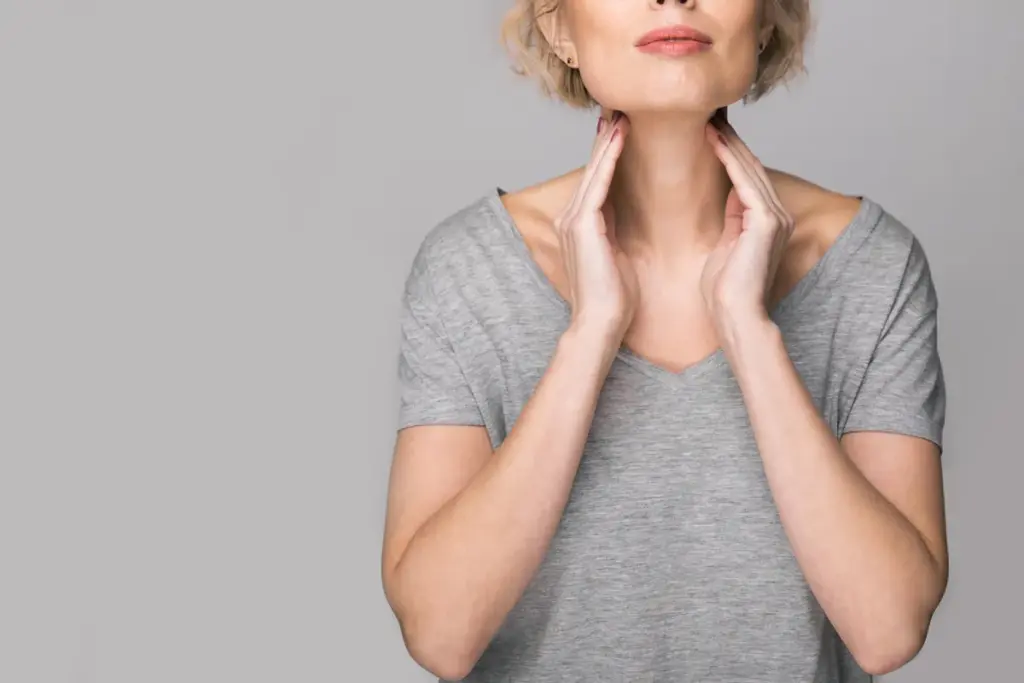
Hypothyroidism is a big health issue worldwide, affecting millions. Its numbers have gone up every year, starting from 2009. The American Academy of Family Physicians (AAFP) says hypothyroidism affects 1 in 300 people in the U.S. It’s more common in women over 60.
This condition happens when the thyroid gland doesn’t work right. It doesn’t make enough thyroid hormones. This leads to many health problems. Knowing how common hypothyroidism is and when it starts is key to treating it early.
Key Takeaways
- Hypothyroidism affects 1 in 300 people in the U.S.
- The condition is more common in women over 60 years of age.
- Prevalence rates of hypothyroidism have been increasing every year.
- Early diagnosis and treatment are very important for managing hypothyroidism.
- Hypothyroidism is a chronic condition that needs proper care.
Understanding Hypothyroidism as a Chronic Endocrine Disorder
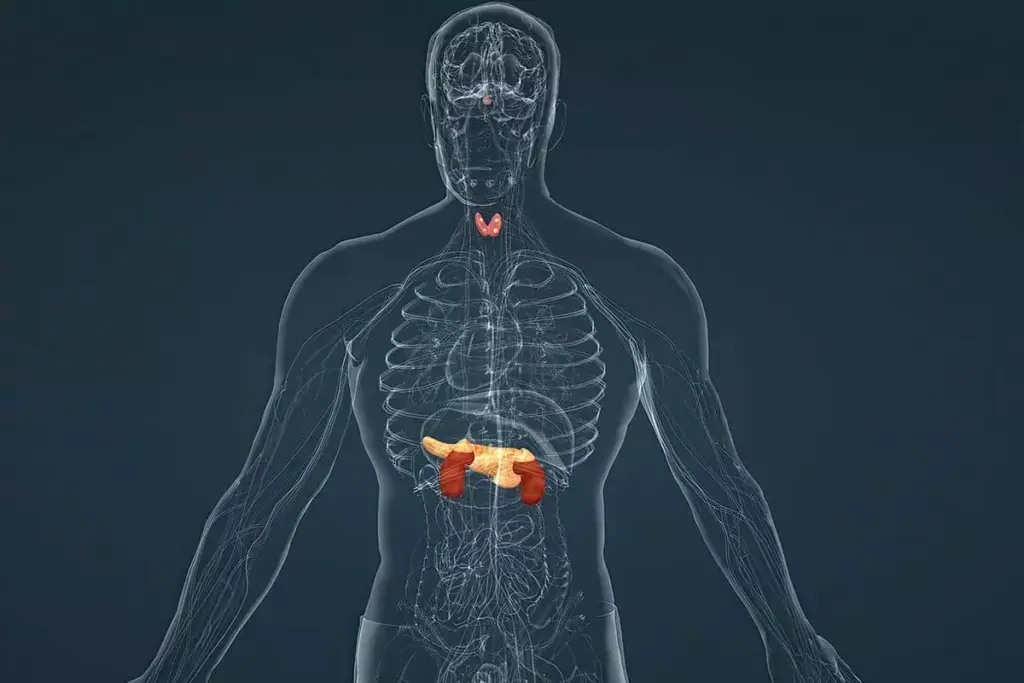
Hypothyroidism is a common endocrine disorder that affects the thyroid gland. It mainly hits women and people over 60. This condition is chronic, meaning it lasts a long time.
What Hypothyroidism Means for Thyroid Function
Hypothyroidism often comes from an autoimmune attack on the thyroid gland. This attack lowers the production of thyroid hormones. These hormones are key for metabolism, energy, and health.
The thyroid gland keeps the body balanced. With hypothyroidism, it can’t make enough hormones. This leads to tiredness, cold sensitivity, and weight gain.
Primary Symptoms and Health Implications
Hypothyroidism symptoms include tiredness, dry skin, hair loss, and heart disease risk. Knowing these symptoms helps catch the condition early. It also helps manage it better.
We have a table that lists the main symptoms and health problems of hypothyroidism:
| Symptom/Health Implication | Description |
| Fatigue | Persistent feeling of tiredness or lack of energy |
| Dry Skin | Skin becomes dry, rough, and may crack |
| Hair Loss | Thinning or loss of hair, mainly on the scalp |
| Increased Risk of Heart Disease | Higher risk of heart diseases due to high LDL cholesterol |
Knowing hypothyroidism is a chronic disorder helps us see why early diagnosis and treatment are key. This knowledge helps people take care of their thyroid health. It’s important for their overall well-being.
How Common is Hypothyroidism in the United States
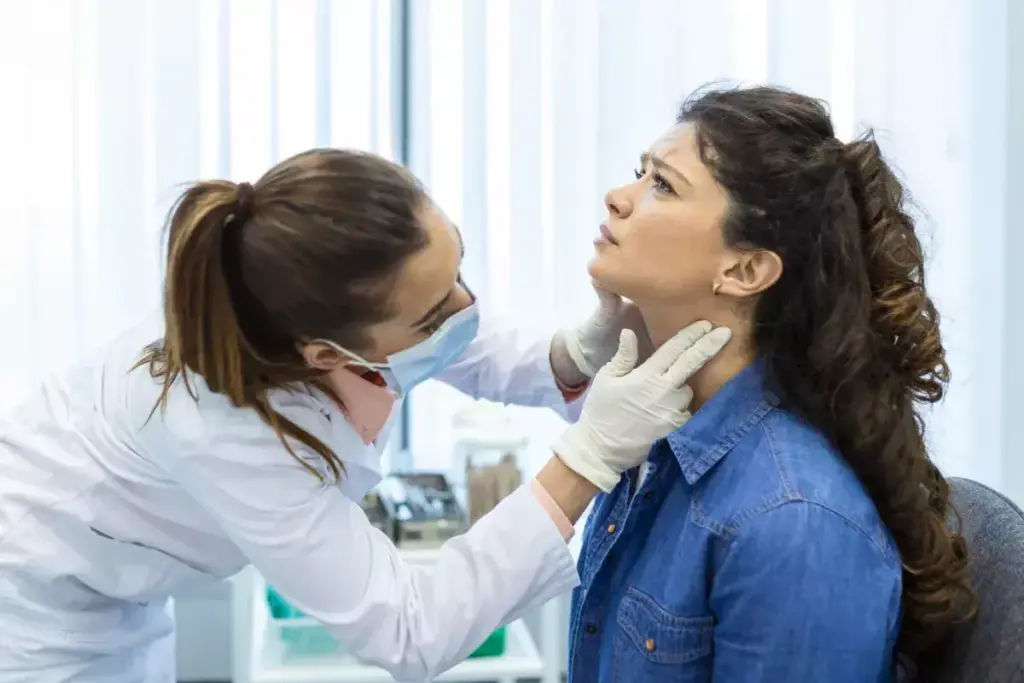
Recent studies show a big increase in hypothyroidism cases in the United States. Hypothyroidism is when the thyroid gland doesn’t make enough thyroid hormones. We’ll look at how common it is, the rise from 2012 to 2019, and how it affects different groups.
Rising Prevalence Rates from 2012-2019
Hypothyroidism cases in the United States have gone up a lot. From 9.5% in 2012 to 11.7% by 2019, the numbers are alarming. This shows a big increase in the health issue.
This rise is a big worry for doctors, as it means more people need treatment. Knowing this helps doctors plan better and use resources wisely.
Subclinical vs. Overt Hypothyroidism Statistics
Hypothyroidism can be either subclinical or overt. Subclinical is when hormone levels are a bit low but not too low. It’s more common than overt hypothyroidism.
“The prevalence of subclinical hypothyroidism is noticeably higher than that of overt hypothyroidism, highlighting the importance of early detection and monitoring.”
Our data shows subclinical hypothyroidism makes up about 8.7% of cases. Overt hypothyroidism is around 3.0%.
| Type of Hypothyroidism | Prevalence (%) |
| Subclinical Hypothyroidism | 8.7 |
| Overt Hypothyroidism | 3.0 |
Demographic Distribution of Hypothyroid Issues
Some groups get hypothyroidism more than others. Women are more likely to get it than men. It’s also more common in older adults.
Women are almost twice as likely as men to get hypothyroidism. Age also matters, with rates going up a lot after 60.
Knowing who gets hypothyroidism helps with better screening and prevention.
Age of Onset: When Hypothyroidism Typically Develops
Hypothyroidism can start at any age, but it’s more common as people get older. This is true, mainly for the elderly.
The National Institute of Diabetes and Digestive and Kidney says it’s more common in older adults. This is because autoimmune thyroiditis gets more common with age.
Risk Factors Across Different Age Groups
Hypothyroidism can happen to people of all ages. But, some age groups face higher risks.
- Children and Adolescents: Congenital hypothyroidism is a big concern. It’s often due to thyroid gland problems or genetic issues.
- Adults: Autoimmune thyroiditis is a common cause. Women are more likely to get it than men.
- Elderly: Older adults face a higher risk. This is because of age-related changes and a higher chance of autoimmune thyroiditis.
Gender Differences in Hypothyroidism Development
Women are more likely to get hypothyroidism than men. This is true during certain times like after childbirth or during menopause.
| Gender | Risk Factors | Prevalence |
| Women | Autoimmune thyroiditis, postpartum thyroiditis, menopause | Higher |
| Men | Autoimmune thyroiditis | Lower |
Getting Diagnosed with Hypothyroidism
To diagnose hypothyroidism, doctors use a few steps. First, they look at your medical history and do a physical exam. They check for signs that might point to hypothyroidism.
Then, they do blood tests. These tests check your thyroid-stimulating hormone (TSH) and free thyroxine (FT4) levels. High TSH and low FT4 levels mean you have overt hypothyroidism.
Knowing when hypothyroidism starts and who’s at risk helps doctors catch it early. By spotting signs and using tests right, doctors can help patients get better sooner.
Conclusion: Understanding the Scope and Timing of Hypothyroidism
Knowing about hypothyroidism, or “hipotiroidismo” in English, is key for early treatment. It’s a condition where the thyroid gland doesn’t make enough hormones. This affects a person’s life quality a lot.
We’ve looked at how common hypothyroidism is, when it starts, and who it affects. It’s important to know the signs and risk factors. This way, people can get help early.
Research shows hypothyroidism’s prevalence varies in different groups. For example, up to 20% might have subclinical hypothyroidism, but many don’t get diagnosed. It’s more common in women and gets worse with age. Knowing what hypothyroidism is is important for both doctors and patients.
Getting diagnosed and treated early can greatly improve health. By understanding how to diagnose and treat hypothyroidism, people can manage it better. A “wait and see” approach is often recommended for mild cases, but only if they’re not antibody-positive.
FAQ
Is hypothyroidism a chronic illness?
Yes, hypothyroidism is a chronic condition that needs ongoing care and treatment.
What is hypothyroidism, and how does it affect thyroid function?
Hypothyroidism happens when the thyroid gland doesn’t make enough thyroid hormones. This leads to a drop in thyroid function and health problems.
What are the primary symptoms and health implications of hypothyroidism?
Symptoms include feeling very tired, dry skin, and a higher risk of heart disease. Knowing these symptoms helps manage the condition better.
How common is hypothyroidism in the United States?
Hypothyroidism has been growing in the U.S. It’s seen more in women and older adults, with big jumps from 2012 to 2019.
What is the difference between subclinical and overt hypothyroidism?
Subclinical hypothyroidism has normal thyroid hormone levels but high TSH. Overt hypothyroidism has low hormone levels and high TSH.
At what age does hypothyroidism typically start?
It can start at any age, but it’s more common in older adults. Symptoms and risks vary by age.
Are there any gender differences in the development of hypothyroidism?
Yes, women get hypothyroidism more often than men. Knowing this helps spot and treat it early.
How is hypothyroidism diagnosed?
Doctors use physical checks, medical history, and blood tests to diagnose it. These tests check TSH and hormone levels.
What is the age of onset for hypothyroidism?
It can start at any age, but it’s more common in older adults. The risk and symptoms change with age.
Is hypothyroidism an endocrine disorder?
Yes, it’s a chronic endocrine disorder that affects the thyroid gland and its function.
What does hipotiroidismo mean in English?
Hipotiroidismo is the Spanish word for hypothyroidism.
What is the meaning of hypothyroidism?
Hypothyroidism is when the thyroid gland doesn’t work right. This leads to low hormone production and health problems.
References
National Center for Biotechnology Information. Evidence-Based Medical Guidance. Retrieved from https://pmc.ncbi.nlm.nih.gov/articles/PMC9706417/


 Departments
 Related Videos
 Our Doctors
 News
News