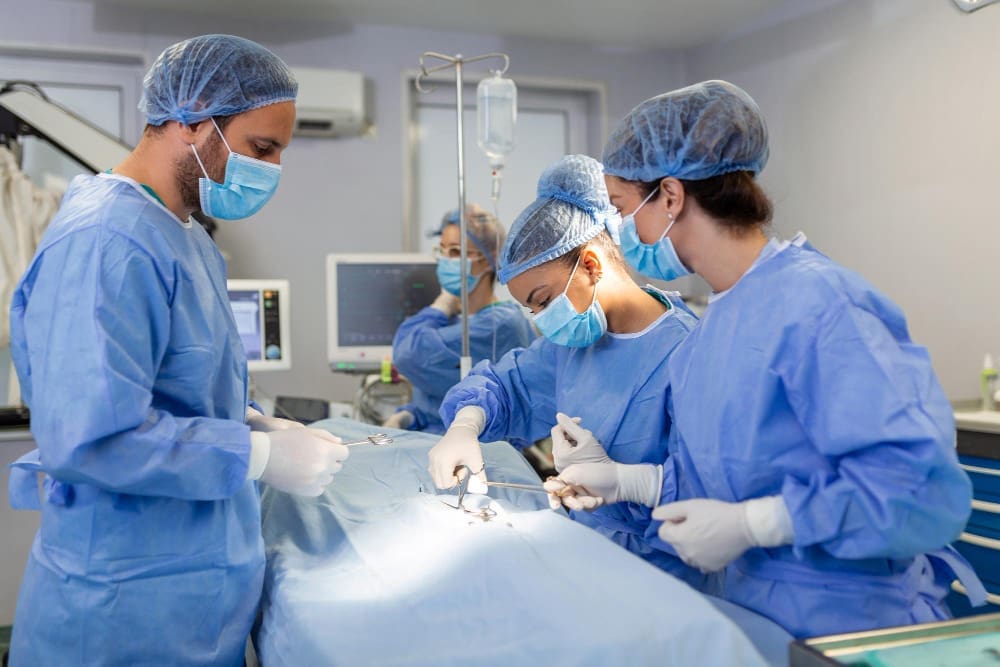
Spinal tumor surgery is a complex procedure. It carries significant risks but is often needed to treat tumors. At Liv Hospital, we understand the complexity of this treatment and the need for thorough care.
Dealing with spinal tumor surgery can be scary. It’s important to know what to expect. Our aim is to offer a balanced view. We combine medical knowledge with empathy to help patients make informed choices about their treatment.
Key Takeaways
- Spinal tumor surgery is a complex procedure with significant risks and possible complications.
- It’s vital for patients to understand the risks and outcomes of this treatment.
- Liv Hospital is dedicated to providing advanced care and patient-centered excellence.
- Patients should be aware of the possible benefits and risks of spinal tumor surgery.
- Knowing all about the treatment options is key for making informed decisions.
Understanding Spinal Tumors and Their Impact
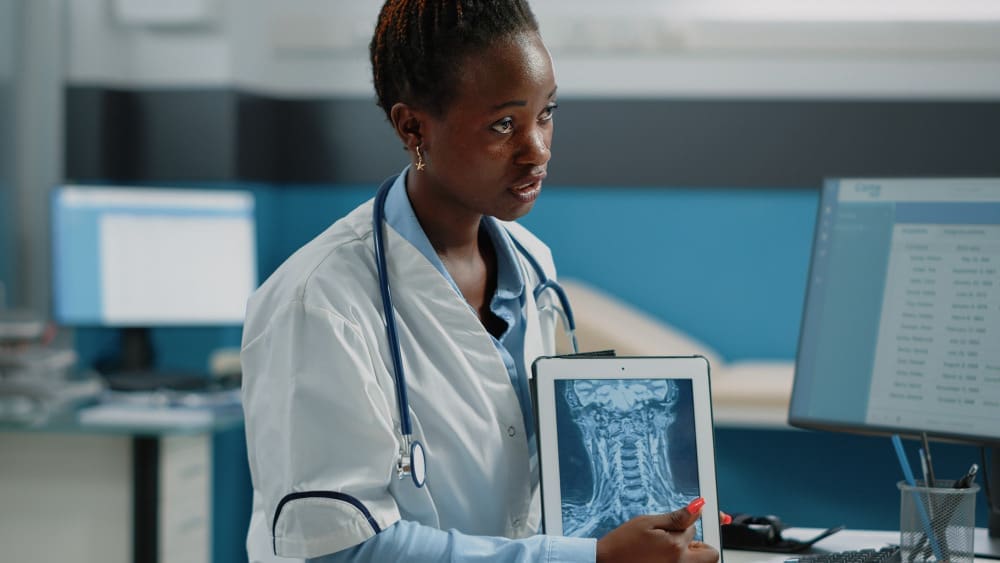
It’s important to know about spinal tumors to find the right treatment. These tumors can be either benign or malignant. They pose challenges for both patients and doctors.
Types of Spinal Tumors: Benign vs. Malignant
Spinal tumors fall into two main types: benign and malignant. Benign tumors are not cancerous and don’t spread. But, they can press on nerves and cause problems. Malignant tumors, being cancerous, can spread and are more serious.
Knowing if a tumor is benign or malignant helps decide how to treat it. Benign tumors might need surgery or watchful waiting. Malignant tumors need stronger treatments like surgery, radiation, and chemotherapy.
| Tumor Type | Characteristics | Typical Treatment |
|---|---|---|
| Benign | Non-cancerous, slow-growing | Surgery, observation |
| Malignant | Cancerous, potentially metastatic | Surgery, radiation, chemotherapy |
How Tumors Affect Spinal Function
Spinal tumors can harm spinal function by pressing on the spinal cord or nerves. This can cause pain, numbness, weakness, and even paralysis. The damage depends on the tumor’s size, location, and type.
“The presence of a spinal tumor can drastically alter a patient’s quality of life, necessitating a thorough understanding of its implications to guide treatment decisions.”
When Surgery Becomes Necessary
Surgery is often needed when a spinal tumor causes serious symptoms or nerve damage. The decision to have surgery depends on the tumor’s type, location, and the patient’s health. Surgery aims to remove the tumor, ease nerve pressure, and stabilize the spine.
In summary, knowing about spinal tumors and their effects is key to choosing the right treatment. By understanding the differences between benign and malignant tumors, patients and doctors can make better care choices.
Spinal Cord Tumor Operation: Procedure Overview
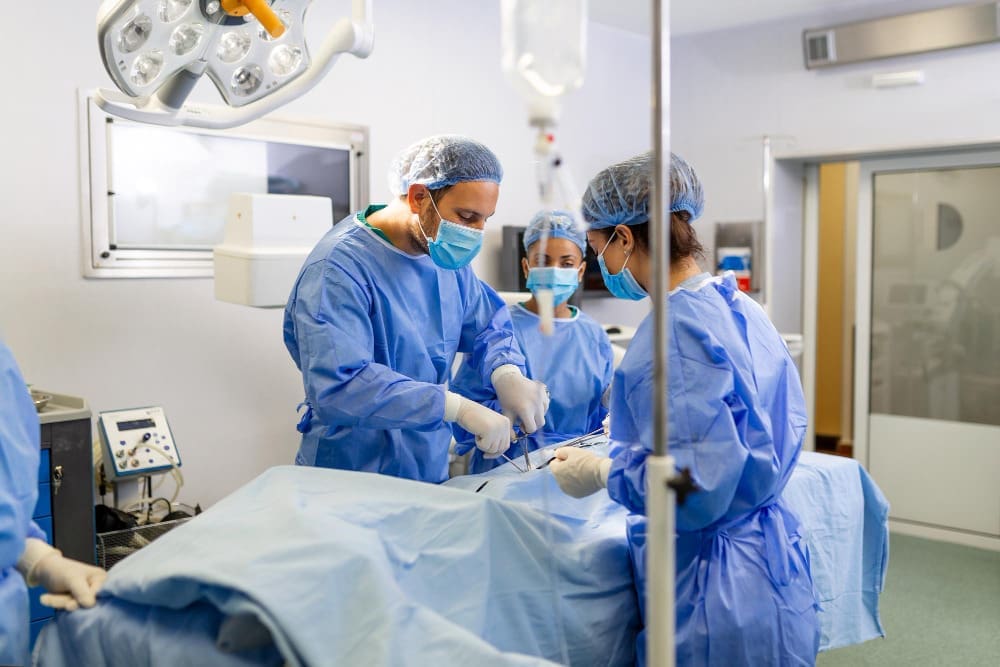
Removing a spinal cord tumor is a complex surgery. It needs a skilled team. The surgery uses different methods and techniques.
Surgical Approaches and Techniques
The surgery’s approach depends on the tumor’s location and size. Posterior, anterior, and lateral approaches are used. Each has its own benefits.
The surgeon chooses the technique based on the tumor and the patient’s health. Microsurgical techniques help protect nearby nerves.
En Bloc Resection vs. Targeted Approaches
En bloc resection removes the tumor in one piece. It’s best for malignant tumors to stop cancer spread. On the other hand, targeted approaches remove the tumor in pieces. This is good for some benign tumors or when en bloc is not possible.
| Surgical Approach | Indications | Advantages |
|---|---|---|
| En Bloc Resection | Malignant tumors, large tumors | Reduces risk of tumor recurrence, oncologically sound |
| Targeted Approaches | Benign tumors, tumors in sensitive areas | Less invasive, preserves surrounding tissue |
Preoperative Planning and Considerations
Planning before surgery is key. Imaging studies like MRI and CT scans are used. They help understand the tumor and its surroundings.
Other important things include the patient’s health and risks of surgery. A team of experts works together for the best results.
Diagnostic Procedures for Spinal Tumors
Getting a correct diagnosis is key to treating spinal tumors well. We use many diagnostic methods to find out what kind of tumor it is and how big it is. These methods help us understand the tumor’s details.
Imaging Studies
Imaging studies are very important for finding spinal tumors. We use different imaging tools to get detailed information about the tumor.
- MRI (Magnetic Resonance Imaging): MRI is the best for seeing soft tissues like tumors. It shows the tumor’s size, where it is, and how it affects nearby nerves.
- CT (Computed Tomography): CT scans are great for looking at bones and finding calcifications in tumors. They show how the tumor affects the bone.
- PET (Positron Emission Tomography): PET scans check how active the tumor is. They help tell if the tumor is cancerous and how well it’s responding to treatment.
We often use these imaging studies together to get a full picture of the tumor.
Spinal Tap and Cerebrospinal Fluid Analysis
A spinal tap, or lumbar puncture, collects cerebrospinal fluid (CSF) for testing. This test can help find certain spinal tumors, like those affecting CSF or meninges.
CSF analysis can show things like high protein levels, tumor cells, or glucose changes. These signs can point to a spinal tumor.
Biopsy Techniques and Their Risks
A biopsy takes a tumor tissue sample for lab tests. It’s the best way to know if a tumor is benign or malignant.
There are a few biopsy methods:
- Needle Biopsy: A small, less invasive procedure using a needle to get tissue.
- Open Biopsy: A surgery where the tumor is opened to get a sample.
Biopsy is very important but it has risks like infection, bleeding, and damage to nerves. The choice of biopsy method depends on the tumor’s location, size, and type.
By using these diagnostic methods together, we can accurately diagnose and understand spinal tumors. This helps us plan the best treatment.
Major Risk Factors for Spine Tumor Surgery
It’s important to know the risks of spine tumor surgery. This surgery, like any other, has risks. These risks fall into two main categories: those related to the patient and those related to the tumor.
Patient-Related Risk Factors
Factors related to the patient can affect the surgery’s outcome. These include:
- Age: Older patients might face more risks due to health issues.
- Overall Health: Conditions like diabetes or heart disease can raise surgical risks.
- Nutritional Status: Poor nutrition can slow healing and increase complications.
- Smoking: Smoking can harm spinal fusion and lead to other issues.
A study found that improving patient health before surgery is key. It helps reduce risks and improve results.
We stress the need for a detailed check-up before surgery. This helps identify and lower these risks.
Tumor-Related Risk Factors
Risks tied to the tumor are also critical. These include:
- Tumor Type: Whether the tumor is benign or malignant affects surgery planning.
- Tumor Location: Tumors in key spine areas can be more challenging and risky.
- Tumor Size: Bigger tumors need more surgery, which raises the risk of problems.
- Tumor Invasion: Tumors that spread to nearby tissues can make surgery harder.
“Spine tumor surgery’s complexity demands a deep understanding of the tumor,” as guidelines in surgical oncology say. We see these factors as key in planning and performing successful surgeries.
By tackling both patient and tumor risks, we can manage surgery risks better. This helps improve patient results.
Common Complications of Spinal Cord Tumors Surgery
Knowing the risks of spinal cord tumor surgery is key for making smart choices. This surgery can save lives but also comes with big risks and complications.
Immediate Surgical Complications
Right after surgery, some problems can happen. These include:
- Infection: Surgery can lead to infections, just like any other operation.
- Bleeding: Too much bleeding can cause blood clots.
- Respiratory Complications: Tumors near breathing centers can cause breathing problems.
Table: Immediate Surgical Complications and Their Management
| Complication | Description | Management |
|---|---|---|
| Infection | Bacterial or fungal infection at the surgical site | Antibiotics, wound care |
| Bleeding/Hematoma | Excessive bleeding or collection of blood outside blood vessels | Hemostasis, possible reoperation |
| Respiratory Issues | Difficulty breathing or respiratory failure | Ventilatory support, close monitoring |
Neurological Complications
Neurological problems are a big worry in spinal cord tumor surgery. The spinal cord and nearby areas are very delicate.
Some possible neurological issues include:
- Motor Weakness: Surgery can damage nerves, leading to weak or paralyzed limbs.
- Sensory Deficits: Damage to nerves can cause loss or changes in feeling.
- Bladder and Bowel Dysfunction: Nerve damage can affect bladder and bowel control.
It’s vital for patients to talk to their doctors about these risks. This way, they can understand the chances and benefits for their case.
Long-Term Complications and Concerns
It’s important to know about the long-term effects of spinal tumor surgery. The surgery aims to remove the tumor and stabilize the spine. But, the long-term effects are just as important.
Hardware Failure and Spinal Instability
One big concern is hardware failure, which can cause spinal instability. Hardware failure happens when the implanted devices, like rods or screws, break or loosen. This can lead to pain, deformity, and might need more surgery.
A study in the Journal of Neurosurgery: Spine found that hardware failure is common after spinal instrumentation, even in patients with tumors.
“The use of advanced materials and techniques has improved the durability of spinal implants, but close monitoring is always needed.”
Chronic Pain Syndromes
Chronic pain is a big worry for patients after spinal tumor surgery. The surgery and the condition itself can cause ongoing pain. Pain management strategies include medication, physical therapy, and more.
Tumor Recurrence Risks
The risk of the tumor coming back is a big worry for patients. The chance of recurrence depends on the tumor type, grade, and how well the surgery removed it. Regular check-ups with imaging studies are key for catching recurrence early.
Regular monitoring helps catch recurrence early. This can lead to better outcomes.
Impact on Quality of Life
The impact on a patient’s quality of life is very important. Long-term issues can affect physical, emotional, and social well-being. A care plan that covers all these areas is essential.
A patient advocate said, “Quality of life is not just about surviving. It’s about living with dignity and as much normalcy as possible after spinal tumor surgery.”
Advanced Techniques in Spinal Cord Tumor Treatment
Spinal cord tumor treatment has seen big changes. New methods are making treatments better and safer. They help patients recover faster and avoid serious problems.
Minimally Invasive Surgical Options
Minimally invasive surgery is changing how we treat spinal cord tumors. It uses smaller cuts, less damage, and less blood loss. This means patients can get back to their lives sooner.
We use top-notch imaging to guide these precise surgeries. This helps us avoid mistakes and make sure the tumor is removed safely.
Benefits of minimally invasive surgery include less pain, shorter hospital stays, and fewer infections. It’s great for patients with tricky spinal structures or those at high risk for problems.
Intraoperative Neuromonitoring
Intraoperative neuromonitoring (IONM) is key in spinal cord tumor surgery. It lets us watch neural function in real-time. This way, we can protect important nerve paths.
IONM cuts down the chance of nerve damage during surgery. We can adjust our approach on the fly. This ensures the best results for our patients.
Nerve-Sparing Techniques
Nerve-sparing techniques help keep nerves safe while removing tumors. We use special tools and skills to carefully work around nerves. This reduces the risk of nerve damage.
These techniques need a deep understanding of spinal anatomy. They also require flexibility in handling complex situations. By focusing on nerve preservation, we help patients keep their nerve function. This improves their quality of life.
Targeted Radiation and Chemotherapy
Targeted radiation and chemotherapy are also key in treating spinal cord tumors. They can be used alone or with surgery to target tumor cells better.
Targeted therapies allow for high doses of treatment right to the tumor. This reduces harm to healthy tissues. It makes treatment more effective and lowers side effects.
We team up with experts from different fields to create personalized treatment plans. We use the latest in surgery, radiation, and chemotherapy. This way, we offer complete care tailored to each patient’s needs.
Recovery and Rehabilitation After Back Tumor Surgery
Recovering from back tumor surgery is a complex process. It involves physical therapy, managing pain, and watching for complications. This phase is key to getting the best results and building strength back up.
Typical Recovery Timeline
The time it takes to recover can differ a lot. It depends on the surgery’s complexity, the patient’s health, and if there are any nerve issues. Usually, patients stay in the hospital for a few days to a week after surgery.
We keep a close eye on patients for any immediate problems. We start moving them and starting their rehab right away. It can take months to fully recover, with slow but steady progress in strength and function.
Physical Therapy Protocols
Physical therapy is very important in recovery. It helps patients get their mobility, strength, and flexibility back. We create therapy plans that fit each patient’s needs and surgery details.
- Initial phase: Focuses on gentle mobilization and pain management.
- Intermediate phase: Includes progressive strengthening and flexibility exercises.
- Advanced phase: Emphasizes functional activities and return to normal daily routines.
Managing Post-Surgical Pain
Managing pain well is key for a smooth recovery. We use a mix of medicines, like painkillers and nerve pain meds, based on each patient’s pain.
It’s important for patients to tell their healthcare team about their pain so we can adjust the treatment as needed. We also use other methods like nerve blocks or physical therapy to help with pain.
Signs of Complications During Recovery
Though rare, complications can happen during recovery. We teach patients about signs that mean they need to see a doctor right away, like:
- Increasing pain or new nerve problems.
- Signs of infection, like fever, redness, or swelling at the surgery site.
- Problems with urination or bowel movements.
Telling us about these symptoms quickly can really help us treat them better and improve your recovery.
Special Considerations for Metastatic Spinal Cancer Treatment
Treating metastatic spinal cancer needs a detailed plan that focuses on both living longer and feeling better. We face unique challenges when dealing with this disease.
Surgical Goals for Metastatic Disease
Surgery for metastatic spinal cancer aims to reduce pain, stabilize the spine, and keep nerves working well. Surgery helps by fixing spinal problems or easing pressure on nerves, making life better for patients.
Choosing surgery depends on many things. We look at the patient’s health, how far the cancer has spread, and how well they might recover. We also think about how long they might live, if cancer is in other places, and their physical state.
Balancing Quality of Life with Treatment Aggressiveness
Finding the right balance between treating cancer aggressively and keeping the patient’s quality of life is key. We aim to get the best results without harming the patient’s remaining time.
We assess each patient’s needs and wishes carefully. We consider their symptoms, how well they can function, and their personal goals. This helps us tailor treatments that support their well-being.
Multidisciplinary Approach to Treatment
Dealing with metastatic spinal cancer works best when many experts work together. This team approach makes sure all parts of care are covered.
Together, we offer various treatments like surgery, radiation, chemotherapy, and supportive care. Each plan is made for the patient’s specific situation. Our goal is to improve outcomes and quality of life for each patient.
Conclusion: Weighing the Risks and Benefits of Spinal Tumor Surgery
Spinal tumor surgery is a complex procedure with both risks and benefits. Understanding these aspects is key to making informed decisions about care.
We’ve looked at the different types of spinal tumors and how they are diagnosed. We’ve also discussed the various surgical approaches and the possible complications. By considering these, patients can make decisions that fit their unique needs.
A personalized approach to spinal tumor surgery is vital. It considers each patient’s specific factors and needs. We stress the importance of a team effort in treatment, combining advanced surgery with full care and support.
Choosing to have spinal tumor surgery is a big decision. It needs careful thought about its risks and benefits. By giving patients a clear understanding of the procedure and its outcomes, we help them make informed choices about their care.
What are the risks associated with spinal tumor surgery?
Spinal tumor surgery comes with risks like immediate complications and long-term issues. These include hardware failure and tumor coming back. Knowing these risks helps manage expectations and find ways to reduce them.
How are spinal tumors diagnosed?
Diagnosing spinal tumors involves several steps. These include MRI and CT scans, spinal tap, and biopsy. These tools help figure out the tumor’s nature and plan treatment.
What are the differences between benign and malignant spinal tumors?
Benign tumors are usually not cancerous and might not need aggressive treatment. Malignant tumors, being cancerous, need more intense treatment like surgery, radiation, and chemotherapy. Knowing the tumor type is key to choosing the right treatment.
What is the typical recovery timeline after back tumor surgery?
The recovery time after back tumor surgery varies. It can take weeks to months, depending on the surgery’s complexity. Physical therapy and managing pain are important during this time.
What are the advanced techniques used in spinal cord tumor treatment?
Modern treatments for spinal cord tumors include minimally invasive surgery and intraoperative neuromonitoring. Techniques like nerve-sparing and targeted radiation and chemotherapy are also used. These aim to improve outcomes and lower risks.
How is metastatic spinal cancer treated?
Treating metastatic spinal cancer involves a team effort. It balances treating the cancer with improving the patient’s quality of life. Surgery aims to relieve symptoms, stabilize the spine, and enhance life quality.
What are the common complications of spinal cord tumor surgery?
Common complications include immediate issues like infection and bleeding. Neurological problems like nerve damage and paralysis can also occur. It’s important to understand these risks to manage expectations.
How can post-surgical pain be managed after spinal tumor surgery?
Managing pain after surgery involves medication, physical therapy, and other methods. Our team works with patients to create a personalized pain plan.
What is the impact of spinal tumor surgery on quality of life?
Spinal tumor surgery can greatly affect a patient’s life, both positively and negatively. It can relieve symptoms and improve function but also carries risks and complications. Understanding these factors is vital for making informed choices.
What is en bloc resection, and when is it used?
En bloc resection is a surgical method to remove a tumor in one piece with healthy tissue. It’s often used for malignant tumors or those hard to remove in pieces.
How does intraoperative neuromonitoring work during spinal tumor surgery?
Intraoperative neuromonitoring uses special equipment to watch the nervous system during surgery. It helps reduce the risk of nerve damage. This technique helps surgeons make better decisions during the surgery.
References
- National Center for Biotechnology Information (NCBI). PMC9600441. https://www.ncbi.nlm.nih.gov/pmc/articles/PMC9600441