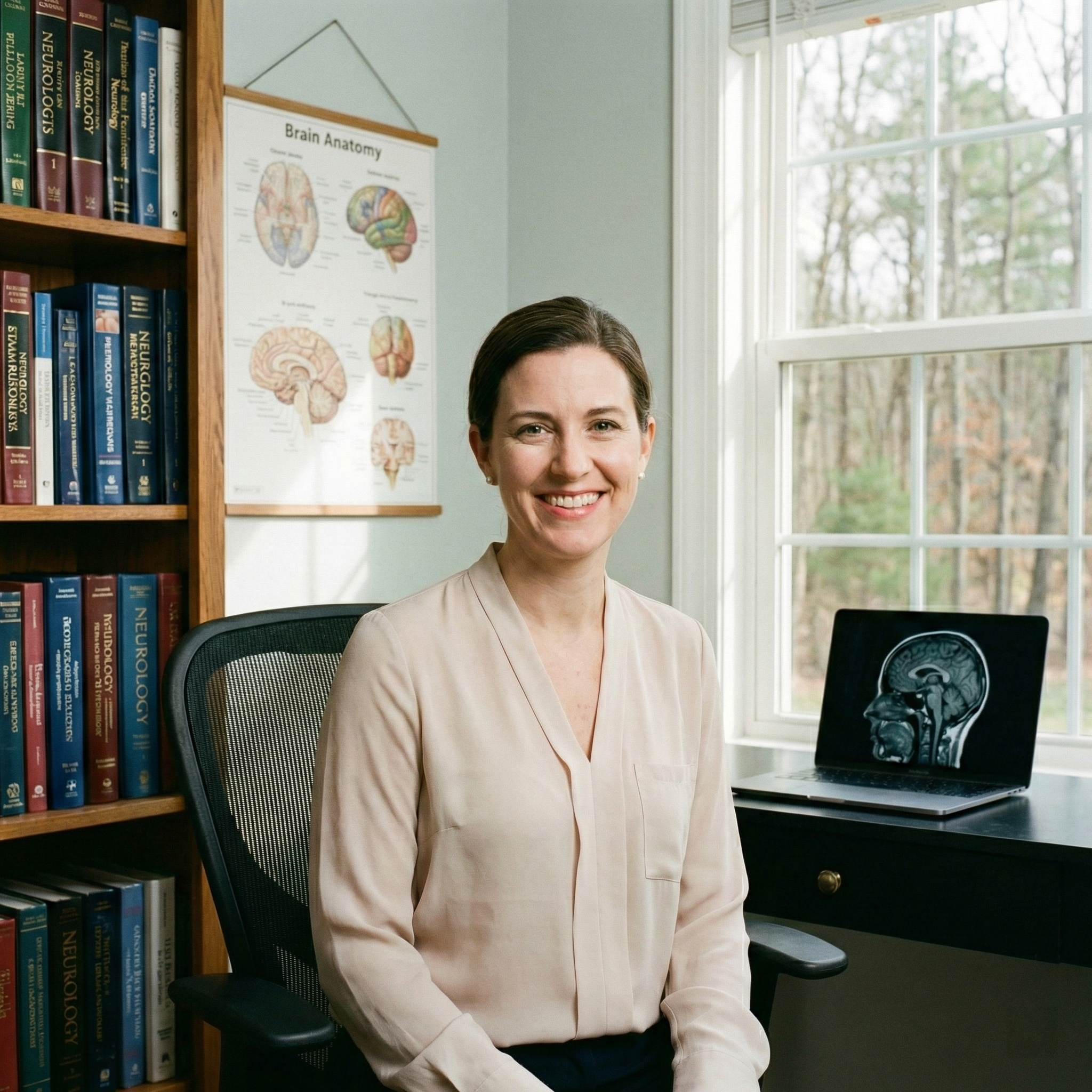

When you keep getting headaches or notice small changes in your brain, it’s important to act fast. At Liv Hospital, we’ve seen how key it is to spot brain tumor symptoms early. Many brain tumor patients say their journey started with small signs that turned out to be big.
Headaches are one of the most common initial symptoms reported by brain tumor patients. Studies show that symptoms can change, even in early stages or with slow-growing tumors. We’ll share stories of patients who found out they had brain tumors, focusing on their first signs and experiences.
Key Takeaways
- Early recognition of brain tumor symptoms is key for good treatment.
- Headaches are a common first sign of brain tumors.
- Brain tumor symptoms can be subtle and may come and go.
- Personal stories of brain tumor patients and survivors offer valuable insights.
- Liv Hospital’s expertise brings reassurance to those seeking answers.
The Reality of Brain Tumor Diagnosis: Personal Experiences

Getting a brain tumor diagnosis can change your life. It brings a mix of feelings and many questions. The journey to finding out you have a brain tumor is key. It shapes how you feel and what treatment you choose.
Common First Realizations Among Patients
Patients often notice something’s wrong because of persistent and unusual symptoms. These can be headaches, seizures, or changes in how they think. It’s important to notice when these symptoms are different.
The Importance of Early Recognition
Spotting brain tumor symptoms early is key for a good diagnosis and treatment. Research shows early diagnosis leads to better results. We stress the need to know the signs and get medical help fast.
The Emotional Journey of Diagnosis
The emotional path after a brain tumor diagnosis is complex. People feel shock, denial, fear, and anxiety. Support from loved ones and doctors is essential. We aim to care for both the medical and emotional sides of our patients.
Sharing personal stories helps us grasp the reality of brain tumor diagnosis. It shows why early detection and support matter. Our mission is to offer top-notch care and support to patients from around the world, guiding them every step of the way.
Understanding Brain Tumor Headaches: More Than Just Pain

Headaches from brain tumors are different from other headaches. They often show the tumor’s presence by causing more pressure inside the skull.
What Does a Brain Tumor Headache Feel Like?
These headaches are usually constant and get worse over time. They can feel like a dull ache or sharp pain. They often come with other symptoms too.
Morning Headaches and Positional Changes
Brain tumor headaches are often worse in the morning. This is because of increased pressure when lying down. Changing positions can also change how bad the headache feels.
“The headache was worse in the morning and improved slightly throughout the day. It was a constant, dull ache.” – Patient testimonial
Differentiating from Regular Headaches
It’s important to tell brain tumor headaches from regular ones. Brain tumor headaches last longer and can come with other symptoms like nausea or weakness.
Intensity and Duration Patterns
The pain from brain tumor headaches can get worse over time. They can last for days or even weeks.
| Characteristics | Brain Tumor Headaches | Regular Headaches |
|---|---|---|
| Intensity | Increasing severity | Varies, often episodic |
| Duration | Persistent, lasting days or weeks | Typically shorter duration |
| Associated Symptoms | Nausea, vomiting, neurological deficits | May have associated symptoms like photophobia |
Response to Pain Medication
Brain tumor headaches often don’t get better with usual pain meds. This can mean there’s something serious going on.
Key Takeaway: Brain tumor headaches have unique signs like getting worse in the morning and not getting better with meds. Knowing these signs can help find and treat the problem early.
How I Knew I Had a Brain Tumor: Recognition Patterns
The journey to finding out you have a brain tumor starts with a feeling of unease. This feeling grows into clear symptoms. This change is key for patients.
The “Something’s Not Right” Moment
Many people feel something is off before they know why. This feeling is hard to explain but is the first sign to look into. It might feel like being unwell or a vague feeling.
When Symptoms Became Undeniable
As the problem gets worse, the vague feelings turn into clear signs. These signs can be physical or neurological and show something is seriously wrong. At this point, many people go to see a doctor.
Seeking Medical Confirmation
Getting a doctor’s opinion is a big step in finding out what’s wrong. Doctors use tests and exams to figure out the cause of symptoms.
Diagnostic Tests and Procedures
Tests for brain tumors include MRI or CT scans, neurological checks, and sometimes a biopsy. These tests help confirm a tumor and learn about it.
Coming to Terms with the Diagnosis
Learning you have a brain tumor changes your life. Patients must deal with the news and treatment options. This involves understanding the medical side and the emotional impact.
Knowing how to spot brain tumor symptoms and the steps to get a diagnosis helps patients get help sooner. By sharing these experiences, we aim to support and guide others on similar paths.
Beyond Headaches: Neurological Warning Signs
Neurological warning signs go beyond just headaches. They include many symptoms that could mean a brain tumor. It’s key to spot these signs early for the best treatment.
Vision Changes and Eye Problems
Vision changes are a big warning sign. You might see things blurry, have double vision, or miss out on what’s on the sides. Some people might see colors differently or feel eye pain.
For example, reading or watching TV might get harder because of blurry vision. Learning about these symptoms can help figure out if you have a brain tumor.
Speech and Cognitive Difficulties
Speech and thinking problems are also important signs. You might speak slowly, have trouble finding words, or forget things. Doing simple tasks could become hard, showing you might be losing cognitive skills.
Unexplained Weakness or Numbness
Feeling weak or numb, mainly on one side, could mean a brain tumor. It might make walking, lifting, or even feeling in your face or hands hard.
Personality and Behavioral Changes
Changes in how you act or feel can happen too. You might feel moody, get easily upset, or act differently than usual. People close to you might notice these changes first.
When Loved Ones Notice Before You Do
Family and friends often spot these changes first. Their help in getting you to see a doctor is very important.
| Symptom | Description |
|---|---|
| Vision Changes | Blurred vision, double vision, loss of peripheral vision |
| Speech Difficulties | Slurred speech, difficulty finding the right words |
| Unexplained Weakness | Weakness or numbness on one side of the body |
| Personality Changes | Mood swings, irritability, uncharacteristic behavior |
The Deceptive Nature: Can Brain Tumor Symptoms Come and Go?
Brain tumors can have symptoms that come and go. This makes it hard for people to know when to get medical help. Symptoms might seem to get better or worse without warning.
The Science Behind Intermittent Symptoms
Studies show that brain tumor symptoms can change. This is true for slow-growing tumors. The reason is how the tumor affects the brain and its tissues.
As a tumor grows, it can put pressure on the brain. This can irritate nerves and disrupt brain functions. These changes can cause symptoms to appear and disappear.
Why Symptoms Fluctuate in Slow-Growing Tumors
Slow-growing tumors can cause symptoms that change. The brain tries to adapt to these changes. But, as the tumor grows, the brain can’t keep up.
This leads to more serious and lasting symptoms. It’s a sign that the tumor is getting bigger.
The Danger of Dismissing Temporary Symptoms
Ignoring temporary symptoms can be risky. It might delay finding and treating the tumor. Both patients and doctors need to be careful.
They should know that even changing symptoms can mean a serious problem. Like a brain tumor.
Research on Symptom Patterns
Research has looked into how symptoms change in brain tumor patients. It found that symptoms can vary a lot. Knowing these patterns is key to catching tumors early.
Patient Stories of Fluctuating Symptoms
Many people with brain tumors have symptoms that change. These can include headaches, vision problems, or trouble thinking. Their stories show why we should listen to patients.
Even if symptoms seem to disappear, they can come back. By understanding this, patients and doctors can work together. They can find and treat tumors sooner.
Brain Tumor Symptoms in Females: Gender Differences
Women with brain tumors often show different symptoms than men. This is due to hormonal and physical factors. Studies have found that women’s symptoms can be unique.
Unique Symptom Presentations in Women
Women with brain tumors might have symptoms like memory problems and cognitive changes. These symptoms can be hard to spot and might be mistaken for other issues. This makes it tough to diagnose.
Hormonal Influences on Symptom Expression
Hormonal changes can affect how symptoms show up in women. For example, symptoms might change during the menstrual cycle or menopause. Knowing this is key for correct diagnosis and treatment.
Memory Problems and Cognitive Changes
Women with brain tumors often have trouble remembering things and focusing. These issues can really affect their daily lives. It’s important to get these symptoms checked by a doctor.
Challenges in Diagnosis for Female Patients
Diagnosing brain tumors in women can be tricky. Symptoms vary, and hormonal changes can play a role. Duke Neurology says doctors need to be more aware of these differences.
| Symptom | Commonality in Women | Potential Misdiagnosis |
|---|---|---|
| Memory Problems | High | Alzheimer’s or menopause-related |
| Cognitive Changes | Moderate | Depression or anxiety |
| Headaches | High | Migraine or tension headache |
By understanding women’s unique symptoms and the challenges in diagnosis, we can improve early detection and treatment of brain tumors in women.
Physical Sensations: Can You Feel a Brain Tumor on Your Head?
Many people wonder if they can feel a brain tumor on their head. This question comes from not understanding how brain tumors show up. They worry if a brain tumor can be felt through sensations on the scalp or head.
Addressing Common Misconceptions
One myth is that a brain tumor feels like a lump on the head. But, brain tumors usually don’t cause lumps or bumps that can be felt. Instead, they cause different internal feelings and symptoms.
Internal Pressure Sensations
Some people feel internal pressure or discomfort, which might be from the tumor. This internal pressure sensation is not feeling the tumor itself. It’s more about how it affects the brain tissue around it.
When Physical Symptoms Manifest Externally
In some cases, brain tumors can cause symptoms that can be felt outside. These can include:
- Scalp sensitivity
- Localized pain
- Other unusual sensations on the head or scalp
Scalp Sensitivity and Localized Pain
Scalp sensitivity or pain can happen because of the tumor’s location. It affects nerves and tissues nearby. These symptoms are not the tumor itself but how the body reacts to it.
What Medical Professionals Say About Physical Detection
Doctors say you can’t feel a brain tumor through external sensations. They use tests like MRI or CT scans for diagnosis. It’s key to see a doctor if you have unusual or ongoing symptoms.
It’s important to know how brain tumors and physical sensations are linked for early treatment. You can’t feel a brain tumor on your head. But, knowing about internal pressure and external symptoms can lead you to get checked by a doctor.
Brain Tumor Survivor Stories: First Symptoms and Diagnosis Journeys
Brain tumor survivor stories show our strength and hope when faced with tough times. They inspire and teach us about early signs and the diagnosis process.
Personal Accounts from Survivors
Survivors share their journeys, pointing out the first symptoms that made them seek help. Many thought they were just stressed or tired. “I thought I was just stressed or tired,” says one survivor, “but looking back, there were clear signs that something was wrong.”
These stories stress the need to be aware and act fast when symptoms seem unusual.
Lessons Learned from Delayed Diagnoses
Some survivors faced delays in getting a diagnosis. These experiences taught them the value of persistence and speaking up for themselves. A common lesson is not to ignore persistent symptoms.
They urge patients to be proactive, seeking second opinions and pushing for thorough tests when symptoms don’t go away.
How Survivors Advocated for Themselves
Self-advocacy is a big part of brain tumor survivor stories. Many had to fight for answers and the right care in complex medical systems.
One survivor remembers, “I had to insist on more tests. My doctor thought it was a migraine, but I knew it was more.” This determination is key in many survivor tales.
Support Systems and Resources
A strong support system is vital for those facing a brain tumor diagnosis. Family, friends, and support groups offer emotional support and practical help.
Survivors often talk about the value of connecting with others who’ve gone through similar things. Sharing resources and advice is important.
| Support System | Role | Impact |
|---|---|---|
| Family and Friends | Emotional Support | Provides comfort and practical help |
| Support Groups | Shared Experiences | Offers advice and community |
| Medical Team | Professional Care | Delivers treatment and guidance |
Life After Diagnosis: Hope and Resilience
Life after a brain tumor diagnosis is tough but also filled with hope and resilience. Survivors often talk about a newfound appreciation for life and a drive to make every day count.
Hope is a big theme, with many finding ways to stay positive and engaged. This can be through advocacy, supporting others, or pursuing personal interests.
These stories remind us of the importance of early detection and our ability to overcome challenges.
Conclusion: When to Seek Medical Attention and Next Steps
It’s important to know the early signs of a brain tumor. We’ve looked at personal stories and why it’s key to watch for symptoms like headaches and vision changes. These signs can mean something serious.
If you’re worried about your symptoms, don’t hesitate to see a doctor. Talking to a healthcare professional can help figure out what’s going on. Knowing about brain tumors early can make a big difference.
When you’re unsure about your symptoms, talk to a doctor. They can help you understand what’s happening and what tests you might need. Remember, taking care of your health is important. If you’re feeling off, it’s best to get checked out.
By sharing our stories, we can help others know the signs of brain tumors. This way, they can get help sooner. For more info and support, check out forums and resources focused on brain tumor awareness and patient support.
What does a brain tumor headache feel like?
Brain tumor headaches can feel like a dull pressure or sharp pain. They might be constant or come and go. Unlike regular headaches, they can also cause nausea, vomiting, and vision changes.
Can brain tumor symptoms come and go?
Yes, symptoms can change over time, even with slow-growing tumors. This can happen due to changes in the tumor, inflammation, or hormonal shifts.
How did people know they had a brain tumor?
People often noticed something was wrong with persistent or severe headaches, vision changes, or speech issues. Some felt unwell or sensed something was off.
Can you feel a brain tumor on your head?
Most brain tumors don’t cause physical symptoms on the head. But, a growing tumor can sometimes cause swelling or bulging.
Do brain tumor symptoms differ in women?
Yes, symptoms can vary in women due to hormones. Women might experience memory problems, cognitive changes, or hormonal imbalances.
What are the neurological warning signs of a brain tumor?
Warning signs include vision changes, speech issues, weakness, numbness, personality changes, and cognitive problems. If you notice these, seek medical help.
Can brain tumor pain come and go?
Yes, pain, including headaches, can be intermittent. It can change due to tumor size, inflammation, or hormones.
Why is early recognition of brain tumor symptoms important?
Recognizing symptoms early is key for timely treatment. Delaying can let the tumor grow, worsening symptoms and reducing treatment options.
What should I do if I’m concerned about my symptoms?
If you’re worried, see a healthcare professional. They will check your symptoms, run tests, and guide you on what to do next.
References
- MD Anderson Cancer Center (How I Knew I Had a Brain Tumor) : https://www.mdanderson.org/cancerwise/how-i-knew-i-had-a-brain-tumor—4-survivors-share-their-symptoms.h00-159699123.html
- National Brain Tumor Society (Signs and Symptoms) : https://braintumor.org/brain-tumors/diagnosis-treatment/signs-symptoms
- Canadian Cancer Society (Brain and Spinal Cord Signs and Symptoms) : https://cancer.ca/en/cancer-information/cancer-types/brain-and-spinal-cord/signs-and-symptoms
- UT Physicians (Brain Tumors in Women) : https://www.utphysicians.com/brain-tumors-in-women
- Macmillan Cancer Support (Signs and Symptoms of a Brain Tumour) : https://www.macmillan.org.uk/cancer-information-and-support/brain-tumour/signs-and-symptoms-of-a-brain-tumour