At Liv Hospital, we always put our patients first. Beta blockers are a type of medicine used for many years. They help manage heart problems.Learn how do beta blockers work, their effects on the heart, and why they’re considered safe for most heart patients.
These medicines block beta-adrenergic receptors in the heart and blood vessels. This action lowers heart rate, how hard the heart pumps, and blood pressure. Knowing how beta blockers work helps patients understand their importance for heart health.
Beta blockers are used for heart and blood issues like irregular heartbeats, chest pain, and high blood pressure. They are also given for conditions not related to the heart, like anxiety.
Key Takeaways
- Beta blockers reduce heart rate and blood pressure by blocking beta-adrenergic receptors.
- They are commonly used to treat cardiovascular conditions, including irregular heart rhythms and high blood pressure.
- Beta blockers can also be prescribed for non-heart conditions like anxiety.
- Understanding beta blockers can help patients appreciate their role in heart health.
- Patient safety and optimal outcomes are always our top priority when using beta blockers.
Understanding Beta Blockers: Their Role in Cardiac Care

Beta blockers are key in treating heart issues. Knowing how they work is important for doctors and patients alike.
What Are Beta Blockers?
Beta blockers help the heart by making it work less hard. They also widen blood vessels. This makes the heart beat slower and with less force. It improves blood flow and lowers blood pressure.
Why Take a Beta Blocker?
Doctors prescribe beta blockers for many heart problems. These include angina, heart failure, and irregular heartbeats. They also help control high blood pressure and prevent heart attacks. By easing the heart’s workload, beta blockers help patients feel better and live better lives.
Overview of Beta Blocker Usage in Modern Medicine
In today’s medicine, beta blockers are vital for heart health. They treat many conditions, from high blood pressure to heart failure. The benefits include:
- Reducing blood pressure
- Managing angina symptoms
- Improving survival in heart failure patients
- Preventing heart attacks
Understanding beta blockers helps patients see why sticking to their treatment is so important. These drugs have changed how we manage heart conditions. They’ve greatly improved life for millions of people around the world.
How Do Beta Blockers Work in the Cardiovascular System?
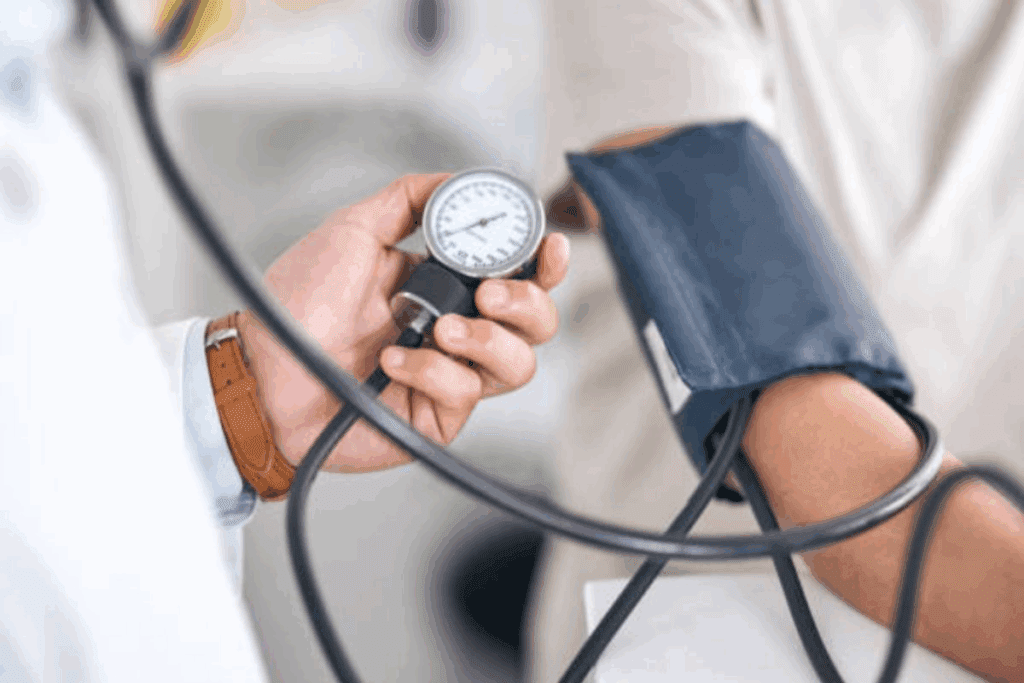
Beta blockers work by affecting the heart’s beta-adrenergic receptors. They are used to treat heart conditions like high blood pressure, chest pain, and irregular heartbeats.
Beta-Adrenergic Receptors and Their Function
Beta-adrenergic receptors control the heart’s activity. They respond to stress hormones like adrenaline, making the heart beat faster and harder. Beta-1 receptors are mainly found in the heart.
Adrenaline binding to beta-1 receptors increases the heart’s workload. This makes the heart beat faster and harder, raising its oxygen need.
Blocking Mechanism and Receptor Interaction
Beta blockers block adrenaline and stress hormones from binding to beta-adrenergic receptors. This action reduces the heart’s response to stress, lowering heart rate and contraction force.
This is key to reducing the heart’s workload. By lessening adrenaline’s effect, beta blockers help manage heart conditions with high activity.
Reduction of Heart’s Workload and Oxygen Demand
Beta blockers decrease the heart’s workload and oxygen need. They do this by reducing heart rate and contraction force through beta-adrenergic receptor action.
| Effect | Description | Clinical Benefit |
| Reduced Heart Rate | Decreased frequency of heartbeats | Less strain on the heart |
| Decreased Contractility | Reduced force of heart contractions | Lower oxygen demand |
| Lower Blood Pressure | Reduced pressure against which the heart must pump | Eased workload on the heart |
By lowering the heart’s workload and oxygen need, beta blockers help patients with heart conditions. They improve life quality and may lower the risk of complications.
Beta Blockers Do What to the Heart? Effects on Cardiac Function
Beta blockers have many effects on the heart. They change the heart rate and how well the heart works. Knowing these effects helps us see how beta blockers help with heart problems.
Slowing Electrical Conduction
Beta blockers slow the heart rate. They do this by blocking certain chemicals in the body, like epinephrine, from affecting the heart. This makes the heart beat slower, which is good for some heart conditions.
Reducing Force of Contraction
Beta blockers also make the heart’s contractions weaker. This means the heart doesn’t have to work as hard. It’s very helpful for people with heart failure or after a heart attack. By making the heart work less, beta blockers help it use less oxygen, making it more efficient.
Impact on Blood Pressure and Circulation
Beta blockers also affect blood pressure and circulation. They lower blood pressure by reducing the heart rate and contraction strength. This improves blood flow and reduces heart strain. Over time, this can make the heart work better and lessen heart symptoms.
To sum up, beta blockers have several effects on the heart. Here’s a quick table:
| Effect | Description | Benefit |
| Slowing Electrical Conduction | Reduces heart rate by blocking certain natural chemicals | Beneficial for certain heart conditions |
| Reducing Force of Contraction | Decreases the heart’s workload and oxygen demand | Helpful for heart failure and post-heart attack care |
| Impact on Blood Pressure and Circulation | Lowers blood pressure and improves circulation | Reduces strain on the heart and improves cardiac function |
Understanding how beta blockers affect the heart helps us see their benefits. They play a big role in managing heart conditions.
Types of Beta Blockers and Their Clinical Applications
It’s important to know the different types of beta blockers for treating heart problems. These drugs are sorted by how they work on the body, their effects, and how they are used in medicine.
Cardioselective vs. Non-Cardioselective Agents
Beta blockers are divided into two main groups: cardioselective and non-cardioselective. Cardioselective beta blockers mainly affect the heart, reducing its rate and strength. They don’t harm the airways or blood vessels much. This makes them good for people with breathing issues.
Non-cardioselective beta blockers affect both heart and airway receptors. They’re good for heart problems but can cause breathing trouble. So, they’re not the best for those with asthma or COPD.
Common Beta Blockers and Their Unique Properties
Many beta blockers are used in medicine, each with special features. For example, metoprolol and atenolol are heart-focused, while propranolol affects both heart and airways. The right choice depends on the patient’s health and needs.
- Metoprolol: Good for high blood pressure, chest pain, and heart failure.
- Atenolol: Mainly for high blood pressure and chest pain.
- Propranolol: Helps with high blood pressure, chest pain, irregular heartbeats, and migraines.
Beta Blocker for Heart Rate Control: Choosing the Right Medication
Choosing a beta blocker for heart rate control depends on the condition. For fast heart rates like atrial fibrillation, certain beta blockers are better.
- Look at the patient’s heart condition and other health issues.
- Think about the beta blocker’s selectivity and how it works in the body.
- Watch how the patient reacts to the drug and change it if needed.
Knowing about different beta blockers helps doctors pick the best treatment for their patients.
Medical Conditions Treated with Beta Blockers
Beta blockers are key in treating heart diseases. They help manage several heart conditions. This is because they reduce the risk of heart problems.
Hypertension Management
Beta blockers help control hypertension, or high blood pressure. They slow the heart rate and lower blood pressure. This reduces the risk of heart issues.
We often start with beta blockers for high blood pressure. This is true for people with heart failure or angina. They are very effective in treating high blood pressure.
Beta Blockers for Heart Problems and Arrhythmias
Beta blockers also treat heart problems and arrhythmias. They help manage symptoms like irregular heartbeats. This is because they slow the heart rate and reduce contraction force.
In cases like atrial fibrillation, beta blockers control the heart rate. This improves symptoms and quality of life. They are also good for managing arrhythmias.
Heart Failure Therapy
In heart failure, beta blockers might seem odd because they reduce heart contractility. But, long-term use improves heart function. It also reduces hospital stays and increases survival rates.
We adjust the beta blocker dose carefully. This ensures benefits without harm in heart failure patients.
Angina and Post-Heart Attack Care
Beta blockers are also vital for angina pectoris and post-heart attack care. They lower oxygen demand in the heart. This reduces angina episodes.
For patients after a heart attack, beta blockers lower the risk of future heart problems. They are key in preventing death from heart disease.
| Condition | Beta Blocker Effect | Clinical Benefit |
| Hypertension | Lower blood pressure | Reduced cardiovascular risk |
| Arrhythmias | Control heart rate | Improved symptoms and quality of life |
| Heart Failure | Improve heart function | Reduced hospitalizations and mortality |
| Angina | Reduce myocardial oxygen demand | Decreased frequency and severity of angina episodes |
Beta Blockers for Heart Palpitations: Effectiveness and Options
Heart palpitations can be scary, but beta blockers help a lot. These medicines are great for heart problems, like palpitations.
How Beta Blockers Reduce Palpitation Frequency and Intensity
Beta blockers slow down the heart and make it beat less forcefully. This makes palpitations happen less often and feel less intense. They block adrenaline and slow the heart rate, helping with palpitations.
A study in a medical journal found beta blockers really help with palpitations.
“Beta blockers are effective in managing palpitations by reducing the heart rate and contractility, providing relief to patients experiencing this distressing symptom.”
Propranolol and Palpitations: A First-Line Treatment
Propranolol is a top choice for heart palpitations. It works by blocking beta-adrenergic receptors. This slows the heart rate and makes contractions weaker.
Here’s a table comparing propranolol with other beta blockers for palpitations:
| Beta Blocker | Primary Use | Effectiveness in Palpitation Management |
| Propranolol | Palpitations, Hypertension | High |
| Metoprolol | Hypertension, Angina | Moderate |
| Atenolol | Hypertension, Arrhythmias | Moderate |
Alternative Beta Blockers for Palpitation Management
While propranolol is first choice, metoprolol and atenolol also work well. The right beta blocker depends on the patient’s health and history.
In summary, beta blockers like propranolol are great for heart palpitations. Knowing the options helps doctors find the best treatment for each patient.
Can Beta Blockers Cause Palpitations? Understanding Paradoxical Effects
Beta blockers help manage heart conditions but can cause palpitations in some. This is a paradox for patients and doctors. These drugs are meant to fix irregular heartbeats, not cause them.
Initial Adjustment Period Side Effects
Starting beta blockers can surprise your body. In the first few days, some people might feel palpitations. This is because your body is adjusting to the new drug.
It’s important for patients to talk to their doctors about these side effects. Keeping an eye on how you feel can help manage any issues. Your doctor might need to adjust your treatment.
Do Beta Blockers Cause Heart Palpitations in Some Patients?
For many, beta blockers help with palpitations. But, they can also cause or make palpitations worse in some. This depends on the type of beta blocker, your health, and your heart condition.
| Factor | Influence on Palpitations |
| Type of Beta Blocker | Different beta blockers have varying effects on heart rhythm. |
| Patient Characteristics | Individual health profiles can affect how beta blockers are tolerated. |
| Underlying Heart Condition | The nature of the heart condition being treated can influence the occurrence of palpitations. |
When to Be Concerned About New Palpitations
If palpitations start or get worse after taking beta blockers, see a doctor. Be worried if palpitations are often, severe, or with dizziness or chest pain. Doctors can check if the beta blocker is the cause or if there’s something else going on.
In summary, beta blockers are useful for heart issues but can sometimes lead to palpitations. Knowing this and watching patients closely can help manage risks and ensure treatment works well.
Are Beta Blockers Safe for Long-Term Use?
Doctors often worry about the long-term effects of beta blockers on patients with heart diseases. Beta blockers are usually safe, but long-term use needs careful watching to avoid side effects.
Common Side Effects and Management
Beta blockers can cause side effects like tiredness, dizziness, and cold hands or feet. These effects are usually mild and may go away on their own. But sometimes, they can be serious enough to need a change in medication.
To handle these side effects, doctors might suggest lifestyle changes. This includes regular exercise and a healthy diet. In some cases, they might also prescribe other medicines to help with specific side effects.
Are Beta Blockers Bad for You? Addressing Common Concerns
Many people worry about the long-term effects of beta blockers on their health. They fear these drugs might harm their quality of life or lead to other health issues.
Studies show that, for most, the benefits of beta blockers in managing heart conditions outweigh the risks. It’s important for patients to stay in close touch with their doctors. This way, they can adjust their treatment as needed.
Monitoring Requirements During Treatment
Patients on long-term beta blocker therapy need regular check-ups. They should also have their blood pressure and heart rate monitored. It’s important to report any side effects or concerns to their doctor.
Doctors might also do tests to check the heart’s function and overall health. This helps catch any problems early and make the necessary changes to treatment.
Drug Interactions and Precautions
Beta blockers can interact with other medicines, including over-the-counter drugs and supplements. Patients should tell their doctor about all the medications they’re taking to avoid bad interactions.
People with certain health conditions need to be extra careful. For example, those with diabetes should be aware that beta blockers can hide signs of low blood sugar.
| Side Effect | Management Strategy |
| Fatigue | Regular exercise, balanced diet |
| Dizziness | Adjust medication dosage, monitor blood pressure |
| Cold hands or feet | Dress warmly, avoid smoking |
Do Beta Blockers Shorten Your Life? Examining the Evidence
Many think beta blockers can shorten life, but what’s the truth? We’ll look at the research on beta blockers and their effect on life span. We’ll focus on their role in managing heart conditions.
Research on Beta Blockers and Mortality
Many studies have looked at beta blockers and death rates. They show that for heart failure patients, beta blockers can greatly improve survival. They do this by making the heart work less hard and need less oxygen.
Survival benefits are biggest for those with heart failure and a low ejection fraction. Beta blockers have been shown to lower hospitalization and death risks in this group.
Survival Benefits in Heart Failure Patients
Beta blockers help heart failure patients a lot. They slow the heart rate and make it work less hard. This can make the heart work better over time.
- Reduced hospitalization rates
- Lower mortality rates
- Improved quality of life
Many clinical trials have shown beta blockers are good for heart failure management.
Quality of Life Considerations
Beta blockers are usually safe, but they can affect life quality differently for everyone. Some might feel tired or dizzy. But for many, the heart benefits and fewer symptoms of heart failure are worth it.
Talking to your doctor about your experience and any worries is key to getting the best treatment.
Are Beta Blockers Dangerous? Separating Fact from Fiction
The idea that beta blockers are dangerous is a myth. While they can have side effects, the facts show they are safe and work well when used right.
Proper monitoring and adjusting the dose can help avoid side effects. This way, patients can get the most from their treatment.
In summary, beta blockers don’t shorten life. They actually help heart failure patients live longer and improve their life quality for many with heart conditions.
Conclusion: Weighing the Benefits and Risks of Beta Blocker Therapy
Beta blockers have changed how we treat heart conditions. They are very effective. These medicines help a lot of people with heart diseases.
They work well for high blood pressure, heart failure, and irregular heartbeats. This improves how long people live and their quality of life. Knowing how beta blockers work helps patients make better choices about their treatment.
When we talk about beta blockers, we must look at both the good and the bad. Most people don’t have serious problems, but everyone is different. For most, the benefits of beta blockers are much greater than the risks.
So, do beta blockers work? Yes, they are key in treating heart conditions. By choosing the right beta blocker and watching how it works, doctors can help patients get the best results.
FAQ
What are beta blockers and how do they work?
Beta blockers are medicines that slow the heart and lower blood pressure. They block the hormone epinephrine’s effects. This makes the heart beat slower and work less hard.
Why are beta blockers prescribed for heart conditions?
Doctors prescribe beta blockers for heart issues like high blood pressure and heart failure. They help the heart work better and prevent problems.
Can beta blockers cause palpitations?
Yes, beta blockers can sometimes cause heart palpitations, but it’s rare. This usually happens when first starting the medication.
Are beta blockers safe for long-term use?
Beta blockers are safe for long-term use if taken as directed. They might cause side effects like tiredness and dizziness. These can be managed with the right dose.
Do beta blockers shorten your life?
No, beta blockers don’t shorten life. Studies show they can even help people with heart failure live longer.
What are the different types of beta blockers?
There are two types: cardioselective and non-cardioselective. Cardioselective mainly affects the heart. Non-cardioselective affects the heart and other parts of the body.
Can beta blockers be used to manage heart palpitations?
Yes, beta blockers, like propranolol, are used to treat heart palpitations.
How do beta blockers affect cardiac function?
Beta blockers slow the heart rate and lower blood pressure. This improves heart function and reduces risks.
Are beta blockers bad for you?
Beta blockers are not inherently bad. They can have side effects and interact with other drugs. But, when used as directed, they are safe and effective for heart conditions.
What are the common side effects of beta blockers?
Side effects include tiredness, dizziness, and shortness of breath. These can be managed with the right dose and monitoring.
How do beta blockers work in the cardiovascular system?
Beta blockers block epinephrine’s effects on the heart and blood vessels. This slows the heart rate and lowers blood pressure.
References
- Mahfoud, F., et al. (2024). The current position of β-blockers in hypertension. Current Medical Research and Opinion, 40(3), 311-318. https://www.tandfonline.com/doi/full/10.1080/03007995.2024.2318003