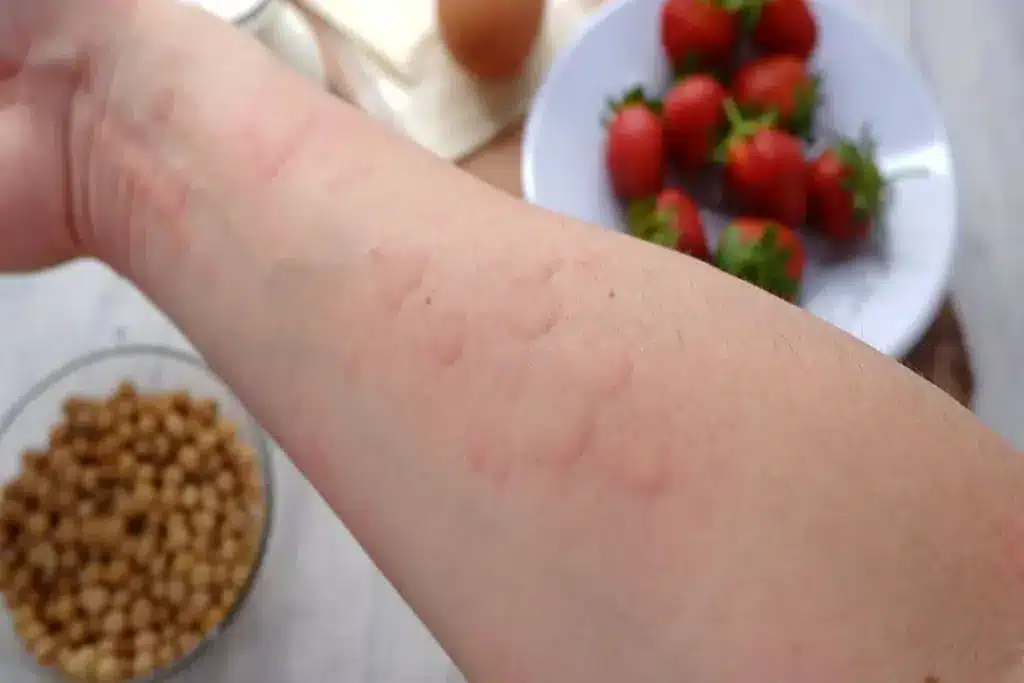
Did you know that nearly 20% of people experience hives at some point in their lives? Hives are itchy, raised welts on the skin. They can be uncomfortable and embarrassing. Knowing how to get rid of hives is important for those who have them. Explaining how to naturally and medically flush hives out of your body by managing the underlying histamine reaction.
We will look into the causes, symptoms, and treatments of hives. This guide will help you manage and eliminate them. By understanding what causes hives, we can find ways to get rid of them.
Key Takeaways
- Understanding the causes of hives is key to treating them.
- Staying away from triggers can help prevent hives.
- There are many ways to manage and get rid of hives.
- Making lifestyle changes can help reduce hives.
- It’s important to see a doctor for severe or lasting hives.
Understanding Hives: Causes and Symptoms
Hives, also known as urticaria, are itchy, raised welts that can appear anywhere on the body. They vary in size and are a symptom that needs understanding to manage well.
What Are Hives?
Hives, or urticaria, are itchy, raised patches or welts on the skin. They can be acute or chronic. Acute hives are often caused by allergic reactions. Knowing the causes is important for relief.
Common Triggers of Hives
Many things can cause hives, including:
- Allergic Reactions: To foods, insect bites, or medications.
- Infections: Viral or bacterial infections can sometimes cause hives.
- Environmental Factors: Exposure to cold, heat, sunlight, or water can trigger hives in some individuals.
- Autoimmune Disorders: Conditions like thyroid disease or lupus can be associated with chronic hives.
Knowing these triggers is key to managing and treating hives.
Signs to Look Out For
Spotting the signs of hives is important for diagnosis and treatment. Look out for:
|
Signs |
Description |
|---|---|
|
Itchy, Raised Welts |
These can appear anywhere on the body and vary in size. |
|
Red or Skin-Toned Patches |
The color can vary depending on skin tone. |
|
Blanching |
The center of the welts often turns white when pressed. |
Recognizing these signs is key to getting the right medical care.
The Immune System’s Role in Hives
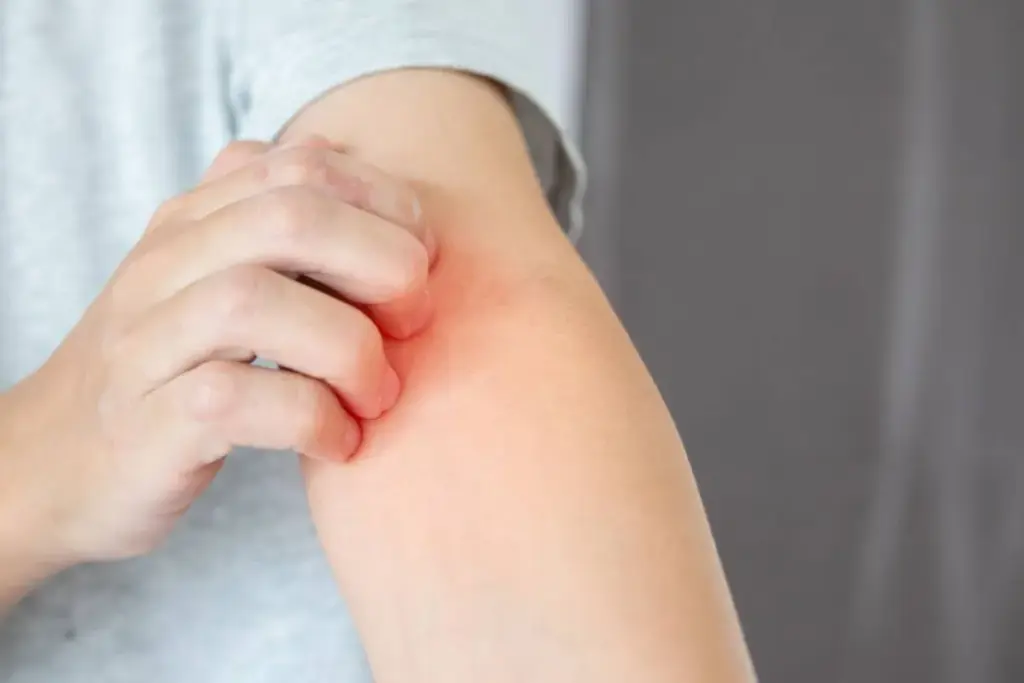
The immune system is key in creating hives, which are welts on the skin. These welts can pop up anywhere, including on the face. They often show up when the body reacts to an allergen.
An allergen entering the body sets off an immune response. This response sends out histamines. Histamines make blood vessels expand, causing hives symptoms like itching, redness, and swelling.
How Histamines Affect Hives
Histamines are central to hives. When they’re released, they attach to cell receptors. This makes blood vessels more open, letting fluid leak into the tissue. This fluid buildup causes the skin to swell and form welts.
Histamines’ impact isn’t just skin-deep. Sometimes, the reaction can affect other body systems too. Knowing how histamines cause hives is key to finding good treatments.
The Body’s Response to Allergens
The body’s reaction to allergens is complex. It involves many parts of the immune system. When an allergen is found, immune cells like mast cells and T-cells get activated. This leads to the release of histamines and other chemicals.
The reaction’s severity can differ based on the person and the allergen. Some reactions might be mild and local, while others can be severe and even life-threatening.
|
Allergen |
Common Reaction |
Severity |
|---|---|---|
|
Food (e.g., peanuts, shellfish) |
Hives, itching, swelling |
Mild to Severe |
|
Insect Stings |
Hives, redness, pain |
Mild to Severe |
|
Medications (e.g., antibiotics) |
Hives, rash, itching |
Mild to Severe |
Understanding how the body reacts to allergens and leads to hives is vital. By knowing which allergens cause problems, people can avoid them. This helps reduce the risk of severe reactions.
Natural Remedies for Hives
Looking for ways other than medicine to treat hives? Natural remedies can be a good option. They offer a variety of treatments that can fit your needs.
Herbal Treatments
Herbs have been used for ages to treat skin issues, like hives. Licorice root and turmeric are known for their ability to reduce inflammation. This can make hives less noticeable. You can eat these herbs or use them on your skin.
Dietary Changes
What you eat can affect your hives. It’s important to know which foods trigger your hives. Foods like shellfish, nuts, and dairy can be troublemakers.
But, eating foods that fight inflammation can help. Think berries, leafy greens, and fatty fish. They can ease your symptoms.
Lifestyle Adjustments
Changing your lifestyle can also help with hives. Stress management is key. Activities like meditation and yoga can help.
Wearing loose, breathable clothes is also good. And, keeping a consistent skincare routine can prevent irritation.
Over-the-Counter Treatments
Many people start with over-the-counter treatments for hives. These options can quickly ease the discomfort of hives.
Antihistamines for Hives Relief
Antihistamines are a common choice for treating hives. They block histamine, a chemical that makes blood vessels swell. This leads to itching and redness. Antihistamines can greatly reduce hives symptoms, making them a favorite for those with urticaria.
When picking an antihistamine, think about the type and its side effects. Some can make you sleepy, while others don’t. We’ll talk more about side effects later.
Corticosteroid Creams
Corticosteroid creams are also effective for hives. They reduce inflammation and itching by calming the immune system. They work best for hives in one area, giving focused relief.
It’s important to use the cream as directed and for the right amount of time. Using it too long can cause skin thinning and other issues.
Antihistamine Side Effects
Antihistamines are usually safe but can have side effects. Common ones include feeling tired, dry mouth, and dizziness. Always read the label and follow the dosage to avoid these effects.
If you have severe side effects like a fast heartbeat or trouble breathing, get help right away. It’s a good idea to talk to a doctor before starting any new medicine, even if it’s over-the-counter.
Prescription Medications for Serious Cases
When hives don’t go away or get worse, doctors might suggest prescription drugs. It’s important to know what options are out there and how to talk to a doctor.
Identifying the Need for Prescription Medication
Doctors might suggest prescription drugs for serious hives. Signs you might need them include really bad itching, big welks, or hives that last more than a few days. If you’re feeling these symptoms, seeing a doctor is key to figuring out what to do next.
Available Prescription Treatments
There are several prescription treatments for serious hives. Corticosteroids are often used for a short time to lessen swelling. Immunosuppressants and biologics are for longer-term use, focusing on how the immune system reacts.
|
Treatment Type |
Use Case |
Notable Effects |
|---|---|---|
|
Corticosteroids |
Short-term relief for severe hives |
Reduces inflammation |
|
Immunosuppressants |
Chronic hives not responding to other treatments |
Suppresses the immune system’s response |
|
Biologics |
Severe, persistent hives |
Targets specific proteins involved in inflammation |
The Importance of Professional Consultation
Talking to a healthcare provider before starting any prescription medication is vital. They will look at how bad your hives are, your medical history, and suggest the best treatment. It’s important to listen to their advice and tell them about any side effects or worries.
For people with hives caused by cold, or “hives in cold,” knowing your treatment options is key. Also, understanding how to cure hives fast can greatly improve your life. Prescription drugs can be a good solution for serious cases, helping to manage symptoms and find relief.
Importance of Hydration in Reactions
Staying hydrated is key when dealing with hives. It helps flush out toxins from the body. When we get hives, our body’s immune system kicks in, releasing histamines. These can cause itching, redness, and swelling.
Drinking enough water helps ease these symptoms. It supports the body’s natural processes.
How Water Flushes Toxins
Water is vital for detoxifying the body. It helps move nutrients and oxygen to cells and organs, including the skin. This is important when we have hives.
Water also helps get rid of toxins and waste. This reduces the load on our immune system.
Health experts say,
“Adequate hydration is vital for maintaining skin health and supporting the body’s natural defense mechanisms.”
Drinking enough water keeps our skin and organs working right. This can help lessen the severity of hives.
Recommended Daily Water Intake
The right amount of water varies by age, sex, weight, and activity level. The “8×8 rule” suggests drinking eight 8-ounce glasses a day. But some studies say this might not be enough, like for those with hives.
It’s best to talk to a healthcare provider about your hydration needs. Listen to how your body reacts to water and adjust as needed.
Stress Management Techniques
Stress management is key to fighting hives. Stress can make hives worse. Knowing how stress and hives are linked helps us manage better.
The Connection Between Stress and Hives
Stress can make our body release histamines, leading to hives. Chronic stress weakens our immune system, making us more prone to hives. It’s important to spot stress signs early and tackle them.
Stressors that might cause hives include:
- Emotional stress
- Physical stress
- Environmental factors
Effective Stress Relief Strategies
Managing stress well is vital to fight hives. Here are some tips:
- Meditation and Mindfulness: Mindfulness and meditation calm the mind and body, reducing stress.
- Exercise: Regular exercise helps reduce stress and boosts well-being.
- Deep Breathing Exercises: Deep breathing calms the mind and body, lowering stress levels.
Using these stress management techniques daily can help lessen hives’ frequency and severity.
Dietary Considerations
What you eat can make hives better or worse. Eating right is key to managing hives and staying healthy.
Foods That May Aggravate Hives
Some foods can make hives worse. These include:
- Dairy Products: If you’re sensitive to dairy, it can cause hives.
- Shellfish and Fish: Seafood allergies are common and can lead to hives.
- Nuts: Tree nuts and peanuts are common allergens that can trigger hives.
- Eggs: Egg allergies, often seen in kids, can cause hives.
- Food Additives: Artificial colors and preservatives can also cause hives.
Anti-Inflammatory Foods to Include
Eating foods that fight inflammation can help with hives. Good choices include:
- Berries: Berries are full of antioxidants that reduce inflammation.
- Leafy Greens: Spinach, kale, and other greens have anti-inflammatory properties.
- Fatty Fish: Salmon and sardines have omega-3s that fight inflammation.
- Turmeric: Turmeric has curcumin, which is anti-inflammatory and antioxidant.
- Ginger: Ginger is anti-inflammatory and can soothe and reduce inflammation.
Keeping a Food Diary
Keeping a food diary helps track what you eat and how you react. It can show which foods trigger hives. When you keep a diary, note:
- The foods you eat
- Any symptoms you experience
- The severity of your symptoms
- Any links between foods and symptoms
Being careful with your diet can help manage hives and improve your life.
When to Seek Medical Attention
Knowing when to seek medical help for hives is very important. Many cases are mild and can be treated at home. But, some need quick medical care. We’ll show you how to know when it’s serious and what to expect at the doctor’s office.
Recognizing Severe Reactions
Severe hives can be dangerous. It’s key to spot serious signs. Look out for these symptoms:
- Difficulty breathing or swallowing
- Rapid heartbeat
- Dizziness or fainting
- Confusion or loss of consciousness
- Tightness in the chest or throat
If you see these signs, get emergency help fast.
What to Expect During a Consultation
At the doctor’s office, you’ll get a full check-up. Here’s what usually happens:
- A detailed medical history to find out what might have caused the hives.
- A physical exam to see how bad the hives are and if there are other symptoms.
- Tests like blood work or allergy tests might be suggested to find out what’s causing the hives.
Then, the doctor will make a plan just for you.
|
Symptom |
Severity |
Action |
|---|---|---|
|
Difficulty breathing |
Severe |
Seek immediate medical attention |
|
Mild hives |
Mild |
Manage with over-the-counter treatments or home remedies |
|
Rapid heartbeat or dizziness |
Severe |
Seek immediate medical attention |
Long-Term Management of Hives
Managing hives for the long term needs a few steps. We must find and avoid triggers, make lifestyle changes, and stick to treatment plans.
Trigger Avoidance
It’s key to keep triggers away. This means changing our diet, managing stress, and staying away from allergens. Doing this can really cut down on hives.
Regular Follow-Ups
Seeing an allergist regularly is important. These visits help doctors keep an eye on the condition. They can also change treatments if needed and answer any questions.
Personal Care Plans
Creating a personal care plan is a must. It should cover how to handle sudden outbreaks, staying healthy, and keeping an eye on the condition.
Using these methods, we can manage hives well over time. This improves our life quality. Managing hives long-term takes dedication and the right advice. It helps people live active, healthy lives even with this condition.
FAQ
What are hives and what causes them?
Hives are itchy, raised welts on the skin. They can be caused by allergic reactions, infections, or other factors. We discuss the common triggers and signs in our section on understanding hives.
How do histamines contribute to the development of hives?
Histamines are chemicals released by the immune system during an allergic reaction. They lead to the manifestation of hives on the skin. We explore their role in our section on the immune system’s role in hives.
What are some natural remedies for hives?
Natural remedies for hives include herbal treatments, dietary changes, and lifestyle adjustments. We provide practical advice on managing hives using natural methods in our section on natural remedies.
What over-the-counter treatments are available for hives?
Over-the-counter treatments for hives include antihistamines and corticosteroid creams. We discuss these options and their side effects in our section on over-the-counter treatments.
When should I consider prescription medications for hives?
Prescription medications are considered for severe cases of hives. We discuss when to consider these options and the available treatments in our section on prescription medications.
How does hydration help in managing hives?
Hydration helps flush toxins from the body, aiding in managing hives. We highlight the importance of hydration and provide guidelines on recommended daily water intake.
Can stress trigger hives, and how can I manage stress?
Stress can trigger or exacerbate hives. We offer effective stress relief strategies to help manage stress and potentially reduce the occurrence of hives.
Are there specific dietary considerations for managing hives?
Certain foods may aggravate hives, while others have anti-inflammatory properties. We identify foods to avoid and suggest keeping a food diary to track triggers.
When should I seek medical attention for hives?
Severe reactions or persistent hives require medical attention. We advise on recognizing severe reactions and what to expect during a consultation with a healthcare provider.
How can I manage hives in the long term?
Long-term management of hives involves keeping triggers in check, regular follow-ups with allergists, and developing a personal care plan. We empower readers with the knowledge to manage hives effectively over time.
How long do hives typically last?
The duration of hives can vary depending on the cause and treatment. We discuss the factors that influence the length of time hives last.
Can cold temperatures trigger hives?
Yes, cold temperatures can trigger hives in some individuals. We discuss the condition known as cold urticaria.
What is the role of antihistamines in treating hives?
Antihistamines are a common treatment for hives, helping to relieve itching and reduce the appearance of welts. We discuss the different types of antihistamines and their side effects.
References
National Center for Biotechnology Information. Evidence-Based Medical Insight. Retrieved from https://pubmed.ncbi.nlm.nih.gov/29850657/