
Anal cancer is a big health worry, with about 7,854 cases found each year in the U.S. Human papillomavirus (HPV) infection is the main cause, with 91% of cases linked to it.Wondering “how do you get anal cancer?” This guide covers 5 alarming risk factors, including the critical link to HPV, and prevention.
The number of anal cancer cases worldwide is going up. From 2001 to 2015, cases rose by 2.7% each year. Deaths from it also went up by 3.1% yearly. Knowing what causes anal cancer and how HPV plays a part is key to stopping and treating it.
At Liv Hospital, we focus on top-notch cancer care. We use proven medical methods and new ways to fight cancer together. We’ll look into how HPV and other factors lead to anal cancer.
Key Takeaways
- HPV infection is responsible for approximately 91% of anal cancer cases.
- The global incidence of anal cancer is increasing, with a 2.7% annual rise between 2001 and 2015.
- Understanding the causes of anal cancer is vital for prevention and treatment.
- Liv Hospital offers advanced screening and treatment for anal cancer.
- Early detection and prevention are essential to tackle this growing health issue.
Understanding Anal Cancer: An Overview
Anal cancer is a rare disease that affects the anal canal. This is a short tube at the end of the rectum. The anal canal is surrounded by muscles called sphincters. These muscles help control bowel movements.
Definition and Prevalence of Anal Cancer
Anal cancer is a malignant tumor in the anal canal. In 2008, about 27,000 new cases were reported worldwide. The rate is roughly 1 per 100,000 people.
The incidence of anal cancer is rising, mainly in high-income countries. This is a concern that needs awareness and preventive measures.
Types of Anal Cancer
There are different types of anal cancer. The most common is anal squamous cell carcinoma. Other types include adenocarcinoma, basal cell carcinoma, and melanoma, though these are less common.
At our institution, we provide personalized care for anal cancer patients. Our team of specialists creates tailored treatment plans for each patient.
Key aspects of anal cancer include its definition, prevalence, and the various types that can occur.Understanding these helps patients and healthcare providers navigate the disease better.
The HPV-Anal Cancer Connection
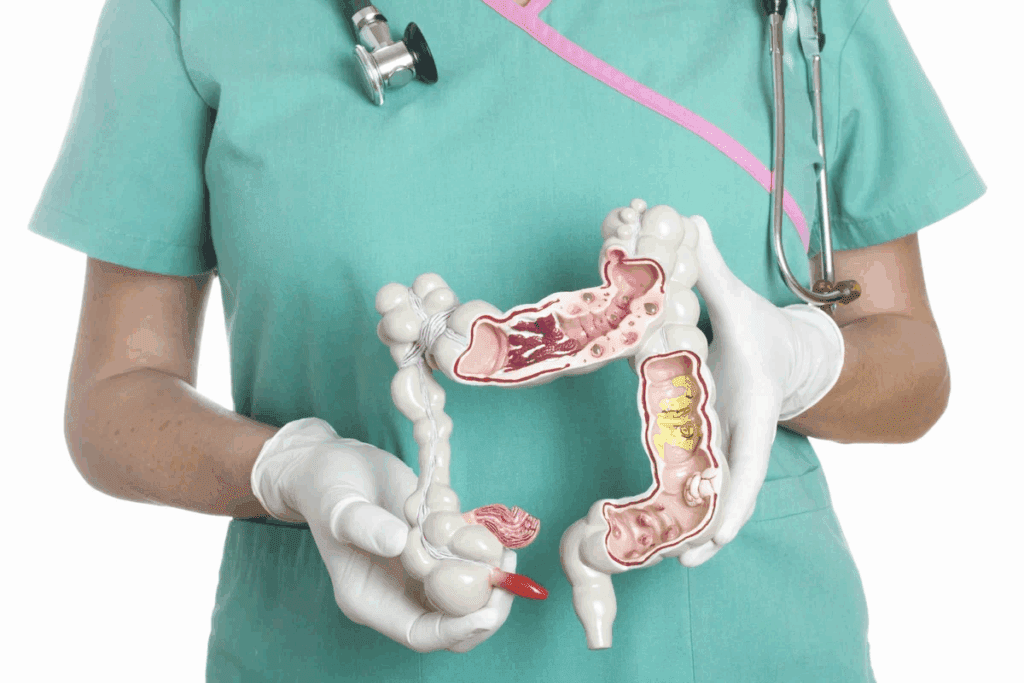
Anal cancer is linked to the Human Papillomavirus (HPV), a common sexually transmitted infection. Knowing this link is key for prevention and treatment.
HPV is the main cause of anal cancer, with about 91% of cases linked to it. It spreads through sexual contact, including vaginal, anal, and oral sex. This makes it a big public health issue.
What is Human Papillomavirus (HPV)?
Human Papillomavirus (HPV) is a group of over 200 viruses. Some types cause genital warts, while others can lead to cancer.
HPVs are small viruses with double-stranded DNA. They belong to the papillomaviridae family. High-risk types are most linked to anal cancer.
High-Risk HPV Types: HPV-16 and HPV-18
HPV-16 and HPV-18 are the top types linked to anal cancer. They have a strong ability to cause cancer, including anal, cervical, and oropharyngeal cancers.
The table below shows the key traits of HPV-16 and HPV-18 in relation to anal cancer:
| HPV Type | Association with Anal Cancer | Prevalence in Anal Cancer Cases |
|---|---|---|
| HPV-16 | High | Most common type found in anal cancer cases |
| HPV-18 | High | Second most common type associated with anal cancer |
It’s important to understand HPV’s role in anal cancer for prevention. This includes getting vaccinated against high-risk HPV types. By knowing the link between HPV and anal cancer, people can lower their risk.
How Do You Get Anal Cancer? The Transmission Process
Anal cancer is mainly caused by the human papillomavirus (HPV). It spreads through sexual contact. Knowing how it spreads helps prevent and catch it early.
HPV Transmission Through Sexual Contact
HPV is a common virus spread through sex. It can be passed through vaginal, anal, and oral sex. The risk goes up with more sexual partners and those who have receptive anal sex. Using protection can greatly lower the risk of HPV spread.
HPV is very common, and most people will get it at some point. But not everyone with HPV gets anal cancer. The main issue is if high-risk types like HPV-16 and HPV-18 stay in the body.
From HPV Infection to Cancer Development
HPV infection can turn into anal cancer in several steps. First, HPV infects cells in the anal canal. If the immune system can’t get rid of it, the infection stays and can cause precancerous lesions. These can then turn into anal cancer over time.
Things that increase the risk of anal cancer include:
- Receptive anal sex
- Multiple sexual partners
- HIV coinfection
- Smoking
- Immunosuppression
Knowing these risk factors and how HPV spreads helps prevent it. Regular screening and early detection are key for effective treatment.
Risk Factors Beyond HPV
It’s important to know the risk factors for anal cancer beyond HPV. While HPV is a big risk, other factors also play a part. These factors help us understand how to prevent and catch anal cancer early.
Sexual Practices and Partner History
Certain sexual habits and partner history can raise your risk of anal cancer. Receptive anal sex can lead to HPV and other infections. This can increase your chance of getting cancer.
Having multiple sexual partners also ups your risk. This is because you’re more likely to get HPV and other STIs. These infections can raise your risk of anal cancer.
A study found that those who have had receptive anal sex and have had many partners are at higher risk. We need to think about these factors when we look at risk.
Immune System Factors
The immune system is key in fighting off infections, like HPV. People with weakened immune systems, like those with HIV/AIDS or on immunosuppressive therapy, are more at risk. They can’t fight off HPV infections as well, which can lead to cancer.
Research shows that people with HIV are 15 to 40 times more likely to get anal cancer than others. This shows how important a strong immune system is in preventing cancer.
Lifestyle Factors
Lifestyle choices also affect your risk of anal cancer. Smoking is a big risk factor. It weakens your immune system and raises your risk of cancer, including anal cancer. Also, immunosuppression can make you more at risk.
Here’s a table that shows some lifestyle risk factors for anal cancer:
| Lifestyle Factor | Risk Level | Impact on Anal Cancer Risk |
|---|---|---|
| Smoking | High | Increases risk significantly |
| Immunosuppression | High | Weakens immune response to HPV |
| Receptive Anal Sex | Moderate to High | Increases risk of HPV transmission |
Knowing these risk factors helps us find people at higher risk. We can then focus on prevention strategies for them.
Recognizing the Signs and Symptoms of Anal Cancer
Anal cancer has clear signs and symptoms. Knowing them early can help get timely medical help. We aim to spread awareness to help people know when to seek medical care.
Early Warning Signs
The symptoms of anal cancer can be hard to spot. They might look like common, harmless issues. But it’s key to know the early warning signs:
- Bleeding from the anus or rectum: This can happen during or after you go to the bathroom.
- Pain or discomfort in the anal area: Feeling constant pain or pressure in the anus.
- Abnormal discharge: Seeing unusual stuff coming out of the anus.
- Changes in bowel habits: Stool getting narrower or bowel movements changing.
- A mass or growth in the anal canal: Feeling a lump or growth in or around the anus.
These signs might mean anal cancer, but they can also point to other issues. Always see a doctor if you notice any of these symptoms.
When to Seek Medical Attention
If you’re showing any of these symptoms, get medical help right away. Catching it early can make treatment much more effective. Stay alert to your health and don’t hesitate to see a doctor if something seems off.
| Symptom | Description | Action |
|---|---|---|
| Bleeding | Bleeding from the anus or rectum during or after bowel movements. | Consult a doctor if bleeding persists. |
| Pain/Discomfort | Persistent pain or discomfort in the anal area. | Seek medical attention if pain persists. |
| Abnormal Discharge | Unusual discharge from the anus. | Visit a healthcare provider for evaluation. |
Knowing the signs and symptoms of anal cancer and acting fast can greatly improve treatment chances. It’s all about being proactive and seeking help when needed.
Diagnosis and Screening for Anal Cancer
It’s important to know how to diagnose and screen for anal cancer early. This helps in treating it effectively. We’ll look at the ways to find anal cancer and who should get screened.
Diagnostic Procedures
To find anal cancer, doctors use several steps. These include physical checks, looking at your medical history, and special tests. The main steps are:
- Anal Pap Test: This test is like a Pap smear for the cervix. It takes cells from the anal canal for a check-up.
- Anal HPV Test: This test looks for high-risk HPV types linked to anal cancer.
- Digital Rectal Exam (DRE): A healthcare provider does a DRE to feel for any oddities in the anal canal.
- Biopsy: If there are suspicious cells or growths, a biopsy might be done to see if they are cancer.
Screening Recommendations for High-Risk Individuals
Screening for anal cancer is key for those at high risk. We suggest regular checks for:
- People with HIV/AIDS, as they face a higher risk because of their weakened immune systems.
- Those who have had cervical, vulvar, or vaginal cancer, as these cancers share risk factors with anal cancer.
- Individuals who have receptive anal sex, as this activity raises the risk of HPV.
Regular screening can catch anal cancer early, which can lead to better treatment results. We encourage those at high risk to talk to their doctor about screening options.
Treatment Approaches for Anal Cancer
Our team at Liv Hospital is dedicated to providing top-notch care for anal cancer patients. We use both proven and new treatments. We know each patient is different, so we tailor our care to fit their needs.
Standard Treatment Protocols
For anal cancer, treatments often combine different therapies. The main options are:
- Chemoradiation: This combines chemotherapy and radiation to target cancer cells.
- Surgery: Sometimes, surgery is needed to remove cancerous tissue.
- Chemotherapy: It can be used alone or with radiation, based on the cancer’s stage and type.
- Immunotherapy: This new treatment boosts the body’s immune system to fight cancer.
The right treatment depends on the cancer’s stage, the patient’s health, and the tumor’s characteristics.
| Treatment Option | Description | Applicability |
|---|---|---|
| Chemoradiation | Combination of chemotherapy and radiation therapy | First-line treatment for most anal cancer cases |
| Surgery | Surgical removal of cancerous tissue | For cases where chemoradiation is not fully effective |
| Chemotherapy | Use of drugs to kill cancer cells | Used in conjunction with radiation or as a standalone treatment |
| Immunotherapy | Boosting the immune system to fight cancer | Emerging treatment option for specific cases |
Innovative Approaches at Specialized Centers
At Liv Hospital, we focus on top cancer care using the latest medical knowledge and new treatments. Our specialized center offers the newest treatments, including clinical trials and new therapies.
Innovative treatments might include new chemotherapy agents, targeted therapies, or advanced radiation. Our team works with patients to find the best treatment plan.
We mix standard treatments with new approaches to give our patients the best care. Our care goes beyond treatment, supporting patients with kindness and personalized service.
Prevention Strategies: Reducing Your Risk
Prevention is key for anal cancer. There are many ways to lower your risk. By knowing and using these steps, you can keep your health in check.
HPV Vaccination: A Primary Prevention Tool
HPV vaccination is very important for preventing anal cancer. It’s most effective before you’re exposed to the virus. It’s recommended for both boys and girls before they start being sexually active.
Getting vaccinated can greatly lower your chance of getting the high-risk HPV types linked to anal cancer.
Safe Sex Practices
Practicing safe sex is also key. Using condoms correctly and often can help prevent HPV transmission.
It’s also important to know about your sexual health. Talk to your healthcare provider about any concerns or risks.
Lifestyle Modifications and Regular Screening
Making some lifestyle modifications can help too. Quitting smoking is a big help, as smoking increases the risk of anal cancer.
Also, regular screenings are a must for those at high risk. Early detection can catch problems early, when they’re easier to treat.
By using HPV vaccination, safe sex, and lifestyle changes, you can greatly lower your risk of anal cancer.
Conclusion: Understanding and Addressing Anal Cancer Risk
It’s important to know about anal cancer and its risks to prevent and treat it well. We offer top-notch healthcare and support for patients from around the world. By understanding how HPV causes anal cancer and other risks, people can lower their chances.
We aim to provide the best cancer care using proven methods and new approaches. If you’re worried about anal cancer or think you might be at risk, talk to a doctor. This way, we can all work together to lower the risk and get better health results.
We’re here to help you every step of the way. Knowing about anal cancer risk is the first step to staying safe and catching it early. By staying informed and getting medical help when needed, you can lower your risk and have a better chance of successful treatment.
FAQ
What is anal cancer and how common is it?
Anal cancer is a rare cancer that affects the anal canal. It’s a short tube at the end of the rectum. Its incidence has been rising over the past few decades.
What causes anal cancer?
Chronic infection with high-risk types of human papillomavirus (HPV) often causes anal cancer. HPV-16 and HPV-18 are common culprits. Other risk factors include certain sexual practices, immune system factors, and lifestyle choices.
How is HPV transmitted, and is it related to anal cancer?
HPV is mainly spread through sexual contact. Chronic infection with high-risk HPV types can lead to anal cancer.
Can anal sex cause anal cancer?
Anal sex can increase the risk of getting anal cancer, if you’re infected with high-risk HPV types. But it’s not the only risk factor. Not everyone who has anal sex will develop anal cancer.
What are the symptoms of anal cancer?
Symptoms include unusual bleeding, pain, or itching in the anal area. Changes in bowel movements are also common. If you notice these symptoms, seek medical attention.
How is anal cancer diagnosed?
Diagnosis involves a physical exam, imaging tests, and biopsy. Screening is recommended for high-risk individuals.
Can anal cancer be prevented?
Yes, several strategies can reduce your risk. These include HPV vaccination, safe sex practices, and lifestyle modifications. Regular screening is also key for early detection.
What are the treatment options for anal cancer?
Treatment depends on the cancer’s stage and type. It may include chemotherapy, radiation therapy, and surgery. Specialized centers also offer innovative approaches.
Is HPV vaccination effective in preventing anal cancer?
Yes, HPV vaccination is a primary prevention tool. It can significantly reduce the risk of anal cancer, when given before exposure to the virus.
How can I reduce my risk of getting anal cancer?
To reduce your risk, get vaccinated against HPV, practice safe sex, and maintain a healthy lifestyle. Also, undergo regular screening if you’re at high risk.
References:
National Center for Biotechnology Information. Evidence-Based Medical Guidance. Retrieved from https://www.ncbi.nlm.nih.gov/books/NBK65778/



 Departments
 Related Videos
 Our Doctors
 News
News