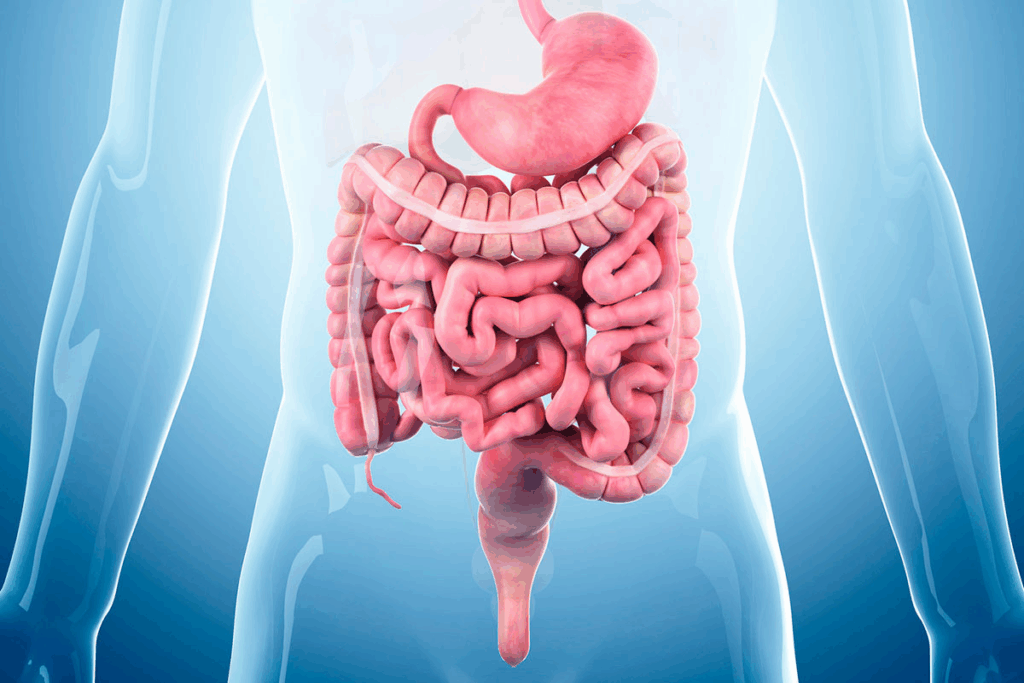
A bowel obstruction is a serious condition. It happens when the small or large intestine gets blocked. This stops food and stool from moving through.how do you know if you have a bowel blockage
Recognizing the early signs is key. Symptoms include sudden severe abdominal cramping, nausea, and vomiting. People may also feel bloating and have trouble passing gas or stool.
At Liv Hospital, we stress the need for quick medical help if you see these signs. Our team is ready to offer top-notch care for international patients.
Key Takeaways
- Bowel blockage is a serious medical emergency needing quick attention.
- Common signs include abdominal pain, nausea, vomiting, and bloating.
- Inability to pass gas or stool is a big symptom.
- Quick medical care is vital to avoid serious complications.
- Liv Hospital provides top medical care and focuses on patients.
Understanding Bowel Blockage

A bowel blockage happens when the intestines can’t move food, fluids, and gases. This can cause serious problems if not treated quickly.
Definition and Basic Mechanism
Bowel obstruction, or intestinal blockage, occurs when something blocks the intestines. This can be in the small or large intestine. It can be caused by a physical blockage or by muscle problems.
Mechanical obstructions are often due to adhesions, hernias, or tumors. Functional obstructions can be caused by ileus or pseudo-obstruction.
Prevalence and Statistics
Bowel obstruction is a big problem worldwide. It’s common in patients with advanced cancer. The prevalence varies from 5.5% to 42% in different groups.
Condition | Prevalence | Common Causes |
Bowel Obstruction | 5.5% to 42% in advanced cancer patients | Cancer, adhesions, hernias |
Small Intestine Obstruction | More common than large intestine obstruction | Adhesions, hernias |
Who Is at Risk
Some people are more likely to get bowel obstruction. Those with a history of abdominal surgery are at risk due to adhesions. Patients with advanced cancer are also at higher risk because tumors can block the bowel.
Other risk factors include hernias, inflammatory bowel disease, and conditions that affect the gut’s movement.
Signs and Symptoms of Bowel Blockage

It’s important to know the signs of bowel blockage to get help quickly. Bowel blockage, or intestinal obstruction, happens when something blocks the intestine. This stops the normal flow of food and waste.
Abdominal Pain and Cramping
Abdominal pain and cramping are key signs of bowel blockage. The pain can be mild or very bad. It might feel like cramps because the intestine is trying to move stuff past the blockage.
Nausea and Vomiting
Nausea and vomiting are common signs of bowel blockage. How bad these symptoms are can vary. Vomiting is often worse if the blockage is higher up in the small intestine. Sometimes, the vomit can have fecal matter, showing a complete blockage.
Bloating and Abdominal Distension
Bloating and swelling of the abdomen happen because of gas and fluid buildup. This buildup can cause a lot of discomfort and make the belly bigger. The swollen belly might also hurt when touched.
Changes in Bowel Movements and Gas Passage
Changes in bowel movements, like constipation or trouble passing gas, point to bowel blockage. Sometimes, there might be diarrhea, but this is less common. Not being able to pass stool or gas is a serious sign that needs quick medical help.
Seeing these symptoms can be scary. It’s vital to get medical help fast if you or someone else shows signs of bowel blockage. Early treatment can make a big difference and prevent serious problems.
Types of Bowel Blockage
Bowel blockages come in different forms, based on how complete they are, where they happen, and why they occur. Knowing these types helps doctors diagnose and treat them well.
Complete vs. Partial Obstruction
Bowel obstructions can be either complete or partial. This depends on how much they block the intestine.
- A complete obstruction blocks the intestine completely, stopping stool or gas from passing. It’s a serious issue that needs quick medical help to avoid serious problems like bowel ischemia or perforation.
- A partial obstruction blocks the intestine but lets some stool or gas through. It’s less severe than a complete blockage but is also risky and might need medical care.
Small Intestine vs. Large Intestine Blockage
Where in the gut the blockage happens is also key.
- Small intestine obstructions occur in the smaller, more delicate part of the intestine. They’re often caused by adhesions, hernias, or tumors.
- Large intestine obstructions happen in the larger part of the intestine. They can be due to conditions like colorectal cancer, diverticulitis, or volvulus.
Mechanical vs. Functional Obstruction
Bowel obstructions can also be classified by their cause into mechanical and functional types.
- Mechanical obstructions are caused by a physical blockage inside the intestine, like a tumor, adhesion, or foreign body.
- Functional obstructions, also known as pseudo-obstructions, happen when there’s a problem with the muscle contractions that move food, fluid, and air through the intestines, without any physical blockage.
Knowing the different types of bowel blockages is key for doctors to choose the right treatment. By figuring out if an obstruction is complete or partial, where it is, and why it’s happening, we can better care for patients and improve their health.
Common Causes of Bowel Obstruction
Several factors can lead to bowel obstruction, a serious condition that needs quick medical help. This happens when something blocks the intestine, stopping food, fluids, and gases from moving. This blockage can be in the small or large intestine and is caused by different things.
Adhesions and Scar Tissue from Surgery
Adhesions or scar tissue from surgery are a common cause of bowel obstruction. These can bind to the intestine, causing a kink or twist that blocks the flow. Surgical adhesions often don’t cause problems but can sometimes lead to bowel obstruction.
Hernias and Their Complications
A hernia happens when part of the intestine bulges through a weak spot in the abdominal wall. If a hernia becomes incarcerated or strangulated, it can cut off blood supply to the intestine, causing obstruction. Hernias are a big cause of bowel obstruction, mostly in older adults.
Tumors and Cancerous Growths
Tumors, whether benign or malignant, can grow in the intestine and block it. Cancerous growths are a big worry because they can narrow the intestine and stop things from passing through. Tumors can also cause intussusception or volvulus, making the blockage worse.
Twisted Bowel (Volvulus) and Intussusception
A volvulus happens when a part of the intestine twists around its mesentery, cutting off blood supply and causing obstruction. Intussusception occurs when one segment of the intestine slides into another, often causing a blockage. Both need quick medical help to avoid serious problems.
The following table summarizes the common causes of bowel obstruction and their characteristics:
Cause | Description | Risk Factors |
Adhesions | Scar tissue from surgery | Previous abdominal surgery |
Hernias | Intestine bulges through abdominal wall | Weakness in abdominal wall, age |
Tumors | Benign or malignant growths | Family history of cancer, age |
Volvulus | Twisted intestine | Abnormal intestinal rotation, adhesions |
Intussusception | Intestine telescopes into another segment | Structural abnormalities, tumors |
How Do You Know If You Have a Bowel Blockage
It’s important to know the signs of a bowel blockage to get help quickly. A bowel blockage happens when something blocks the intestine. This can cause serious problems if not treated fast.
Distinguishing from Other Digestive Conditions
It can be hard to tell if you have a bowel blockage because symptoms are similar to other issues. Symptoms include stomach pain, nausea, vomiting, bloating, and changes in bowel movements. But, how bad and how these symptoms mix can help figure out if it’s a blockage.
To tell if it’s a blockage, look at how bad and long the symptoms last. For example, while many stomach problems cause pain, blockage pain is usually very bad and doesn’t go away.
Condition | Common Symptoms | Distinguishing Features |
Bowel Blockage | Severe abdominal pain, nausea, vomiting, bloating | Severe and persistent pain, inability to pass gas or stool |
Irritable Bowel Syndrome (IBS) | Abdominal pain, bloating, changes in bowel movements | Chronic condition, pain may be relieved by bowel movements |
Gastroenteritis | Diarrhea, vomiting, abdominal cramps | Often accompanied by fever, recent foodborne illness |
Warning Signs That Require Immediate Attention
Some symptoms mean you need to see a doctor right away. These include very bad stomach pain, throwing up blood, fever, and dehydration signs. If you see these, get help fast.
Can You Stiil Pass Stool with a Blockage?
Yes, you can sometimes pass stool even with a blockage, if it’s not complete. But, a blockage can make it hard to go or make bowel movements less frequent. Passing stool doesn’t mean you don’t have a blockage.
If your symptoms are bad or don’t go away, see a doctor. They can diagnose and treat you properly.
Diagnosis Methods for Bowel Obstruction
Healthcare professionals use many methods to diagnose bowel obstruction. They start with physical checks and then use advanced imaging tests. This helps them understand where and how severe the blockage is.
Physical Examination and Medical History
The first step is a detailed physical check and looking at the patient’s medical history. They look for signs like belly pain, swelling, and unusual sounds from the bowel. Knowing about past surgeries or conditions can also help.
Imaging Tests (X-rays, CT Scans, MRIs)
Imaging tests are key in diagnosing bowel obstruction. X-rays are often the first choice to spot blockages. But, CT scans give more detailed info about the blockage’s location and cause. MRI might be used when avoiding radiation is important, like in pregnant women.
Laboratory Tests and Blood Work
Laboratory tests help check the patient’s overall health and look for complications. A complete blood count (CBC) checks for infection or inflammation. Electrolyte panels check for imbalances from vomiting or dehydration. Other tests might be needed too.
Specialized Diagnostic Procedures
In some cases, we use special tests to better understand the blockage. Endoscopy lets us see inside the bowel. Contrast studies help outline the bowel and find where the blockage is.
The table below shows the main ways we diagnose bowel obstruction:
Diagnostic Method | Purpose | Key Findings |
Physical Examination | Initial assessment | Abdominal tenderness, distension, abnormal bowel sounds |
Medical History | Identify risk factors | Previous surgeries, hernias, abdominal conditions |
X-rays | Initial imaging | Dilated bowel loops, air-fluid levels |
CT Scans | Detailed imaging | Location, severity, cause of obstruction |
Laboratory Tests | Assess overall condition | Signs of infection, electrolyte imbalances |
Specialized Procedures | Further evaluation | Direct visualization, bowel anatomy |
Treatment Options for Bowel Blockage
Getting the right treatment for bowel obstruction starts with knowing the cause. We’ll look at different treatments, from simple steps to surgery. We’ll also talk about what happens after treatment.
Conservative Management Approaches
For some, the first step is to rest the bowel. This means not eating or drinking for a while. We might also use nasogastric suction to help with nausea and vomiting.
We give intravenous fluids to keep patients hydrated and balanced. Medications can also help manage symptoms or find the cause.
Surgical Interventions and Techniques
If rest and suction don’t work, surgery might be needed. The type of surgery depends on the blockage. We might do a laparoscopic surgery or an open surgery.
The surgery aims to remove the blockage and fix any bowel damage. Sometimes, part of the intestine needs to be removed if it’s too damaged.
Emergency vs. Planned Treatments
Treatment can be urgent or planned, based on symptoms and condition. Emergency treatment is for serious cases like bowel ischemia or perforation.
Planned treatment lets us prepare better for surgery. This way, we can make sure the patient is ready before starting.
Recovery Process and Timeline
Recovery time after treatment varies. It depends on the surgery and the patient’s health. Patients are closely watched for any issues and get advice on post-operative care.
Those who have surgery might need weeks to months to recover. We guide them on dietary modifications and follow-up care for a smooth recovery.
Preventing Bowel Obstruction
To prevent bowel obstruction, we need to make changes in our diet and lifestyle. Knowing the risks and taking action can lower the chance of a bowel obstruction.
Dietary Modifications and Fiber Intake
Making the right diet changes is key to avoiding bowel obstruction. Eating more fiber is important. It helps keep bowel movements regular and prevents constipation, a big risk for obstruction.
Foods high in fiber, like fruits, veggies, and whole grains, are good. “A high-fiber diet is essential for maintaining a healthy digestive system,” as it makes stool softer and easier to pass.
We suggest adding fiber-rich foods to your meals. Eating berries, broccoli, and whole wheat bread can help meet your fiber needs. Start increasing fiber slowly to let your gut adjust.
Hydration and Exercise
Drinking enough water is also vital. It softens stool and helps with regular bowel movements. Aim for at least eight glasses of water a day, but needs can vary.
Regular exercise is also important. It helps stimulate bowel movements and improves digestive health. Activities like walking, swimming, or cycling are good for a healthy bowel.
Managing Underlying Conditions
It’s important to manage health conditions that raise the risk of bowel obstruction. Conditions like Crohn’s disease, ulcerative colitis, and tumors can increase risk. Working with your doctor to manage these conditions is key.
People at high risk or with a history of obstruction should see their doctor regularly. This helps catch problems early.
Post-Surgery Precautions
After abdominal surgery, it’s important to follow post-surgery care. This includes diet and activity advice from your surgeon. Following these guidelines can lower the risk of complications.
Knowing the signs of bowel obstruction is also important. If you notice any concerning symptoms, seek medical help right away.
Conclusion
Bowel obstruction is a serious condition that needs quick action. We’ve talked about its signs, causes, diagnosis, and treatments. Knowing these is key to managing it well and avoiding serious problems.
It’s important to know the signs like stomach pain, nausea, vomiting, bloating, and changes in bowel habits. These signs mean you should see a doctor right away. We’ve looked at the different types of blockages and what can cause them, like adhesions and tumors.
In short, bowel obstruction is a serious issue that needs immediate medical help. Knowing the risks and symptoms helps people get help early. This can prevent serious problems. We want to make sure everyone knows about this to get the right care.
We’ve covered the main points and why knowing about bowel obstruction is so important. We hope this helps people take care of their health. If you notice any symptoms, don’t hesitate to get medical help.
FAQ
What is a bowel blockage?
A bowel blockage, also known as intestinal obstruction, happens when the intestine’s flow is blocked. This blockage can be partial or complete, stopping normal bowel movements.
How do you get a twisted bowel?
A twisted bowel, or volvulus, occurs when a part of the intestine twists around its base. This cuts off its blood supply. If not treated quickly, it can lead to tissue death.
What are the common signs and symptoms of a bowel blockage?
Signs and symptoms include abdominal pain, nausea, vomiting, bloating, and changes in bowel habits. These can be constipation or diarrhea.
Can you die from a bowel blockage?
Yes, if untreated, a bowel blockage can cause serious problems. These include tissue death, perforation, and peritonitis. These can be life-threatening.
Can you stil poop with a bowel blockage?
With a partial blockage, you might be able to pass stool. But, a complete blockage stops stool or gas from passing.
What is the difference between a complete and partial bowel obstruction?
A complete blockage stops all stool and gas from passing. A partial blockage lets some intestinal contents pass through.
How is bowel obstruction diagnosed?
Diagnosis includes a physical exam, medical history, and imaging tests like X-rays and CT scans. Laboratory tests also play a role.
What are the treatment options for bowel blockage?
Treatment varies. It can be conservative, like bowel rest and hydration, or surgery, depending on the cause and severity.
Can bowel obstruction be prevented?
Some causes can’t be prevented. But, a healthy diet, staying hydrated, regular exercise, and managing conditions can help reduce risk.
Is a blocked bowel dangerous?
Yes, a blocked bowel is a serious condition. It needs quick attention to avoid complications.
What happens if you have a bowel obstruction?
Untreated, bowel obstruction can cause severe problems. These include tissue death, infection, and life-threatening conditions.
Is bowel obstruction serious?
Yes, it’s a serious condition. It needs timely medical care to avoid severe complications.
Can you have a bowel blockage and stil poop?
With a partial blockage, you might pass stool. But, it depends on the blockage’s severity and location.
References
World Health Organization. Evidence-Based Medical Guidance. Retrieved from
https://www.who.int/news-room/fact-sheets/detail/intestinal-obstruction