
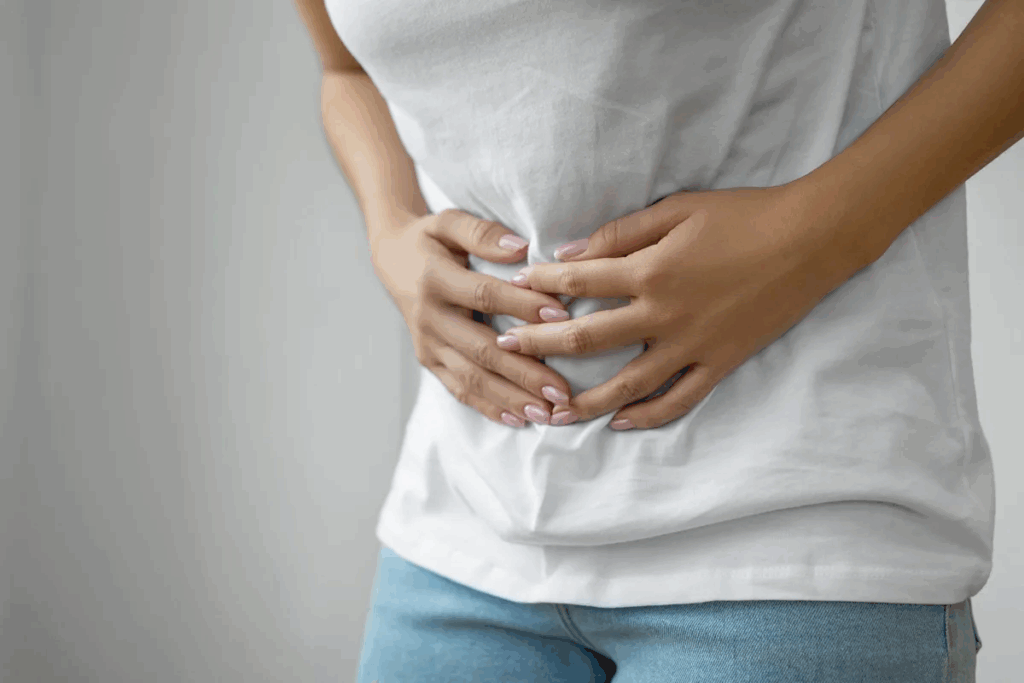
Colectomy is a surgery to remove part or all of the colon, which often raises the question of how to live without a colon. At Liv Hospital, safety and international standards are key in every step of recovery. The large intestine, or colon, mainly absorbs water and electrolytes, but it is not needed to live. People can adjust to new habits after surgery, and understanding life after colectomy is important for a smooth transition.
Key Takeaways
- Colectomy is a surgical procedure that removes all or part of the colon.
- The colon is not essential for survival, as its primary function is to absorb water and electrolytes.
- Patients can adapt to new routines after surgery with proper care and guidance.
- Liv Hospital provides patient-centered care and international standards for recovery.
- Understanding life after colectomy is vital for a successful transition.
Understanding the Colon and Its Function
It’s important to know how the colon works to understand digestion and nutrient absorption. The colon, or large intestine, is key to our digestive system.
The Role of the Large Intestine in Digestion
The large intestine has several important jobs in digestion. It absorbs water and electrolytes from stool, making waste more concentrated. This helps keep our bodies hydrated and balanced with electrolytes.
It also hosts a huge number of microorganisms, or gut microbiota. These microbes help with fermentation and breaking down complex carbs. They make vitamins like K and biotin, which our body needs.
What the Colon Does vs. What’s Essential for Survival
Even though the colon is important, we can live without it. This is called a colectomy. The large intestine includes parts like the ascending and descending colon, all working to process waste.
- The colon absorbs water and electrolytes.
- It houses a significant portion of the body’s microbiome.
- It helps in the storage and elimination of waste.
People can survive without their colon. Other parts of the digestive system can adapt to its absence.
Difference Between the Small and Large Intestine
The small intestine and large intestine have different jobs. The small intestine is where most nutrient absorption happens. It has a big surface area for this purpose.
The large intestine focuses on absorbing water and eliminating waste. Its walls are thicker, helping move waste towards the anus.
| Characteristics | Small Intestine | Large Intestine |
| Primary Function | Nutrient Absorption | Water Absorption, Waste Storage |
| Surface Area | Larger | Smaller |
| Wall Thickness | Thinner | Thicker |
Medical Conditions That May Require Colectomy
Some medical conditions make it necessary to remove the colon, a procedure called colectomy. This choice is made when other treatments don’t work or are not possible because of the condition’s severity.
Inflammatory Bowel Diseases: Ulcerative Colitis and Crohn’s Disease
Inflammatory bowel diseases (IBD) like ulcerative colitis and Crohn’s disease cause inflammation and damage in the digestive tract. Ulcerative colitis mainly affects the colon, causing symptoms such as diarrhea, abdominal pain, and rectal bleeding. Crohn’s disease can affect any part of the GI tract, but when it affects the colon, it can cause similar problems as ulcerative colitis. In severe cases, when other treatments fail, a colectomy might be considered.
Table: Comparison of Ulcerative Colitis and Crohn’s Disease
| Characteristics | Ulcerative Colitis | Crohn’s Disease |
| Location | Confined to the colon | Can affect any part of the GI tract |
| Depth of Inflammation | Mucosal layer | Transmural (through all layers) |
| Symptoms | Diarrhea, abdominal pain, rectal bleeding | Diarrhea, abdominal pain, weight loss, fatigue |
Colorectal Cancer
Colorectal cancer is another serious condition that might need a colectomy. If cancer is found in the colon or rectum, removing the affected area is often necessary. The extent depends on the cancer’s stage and location.
“Surgical resection remains the primary treatment for colorectal cancer, giving the best chance for cure in early-stage disease.”
Diverticulitis and Other Inflammatory Conditions
Diverticulitis, an inflammation of the diverticula in the colon wall, might need surgery if complications like abscesses, perforation, or recurrent episodes occur. Other inflammatory conditions, such as ischemic colitis or infectious colitis, can also lead to a colectomy in severe or complicated cases.
Trauma and Emergency Situations
Severe trauma to the abdomen or pelvis can injure the colon, requiring emergency surgery. This might involve removing the damaged part of the colon to prevent further issues. Conditions like toxic megacolon, a dangerous complication of colitis, may also need urgent colectomy.
Understanding these conditions helps explain why a colectomy might be necessary. While the idea of living without a colon can seem daunting, many people adapt and live fulfilling lives after surgery.
Types of Colectomy Procedures
Surgeons use different colectomy techniques, like total and partial colectomy, for various colon problems. The choice depends on the disease’s extent, location, and the patient’s health.
Total vs. Partial Colectomy
A total colectomy means removing the whole colon. A partial colectomy removes only the sick part. The choice depends on how widespread the disease is.
Patients with ulcerative colitis or familial adenomatous polyposis often need a total colectomy. Those with localized colon cancer or diverticulitis might get a partial colectomy.
Minimally Invasive Options
Minimally invasive colectomy, like laparoscopic surgery, is gaining popularity. It offers smaller cuts, less pain, and faster recovery.
- Laparoscopic colectomy uses small incisions for instruments and a camera.
- Robotic-assisted surgery adds precision and control.
Emergency vs. Planned Procedures
Colectomy can be an emergency or a planned surgery. Emergency colectomies are for urgent issues like colon perforation or severe bleeding.
Planned colectomies are scheduled ahead of time. This allows for better preparation and preoperative checks.
Knowing about the different colectomy procedures helps patients understand their treatment options. It aids in making informed decisions about their care.
Surgical Approaches: Ileostomy vs. J-Pouch
It’s important for patients to know the difference between ileostomy and J-pouch surgeries. This choice affects their life after surgery. The decision depends on health, the reason for surgery, and personal preferences.
Temporary and Permanent Ileostomies
An ileostomy creates a stoma in the abdomen. The ileum, the last part of the small intestine, is brought to the surface. This lets waste collect in a pouch outside the body. Ileostomies can be temporary or permanent, based on the surgery and the patient’s condition.
Temporary Ileostomy: This is used to let the bowel heal after surgery. It’s usually reversed once the bowel has recovered.
Permanent Ileostomy: If the rectum and anus are removed or need to be bypassed, a permanent ileostomy is needed.
J-Pouch Construction and Function
A J-pouch, or ileal pouch-anal anastomosis (IPAA), is made from the ileum. It’s connected to the anus. This lets patients have normal bowel movements without an external pouch.
- The J-pouch is made by folding the ileum back onto itself and sewing it to create a pouch.
- The pouch is then connected to the anus for more normal bowel movements.
- J-pouch surgery is done in stages, with the pouch creation and connection to the anus often being separate surgeries.
Deciding Between Options: Patient Considerations
The choice between ileostomy and J-pouch depends on many factors. These include health, the reason for surgery, and lifestyle.
| Consideration | Ileostomy | J-Pouch |
| Bowel Continuity | No, requires external pouch | Yes, maintains normal bowel route |
| Surgery Complexity | Generally less complex | More complex, multi-stage process |
| Lifestyle Impact | Requires ostomy care and bag management | More normal bowel movements, but may have frequency or urgency |
Choosing between ileostomy and J-pouch surgery should be done with a healthcare provider. It’s important to consider the individual’s needs and circumstances. Knowing the implications of each option helps make an informed decision that fits the patient’s health goals and lifestyle.
How Do You Live Without a Colon? The Immediate Aftermath
Knowing what happens right after a colectomy helps patients get ready for what’s next. The time right after surgery is very important for getting better and adjusting.
Hospital Recovery Period
Patients usually stay in a recovery room first, then move to their hospital room. The medical team wants patients to start moving and walking early. This helps avoid problems and speeds up healing.
Early mobilization is important for a better recovery. It helps prevent blood clots, improves blood flow, and lowers the chance of pneumonia.
Initial Physical Adaptations
The body changes a lot after a colectomy. Patients might feel fatigue, pain, and discomfort as their body gets used to not having a colon.
It’s important for patients to know about these changes. This helps them understand what to expect and work well with their healthcare team.
Managing Pain and Discomfort
Managing pain is a big part of getting better. Doctors and nurses help patients find a good pain plan. This might include medicine and other ways to help.
Patients should tell their healthcare team how much pain they have. This helps make sure they get the right care.
Learning Basic Ostomy Care (If Applicable)
For those with an ostomy, learning to take care of the stoma and pouch is key. Ostomy care means cleaning the stoma, changing the pouch, and watching for any problems.
Nurses and other healthcare workers help patients learn how to take care of their ostomy. They offer support and guidance.
By understanding these parts of the colectomy recovery, patients can handle their journey better. They can learn to live without a colon.
Digestive Changes After Colectomy
After a colectomy, patients face a new reality for their digestive health. The body must adjust to the loss of the colon. This leads to changes in how the body digests food.
New Bowel Movement Patterns
One of the first changes is how often and what the stools are like. Patients might find they have more frequent or watery stools. This is because the remaining parts of the colon or small intestine can’t absorb water as well.
Key Changes in Bowel Movements:
- Increased frequency
- Looser stools
- Potential for urgency
Water and Electrolyte Balance
The colon is key in absorbing water and electrolytes. After it’s gone, the small intestine tries to take over. But it might not do as good a job. Patients might need to drink more water to make up for this.
| Electrolyte | Normal Function | Post-Colectomy Considerations |
| Sodium | Absorption in the colon | Increased risk of deficiency |
| Potassium | Regulation in the colon | Potential for imbalance |
Nutritional Considerations
After a colectomy, changing what you eat is important. Patients might need to eat differently to handle bowel changes and get enough nutrients.
It’s key to understand these digestive changes to live well after a colectomy. By adjusting to new bowel habits, keeping electrolyte balance, and eating right, patients can better their quality.
Daily Life Adaptations After Colectomy
Life without a colon requires a big change in daily habits. People must adjust their diet and how they handle social situations. These changes help them live well after a colectomy.
Dietary Modifications and Recommendations
Diet is key after a colectomy. At first, a low-fiber diet is recommended to ease digestion. Later, they can add more variety to their meals.
Drinking lots of water is important. Avoid foods that can upset your stomach, like high-fiber foods, spicy foods, or dairy if you’re lactose intolerant.
Physical Activity and Exercise
Being active is good for your health and helps with living without a colon. Start slowly with activities like walking, driving, and showering.
Exercise can also improve bowel function and overall health. But don’t push too hard, listen to your body, and rest when needed.
Travel and Social Situations
Traveling and socializing can be tough after a colectomy. But, with some planning, it’s doable. Know where restrooms are and carry supplies if needed.
When eating out or at gatherings, choose foods that are easy to digest.
Work and Lifestyle Adjustments
Going back to work and daily activities need a proper plan. Talk to your doctor about when you can go back to work.
You might need to adjust your work schedule to fit your health needs.
By making these changes and staying mindful of your health, you can live without a colon and enjoy life.
Long-term Health Considerations
After a colectomy, health needs careful attention. Patients must know the possible health issues and take steps to stay well.
Monitoring for Nutritional Deficiencies
After surgery, nutrient absorption might be hard. It’s key to check nutritional levels often to avoid shortages. Watch for:
- Vitamin B12
- Iron
- Calcium
- Fat-soluble vitamins (A, D, E, K)
Regular blood tests can spot shortages early. This lets you fix them with diet or supplements.
Follow-up Care Schedule
Seeing your doctor regularly is vital. It helps track recovery and catch any issues, like cancer. The schedule depends on your health and surgery reason.
A common schedule includes:
- First visits every few weeks after surgery
- Appointments get farther apart over a year
- Annual visits after that
These visits help doctors check your health and solve problems fast.
Potential Complications to Watch For
Even with a good recovery, some issues might arise. These include:
- Ostomy problems (if you have one)
- Adhesions or bowel blockages
- Hernias
- Nutrient shortages
Knowing these risks helps you get help quickly if you notice something odd.
In summary, managing health long-term after a colectomy is key. By watching for nutritional issues, sticking to your follow-up plan, and knowing about possible problems, you can keep your health and quality after surgery.
Psychological Aspects of Living Without a Colon
Living without a colon changes your life in big ways. It affects your body and mind. Adjusting to life after surgery can be tough, even more so with an ostomy. This big change can deeply impact many areas of your life.
Body Image and Self-Perception
Removing the colon and possibly needing an ostomy can really affect how you see yourself. You might feel insecure or embarrassed about your new body. It’s important for doctors to talk about these feelings and offer support.
Counseling and support groups are key in dealing with these feelings. Sharing stories with others who have gone through the same thing can help a lot. It makes you feel less alone.
Coping Strategies and Support Systems
Finding ways to cope is essential for those without a colon. This includes learning about ostomy care and changing your diet. Having support from loved ones and doctors is also very important.
Support groups, whether in-person or online, offer a safe place to share and get support. Cognitive-behavioral therapy (CBT) and counseling can help with any mental health issues that come up.
Intimacy and Relationships After Colectomy
Colectomy can also affect your relationships and intimacy. You might worry about how your condition or ostomy will change things. Talking openly with your partner and doctors is important to keep your relationship strong.
Colectomy indeed brings challenges, but many people lead happy, active lives. With the right support and strategies, you can deal with the mental side of living without a colon and improve your overall happiness.
Conclusion: Thriving After Colectomy
Learning to live without a colon is key for those who have had or might have a colectomy. Thanks to better surgery and care, many can live full and active lives post-surgery.
Most can get back to normal in a few weeks to months. The right care and lifestyle changes are vital for recovery. By making dietary changes, staying active, and managing ostomy care, people can adjust to life without a colon.
Can you live without a colon? Yes, you can. Life without a colon needs adjustments, but with the right attitude and support, you can thrive. Understanding the changes after colectomy and being proactive about health is important.
By focusing on nutrition, staying hydrated, and watching for complications, you can have a healthy and active future. With proper care and support, living a fulfilling life after colectomy is possible.
FAQ
Can you live without your large intestine?
Yes, living without a large intestine is possible. The colon is not essential for survival. People can adapt to new routines after a colectomy.
What happens if you don’t have a colon?
Without a colon, digestion can continue. But bowel movements might change. Patients may need to adjust their diet to manage these changes.
Do you need your colon to survive?
No, you don’t need a colon to survive. It helps with water and electrolyte balance. But, he body can adapt without it.
Can you live without a bowel?
You can’t live without a
bowel. But
Living without a large intestine is possible. The small intestine keeps functioning, and patients adapt to new bowel patterns.
What are the differences between a total and a partial colectomy?
A total colectomy removes the whole colon. A partial colectomy removes just the affected part. The surgery type depends on the patient’s condition.
How do you manage life after a colectomy?
Life after a colectomy requires dietary changes and adjusting to new bowel patterns. Patients may also need to learn about ostomy care. They should watch for nutritional deficiencies and follow up with their doctor.
Can you live a normal life without a colon?
Living without a colon requires adjustments. But, many people lead active, healthy lives after a colectomy. With proper care and lifestyle changes, they can thrive.
How do you cope with the psychological aspects of living without a colon?
Dealing with the psychological effects involves addressing body image and self-perception. Developing coping strategies and seeking support from healthcare providers and loved ones is key.
Can you travel and participate in social activities after a colectomy?
Yes, with planning, patients can travel and join social activities after a colectomy. This includes packing extra supplies and making medical care arrangements while away.
How do you manage pain and discomfort after a colectomy?
Managing pain involves following your doctor’s pain management advice. Use medications as directed and try relaxation techniques.
Can you live without intestines?
You can’t live without any intestines. But living without a large intestine is possible. The small intestine is key for nutrient absorption, and patients can adapt to life without a colon.
How do you live without a small intestine?
Living without a small intestine is harder. It’s mainly responsible for nutrient absorption. Patients may need parenteral nutrition or other nutritional support after a significant small intestine resection.
Can a person live without a colon?
Yes, a person can live without a colon. The body can adapt to its removal. With proper care and lifestyle adjustments, patients can lead healthy lives.
How to live without a colon?
Living without a colon means making dietary changes and adjusting to new bowel patterns. Patients may also need to learn about ostomy care. They should monitor for nutritional deficiencies and follow up with their healthcare provider.
Can u live without a colon?
Yes, living without a colon is possible. Many people adapt to new routines after a colectomy. They can lead healthy lives despite their medical conditions.
| References |
- Huttinger, R. (2023). Spigelian hernia. In StatPearls. National Library of Medicine. Retrieved from https://www.ncbi.nlm.nih.gov/books/NBK538290/



 Departments
 Related Videos
 Our Doctors
 News
News