
At Liv Hospital, we know that hip pain isn’t always from the hip. Studies show that disk problems can lead to hip and groin pain. A bulging disc in the lower back can bother nerves, causing pain in the hip, buttocks, or groin.
A bulging disc can put pressure on nerves, causing hip pain that feels deep and achy. This pain often starts in the lower back.
Key Takeaways
- A bulging disc in the lumbar spine can cause hip pain by irritating nearby nerves.
- Symptoms of a bulging disc include deep, achy hip pain and sciatica.
- Numbness, tingling, and weakness in the leg or foot can also occur.
- Understanding the connection between the lumbar spine and hip pain is key for diagnosis and treatment.
- Liv Hospital offers patient-focused care for complex spinal issues.
Understanding Bulging Discs and Spinal Anatomy
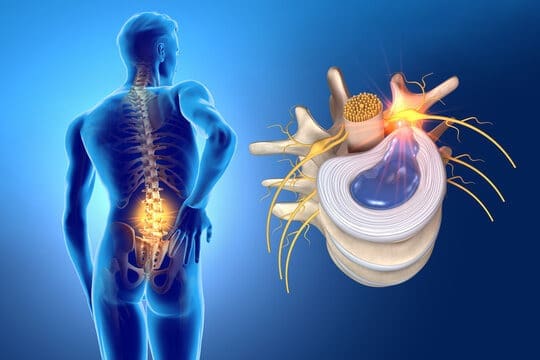
The spine is a complex structure. Knowing about bulging discs is key to solving health problems. To grasp how a bulging disc can lead to hip pain, we must first learn about spinal anatomy and disc issues.
What Is a Bulging Disc?
A bulging disc happens when the soft center of a spinal disc pushes against its outer ring. This makes the disc bulge. This condition can lead to more serious problems, like herniation. It’s important to know that a bulging disc is not just a simple back issue; it can affect the hip too.
Common Locations for Disc Problems in the Spine
Disc problems often happen in the lumbar region. This part of the back bears a lot of weight. The L4-L5 and L5-S1 discs are most affected because they carry a lot of weight and move a lot.
Difference Between Bulging, Herniated, and Slipped Discs
People often mix up “bulging,” “herniated,” and “slipped” discs. But they mean different things. A bulging disc is when the disc bulges without rupturing. A herniated disc has a cracked outer ring and a leaking soft center. “Slipped disc” is a common term for both bulging and herniated discs. Knowing these differences is key to diagnosing and treating the condition right, which is important for herniated disc hip pain or slipped disc hip pain.
By understanding the spine’s anatomy and bulging discs, we can see how they can cause hip pain. The spine and hip are connected, and problems in the lumbar region can spread to the hip. This can cause pain and make moving harder.
The Connection Between Spine and Hip: Anatomical Relationship
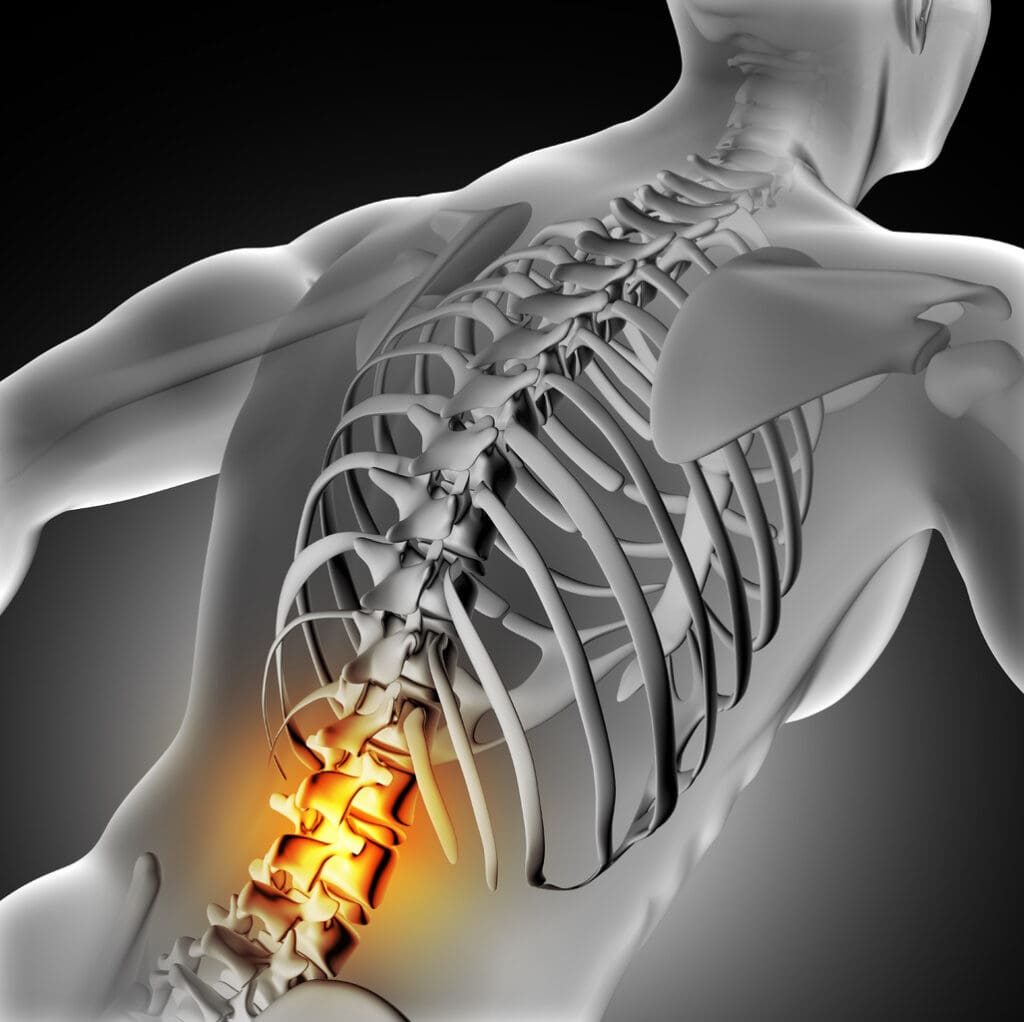
The spine and hip are closely linked through detailed structures. This bond helps us see how spine problems, like bulging discs, can cause hip pain. We’ll look at the nerve paths from the spine to the hip and how disc issues impact hip function.
Nerve Pathways from Lumbar Spine to Hip
The spine and hip share nerve paths, leading to pain that feels like it’s coming from somewhere else. Nerves from the spine go through the lumbar plexus and sciatic nerve to the hip. These nerves handle both movement and feeling, which is why spine issues can hurt the hip.
The main nerve paths include:
- The femoral nerve, from the lumbar plexus (L2-L4), supplies the front thigh muscles.
- The obturator nerve, from the lumbar plexus (L2-L4), works the inner thigh muscles.
- The sciatic nerve, from the lumbosacral plexus (L4-S3), is the biggest nerve and covers the back thigh and below.
How L4-L5 and L5-S1 Discs Affect Hip Function
Problems at L4-L5 and L5-S1 are big because they can press on or upset nerves going to the hip. A bulging disc here can cause radiculopathy, leading to hip and leg pain, numbness, or weakness.
Here’s how these disc issues impact the hip:
- Pressing on the sciatic nerve can cause sciatica, with pain down the back leg.
- Irritating nerve roots can send pain to the hip area.
- Swelling and inflammation can block nerves, making symptoms worse.
Knowing how the spine and hip are connected is key to figuring out and treating hip pain from spinal problems. By understanding how disc issues at L4-L5 and L5-S1 affect nerves, doctors can create better treatment plans. This includes herniated disc l4-l5 hip pain treatment to fix the pain’s source.
Can a Bulging Disc Cause Hip Pain? The Scientific Evidence
Looking into the link between bulging discs and hip pain shows a complex relationship. We’ll dive into how disc degeneration and nerve compression can cause hip pain. This includes the research on disc degeneration and its connection to hip pain, and how nerve compression affects the hip.
Research on Disc Degeneration and Hip Pain Correlation
Recent studies have found a strong link between disc degeneration and hip pain. Degeneration at L4-L5 and L5-S1 levels often leads to hip and groin pain. This is because these discs are close to nerves that control the hip area.
A study in theSpine Journal showed that hip pain is more common in patients with disc herniation at L4-L5 or L5-S1. This indicates a clear connection between disc degeneration location and hip pain.Key findings include:
- Disc degeneration at L4-L5 and L5-S1 is often linked to hip pain.
- Nerve compression from bulging discs can cause pain that spreads.
- The more severe the disc degeneration, the more intense the hip pain.
Nerve Compression Mechanisms Leading to Hip Symptoms
Nerve compression plays a big role in hip pain from bulging discs. When a disc bulges, it can press on nerves, causing pain and other symptoms. The nerves affected by lumbar disc bulges, mainly at L4-L5 and L5-S1, can send pain to the hip.
The process involves compressing nerve roots, which can cause inflammation and irritation. This leads to pain in the hip area. This type of pain is common in people with lumbar disc problems.
A leading researcher noted, “The close location of the lumbar spine to the hip joint and shared nerve pathways can cause hip pain from lumbar disc issues.” This shows how spinal health and hip function are connected.
In summary, the scientific evidence confirms a connection between bulging discs and hip pain. This is mainly due to disc degeneration and nerve compression. Understanding these links is key for accurate diagnosis and treatment.
Recognizing Symptoms of Hip Pain from Bulging Discs
Hip pain from bulging discs can affect your daily life. When a bulging disc presses on nerves, it can cause various symptoms in the hip and nearby areas.
Radiating Pain Patterns
Radiating pain is a common symptom of hip pain from bulging discs. This pain spreads from the lower back to the hip, buttocks, and legs. It can feel sharp, dull, or aching, depending on the disc bulge and nerve affected.
Characteristics of Radiating Pain:
- Pain that worsens with certain movements or positions
- Pain that radiates along a specific nerve pathway
- Pain that may be accompanied by a sensation of numbness or tingling
Numbness and Tingling Sensations
Numbness and tingling are common symptoms of hip pain from bulging discs. These happen when a bulging disc presses on nerves, disrupting their function.
Numbness feels like a lack of sensation in the affected area. Tingling feels like pins-and-needles. Both can be uncomfortable and affect how you move.
Weakness and Mobility Issues
Weakness in the hip or legs can also result from a bulging disc. When nerves are compressed, they may not work right, leading to muscle weakness. This weakness can make it hard to move around.
| Symptom | Description | Possible Impact |
|---|---|---|
| Radiating Pain | Pain traveling from lower back to hip and legs | Affects mobility and daily activities |
| Numbness and Tingling | Sensations due to nerve compression | Can cause discomfort and affect balance |
| Weakness | Muscle weakness due to nerve impairment | Impairs mobility and strength |
It’s important to recognize these symptoms and seek medical care. If you have persistent or severe hip pain, numbness, tingling, or weakness, see a healthcare professional. They can help diagnose and treat your condition.
Herniated Disc Hip Pain: Specific Symptoms and Characteristics
Knowing the symptoms of herniated disc hip pain is key to treating it well. When a herniated disc hits the hip, it can show up in many ways. This makes it hard to diagnose and manage.
Sharp and Shooting Pain Sensations
Sharp and shooting pain is a big sign of herniated disc hip pain. This pain is very bad and can spread from the lower back to the hip and leg. It happens when nerves around the herniated disc get compressed or irritated.
Key characteristics of sharp and shooting pain include:
- Sudden onset, often triggered by specific movements or actions
- Severe intensity, potentially limiting daily activities
- Radiating pain that follows the path of the affected nerve
Nerve Inflammation Signs
Nerve inflammation is a big part of herniated disc hip pain. When nerves get inflamed, it can cause more than just pain. You might feel numbness, tingling, or weakness in your leg.
Nerve inflammation signs may include:
- Numbness or tingling sensations in the hip, leg, or foot
- Muscle weakness, potentially affecting mobility and balance
- Altered reflexes, indicating nerve compression or damage
Activity-Related Symptom Changes
Symptoms of herniated disc hip pain can change with what you do. Knowing how different activities affect your pain can help you manage it better.
For example, heavy lifting or bending can make it worse. So can sitting or standing for too long, or twisting and rotating.
But, rest, physical therapy, or certain exercises might make you feel better. Spotting these patterns is key to finding the right treatment.
Hip and Groin Pain from Herniated Discs: Differential Diagnosis
Hip and groin pain can come from many sources. It’s key to figure out if a herniated disc is the cause. The spine’s complex structure and the nervous system’s connections make finding the source hard.
Distinguishing Disc-Related Hip Pain from Other Conditions
When people have hip and groin pain, we must look at many possible reasons. True hip joint pain is usually felt in the groin area, not the back or buttock. This shows why finding the right diagnosis is so important.
We need to tell apart pain from a herniated disc and other issues like osteoarthritis, tendinitis, or muscle strains. A detailed medical history and physical check-up are key to making this distinction.
Pain that goes from the lower back to the hip and groin might mean a herniated disc. This is true if you also feel numbness, tingling, or weakness in your leg. But, pain just in the groin that gets worse with movement might point to a hip problem.
When Groin Pain Indicates Spinal Issues
Groin pain can sometimes come from the lower back, like when a herniated disc presses on nerves. The L4-L5 and L5-S1 discs often cause this, as they can affect nerves that go to the hip and groin.
To solve this, we need a detailed check-up. This might include MRI or CT scans to see the spine and find any disc problems. By correctly figuring out why you have hip and groin pain, we can create a treatment plan just for you.
Diagnostic Approaches for Bulging Disc Hip Pain
Diagnosing bulging disc hip pain needs a mix of clinical checks and high-tech imaging. We use a detailed plan to find out why you’re in pain and how to fix it.
Physical Examination Techniques
A good physical check is key to spotting bulging disc hip pain. We check your condition with:
- Muscle strength tests to find any weak spots
- Range of motion tests to see how flexible and mobile you are
- Neurological tests to look for nerve issues or compression
These tests help us see how bad the problem is and how it affects your daily life.
Imaging Studies: MRI, CT Scans, and X-rays
Imaging tests are very important for diagnosing bulging disc hip pain. We use:
- MRI (Magnetic Resonance Imaging) to see soft tissues like discs, nerves, and muscles
- CT Scans (Computed Tomography) for detailed views of the spine and nearby areas
- X-rays to check the bones’ alignment and health
These tests confirm if you have a bulging disc and how it affects the area around it.
Nerve Conduction Studies and EMG
In some cases, we might suggest nerve conduction studies (NCS) and electromyography (EMG). These tests check:
- The electrical activity in muscles
- Nerve function and if there’s any damage
By looking at all these test results, we can accurately diagnose bulging disc hip pain. Then, we create a treatment plan just for you.
Herniated Disc L4-L5 Hip Pain Treatment Options
Herniated disc hip pain can be very painful. But, there are many ways to help feel better. The right treatment depends on how bad the herniation is and how much it hurts.
Conservative Management Approaches
First, doctors often try non-surgical ways to treat the pain. This includes:
- Physical Therapy: Special exercises to make the muscles around the spine stronger and more flexible.
- Pain Management Medications: Drugs to help with pain and swelling.
- Lifestyle Modifications: Making changes to how you move and live to ease the strain on your spine.
These methods can really help manage the pain and prevent more problems.
Interventional Procedures
If these non-surgical methods don’t work, doctors might suggest more invasive treatments. These include:
- Epidural Steroid Injections: Injecting medicine into the space around the spinal cord to reduce swelling and pain.
- Nerve Blocks: Injecting medicine around the nerves to stop pain signals.
These treatments can offer a lot of relief for those who keep feeling pain.
Surgical Interventions When Necessary
If nothing else works, surgery might be the next step. Surgery options include:
- Discectomy: Taking out the part of the disc that’s pressing on nerves.
- Spinal Fusion: Joining the vertebrae together to stabilize the spine and lessen pain.
Knowing about the different treatments for herniated disc L4-L5 hip pain is key. It helps doctors create a plan that fits each person’s needs. This way, everyone gets the best care possible.
Lifestyle Modifications for Managing Bulging Disc Hip Pain
For those with bulging disc hip pain, making lifestyle changes can greatly improve life. By changing daily habits, people can manage their symptoms better. This might even lessen the condition’s severity.
Ergonomic Considerations
Adjusting your workspace to be ergonomic is key to reducing back and hip strain. Make sure your work area supports good posture. Use chairs with lumbar support, keep monitors at eye level, and place items you use often within reach.
A study in the Journal of Orthopaedic & Sports Physical Therapy shows ergonomic workspaces help. They reduce discomfort in the muscles. For those with bulging discs, these changes can help a lot.
| Ergonomic Adjustment | Benefit |
|---|---|
| Lumbar Support | Reduces strain on lower back |
| Monitor at Eye Level | Prevents neck strain |
| Frequent Breaks | Reduces prolonged sitting or standing |
Exercise Recommendations and Restrictions
Doing gentle exercises can strengthen muscles around the hip and back. This can offer more support and possibly lessen pain. Swimming, yoga, and walking are good because they’re low-impact.
“Exercise is a key part of managing chronic pain. Gentle, regular movement can improve function and lessen discomfort.”
But, it’s also important to avoid activities that could make things worse. Avoid high-impact exercises like running or jumping. Also, don’t lift heavy or bend at the waist.
- Recommended Exercises:
- Swimming
- Yoga
- Walking
- Exercises to Avoid:
- Running
- Jumping
- Heavy Lifting
Sleep Positioning for Pain Relief
How you sleep can affect hip pain from a bulging disc. Sleep on a supportive mattress and use pillows to keep your body aligned. Side sleepers should use a pillow between their knees. Back sleepers might find relief with a pillow under their knees.
By making these lifestyle changes, people with bulging disc hip pain can manage their condition better. This can improve their overall well-being.
Preventing Recurrence of Slipped Disc Hip Pain
To prevent slipped disc hip pain from coming back, you need to do several things. This includes doing strengthening exercises, using proper body mechanics, and managing your weight. These steps can help lower the chance of getting hip pain from a slipped disc again.
Core Strengthening Exercises
Strengthening your core is key to supporting your spine and easing disc strain. Exercises that work your abdominal and back muscles help keep your spine stable. This can prevent future disc issues. Here are some good exercises to try:
- Planks
- Bridges
- Bird dog
- Pallof press
Do these exercises often and do them right to get the best results. Start slow and get stronger over time.
Proper Body Mechanics
Keeping your body in the right position is important to avoid putting extra stress on your spine and discs. This means standing up straight, lifting right, and avoiding bending or twisting. These actions can help prevent disc problems.
| Proper Body Mechanics | Benefits |
|---|---|
| Good Posture | Reduces strain on the spine |
| Lifting Correctly | Prevents disc herniation |
| Avoiding Bending/Twisting | Minimizes disc stress |
Weight Management Strategies
Keeping a healthy weight is also important. Too much weight can put extra pressure on your lower back, which can cause or make slipped disc hip pain worse. To manage your weight, eat well and exercise regularly.
By doing core exercises, using good body mechanics, and managing your weight, you can lower the risk of getting slipped disc hip pain again. It’s all about taking care of your spine and overall health.
Conclusion: Managing the Connection Between Spinal Health and Hip Pain
It’s key to understand how spinal health and hip pain are linked. We’ve seen how a bulging disc can lead to hip pain. We’ve also looked at the symptoms of herniated disc hip pain.
The spine and hip are connected through nerve pathways. This connection can send pain from the spine to the hip. Getting an accurate diagnosis is vital to treat the right pain.
Knowing the signs of hip pain from spinal issues helps in managing it. Symptoms include pain that spreads, numbness, and tingling. Treatment options like conservative management, interventional procedures, and lifestyle changes can help.
Proper diagnosis and treatment are critical for managing spinal and hip pain. By addressing bulging disc and hip pain, people can find relief. This improves their overall well-being.
Can a bulging disc cause hip pain?
Yes, a bulging disc in the lumbar spine can irritate nearby nerves. This can cause pain in the hip, buttocks, or groin. We’ve seen many cases where patients experience hip pain due to a bulging disc.
What is the difference between a bulging disc, herniated disc, and slipped disc?
These terms are often used together but mean different things. A bulging disc means the disc bulges outward, putting pressure on nerves. A herniated disc is when the disc ruptures, releasing its contents. A slipped disc is an older term for a herniated or bulging disc.
How do I know if my hip pain is caused by a bulging disc?
If you feel radiating pain, numbness, or tingling in your hip or groin, it might be a bulging disc. We suggest seeing a healthcare professional for a proper diagnosis. They may use imaging studies like MRI or CT scans.
Can a herniated disc at L4-L5 cause hip pain?
Yes, a herniated disc at L4-L5 can cause hip pain by compressing or irritating nearby nerves. The L4-L5 region is a common area for disc problems. Issues here can lead to hip pain, numbness, or weakness.
What are the symptoms of hip pain caused by a herniated disc?
Symptoms include sharp, shooting pain, numbness, tingling, or weakness in the hip or groin area. The pain may get worse with activities like bending or lifting. It often improves with rest.
How is hip pain from a bulging disc diagnosed?
Diagnosis involves a physical exam, imaging studies (like MRI or CT scans), and sometimes nerve conduction studies (EMG). Our healthcare professionals will work with you to find the cause of your hip pain.
What are the treatment options for herniated disc hip pain?
Treatment options include physical therapy, pain management, injections, and sometimes surgery. We will help you create a treatment plan that’s right for you.
Can lifestyle changes help alleviate bulging disc hip pain?
Yes, making ergonomic adjustments, doing exercises, and sleeping well can help manage pain. We can guide you on lifestyle changes to ease your symptoms.
How can I prevent the recurrence of slipped disc hip pain?
To prevent recurrence, do core strengthening exercises, maintain proper body mechanics, and manage your weight. These habits can reduce the risk of future episodes.
Is hip pain from a bulging disc a sign of a more serious condition?
In some cases, hip pain from a bulging disc can signal a more serious issue. If you have severe or persistent pain, seek medical attention. This is to rule out any serious conditions that need prompt treatment.