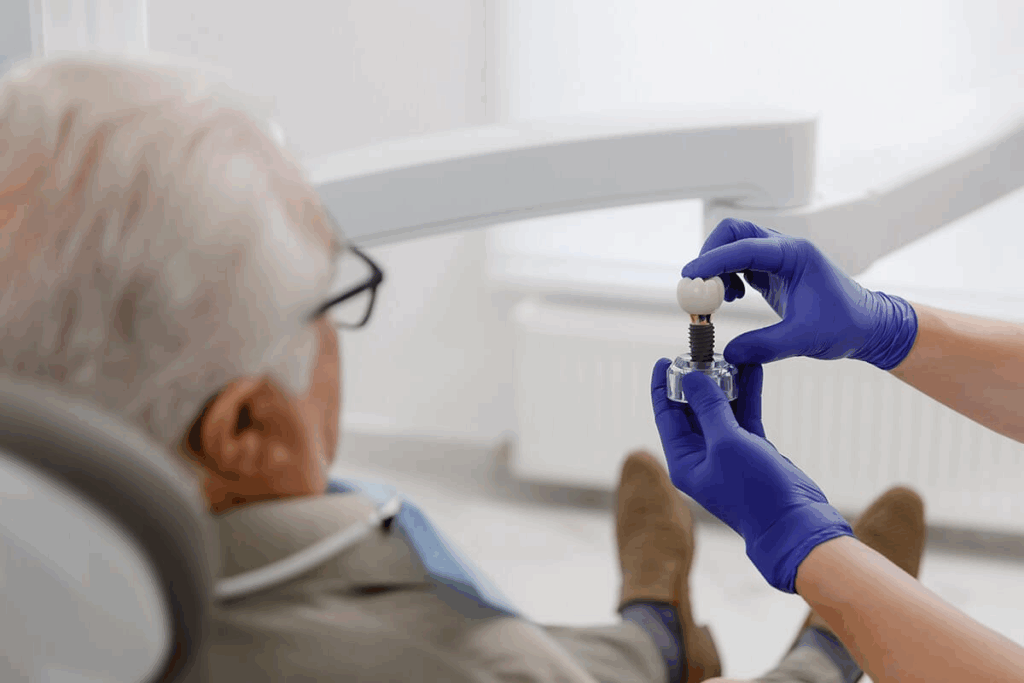
Replacing missing teeth is now easier than ever. Dental implants have changed the game in dentistry. They have success rates between 90 to 98 percent.how does a dental implant workHow to Prepare for a Dental Bone Implant and Bone Grafting Procedure
At Liv Hospital, we make sure every patient gets top-notch implant care. We use the latest technology and proven methods. We have different types of implants for each patient’s needs. This ensures a lasting fix with artificial roots that hold teeth or bridges in place.
Key Takeaways
- High success rates of dental implants, ranging from 90 to 98 percent.
- Various types of implants available for different patient needs.
- Permanent solution with artificial tooth roots.
- Advanced technology and evidence-based protocols.
- Personalized treatment plans at Liv Hospital.
The Evolution of Dental Implants for Missing Teeth

Dental implants have changed the game in dentistry, giving people a solid way to replace lost teeth. This change comes from better technology and materials. These advancements have made implants more effective and easier to get.
The Growing Popularity of Implant Solutions
More people are choosing dental implants because they last long and look real. The market for dental implants is booming, expected to hit $9.6 to $10.48 billion by 2030. This growth is fueled by more people wanting to look and feel good.
A leading expert says,
“Dental implants have become the standard of care for replacing missing teeth, providing a long-term solution that closely mimics natural teeth.”
This move towards implants is also because of more older people and more dental problems.
Market Growth and Success Rates (90-98%)
The success rate of dental implants is very high, between 90% to 98%. This success is due to many factors like the patient’s health and the quality of the implant. These high success rates make implants a top choice for tooth replacement.
Technology is also playing a big role. New implant designs and surfaces help them integrate better with bone. A study found that “advanced implant surfaces have greatly boosted dental implant success rates.”
- Increased patient awareness and education
- Advancements in implant technology and materials
- Rising demand for cosmetic dentistry
How Implants Have Transformed Restorative Dentistry
Dental implants have changed dentistry by giving a strong and working solution for missing teeth. They’ve changed how dentists replace teeth, making it more conservative and reliable than old methods.
Implants do more than just fix teeth; they boost a patient’s life. They make people more confident in their smile and better at eating and speaking. As dentistry keeps improving, we’ll see even better results for patients.
How Dental Implant Systems Function

Dental implant systems are key in modern dentistry. They provide stable support for artificial teeth. This prevents slipping and bone damage.
The Three-Part Structure
Dental implant systems have three main parts: the fixture, abutment, and crown. The fixture is implanted into the jawbone, acting as the tooth root. The abutment links the fixture to the crown, which is the visible tooth part.
The Biological Process of Osseointegration
Osseointegration is when the dental implant merges with the jawbone. This process is vital for the implant’s stability and success. Successful osseointegration makes the implant act like a natural tooth root, supporting the artificial tooth well.
Differences Between Implants and Traditional Prosthetics
Dental implants don’t need support from other teeth like traditional prosthetics do. This keeps the teeth next to them healthy. It also makes implants feel and work more like natural teeth.
Understanding dental implant systems shows their big step forward in dental care. They offer a reliable and natural-looking way to replace teeth. This boosts both oral function and patient confidence.
Endosteal Implants: The Gold Standard
Endosteal implants are the most common type of dental implant. They are considered the gold standard for replacing missing teeth. Advances in dental implant technology have made endosteal implants a durable and natural-looking solution for tooth loss.
Structure and Placement Technique
Endosteal implants are placed directly into the jawbone. They serve as a strong base for artificial teeth. The implant is usually a titanium screw that bonds with the bone through osseointegration.
The placement of endosteal implants involves several steps:
- Initial consultation and treatment planning
- Surgical placement of the implant into the jawbone
- A healing period allowing for osseointegration
- Attachment of the abutment and crown
Why They Dominate the Market
Endosteal implants are the most popular, making up 88% of the market. They have high success rates and work well for most patients. Their ability to bond with the jawbone and support prosthetic teeth makes them a top choice.
The main benefits of endosteal implants are:
- High success rates
- Long-term durability
- Natural appearance and functionality
- Versatility in treating various cases of tooth loss
Ideal Candidates and Bone Requirements
Not all patients are good candidates for endosteal implants. The success of these implants depends on enough bone to support them. Patients with too little bone may need bone grafting first.
To be a good candidate for endosteal implants, patients should:
- Have enough jawbone density and volume
- Be in good overall health
- Have realistic expectations about the outcome
- Be committed to proper oral hygiene and follow-up care
Subperiosteal Implants: Alternative for Insufficient Bone
When regular dental implants aren’t possible because of not enough bone, subperiosteal implants are a good choice. These implants are made to help those with not enough bone.
Design and Placement Methodology
Subperiosteal implants are made to fit under the gum but on top of the jawbone. This is great for people who can’t get bone grafts. They have a metal framework that fits the jaw perfectly.
The surgery puts the implant under the periosteum, a tissue layer over the bone. This makes the implant stable and strong for the dental prosthesis.
When Subperiosteal Implants Are Recommended
We suggest subperiosteal implants for those with not enough bone for regular implants. They’re good for people who:
- Have lost a lot of bone because of gum disease
- Can’t get bone grafts for health reasons
- Need something more stable than dentures
The Custom Fabrication Process
Making subperiosteal implants involves advanced imaging and modeling. We use scans of the jaw to make a precise model. Then, we make the implant from it.
Key benefits of this method include:
- They fit better and are more comfortable
- They support dental prosthetics better
- They have fewer risks because of careful planning
Using the latest technology and focusing on the patient, we offer solutions for those with implant challenges.
Zygomatic Implants: Advanced Solution for Severe Maxillary Atrophy
Zygomatic implants are a new hope for those with big gaps in their upper jaw bone. They go into the cheekbone instead of the jaw. This makes them a strong choice for those who can’t get regular dental implants because of bone loss.
Unique Design and Anchoring Technique
Zygomatic implants are different from regular implants. They are longer and angled in a special way. This lets them anchor into the cheekbone. It gives the needed support for teeth, even with a lot of bone loss.
- Longer length to reach the zygomatic bone
- Specific angulation for optimal anchorage
- Robust design for enhanced stability
The Specialized Surgical Procedure
Getting zygomatic implants needs a specialized surgical procedure. Only skilled oral surgeons or periodontists can do it. They plan and do the surgery carefully to place the implants right and safely.
- Pre-surgical planning using advanced imaging techniques
- Precise placement of the implants under anesthesia
- Post-operative care to ensure proper healing
Candidates for Zygomatic Implants
Zygomatic implants help those with big bone loss in the upper jaw. They are for people who can’t get regular implants or bone grafts. This includes those with bone loss from trauma, infection, or long-term denture use.
Knowing about zygomatic implants helps us offer hope to those who thought they were out of options. This advanced solution not only fixes dental problems but also improves their life quality.
Tapered Implants: Enhanced Stability for Challenging Cases
Tapered implants are made to give better stability in narrow ridges. They are perfect for tough dental restorations. They tackle problems like not enough bone or narrow ridges well.
Design Features and Mechanical Advantages
The tapered design makes it easier to put the implant in the bone. This lowers the chance of breakage and boosts initial stability. The key features are:
- A tapered body that presses the bone as it’s inserted
- Threads for the best bone contact
- A strong connection for the abutment
These elements help create a solid base for the prosthetic tooth. This boosts the success of the implant procedure.
Benefits for Narrow Ridges and Immediate Loading
Tapered implants are great for narrow or weak ridges. They offer better stability for immediate use. This means patients can get their teeth back faster.
The benefits of tapered implants include:
- Stronger stability in tough ridges
- Quick loading, cutting down healing time
- Better bone integration because of the design
Comparative Success Rates in Complex Cases
Research shows tapered implants have high success rates in tough cases. They often do better than traditional implants in narrow ridges. This is because they:
- Have similar or better success rates in narrow ridges
- Lower the risk of implant failure with better stability
- Make patients happier with quicker results
Choosing tapered implants for complex cases greatly improves results and patient happiness.
Mini Dental Implants: Minimally Invasive Options
Mini dental implants are now a good choice for those needing denture support. They are smaller and less invasive than traditional implants.
Size Specifications and Structural Differences
Mini dental implants are smaller, measuring 1.8 to 3.3 mm in diameter. This size makes them a better option for those with bone density issues.
Key structural differences include their narrower diameter and a one-piece design. This design makes the procedure simpler and can shorten healing time.
Simplified Placement Procedure
The process of placing mini dental implants is simpler. It can be done under local anesthesia. The method is minimally invasive, causing less tissue damage and faster recovery.
“The simplicity of the mini dental implant procedure makes it an appealing option for both patients and practitioners,” says Medical Expert, a renowned dental specialist.
Applications for Denture Stabilization
Mini dental implants are mainly used to stabilize dentures. They offer a secure anchor, improving comfort and confidence for patients.
- Improved denture stability
- Enhanced patient comfort
- Minimally invasive procedure
Mini dental implants are changing dental restoration. They provide patients with more options that fit their needs.
Implant Materials: Titanium vs. Zirconia Options
Dental implants rely on the material used. Titanium and zirconia are top choices. We’ll look at their features, benefits, and drawbacks to guide patients.
Titanium Implants: Biocompatibility and Market Dominance
Titanium implants lead in dental implants, holding about 91% of the market. Their success comes from being very biocompatible, durable, and fitting well with bone.
- Biocompatibility: Titanium is very safe for the body, lowering reaction risks.
- Osseointegration: Titanium implants help bone cells attach, making them stable.
- Durability: Titanium is strong and doesn’t corrode, ensuring implants last long.
Zirconia Implants: The Metal-Free Alternative
Zirconia implants are a metal-free option. They’re popular for their looks and safety. They’re best for the front teeth where looks matter most.
- Aesthetic Appeal: Zirconia implants look like teeth, making them better for visible areas.
- Biocompatibility: Zirconia is safe and unlikely to cause bad reactions.
- Hypoallergenic: Zirconia is great for those allergic to metals.
Aesthetic Considerations in the Smile Zone
Looks are key when choosing between titanium and zirconia implants, mainly in the smile zone. Zirconia’s color is closer to natural teeth, which many patients prefer.
- Zirconia implants are chosen for their looks in visible spots.
- They can be colored to match teeth, making them even more appealing.
- The right choice between titanium and zirconia depends on what each patient wants.
Knowing the differences between titanium and zirconia implants helps patients choose wisely. This ensures they’re happy with both how their implants look and how they work.
Selecting the Optimal Dental Implant Solution
Choosing the right dental implant is key to a healthy smile and confidence. With many options, picking the best one can seem hard.
Patient-Specific Factors in Implant Selection
Several factors are important when picking a dental implant. These include:
- Bone density and quantity: Your jawbone’s quality and amount help decide the best implant for you.
- Medical history: Some health issues, like diabetes or osteoporosis, might limit your implant choices.
- Aesthetic goals: What you want your smile to look like is also important in choosing an implant.
The Comprehensivie Evaluation Process
Our evaluation process is detailed. It includes:
- Initial consultation: We talk about what you need and want.
- Imaging and diagnostics: We use advanced imaging to check your bone and plan the best implant spot.
- Treatment planning: We make a plan just for you, based on your needs.
Understanding Treatment Timelines
Knowing how long treatment will take is important. The time needed depends on:
- Type of implant: Different implants heal at different rates.
- Bone grafting requirements: If you need bone grafting, it can make treatment longer.
- Healing process: How fast your body heals also affects the treatment time.
By thinking about these factors and following our detailed process, we can make sure you get the best care. This leads to a successful outcome and a beautiful smile.
Conclusion
Today, there are many dental implant options for people with missing teeth. Each type, like endosteal and mini dental implants, has its own benefits. They fit different needs and situations.
Patients can make smart choices about their dental care by learning about these options. A thorough evaluation helps find the best implants for each person. This ensures the best results from their treatment.
Different implants solve different problems, like bone density issues or looks. For instance, choosing between titanium and zirconia implants depends on how well they match with the body and personal style.
In short, the variety of implants means treatment can be tailored to each person. Dental experts can pick the best option based on a patient’s unique situation. This approach greatly improves life for those with missing teeth.
FAQ
What are the different types of dental implants available for replacing missing teeth?
We have several dental implants, like endosteal, subperiosteal, zygomatic, tapered, and mini implants. Each is made for different needs and jaw shapes.
What is the difference between endosteal and subperiosteal implants?
Endosteal implants go straight into the jawbone. They’re the most common. Subperiosteal implants sit on top of the jawbone, under the gum. They’re for people with less bone.
What are zygomatic implants used for?
Zygomatic implants are for those with very little bone in the upper jaw. They go into the zygomatic bone, avoiding the need for bone grafts.
How do tapered implants differ from traditional implants?
Tapered implants are better for tough cases, like narrow jaws. They fit tighter and integrate better with the bone.
What are mini dental implants used for?
Mini dental implants are for simple needs, like holding dentures. They’re small and don’t need big surgery.
What is the difference between titanium and zirconia implants?
Titanium implants are very common and safe. Zirconia implants are metal-free and better for the front teeth, making them look more natural.
How do I choose the right type of dental implant for my needs?
Choosing an implant depends on your bone, health, and what you want to look like. We’ll check everything to find the best fit for you.
What is osseointegration, and why is it important?
Osseointegration is when implants bond with the bone. It’s key for a stable implant and long-term success.
How long does it take to recover from dental implant surgery?
Recovery times vary. But most people can get back to normal in a few days to a week after surgery.
Are there different kinds of teeth implants for various locations in the mouth?
Yes, different implants are for different places in your mouth. We consider bone, space, and looks when choosing.
What are the benefits of different types of dental implants?
Each implant has its own perks, like better stability, looks, and quicker healing. This means we can tailor treatment to fit you perfectly.
References
National Center for Biotechnology Information. Evidence-Based Medical Guidance. Retrieved from https://pubmed.ncbi.nlm.nih.gov/39305362/