

Experiencing cognitive changes after undergoing surgery for a brain tumor can be distressing. At Liv Hospital, we understand the complexities of cognitive effects related to brain tumor surgery. A brain tumor is a mass of abnormal cells in the brain, which can be benign or cancerous.
The location and type of tumor, as well as the surgical intervention, play significant roles. They determine the risk of cognitive impairment.
Early detection of brain tumors is key. It allows for timely and effective treatment, potentially reducing complications. We recognize that post-surgical memory issues can significantly impact daily life and recovery.
Our goal is to explore the factors behind these changes. We aim to provide insights into managing them.
Key Takeaways
- Cognitive impairment, including memory loss, affects 20 to 70 percent of brain tumor patients.
- The risk of cognitive effects varies based on the tumor’s location and type.
- Early detection and treatment of brain tumors are critical in minimizing complications.
- Understanding the causes of post-surgical memory issues is essential for effective management.
- Liv Hospital offers a patient-centered approach to addressing cognitive changes related to brain tumor surgery.
Understanding the Brain’s Memory Systems

To understand how brain tumors and surgery affect memory, we need to know about the brain’s memory systems. The brain has a complex network of areas that help us remember things. Each area has its own role in processing, storing, and recalling information.
Key Brain Regions Involved in Memory Formation
Memory starts with the hippocampus and the temporal lobes. The hippocampus helps us make new memories. The temporal lobes deal with sounds and images. “Damage to these areas can lead to significant memory impairments,” experts say.
The hippocampus is very sensitive to changes caused by tumors or surgery. If a tumor hits the hippocampus, it can make it hard to make new memories. This is called anterograde amnesia.
How Normal Memory Processing Works
Memory processing goes through three steps: encoding, consolidation, and retrieval. Encoding is when we first process information. Consolidation makes memories stable. Retrieval is when we bring back stored memories.
This process relies on many neural pathways. Problems with these pathways, from tumors or surgery, can cause memory issues. Learning about these steps helps us find ways to prevent memory loss.
The Relationship Between Brain Tumors and Memory Function
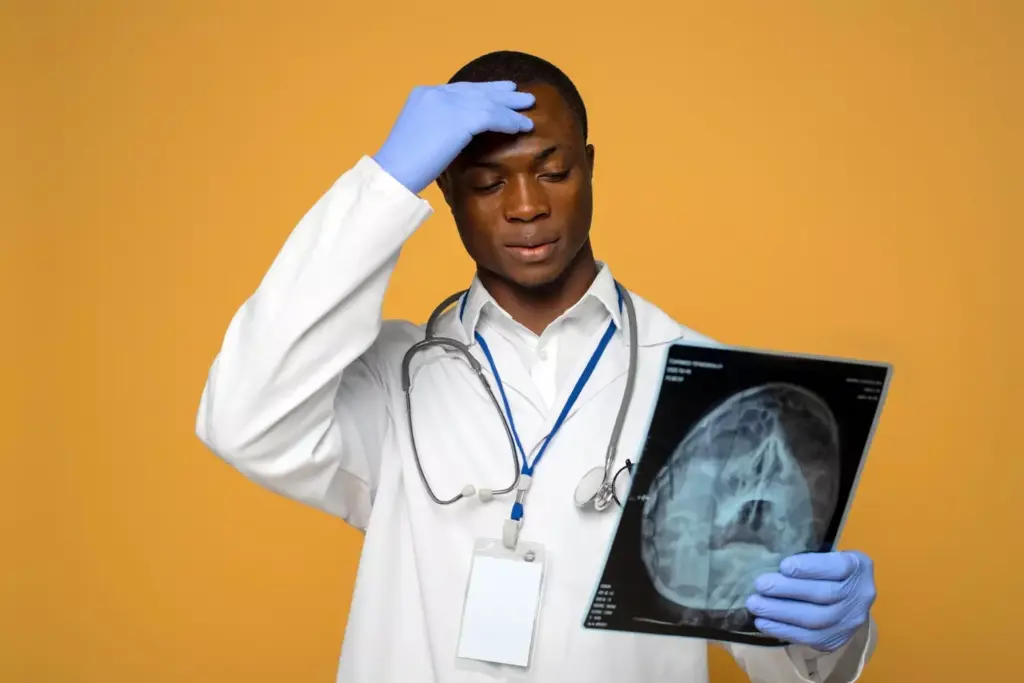
It’s important to know how brain tumors affect memory. They can change how we think and remember things. Brain tumors, whether they grow back or are cancerous, can mess with our memory by blocking the way our brain works.
But, it’s hard to tell if someone has a brain tumor because the symptoms can look like other health issues. This makes finding out what’s wrong tricky.
Disruption of Neural Pathways by Tumors
Brain tumors can put pressure on the brain, causing problems with how we think and remember. Gliomas and meningiomas are types of tumors that can mess with our memory by blocking the brain’s pathways.
When a brain tumor grows, it can make us forget things. The kind of tumor and where it is in the brain can affect how much we forget. Tumors near important memory areas can make memory loss worse.
Types of Brain Tumors Affecting Memory
There are many kinds of brain tumors that can mess with our memory. Gliomas and meningiomas are two types that can hurt how we think. How much memory loss happens depends on the tumor’s size and where it is.
- Gliomas: These tumors can spread into the brain, damaging areas important for memory.
- Meningiomas: Even though they’re usually not cancerous, they can press on the brain and cause thinking problems.
- Other Tumors: Other brain tumors, like ones that start in other parts of the body, can also mess with memory.
Knowing which brain tumors can cause memory loss helps doctors plan better treatments. Understanding how brain tumors affect memory lets doctors help patients keep their thinking sharp.
Memory Loss After Brain Tumor Surgery: Mechanisms and Causes
Memory loss after brain tumor surgery comes from many factors. Knowing these helps us find ways to lessen brain damage and help patients recover better.
Direct Tissue Damage During Resection
Direct tissue damage is a big reason for memory loss after surgery. When removing a tumor, the brain nearby can get hurt. How much damage depends on where the tumor is and how the surgery is done.
Doctors use special tools like MRI and neuro-navigation to try and avoid harming important brain areas. But, some damage is hard to avoid.
Edema and Inflammation Effects
After surgery, edema and inflammation can also cause memory loss. Swelling and inflammation can press on brain tissues, making them work poorly. This is a natural response to surgery but can harm thinking skills.
Doctors try to control swelling and inflammation with medicine and other treatments. This helps lessen their impact on memory and thinking.
Anesthesia-Related Cognitive Effects
Anesthesia’s impact on the brain is also key. Anesthesia is needed to manage pain during surgery but can affect memory and thinking. Some anesthetics might protect the brain, while others could harm it.
Doctors carefully pick the anesthesia and how much to use to avoid harming thinking skills.
Understanding why memory loss happens after brain tumor surgery is important. It includes damage from surgery, swelling and inflammation, and anesthesia effects. This knowledge helps doctors find better ways to help patients recover their thinking abilities.
Risk Factors for Developing Memory Loss After Brain Tumor Surgery
Memory loss after brain tumor surgery can come from many sources. It depends on the patient and the tumor itself. Knowing these factors helps both patients and doctors prepare and lessen the impact on memory.
Tumor Location and Size
The spot and size of the tumor matter a lot. Tumors near memory centers or big ones can hurt memory more. This is because they might damage or move brain tissue.
Patient Age and Pre-existing Conditions
Age is a big factor, with older people more likely to face memory issues. If someone already has brain problems, surgery risks go up. This is because their brain might not bounce back as well.
Surgical Approach and Extent of Resection
How the surgery is done and how much of the tumor is removed also matters. Big surgeries or those near memory areas can raise the risk. But, careful surgery that spares brain tissue can help avoid memory loss.
| Risk Factor | Description | Impact on Memory Loss |
|---|---|---|
| Tumor Location | Tumors in memory-critical areas | Higher risk if near cognitive pathways |
| Tumor Size | Larger tumors | Increased risk due to possible tissue damage |
| Patient Age | Older adults | More prone to cognitive effects |
| Pre-existing Conditions | Conditions like dementia | Worsens the risk of memory loss |
| Surgical Approach | Extent of resection and technique | More extensive resections may increase risk |
Understanding these factors helps doctors give better advice. They can work on ways to lower the chance of memory loss after surgery.
Pituitary Tumors and Their Unique Effects on Memory
Pituitary tumors can greatly affect memory. They do this by messing with the body’s hormonal balance. These tumors in the pituitary gland can cause problems with memory and other thinking skills.
Hormonal Imbalances and Cognitive Function
The pituitary gland controls hormones that help our bodies work right. When a tumor grows there, it can upset these hormones. This can mess with memory and thinking.
Thyroid-stimulating hormone (TSH) and adrenocorticotropic hormone (ACTH) are key for thyroid health and handling stress. If these hormones are off, you might feel tired, anxious, or foggy. These feelings can hurt your memory.
| Hormone | Function | Effect of Imbalance on Memory |
|---|---|---|
| TSH | Regulates thyroid function | Hypothyroidism can cause memory issues |
| ACTH | Regulates stress response | Excess cortisol can impair memory |
| Growth Hormone | Regulates growth and metabolism | Imbalance can affect cognitive clarity |
Treatment Considerations for Pituitary Tumors
Treating pituitary tumors needs a detailed plan. This plan must look at how the tumor affects hormones and thinking. Surgery, medicine, and radiation are common treatments.
Fixing memory problems from these tumors means fixing hormonal imbalances. This might mean hormone shots or other treatments to get hormones back to normal.
Understanding how pituitary tumors affect memory helps doctors give better care. This care improves thinking and quality of life for patients.
Types of Memory Impairment Following Brain Tumor Surgery
Brain tumor surgery can cause different memory problems. These problems affect people in various ways. It’s important to know about these issues to help patients recover better.
Short-Term vs. Long-Term Memory Deficits
Memory problems after surgery can be short-term or long-term. Short-term memory loss makes it hard to remember things for a few minutes. Long-term memory loss makes it hard to remember past events or learn new things for a long time.
Studies show that both types of memory can be affected. But, how much each person is affected can vary. Treatment plans can be made to help with these specific memory problems.
| Memory Type | Characteristics | Rehabilitation Strategies |
|---|---|---|
| Short-Term Memory | Difficulty retaining information for seconds to minutes | Using memory aids like notes, reminders |
| Long-Term Memory | Inability to recall past events or learn new information | Engaging in memory exercises, cognitive training |
Verbal vs. Visual Memory Impairment
Memory problems can also be verbal or visual. Verbal memory impairment makes it hard to remember words and names. Visual memory impairment makes it hard to remember pictures and objects.
Some people might have trouble with words, while others might struggle with pictures. Knowing what kind of memory problem someone has helps in making the right treatment plan.
Working Memory Challenges
Working memory is about keeping information in your mind for a short time. Problems with working memory can make everyday tasks hard. It can affect things like math, following directions, and doing multiple things at once.
Rehabilitation programs often include ways to improve working memory. This can include special exercises and using technology to help.
Diagnosis and Assessment of Post-Surgical Memory Loss
Getting a correct diagnosis of post-surgical memory loss is key for a good recovery plan. Memory loss after brain surgery worries patients and their families a lot. To figure out how much memory loss there is, we use many different methods.
Neuropsychological Testing Methods
Neuropsychological tests are very important for checking memory loss after surgery. These tests look at things like memory, attention, and language skills. Standardized tests like the Wechsler Memory Scale help find out what kind of memory problems someone has.
Imaging Techniques for Evaluating Brain Function
Advanced imaging also helps check how the brain works and where surgery might have hurt it. Functional MRI (fMRI) and Positron Emission Tomography (PET) scans show brain activity and connections. They help see how brain tumors and surgery affect memory areas in the brain.
Timeline for Cognitive Assessment
When to check cognitive function after brain surgery is very important. We usually do the first check in the hospital right after surgery. Then, we do follow-up checks at 3, 6, and 12 months to see how the patient is doing.
Having a set schedule for follow-ups is key. It lets doctors catch any changes in cognitive function early and help patients better.
By using neuropsychological tests, advanced imaging, and a set timeline for checks, we can give the best care to those with memory loss after brain surgery.
Treatment Approaches for Memory Loss After Brain Tumor Surgery
Dealing with memory loss after brain tumor surgery needs a detailed plan. Each patient is different, so we make treatment plans that fit their needs. These plans help address specific memory problems.
Cognitive Rehabilitation Strategies
Cognitive rehabilitation is key in managing memory loss after surgery. It’s designed to meet each patient’s unique needs. This approach can greatly improve how well a person functions.
We help patients find ways to boost their memory, focus, and decision-making skills. This might include memory games, finding new ways to do things, or using technology to help.
Key components of cognitive rehabilitation include:
- Memory training exercises to improve recall and recognition
- Compensatory strategies to work around memory deficits
- Assistive technology to support daily functioning
Pharmacological Interventions
At times, medicines might be used to help the brain recover. There’s no special medicine for memory loss after surgery. But, some drugs might help. These could be for improving memory or focus.
It’s important to remember that medicines are used carefully. They’re part of a bigger treatment plan.
Lifestyle Modifications to Support Brain Health
Changing your lifestyle can help your brain stay healthy. We suggest staying active, eating well, and getting enough sleep. Stress-reducing activities like meditation or yoga are also good.
Doing things that challenge your mind can also help. This builds a kind of protection for your brain.
Key lifestyle modifications include:
- Regular physical exercise to improve cardiovascular health
- A balanced diet rich in fruits, vegetables, and omega-3 fatty acids
- Adequate sleep to support cognitive function
- Stress management through techniques like meditation or yoga
- Engaging in mentally stimulating activities to build cognitive reserve
By using these methods, we can help people recover from memory loss after surgery. This improves their overall life quality.
Conclusion: Living with and Managing Post-Surgical Cognitive Changes
Memory loss after brain tumor surgery is a big challenge for patients. But, with the right strategies and support, managing these changes is possible. We’ve looked at the causes, risk factors, and treatments for memory loss. This shows how important complete care is in dealing with these changes.
Dealing with memory loss after brain tumor surgery needs a wide approach. Early treatment of brain tumors and detailed post-surgery care can greatly help recovery and life quality. Understanding how cognitive issues work and using the right management strategies helps patients face their challenges better.
Managing cognitive changes after surgery involves several steps. These include cognitive rehab, medicine, and changes in lifestyle. We stress the need for a supportive care team to help patients deal with these changes and improve their life quality. By being proactive and well-informed, people can manage their condition well and boost their overall health.
What are the primary factors that contribute to memory loss after brain tumor surgery?
Memory loss after brain tumor surgery comes from several sources. Direct damage to brain tissue during surgery is one. Post-operative swelling and inflammation also play a part. Anesthesia’s effects are another factor. Knowing these causes helps in finding ways to reduce memory loss.
How do brain tumors affect memory function, and which types are most likely to cause memory loss?
Brain tumors can harm memory by disrupting brain pathways. Some tumors, like gliomas and meningiomas, are more likely to affect memory. The tumor’s location and size also matter a lot.
Can pituitary tumors cause memory loss, and if so, how?
Yes, pituitary tumors can lead to memory loss. This is mainly due to hormonal imbalances. These imbalances can hurt memory. It’s important to understand how pituitary tumors affect memory and how to treat them.
What types of memory impairment can occur after brain tumor surgery?
Surgery for brain tumors can cause different memory problems. These can range from short-term to long-term memory loss. They can affect both verbal and visual memory. Knowing these types helps in creating better rehabilitation plans.
How is post-surgical memory loss diagnosed and assessed?
Diagnosing memory loss after surgery involves neuropsychological tests and imaging. These tools help understand the extent and type of memory loss. They guide rehabilitation efforts.
What are the available treatment options for managing memory loss after brain tumor surgery?
Treating memory loss after surgery includes several steps. Cognitive rehabilitation, medication, and lifestyle changes are used. These aim to improve memory, enhance life quality, and support brain health.
Can short-term memory loss be cured after brain tumor surgery?
Recovery from short-term memory loss varies. Some see big improvements with the right treatment and rehab. Cognitive rehab can help regain lost memory skills.
How can lifestyle modifications support brain health after brain tumor surgery?
Making healthy lifestyle choices can help brain health after surgery. Eating well, staying active, and managing stress are key. These can lessen some cognitive effects.
Are there any specific risk factors that increase the likelihood of experiencing memory loss after brain tumor surgery?
Yes, several factors raise the risk of memory loss after surgery. These include the tumor’s location and size, the patient’s age, and any pre-existing conditions. The surgery’s extent and approach also matter.
References
Duke Tisch Brain Tumor Center. (n.d.). How long does it take for the brain to heal after tumor removal? Retrieved from https://tischbraintumorcenter.duke.edu/blog/how-long-does-it-take-brain-heal-after-tumor-removal
National Center for Biotechnology Information (NCBI). (2019). Neurocognitive deficits after glioma surgery: A narrative review (PMC ID: PMC6707501). Retrieved from https://pmc.ncbi.nlm.nih.gov/articles/PMC6707501
University of Rochester Medical Center (URMC). (n.d.). Cognitive problems after brain surgery. Retrieved from https://www.urmc.rochester.edu/encyclopedia/content?contenttypeid=34&contentid=18064-1



 Departments
 Related Videos
 Our Doctors
 News
News