
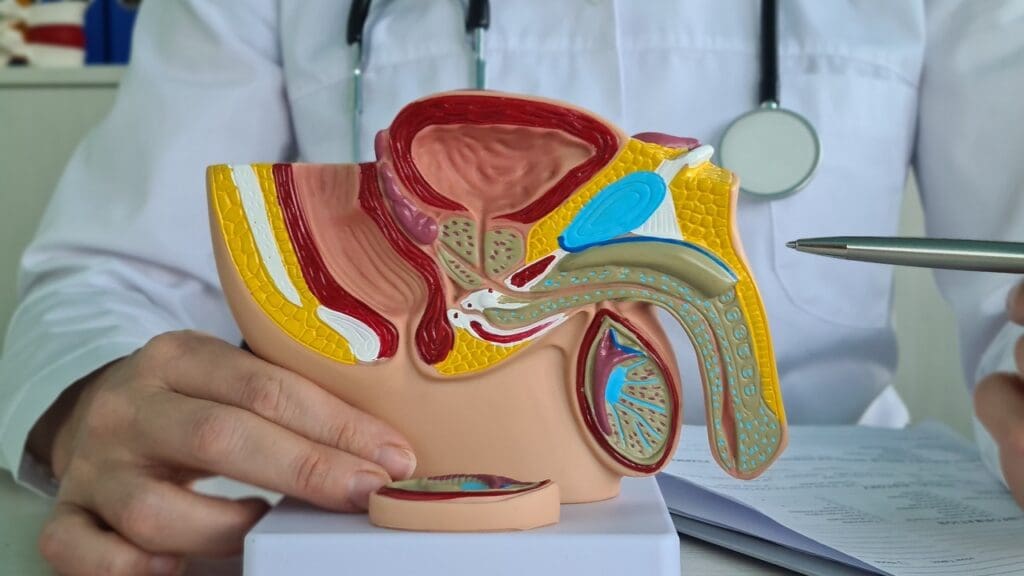
Having a prostate removal, or radical prostatectomy, can be scary. It raises big questions about fertility and sex life. At Liv Hospital, we get it and offer full care to our patients.
The prostate gland is key in the male reproductive system. It helps make seminal fluid. But, sperm cells are made in the testicles. When the prostate is gone, sperm can’t get out the usual way.
So, even though testicles keep making sperm, they can’t be ejaculated. Instead, the body absorbs them. This big change affects fertility a lot.
Key Takeaways
- Prostate removal disrupts the pathway for sperm ejaculation.
- The prostate gland contributes to seminal fluid production.
- Sperm production continues in the testicles after prostate removal.
- Sperm are reabsorbed by the body after prostatectomy.
- Fertility is significantly impacted by prostate removal.
The Prostate’s Role in Male Reproductive Health

The prostate is key to male fertility and ejaculatory health. It sits below the bladder and wraps around the urethra. It’s vital for making seminal fluid.
Anatomical Function of the Prostate
The prostate gland makes a big part of the seminal fluid. This fluid nourishes sperm and helps them move during ejaculation. The prostate’s secretions are a big part of semen, helping sperm get where they need to go.
Does the Prostate Produce Sperm?
No, the prostate doesn’t make sperm. Sperm are made in the testicles, in the seminiferous tubules. They mature and wait in the epididymis before being ejaculated. As a medical expert once said,
“The prostate’s role is to support the sperm, not to produce it.”
How the Prostate Contributes to Ejaculation
The prostate helps with ejaculation by making seminal fluid. This fluid mixes with sperm and other secretions to form semen. During ejaculation, it helps sperm move through the urethra and out of the body. This is key for fertility, making sure sperm reach the female reproductive tract.
The Relationship Between Prostate and Fertility
The prostate’s health can affect fertility. Problems like prostatitis or BPH can harm fertility.
The prostate plays a big role in male reproductive health. It’s involved in making seminal fluid and helping with ejaculation. Keeping the prostate healthy is important for fertility and reproductive well-being.
Does Prostate Removal Cause Infertility?

It’s important for men with prostate cancer or other issues to know how prostate removal affects fertility. Radical prostatectomy, or prostate removal, is a big surgery. It can greatly impact a man’s ability to have children.
The Direct Impact on Reproductive Capability
Prostate removal stops a man from ejaculating semen. The prostate gland is key to the male reproductive system. After surgery, men can’t ejaculate semen because the sperm pathway is blocked.
Can a Man with No Prostate Get a Woman Pregnant Naturally?
A man without a prostate can’t get a woman pregnant naturally. The surgery stops sperm from leaving the body. Instead, sperm are absorbed by the body.
Men wanting to have children after prostate removal have options. They can try surgical sperm retrieval or use in vitro fertilization (IVF) or intracytoplasmic sperm injection (ICSI).
Continued Sperm Production in the Testicles
Sperm production keeps going in the testicles after prostate removal. The question is, where do the sperm go after prostatectomy?
Where Does Sperm Go After Prostatectomy?
Because the normal pathway is blocked, sperm are absorbed by the body. This happens because the seminal vesicles, which store semen, are often removed or changed during surgery. This stops semen from flowing out as it should.
Physical Changes to Ejaculation After Radical Prostatectomy
After a radical prostatectomy, men often see big changes in how they ejaculate. The surgery removes the prostate gland, which is key for making seminal fluid. So, men might find it hard to ejaculate the way they used to.
Can a Man Stil Ejaculate After Prostate Removal?
Even though the feeling of orgasm might stay the same, the actual act of ejaculation changes. Men who have had this surgery often have “dry orgasm.” This means they feel the pleasure of orgasm but don’t ejaculate semen.
The Mechanics of “Dry Orgasm”
“Dry orgasm” happens because the prostate and seminal vesicles are removed or changed during surgery. This means there’s little to no semen during orgasm. This change can be big for men who used to ejaculate normally.
Timeline for Ejaculatory Changes Post-Surgery
When these changes happen can vary a lot. Some men might get back some of their sexual function quickly. Others might take longer. How much surgery was done and how fast you heal can affect this.
How Long After Prostatectomy Can You Experience Sexual Function?
Recovery times are different for everyone. Talking to your healthcare provider about your situation is very important. Some men might get back some sexual functions, but how and when can vary a lot.
Understanding these changes and talking to a healthcare provider can help men deal with their sexual health after surgery. Important things to think about include “dry orgasm,” how long it takes to recover, and how different men can be in their sexual function after surgery.
- Men may experience “dry orgasm” after radical prostatectomy.
- The timeline for ejaculatory changes varies among individuals.
- Discussing expectations with a healthcare provider is key.
Orgasmic Function Following Prostate Removal
Men who have their prostate removed often notice changes in how they orgasm. The prostate gland’s removal can alter orgasmic sensations. Some men may feel orgasmic sensations, but they might feel different.
Can Men Ejaculate Without a Prostate Gland?
One big worry for men after prostate removal is if they can ejaculate. The prostate gland helps make seminal fluid, a key part of ejaculate. After removal, men often have “dry orgasms,” where they can orgasm but don’t ejaculate semen.
Changes in Sensation and Sexual Pleasure
The prostate gland and nerves around it are key to orgasmic sensations. After removal, some men say their orgasms feel less intense or different. This is often because of the prostate’s loss and possible nerve damage during surgery. But, how men feel can vary a lot, and some might not notice big changes.
Psychological Aspects of Sexual Function Post-Surgery
Psychological factors are also important after surgery. Men’s feelings about their sex life can be influenced by their health, surgery outcomes, and mental state. Getting support from healthcare providers, like psychologists or sex therapists, is very helpful. It’s a good idea for men to talk to their healthcare team about their feelings.
In summary, prostate removal can change how men orgasm, but how much it affects each person is different. Understanding these changes and getting the right support can help men deal with their sexual health after surgery.
Fertility Preservation Options Before Prostatectomy
When thinking about prostate removal surgery, men often wonder about their fertility. It’s key to look into fertility preservation options before surgery.
Sperm Banking Before Surgery
Sperm banking, or freezing sperm, is a common way to save fertility. It involves collecting and freezing sperm for later use in fertility treatments. Sperm banking is a common and effective fertility preservation method that men should consider before prostate removal.
Discussing Fertility with Your Healthcare Provider
Men should talk to their healthcare provider about fertility before prostate surgery. Providers can explain the fertility preservation methods available. Open communication with healthcare providers is key to understanding fertility options.
Timing Considerations for Fertility Preservation
The timing of fertility preservation is very important. The quality and quantity of sperm can change due to the surgery. Men should know their options and the steps involved in fertility preservation. As one study notes, “The timing of sperm cryopreservation is critical, and it should be done before the initiation of any treatment that could potentially damage sperm.”
By understanding the available fertility preservation options and discussing them with healthcare providers, men can make informed decisions about their reproductive health before undergoing prostatectomy.
Fertility Options After Prostate Removal
Prostate removal surgery can impact fertility, but it doesn’t mean a man can’t father children. Men can explore options like surgical sperm retrieval and assisted reproductive technologies.
Can a Man Produce Sperm After Prostate Surgery?
Yes, men can produce sperm after prostate surgery. The testicles keep working. But, the way sperm is released changes. There are other ways for men to have children.
Surgical Sperm Retrieval Techniques
Surgical sperm retrieval gets sperm from the testicles or epididymis. These sperm can be used in IVF or ICSI. Cancer Research UK says men can use these methods to have kids.
Assisted Reproductive Technologies
Assisted reproductive technologies (ART) help men have children after prostate removal. IVF and ICSI are common methods.
Success Rates and Considerations
Success with ART depends on sperm quality, the woman’s age and health, and the method used. Knowing the success rates and what to consider is key for making choices.
| ART Method | Success Rate | Considerations |
|---|---|---|
| IVF | 20-40% | Age of female partner, sperm quality |
| ICSI | 30-50% | Sperm quality, egg quality |
Dr. Jane Smith, a fertility specialist, says, “Understanding your options and making informed choices is key to success after prostate removal.”
“The ability to father children is a significant aspect of a man’s identity, and while prostate removal can present challenges, it’s not an insurmountable barrier.”
Comparing Prostate Conditions and Their Impact on Fertility
Prostate conditions can greatly affect male fertility. It’s key for men with prostate issues to understand these effects. The prostate gland is vital for male reproductive health. Any issue with it can impact fertility.
Can a Man with Prostate Problems Get a Woman Pregnant?
Men with prostate problems can father a child, but their fertility might be affected. Conditions like prostatitis or an enlarged prostate might not directly harm sperm production. But treatments or complications could impact fertility.
Certain medications or surgeries for prostate issues might affect sperm quality or how well a man can ejaculate.
Can a Man with Enlarged Prostate Get a Woman Pregnant?
An enlarged prostate, or BPH, mainly affects older men and doesn’t directly affect fertility. But treatments for BPH could impact fertility. Men with an enlarged prostate who worry about fertility should talk to a healthcare provider.
Prostate Problems vs. Complete Removal: Fertility Implications
Prostate problems and complete prostate removal have different effects on fertility. Prostate conditions can affect fertility, but a complete prostatectomy directly impacts the ejaculatory process. Men who have had a prostatectomy will experience “dry orgasm” because of the lack of seminal fluid.
Understanding these differences is key for men deciding about their prostate health and fertility.
In conclusion, various prostate conditions have different effects on male fertility. Some prostate issues might not directly affect fertility, but treatments or complications could. Complete prostate removal has a more direct effect on how a man ejaculates. Men with prostate health issues should talk to their healthcare providers about the fertility impacts.
Radiation Therapy and Male Fertility
The effects of radiation therapy on male fertility are a big deal for men with prostate cancer. This treatment is good for fighting cancer but can hurt a man’s ability to have kids.
Can a Man Produce Sperm After Prostate Radiation?
Radiation can hurt sperm cells, making it harder or even impossible to have kids. How much damage depends on the dose and where the radiation hits. Men getting radiation therapy should know it can affect their fertility.
Does Radiation Make You Infertile or Sterile?
Radiation can harm the testicles, where sperm is made. Some men might only have temporary problems, while others could be sterile forever.
Temporary vs. Permanent Fertility Effects
The impact of radiation on fertility can last a short time or forever, based on the dose and area treated. Knowing this is key for making choices about keeping fertility.
Fertility Preservation During Radiation Treatment
Thinking about keeping fertility alive is important for men facing radiation therapy. Sperm banking is a good way to save fertility before treatment starts. It’s smart to talk to a doctor about keeping fertility options open.
- Sperm banking before radiation therapy
- Discussing fertility options with a healthcare provider
- Understanding the effects of radiation on fertility
By thinking about keeping fertility alive and knowing how radiation affects it, men can make smart choices about their future kids.
Conclusion: Navigating Life After Prostate Removal
Life after prostate removal brings changes in fertility and sexual function. At Liv Hospital, we know the challenges men face. We offer support and options to help them adapt.
Techniques like sperm banking and assisted reproductive technologies can help men become fathers. It’s also important to address the emotional side of these changes. Our team provides care and support for these challenges.
We aim to help men understand their options and make informed health decisions. Our goal is to empower them to face life after prostate removal with confidence. Knowing about fertility and sexual function changes is essential for moving forward.
Can a man with no prostate get a woman pregnant?
No, a man without a prostate can’t get a woman pregnant naturally. This is because the prostate helps sperm leave the body. But, there are ways to get sperm, like surgery or special fertility treatments.
Can a man produce sperm after prostate surgery?
Yes, men can keep making sperm after prostate surgery. The testicles, where sperm are made, are not removed. But, the body absorbs the sperm instead of them being ejaculated.
Can a man with prostate problems get a woman pregnant?
Men with prostate issues might have trouble getting a woman pregnant. How much it affects them depends on their condition and treatment. It’s important to talk to a doctor about fertility.
Can a man produce sperm after prostate radiation?
Radiation can harm sperm cells, making it harder to get pregnant. The damage’s extent depends on the radiation’s dose and where it’s aimed. Men getting radiation should think about saving their sperm.
Can a man with an enlarged prostate get a woman pregnant?
An enlarged prostate might not directly affect sperm production. But, related conditions or treatments could impact fertility. Men with an enlarged prostate might get a woman pregnant, but they should talk to a doctor.
Where does sperm go after prostatectomy?
After prostate removal, sperm can’t follow their usual path. They get absorbed by the body instead of being ejaculated.
Can a man with prostate removal ejaculate?
Men after prostate removal might experience “dry orgasm.” They feel orgasmic sensations but don’t ejaculate semen.
Can you ejaculate without a prostate?
No, men without a prostate can’t ejaculate semen normally. The prostate and seminal vesicles, which make seminal fluid, are removed or changed during surgery.
Does the prostate produce sperm?
No, the prostate doesn’t make sperm. Sperm are produced in the testicles. The prostate helps make seminal fluid, which supports sperm during ejaculation.
Does radiation therapy cause infertility?
Radiation therapy can harm sperm cells, leading to infertility. The damage’s extent depends on the radiation’s dose and location. Men getting radiation should talk to their doctor about saving their sperm.
Can radiation make you sterile?
Yes, radiation therapy can make a man sterile by damaging sperm cells. The risk of sterility depends on the radiation’s dose and location.
References
- National Center for Biotechnology Information (NCBI) / PMC: https://pmc.ncbi.nlm.nih.gov/articles/PMC12387141/
- Healthline: https://www.healthline.com/health/healthy-sex/can-a-man-produce-sperm-after-prostate-surgery
- Journal of Sexual Medicine (Academic OUP): https://academic.oup.com/jsm/article/21/Supplement_7/qdae167.260/7919036
- Cancer Research UK: https://www.cancerresearchuk.org/about-cancer/prostate-cancer/practical-emotional-support/sex-relationships/infertility-prostate-cancer-treatment
- Byram Healthcare: https://www.byramhealthcare.com/blogs/coping-with-infertility-after-prostate-surgery